There's a simple supply-and-demand answer to this question.
On the supply side, tailoring shops have mostly dried up, especially if you live outside of major cities such as London, Tokyo, and New York City. This doesn't mean that you can't get a good suit outside of these urban centers. But doing so requires a lot more effort and knowledge.
The photo of Cary Grant below was taken to promote the 1940 romantic comedy The Philadelphia Story. When this image was taken, the average man in North America could reasonably expect to be able to to buy a quality suit from a clothier or tailor within driving distance of his home.
Such clothiers and tailors would handle all the details. You would arrive, tell them what you need a suit for (work, wedding, summer, winter), and they would furnish the goods. If you didn't know the social rules or expectations around wearing such clothes, they would tell you. If they didn't know, trade publications such as Apparel Arts of consumer-facing titles such as Esquire would tell them. And then they would pass the information to you.
Today, you have to do all the work yourself. Supposing you know where to buy a good suit (meaning in terms of construction quality), you will have to figure out whether it fits and flatters. Does the shoulder line look right? Why are there divots at the sleevehead? Are the quarters supposed to be this open? For many men, especially those outside of major cities, these are questions they'll have to answer themselves.
Let's now suppose you've done all the proper research and determined that you do, in fact, have a good suit. Now you will need to get it adjusted, as all ready-to-wear tailoring requires some tweaks (such as lowering the collar or adjusting the sleeves). Do you have a local alterations tailor to handle this for you? If you're in a major city, perhaps; if not, then perhaps not.
Let us again suppose you've procured the right suit, got it adjusted, and it looks fantastic. Do you know how to wear it well? Once again, you will have to educate yourself, as most salespeople are not particularly useful in this regard. Many are more concerned about looking young, hip, and fashionable. If you want to wear a suit more classically, like Grant below, you will have to turn to the annoying menswear nerds online, one of whom is snarky progressive non-white immigrant on Twitter.
OK, let's say you've got it all figured out — you have the suit, it's been adjusted, and you've learned all the stupid rules the menswear guy on Twitter talks about.
We now reach the demand side. Most men don't want to dress like this because it makes them stand out. When everyone else is in t-shirts and jeans, or polo shirts and chinos, a gray Glen check suit with a properly knotted tie (four-in-hand, dimple) will make you look very unusual. Grant even has a collar pin in this pic! There are ways you can dress this down — swapping the suit for a sport coat, the shirt and tie for a denim Western shirt, the gray checked trousers for jeans, etc. But you will stand out.
Centuries of Western bias against fashion — an area of culture often deemed too superficial and commercial for "serious" people — means that many people don't want to dress in a way that signals they have an interest in clothes. This goes doubly for men. Since fashion was historically considered not something "serious" people engaged in, and women were pushed out of "serious" professions, such as finance, law, and academia, fashion is often coded as a feminine interest today.
Thus, if you're a man who dresses this way while everyone else dresses much more casually, you face two problems. First, some people may deem you to be superficial and potentially of low intelligence. Second, some may also question whether you're gay or fully masculine (sexuality and gender, of course, being two distinct things, but often conflated in a way that suggests gay men are feminine). People who reify traditional gender norms only make it less likely that this sort of garb will be worn again.
To me, that's the simple story for why most men don't dress like this: it requires much more effort than it did in the past, both in terms of procuring the clothes and knowing how to wear them. Once done successfully, you also have to be a certain kind of character to not care about standing out. It's a supply and demand problem.
At this Summer’s Chap Olympiad your host will be Champagne Charlie, seen here performing at a previous Chap Olympiad with Tom Carradine on the ivories. Tickets available at special early bird price until the end of April https://t.co/EJ4LwxmGHH
Sharpen up your quills and exercise your drinking elbows - The Tournament of Tomfoolery returns after seven years in the doldrums #chapolympiad https://t.co/EJ4LwxmGHH
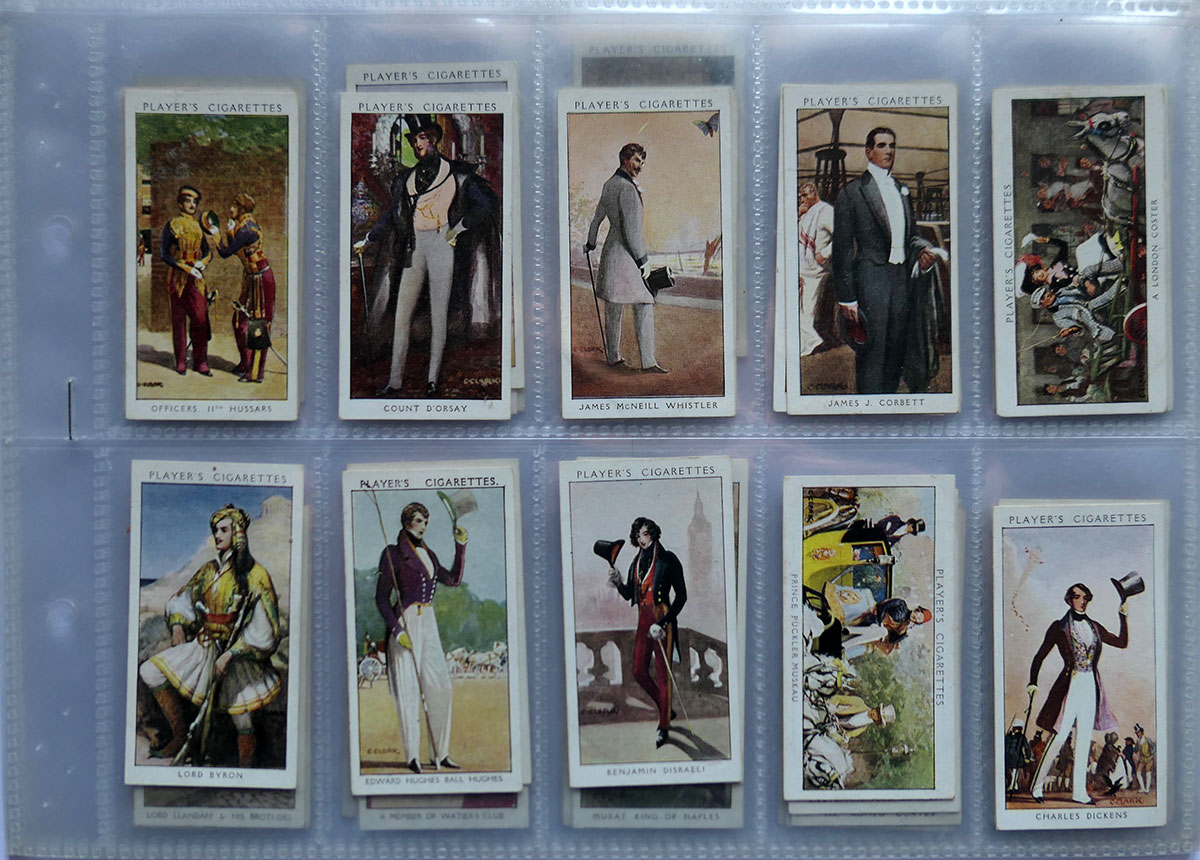
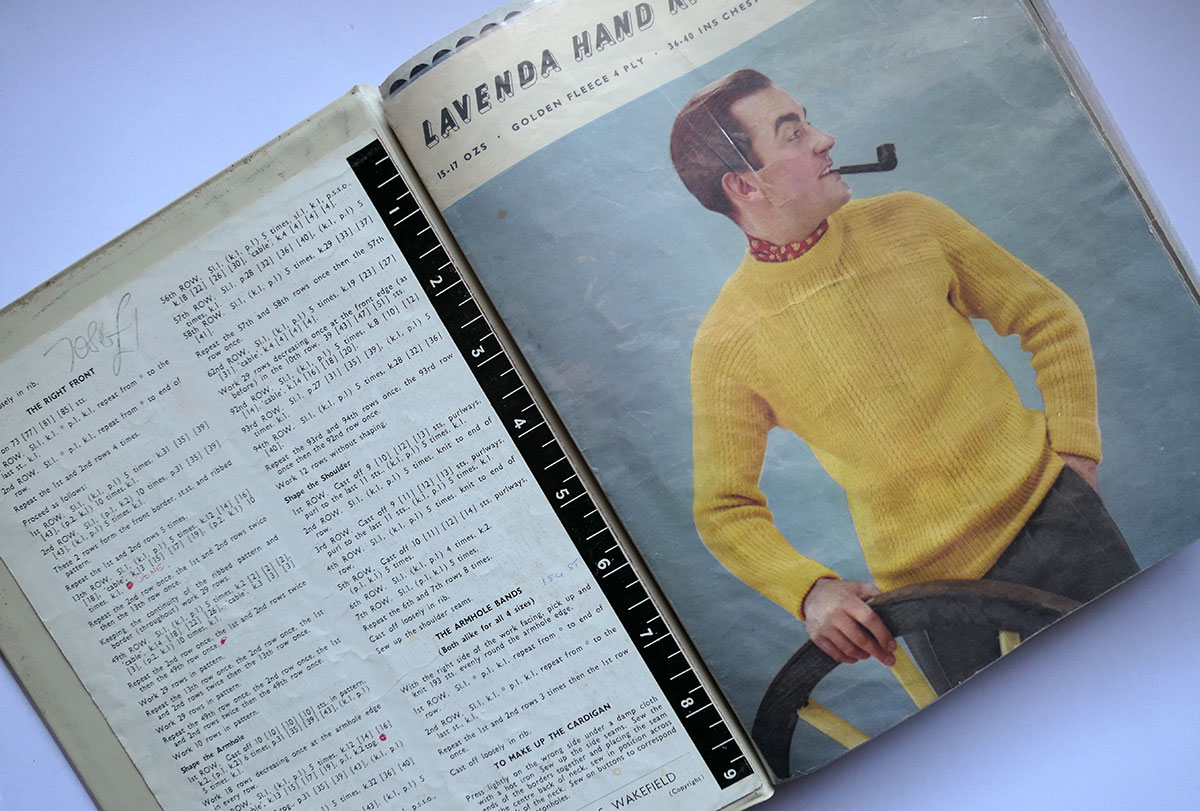
Various sundry items have been added to our Gift section, including a full set of dandies cigarette cards, a collection of original Chap knitting patterns, a signed photo of Terry-Thomas and the very last Silver Jubilee Tankard mug: https://t.co/tUnuVyyy8B
In order to clear the shelves ahead of a house move, many Chap Books have been placed into a grand sale, with reductions of up to 75% on some titles: https://t.co/ghBsZjwe4c