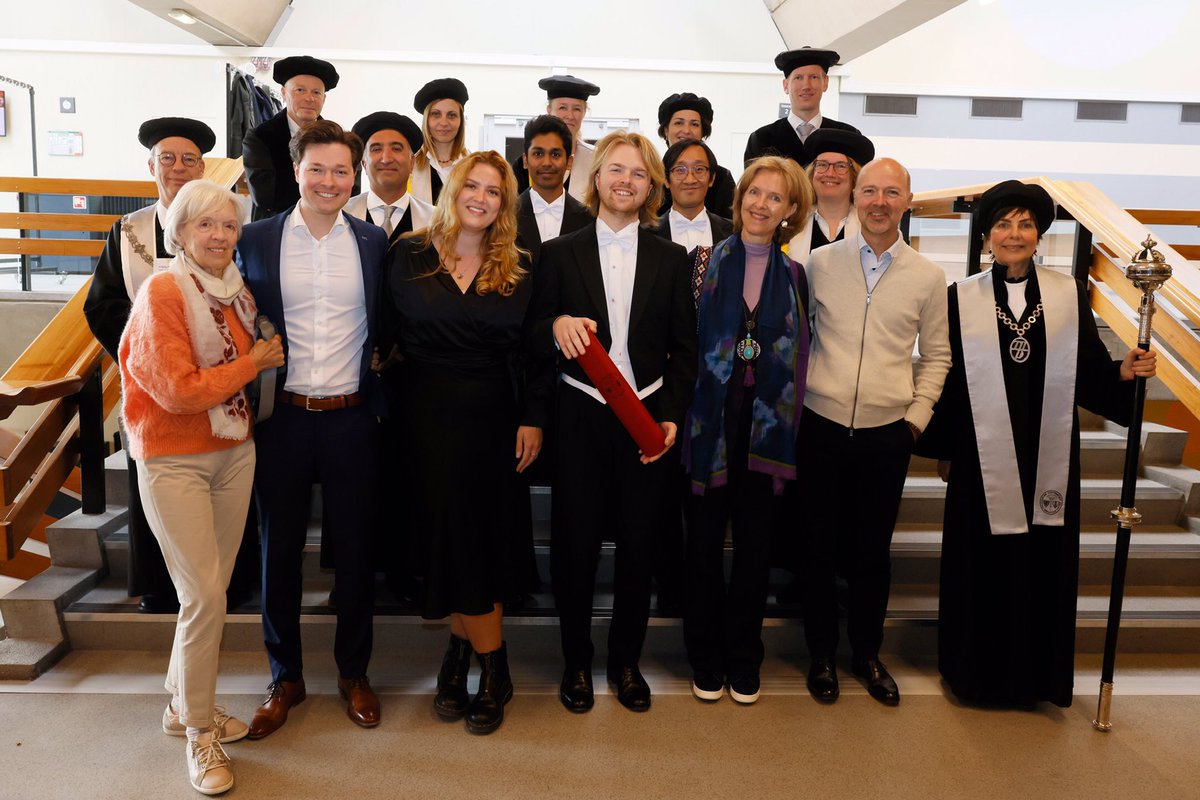
De Nederlandse read out van de ontmoeting van Berendsen met Wang Yi. Veel multilaterisme en wat wollig taalgebruik over de noodzaak van communicatie over halfgeleidertechnologie (lees: ASML). Opvallend: de opmerking over consultatie over wapenbeperking. https://t.co/4A2qnoDPck
Probeer te zijn als water - Dao De Jing 道德经
Nb. De Dao De Jing #道德经 werd geschreven in de tijd dat Plato nog leefde, is niet meer dan 5000 Chinese karakters lang, en is toch een van de meest vertaalde en gelezen boeken ter wereld. Een all time bestseller! 📚
#Books
Image: Sea shells painted by Jean Brusselmans aren’t they beautiful 💦
Nb. Collecting sea shells during a refreshing beach walk, isn’t that true wealth 😉
✍️ Shells were commonly used as a form of currency in ancient times. That is why the Chinese characters related to wealth often have 贝 (bei = sea shell, currency) as a radical. For instance: 财 (cai) = wealth, money, fortune. Can you spot the shell?
📙 Marco Polo (1245-1324) wrote in incredible detail of the birds, animals, plants and other aspects of nature he saw when he travelled in China as a young merchant. Later, when he was back in Venice, a priest asked him if he wanted to admit his stories were false. 1/2
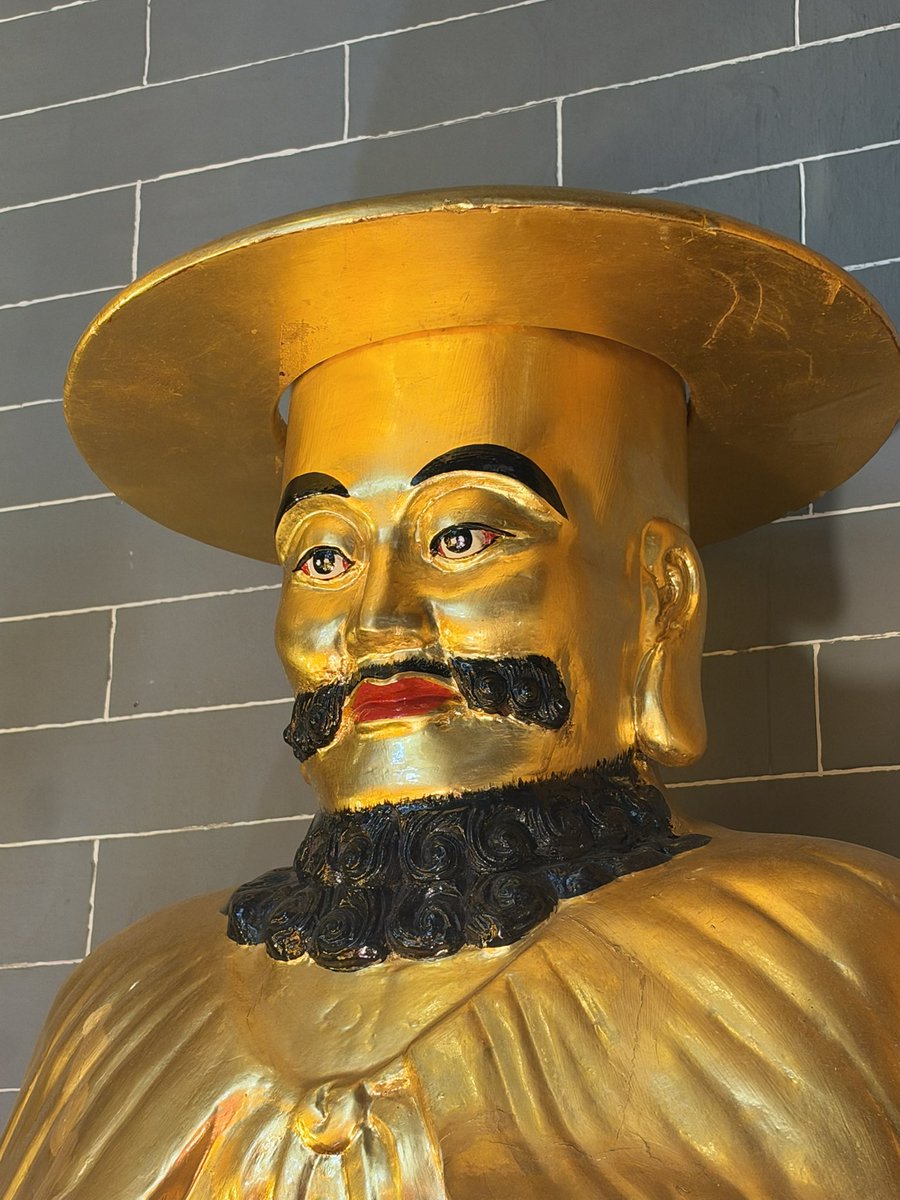
I found a “Marco Polo” statue inside a Guangzhou temple!
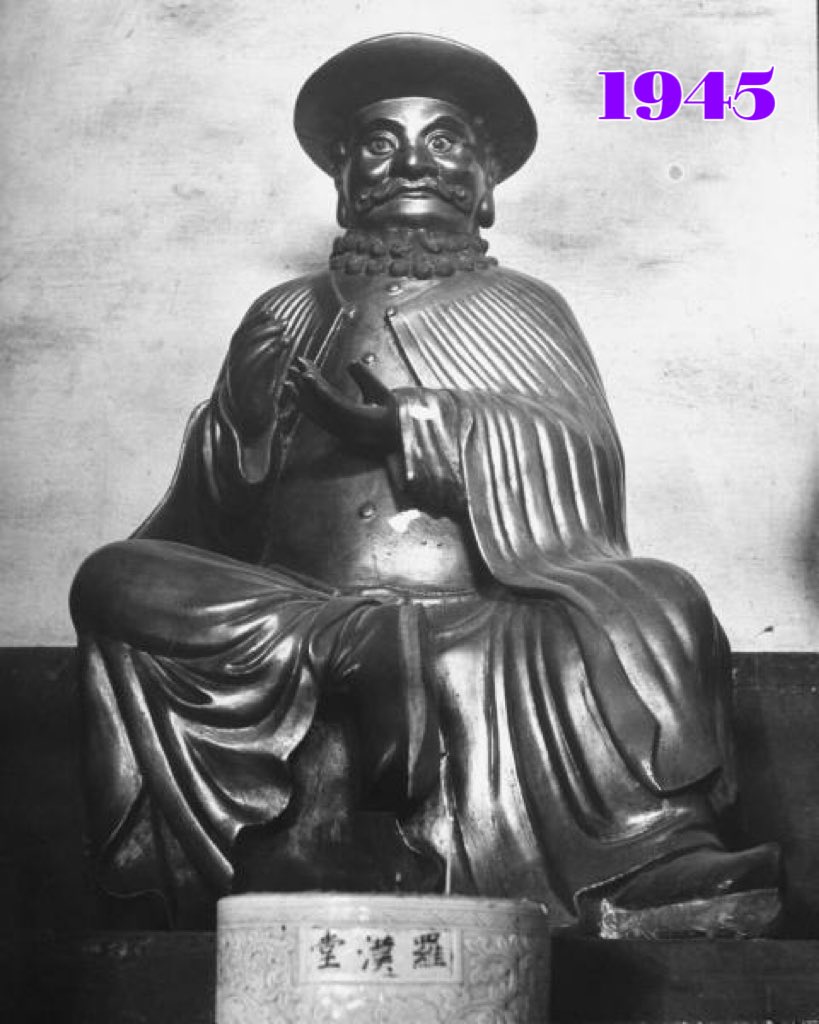
In the Hall of Five Hundred Arhats at Hualin Temple华林寺, Arhat No. 100 has distinctly Western features. Locals have long called it Marco Polo, even though he never set foot in Guangzhou.
The arhats were made in 1849 (Daoguang 29), modeled after those at Hangzhou’s Jingci Temple. This particular figure was originally based on the Indian missionary monk; the craftsmen simply gave him a Western appearance. In the late Qing, people popularly identified him as Marco Polo — a folk symbol of Guangzhou’s openness and cultural exchange, reflecting Lingnan’s inclusive spirit.
The original statues were clay covered in gold lacquer (see image 3). All were destroyed during the Cultural Revolution; the present ones are wooden replicas carved in 1997.
Hualin Temple is traditionally regarded as the place where Bodhidharma, the Indian founder of Chan (Zen) Buddhism, landed in China around 526/527 — the starting point of Chinese Zen.