This account will no longer be actively managed. To keep up with Crash Course, follow us on IG @thecrashcourse and subscribe on YouTube https://t.co/iY1t08sdp9
If you're an educator, make sure to sign up for our educator newsletter for classroom resources and helpful tools to make your job just a little bit easier. https://t.co/crRvu550S0
Want to stay in-the-know about new Crash Course series and upcoming projects? Sign up for our newsletter! You'll get insights from behind our episodes delivered straight to your inbox. https://t.co/8vBzS7H7j2
Since the world hasn’t ended-- yet-- there’s still a lot we can learn about ourselves from stories of its potential doom. Unveil the apocalypse with Cash Course Religions: https://t.co/kpuQll1tun
According to philosopher G.W.F. Hegel, struggles for recognition are the core cause of conflict between people. When we clash, we’re struggling to be recognized. Like, do you see me as a person? Do you respect me?
Ponder the big questions: https://t.co/32J3FfSnrA
One of the reasons it’s so difficult to untangle race from religion is because the two have rarely – if ever – been separate. They’ve sort of co-evolved. And power structures have often reinforced & redefined both ideas together to further their goals. https://t.co/9K9oJ7qj0A
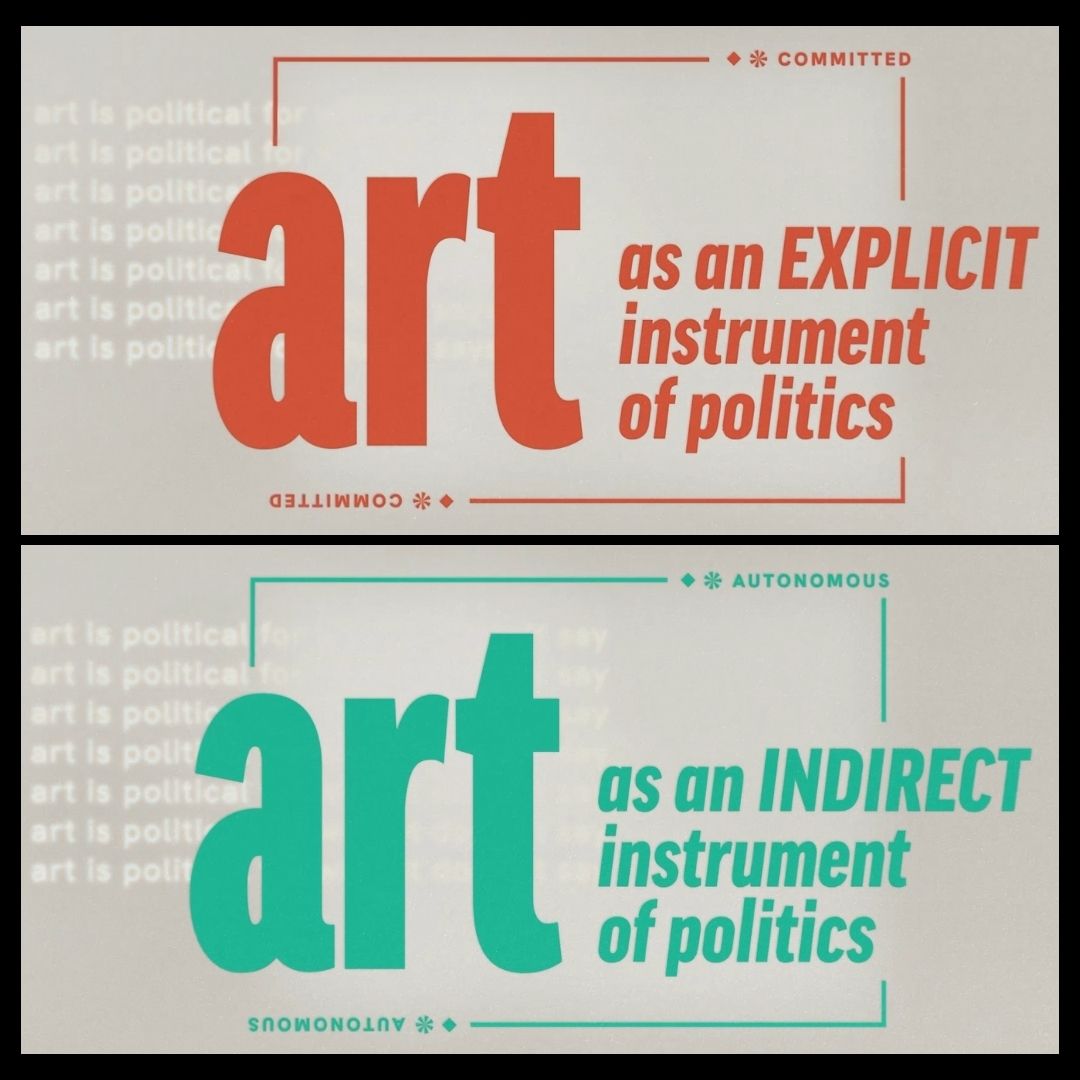
Explore the intersection of art and politics, including propaganda in authoritarian regimes, with the new Crash Course Political Theory video: https://t.co/ZPFTQZuWFo
Is #art most effective at delivering a message when its political position is obvious (committed art), or when its more obscure and resists interpretation (autonomous art)?
In the new episode of Crash Course Religions, we’re learning how religious communities construct ideas about sex, gender, and sexuality, and why these concepts aren’t as timeless or unchanging as they might seem. https://t.co/s0LGalK96a
Utopia means "good place," right? Well... maybe not. But that doesn't mean we shouldn't continue imaging how things could be better!
Learn the history of utopias from Plato to Walt Disney and golden chamber pots to climate-controlled domes: https://t.co/59AAX6L5IP
Aren’t science and religion supposed to be locked in an eternal grudge match? While there certainly has been & will continue to be conflict between the two–the narrative of conflict is too simplistic a lens through which to consider this relationship. https://t.co/lRZdsjY7XS
@hagaroo47 Absolutely! We're leaving out a lot because this is just a tweet. You can watch our video for a more comprehensive look at philosophies of punishment: https://t.co/JgoDSBw1gN
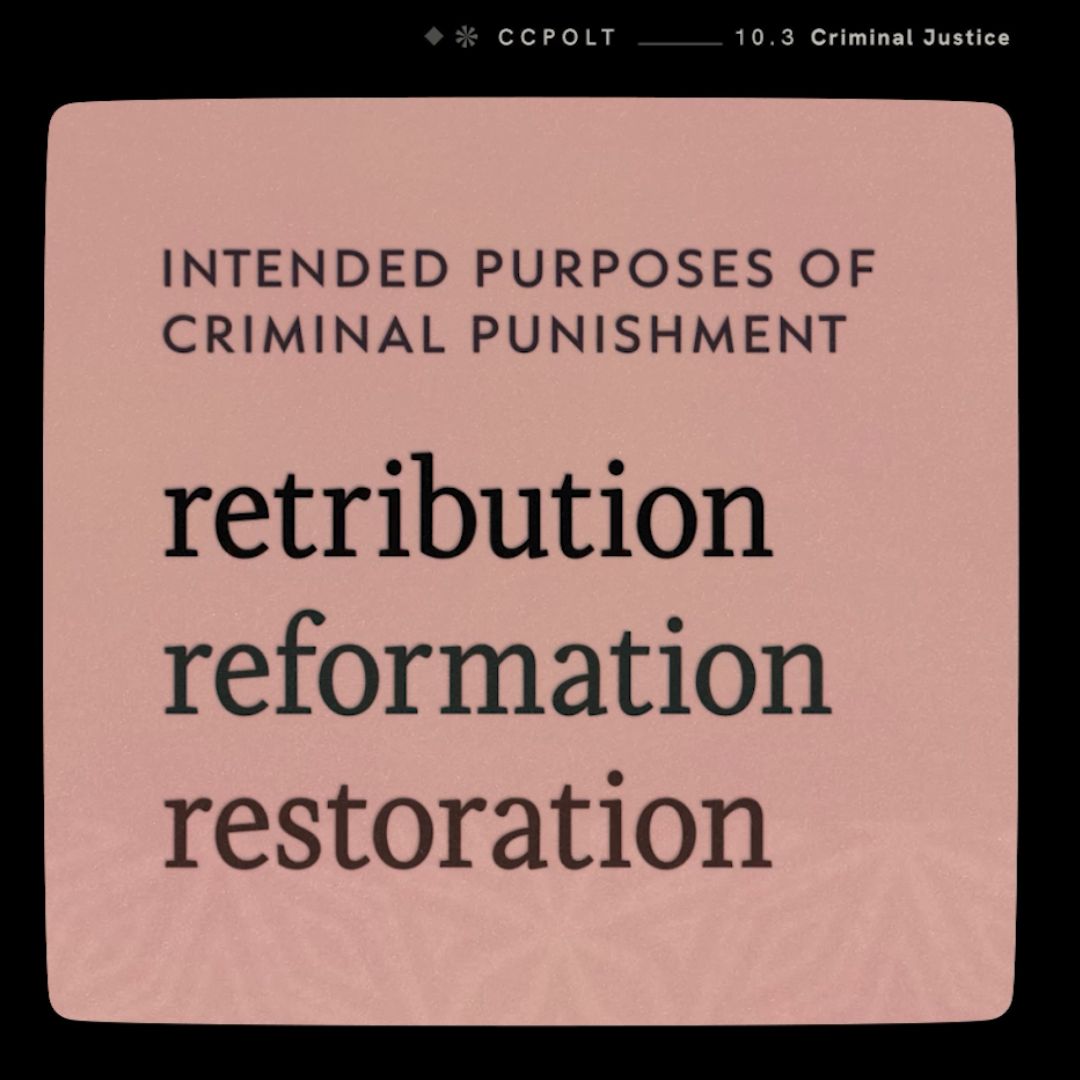
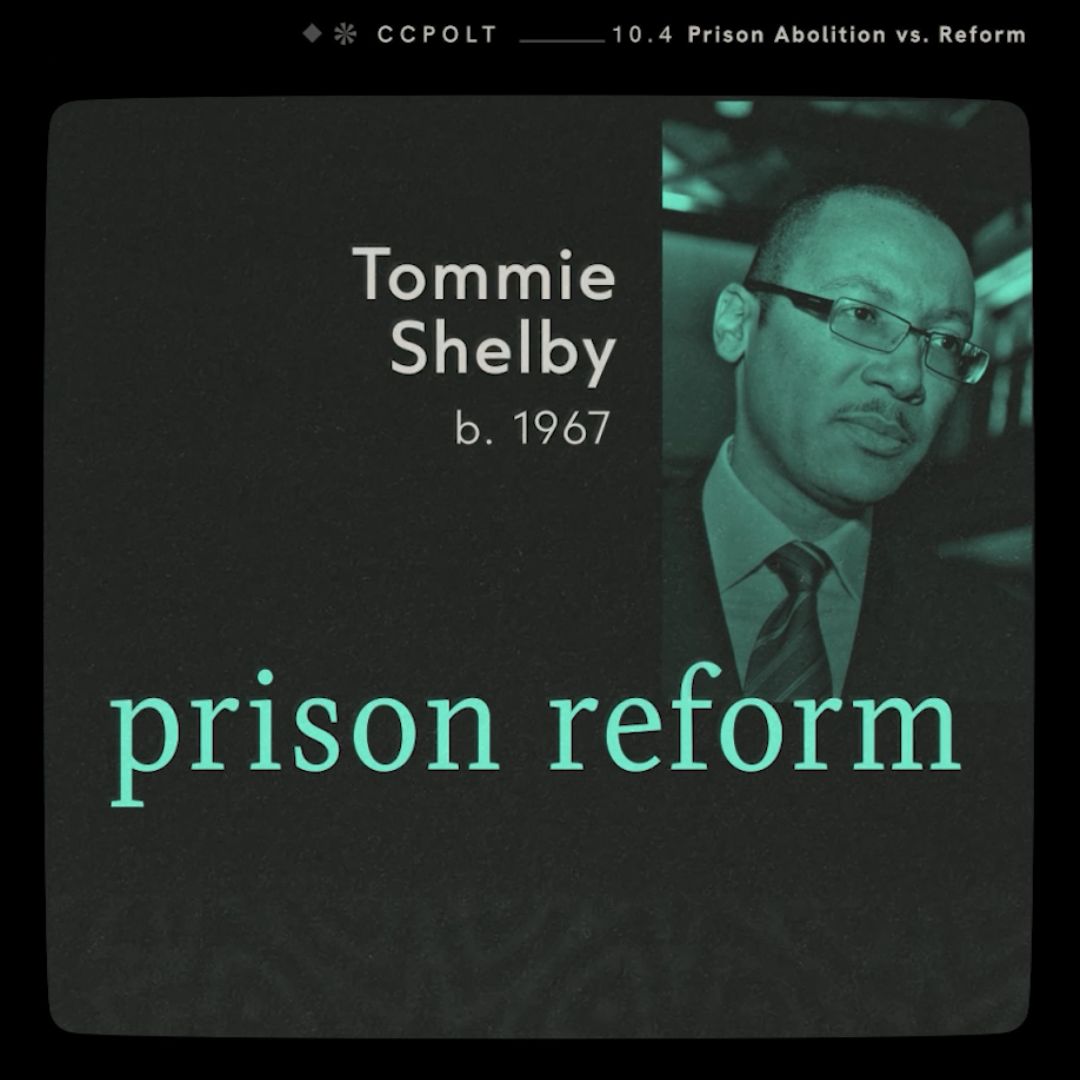
Learn more about philosophies of punishment and the prison abolition movement with our new Crash Course Political Theory video: https://t.co/JgoDSBw1gN
In Restorative Justice, crime isn’t just a violation of the law; it’s a violation of social relationships. And to hold offenders responsible for their actions would require them to repair the harm done.
Reformative justice thinks of criminality as a condition that prison or other sentences can treat. At least in theory, an offender walks into prison a criminal and comes out a law-abiding citizen, ready to rejoin society.
Shoutout to our patrons for keeping Crash Course free for everyone forever! All types of learners all over the world can learn for free with Crash Course. And that's only possible with the help of our audience. Thank you!!
You can check out https://t.co/mFerUb0w43 to contribute.
The phrase "spiritual but not religious" can imply a kind of binary where spirituality and religion are separate things. But that’s not always the case. https://t.co/SVqPwgGG4j