Print journo turned podcast host looking for the story behind the stats on @PewTrusts' “After the Fact." Editor of Trust magazine & Trend. All views my own.
Last year @PewTrusts’ “After the Fact” host @TheDanLeDuc spoke with experts and inspiring changemakers who are building trust and fostering community. I appreciated these reflections from those conversations on how we can build common ground. https://t.co/6Y6W896lUL
@pewtrusts And, in the latest issue of Trend, @DocZarr and @Winnie_Yi_Chan discuss several studies that show how “prescriptions for nature” can help decrease feelings of depression, anxiety, and loneliness. https://t.co/BKDCutTb4V
I’ve covered this subject over the years for @PewTrusts. On our “After the Fact” podcast, I interviewed ecotherapist Laura Marques Brown, who spoke about the important role that nature plays in helping us reconnect with ourselves. https://t.co/7zqpavqc4u
Last year, our “After the Fact” podcast team covered a similar story. We visited that same refuge and spoke with experts about the climate threats facing the land, and the path ahead for its environmental, cultural, and economic future. https://t.co/K4DDgYtAdh
Some great reporting from @BaltimoreBanner on how in some areas, like the Blackwater National Wildlife Refuge in Maryland, sea-level rise caused by climate change is impacting not only the natural environment, but also our historic landmarks.
University of Maryland scientists predict the sea level in Maryland will rise approximately 1 to 2 feet by 2050 and the rise may exceed 4 feet by 2100. Dorchester County’s waters are rising even faster. https://t.co/255CnSJ57p
I’ll humbly ask that folks consider @PewTrusts' “After the Fact” podcast as an addendum to this list. I’m thankful to work collaboratively with talented colleagues like @globalsultana and her team to tell stories that bring data to life.
I was happy to speak with @CarrollDoherty and @HSHartig for our latest episode of “After the Fact,” and hear their insights on what the latest @PewResearch data says about polarization across our nation.
One solution to get beyond polarization: More respectful disagreement.
@HSHartig and @CarrollDoherty joined “After the Fact” to discuss the high temperature of polarization in the U.S.—and how we can cool it down.
Listen wherever you stream podcasts👇
https://t.co/2OkrCp9KGb
Democracy matters today and every day, and you can hear more in this video or in my conversations with @PewTrusts colleagues @SueUrahn@KilHuh and Michael Caudell-Feagan on our "After the Fact" podcast. #InternationalDayofDemocracy.
https://t.co/DGec5r2fcu
I’m glad to learn about the collaboration between @macfound@knightfdn@FordFoundation@CarnegieCorp to support and fund small and non-profit newsrooms. Preserving local news is essential in maintaining the health of our democracy. https://t.co/rYJG8oFNBk
I was fortunate enough to interview Sister Mary Scullion last season for “After the Fact.” What a legacy she’s created with @projectHOME, helping thousands of people experiencing homelessness find both community and housing. Wishing her the best in retirement.
After 34 years of helping thousands experiencing homelessness, Sister Mary Scullion will be leaving her job as president and executive director of the nationally renowned Project HOME.
https://t.co/KC4QRXZUzL
More Americans are seeking mental health care services since the COVID-19 outbreak.
But Indigenous and immigrant communities, who lack access to providers, face challenges in getting the care they need.
🎧Listen for more: https://t.co/4sM8WB9EaM
In my conversations with Julie and our other guests, Joseph Getch and B.J. Wagner, I learned so much about the 988 Suicide and Crisis Lifeline and how America responds to mental health emergencies.
Of course I'm biased, but I think this episode is well worth a listen!
New, promising approaches are bringing support to people in crisis—without involving the criminal justice system. What are these innovative solutions? I discuss on the latest episode of the @pewtrusts “After the Fact" podcast. https://t.co/CHVNuRblAn
COVID-19 put a lot of pressure on mental health. How have Americans coped?
Hear experts discuss strategies to expand access to care, like incorporating physical activity and connecting with nature, on “After the Fact.”
https://t.co/PwpPDoaEnK
Although this episode was released nearly a month ago, the moving conversations I had with @DrGupta46, @Parkland's Dr. Kimberly Roaten, @National_usu's Abby Coulter, and Pew experts are still fresh in my mind.
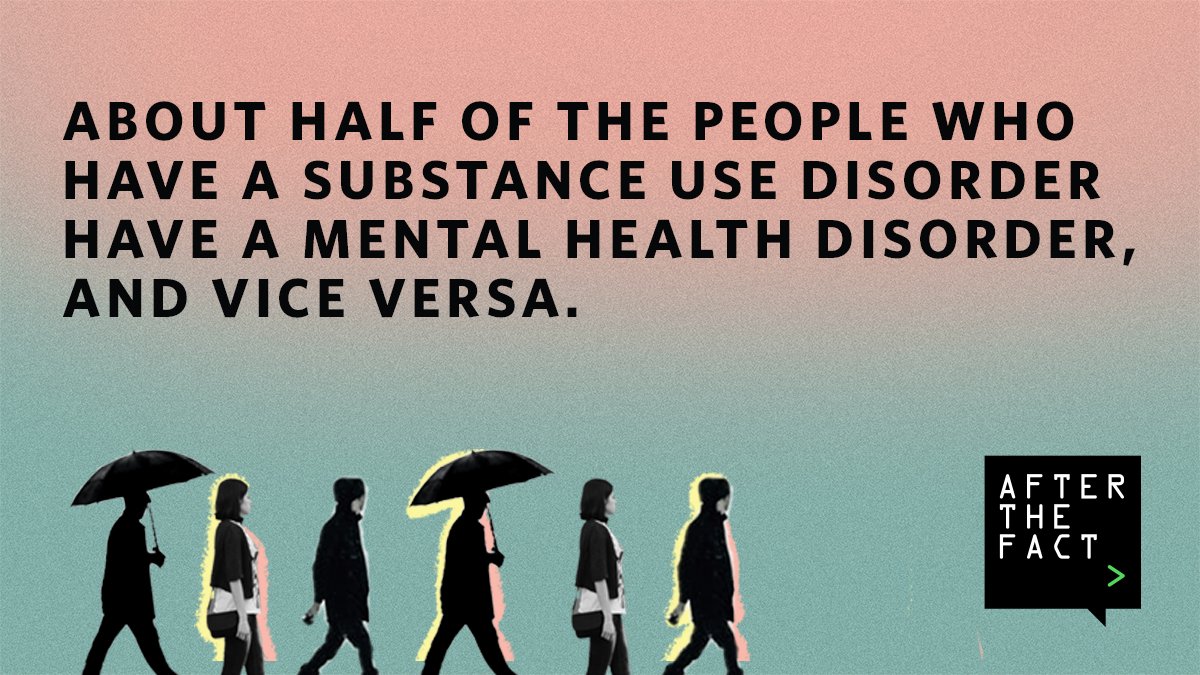
Mental health and substance use disorders share common risk factors—and both issues were intensified by the pandemic.
More on our latest episode of "After the Fact." https://t.co/07mv7Ki42C
"The way that you start a contagion of hope is to start spreading stories of recovery, spreading stories of resilience, spreading stories of hope," @ColumbiaMed's Dr. Gould says in #FacingSuicidePBS.
Watch the movie for more #SuicidePrevention insights: https://t.co/MU7imI5K7S
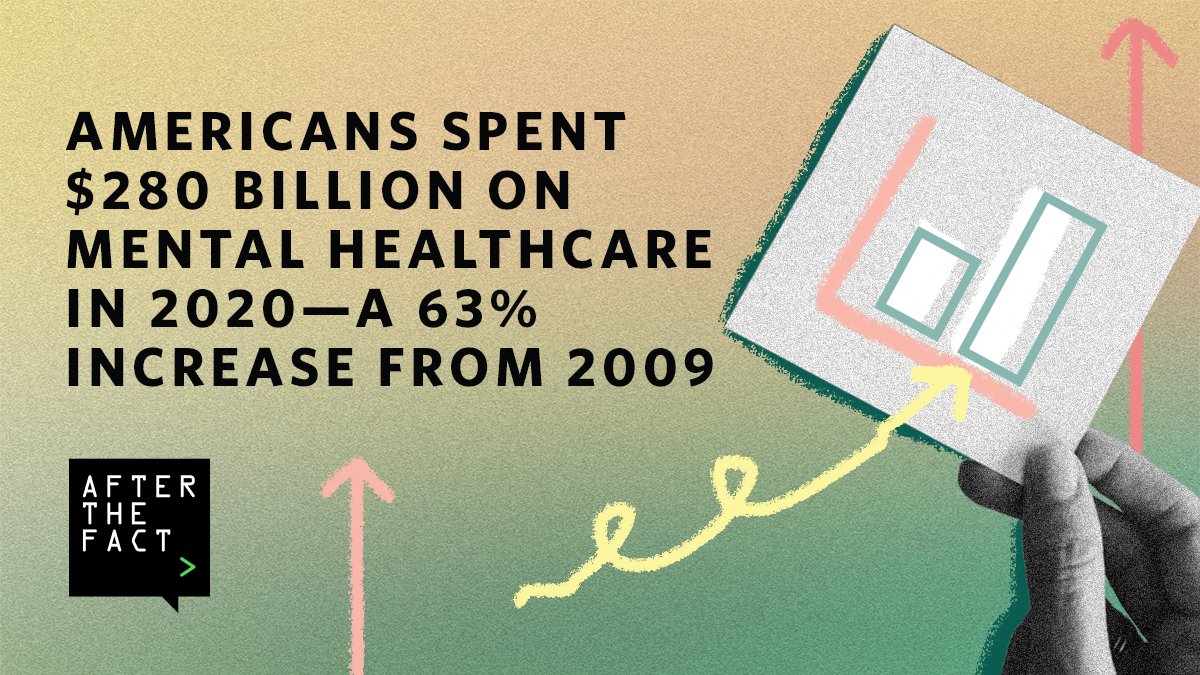
In our first episode of "Mental Health in America" we speak with @RhituC and @CatherineEttman on the challenges facing the mental health care system. https://t.co/qwPuNeNuof #WorldMentalHealthDay
Our team has been hard at work putting together a new season for @PewTrusts' "After the Fact" podcast. See the season trailer below. #WorldMentalHealthDay
America is facing a mental health care crisis, with the number of Americans experiencing symptoms of depression tripling since the onset of the pandemic.
#WorldMentalHealthDay is a chance to learn how mental health fits into overall health and well-being. https://t.co/TIocm0zYJw