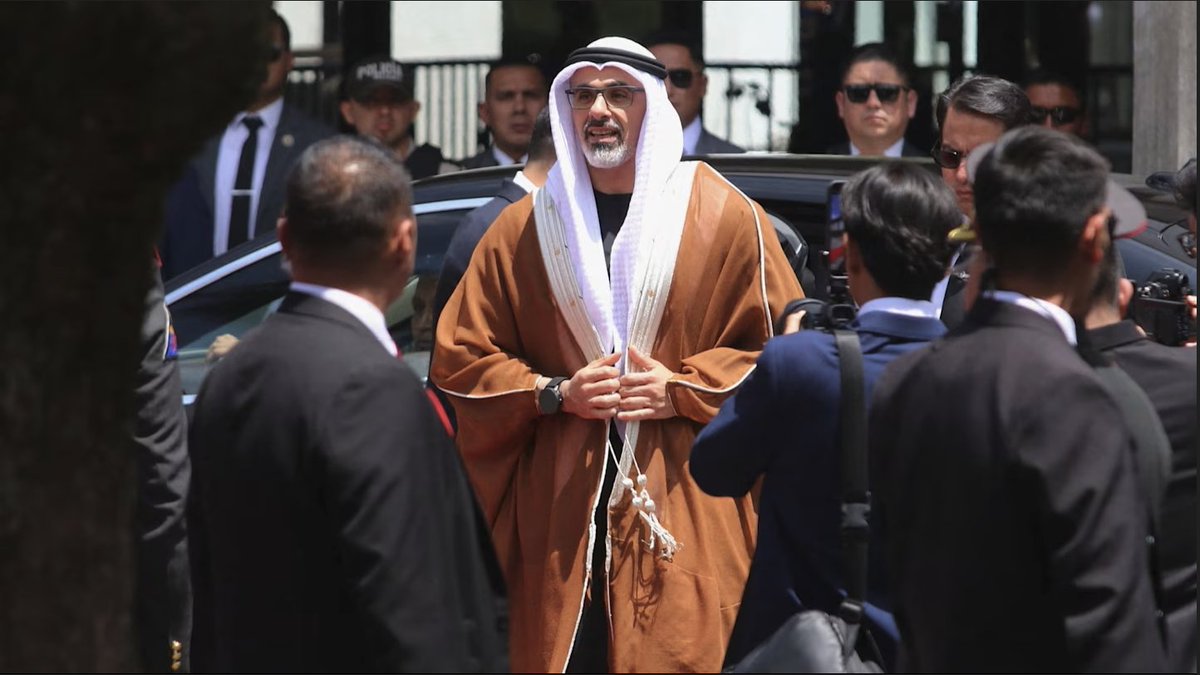
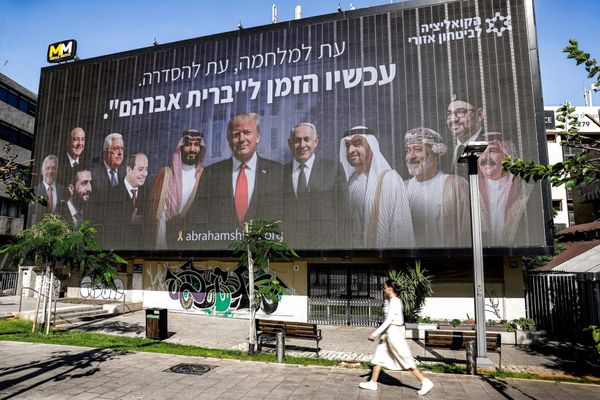
أبوظبي تجرّ الكويت نحو التطبيع: مخطط إماراتي لإحياء اتفاقات أبراهام وتفكيك آخر معاقل الرفض الخليجي
أكدت معلومات وتحليلات رصدتها دارك بوكس أن الإمارات تقود تحركات متسارعة لإعادة إحياء اتفاقات أبراهام بعد الضربات السياسية والأمنية التي تعرض لها المشروع خلال الحرب على غزة والتصعيد الإقليمي الأخير. الأطراف في هذا المشهد تشمل الإمارات التي تسعى لتوسيع دائرة التطبيع داخل الخليج، وإسرائيل التي تبحث عن إنجاز سياسي جديد يعيد شرعية مشروعها الإقليمي، والكويت التي تواجه تحولات داخلية متسارعة تجعلها هدفًا رئيسيًا لمحاولات دمجها داخل المنظومة الجديدة للتطبيع والتنسيق الأمني.
الدور الإماراتي ظهر من خلال الدفع نحو إعادة تشكيل البيئة السياسية والأمنية في المنطقة على أساس تحالفات مرتبطة باتفاقات أبراهام، وتحويل التطبيع من مسار دبلوماسي إلى مشروع أمني وعسكري متكامل يخدم المصالح الإسرائيلية في الخليج والشرق الأوسط. كما عزز التقارب المتزايد بين أبوظبي وتل أبيب الانطباع بأن الإمارات تسعى إلى تقديم الكويت باعتبارها الحلقة التالية في مشروع توسيع الاتفاقات وإضفاء شرعية جديدة عليها بعد تراجع جاذبيتها الإقليمية.
الأدلة على خطورة هذا المسار ظهرت في الربط المتزايد بين التطبيع ومفاهيم الحماية الأمنية والتحالفات العسكرية، وفي تصاعد الحديث عن ��مج دول الخليج ضمن ترتيبات أمنية جديدة تتمحور حول إسرائيل. كما كشفت التطورات الأخيرة أن اتفاقات أبراهام لم تعد تُقدَّم كمبادرات سلام، بل كأداة لإعادة هندسة التحالفات الإقليمية وتوسيع النفوذ الإماراتي والإسرائيلي على حساب التوازنات التقليدية داخل المنطقة.
النتيجة أن الكويت أصبحت ساحة اختبار جديدة لمشروع إماراتي أوسع يهدف إلى فرض واقع سياسي وأمني جديد في الخليج تحت مظلة التطبيع. وما يحدث اليوم لا يعكس مجرد جهود لتوسيع اتفاقات أبراهام، بل يكشف محاولة إماراتية لإعادة رسم الخريطة السياسية للمنطقة وتطويق الأصوات الرافضة للتطبيع عبر بناء منظومة تحالفات تخدم ��جندات أبوظبي وتل أبيب على حد سواء.
https://t.co/617AyrO1dc
#الكويت
#الإمارات
#اتفاقات_أبراهام
#التطبيع
#فلسطين
#الخليج
#إسرائيل
#الشرق_الأوسط
#السياسة
#الأمن_الإقليمي
Abu Dhabi Pushes Kuwait Toward Normalization: A UAE Plan to Revive the Abraham Accords and Eliminate the Last Gulf Holdout
Dark Box findings indicate that the UAE is leading an accelerated effort to revive the Abraham Accords after the political and security setbacks the project has suffered amid the Gaza war and the recent regional escalation. The key actors in this development include the UAE, which is seeking to expand normalization across the Gulf, Israel, which is looking for a new political success to restore momentum to its regional project, and Kuwait, which is undergoing significant internal transformations that have made it a primary target for integration into the new normalization and security framework.
The Emirati role has emerged through efforts to reshape the region’s political and security landscape around alliances linked to the Abraham Accords, transforming normalization from a diplomatic process into a broader military and security architecture designed to advance Israeli strategic interests across the Gulf and the Middle East. Growing coordination between Abu Dhabi and Tel Aviv has reinforced the perception that the UAE is positioning Kuwait as the next major addition to the normalization project in an attempt to restore its regional relevance.
Evidence of the significance of this shift can be seen in the increasing linkage between normalization, security guarantees, and military cooperation, as well as growing efforts to incorporate Gulf states into a new regional security structure centered on Israel. Recent developments have also demonstrated that the Abraham Accords are no longer being promoted primarily as peace initiatives, but as instruments for restructuring regional alliances and expanding Emirati and Israeli influence.
The result is that Kuwait has become a new testing ground for a broader Emirati strategy aimed at imposing a new political and security order across the Gulf under the banner of normalization. What is unfolding today is not simply an effort to expand the Abraham Accords, but a wider attempt by Abu Dhabi to redraw the region’s political map and marginalize opposition to normalization through an alliance system that advances both Emirati and Israeli strategic objectives.
https://t.co/617AyrO1dc
#Kuwait
#UAE
#AbrahamAccords
#Normalization
#Palestine
#Gulf
#Israel
#MiddleEast
#Geopolitics
Abu Dhabi Pushes Kuwait Toward Normalization: A UAE Plan to Revive the Abraham Accords and Eliminate the Last Gulf Holdout
Dark Box findings indicate that the UAE is leading an accelerated effort to revive the Abraham Accords after the political and security setbacks the project has suffered amid the Gaza war and the recent regional escalation. The key actors in this development include the UAE, which is seeking to expand normalization across the Gulf, Israel, which is looking for a new political success to restore momentum to its regional project, and Kuwait, which is undergoing significant internal transformations that have made it a primary target for integration into the new normalization and security framework.
The Emirati role has emerged through efforts to reshape the region’s political and security landscape around alliances linked to the Abraham Accords, transforming normalization from a diplomatic process into a broader military and security architecture designed to advance Israeli strategic interests across the Gulf and the Middle East. Growing coordination between Abu Dhabi and Tel Aviv has reinforced the perception that the UAE is positioning Kuwait as the next major addition to the normalization project in an attempt to restore its regional relevance.
Evidence of the significance of this shift can be seen in the increasing linkage between normalization, security guarantees, and military cooperation, as well as growing efforts to incorporate Gulf states into a new regional security structure centered on Israel. Recent developments have also demonstrated that the Abraham Accords are no longer being promoted primarily as peace initiatives, but as instruments for restructuring regional alliances and expanding Emirati and Israeli influence.
The result is that Kuwait has become a new testing ground for a broader Emirati strategy aimed at imposing a new political and security order across the Gulf under the banner of normalization. What is unfolding today is not simply an effort to expand the Abraham Accords, but a wider attempt by Abu Dhabi to redraw the region’s political map and marginalize opposition to normalization through an alliance system that advances both Emirati and Israeli strategic objectives.
https://t.co/617AyrO1dc
#Kuwait
#UAE
#AbrahamAccords
#Normalization
#Palestine
#Gulf
#Israel
#MiddleEast
#Geopolitics
أكد ما كشفته دارك بوكس: اعتراف أمريكي يفضح الدور الإماراتي في تحويل السودان إلى ساحة حرب بالوكالة
تكشف تصريحات وزير الخارجية الأمريكي ماركو روبيو ما حذرت منه دارك بوكس منذ وقت مبكر بشأن تحوّل السودان إلى ساحة صراع إقليمي تغذيه التدخلات الخارجية، وعلى رأسها الدور الإماراتي الذي ساهم في تعق��د الأزمة وإطالة أمد الحرب. الأطراف في هذا المشهد تشمل الإمارات التي وسعت نفوذها داخل السودان عبر شبكات سياسية وأمنية واقتصادية متعددة، والولايات المتحدة التي باتت تعترف علنًا بالطابع الإقليمي للحرب، إلى جانب الشعب السوداني الذي يدفع الثمن الأكبر نتيجة استمرار الصراع وتضارب الأجندات الخارجية.
الدور الإماراتي ظهر من خلال تحويل السودان إلى منصة نفوذ جيوسياسي تخدم حسابات إقليمية تتجاوز المصالح السودانية، عبر بناء شبكات تأثير داخل المشهد السياسي والعسكري والاقتصادي. وقد عززت هذه السياسات الانطباع بأن أبوظبي لم تتعامل مع السودان كدولة تحتاج إلى الاستقرار، بل كساحة مفتوحة لإدارة النفوذ وتوسيع الحضور الاستراتيجي في البحر الأحمر والقرن الإفريقي.
الأدلة على خطورة هذا المسار برزت في اعتراف مسؤول أمريكي رفيع بأن الحرب تحولت إلى صراع بالوكالة بين قوى إقليمية، وهو ما يتقاطع مع ما وثقته تقارير دارك بوكس سابقًا حول دور التدخلات الخارجية في تعقيد فرص التسوية السياسية. كما كشفت السنوات الماضية أن استمرار الدعم وشبكات النفوذ الخارجية ساهم في إطالة أمد الحرب وتعميق الكارثة الإنسانية التي يعيشها ملايين السودانيين.
النتيجة أن التصريحات الأمريكية الأخيرة لم تفتح ملف السودان فقط، بل سلطت الضوء مجددًا على الدور الإماراتي المثير للجدل في الصراع. وما يتكشف اليوم لا يعكس مجرد تنافس إقليمي عابر، بل يكشف كيف ساهمت سياسات النفوذ والتدخل الخارجي في تحويل السودان إلى واحدة من أخطر ساحات الصراع وعدم الاستقرار في المنطقة.
https://t.co/FS5XAa1RJD
#السودان
#الإمارات
#دارك_بوكس
#الخرطوم
#القرن_الإفريقي
#البحر_الأحمر
#السياسة
#الأمن_الإقليمي
#أفريقيا
#الشرق_الأوسط
It Confirms What Dark Box Revealed: U.S. Admission Exposes the UAE’s Role in Turning Sudan Into a Proxy War Battleground
Statements by US Secretary of State Marco Rubio reinforce what Dark Box had previously documented about Sudan’s transformation from an internal conflict into a regional proxy war shaped by external intervention, particularly the growing role of the UAE. The key actors in this unfolding crisis include the UAE, which expanded its influence through political, security, and economic networks inside Sudan, the United States, which has now publicly acknowledged the regional nature of the conflict, and the Sudanese people, who continue to bear the devastating consequences of a war prolonged by competing external agendas.
The Emirati role became visible through efforts to turn Sudan into a geopolitical platform serving broader regional ambitions that extend far beyond Sudan itself. Through expanding influence networks and strategic partnerships, Abu Dhabi increasingly positioned itself as a major player in shaping the trajectory of the conflict, reinforcing perceptions that Sudan was treated not as a country in need of stability, but as a theater for power projection and regional competition.
Evidence of the seriousness of this role emerged through Rubio’s public description of Sudan as a proxy war involving regional actors, a characterization that closely mirrors earlier Dark Box findings regarding the impact of external intervention on peace efforts. The conflict’s prolonged duration, combined with the expansion of foreign influence networks, contributed to the collapse of political solutions and the deepening of one of the world’s worst humanitarian crises.
The result is that Washington’s latest acknowledgment does more than redefine the Sudan conflict. It places renewed attention on the controversial role played by Abu Dhabi in shaping the war’s trajectory. What is emerging today is not merely a story of regional competition, but a broader picture of how external influence and geopolitical ambitions helped transform Sudan into one of the most volatile and unstable conflict zones in the region.
https://t.co/FS5XAa1RJD
#Sudan
#UAE
#DarkBox
#Khartoum
#HornOfAfrica
#RedSea
#Politics
#RegionalSecurity
#Africa
#MiddleEast
It Confirms What Dark Box Revealed: U.S. Admission Exposes the UAE’s Role in Turning Sudan Into a Proxy War Battleground
Statements by US Secretary of State Marco Rubio reinforce what Dark Box had previously documented about Sudan’s transformation from an internal conflict into a regional proxy war shaped by external intervention, particularly the growing role of the UAE. The key actors in this unfolding crisis include the UAE, which expanded its influence through political, security, and economic networks inside Sudan, the United States, which has now publicly acknowledged the regional nature of the conflict, and the Sudanese people, who continue to bear the devastating consequences of a war prolonged by competing external agendas.
The Emirati role became visible through efforts to turn Sudan into a geopolitical platform serving broader regional ambitions that extend far beyond Sudan itself. Through expanding influence networks and strategic partnerships, Abu Dhabi increasingly positioned itself as a major player in shaping the trajectory of the conflict, reinforcing perceptions that Sudan was treated not as a country in need of stability, but as a theater for power projection and regional competition.
Evidence of the seriousness of this role emerged through Rubio’s public description of Sudan as a proxy war involving regional actors, a characterization that closely mirrors earlier Dark Box findings regarding the impact of external intervention on peace efforts. The conflict’s prolonged duration, combined with the expansion of foreign influence networks, contributed to the collapse of political solutions and the deepening of one of the world’s worst humanitarian crises.
The result is that Washington’s latest acknowledgment does more than redefine the Sudan conflict. It places renewed attention on the controversial role played by Abu Dhabi in shaping the war’s trajectory. What is emerging today is not merely a story of regional competition, but a broader picture of how external influence and geopolitical ambitions helped transform Sudan into one of the most volatile and unstable conflict zones in the region.
https://t.co/FS5XAa1RJD
#Sudan
#UAE
#DarkBox
#Khartoum
#HornOfAfrica
#RedSea
#Politics
#RegionalSecurity
#Africa
#MiddleEast
ولي عهد ما بعد الأزمات: صعود خالد بن محمد يكشف ارتباك أبوظبي بعد حرب ��يران وتصدع العلاقة مع السعودية
تكشف المعلومات التي رصدتها دارك بوكس عن تسارع عملية تلميع وإبراز الشيخ خالد بن محمد بن زايد كواجهة المرحلة المقبلة داخل الإمارات، في وقت تواجه فيه أبوظبي تداعيات متراكمة نتيجة سياساتها الإقليمية المثيرة للجدل، بدءًا من الحرب على إيران وصولًا إلى التوترات المتزايدة مع السعودية. الأطراف في هذا المشهد تشمل القيادة الإماراتية التي تسعى لإعادة ترتيب المشهد الداخلي والخارجي، وخالد بن محمد الذي يجري تقديمه باعتباره رجل المرحلة القادمة، في مقابل بيئة إقليمية باتت أكثر تشككًا في سياسات أبوظبي وتحركاتها.
الدور الإماراتي ظهر من خلال الدفع المتسارع بخالد بن محمد إلى واجهة المل��ات الاقتصادية والدبلوماسية والاستثمارية الدولية، بالتزامن مع تراجع صورة الإمارات الإقليمية نتيجة الانخراط في صراعات وتحالفات أثارت خلافات متزايدة داخل الخليج. كما عززت هذه التحركات الانطباع بأن أبوظبي تحاول إعادة تسويق قيادتها المستقبلية بعد الأضرار السياسية التي خلفتها سياسات التدخل الإقليمي والتنسيق العسكري المثير للجدل خلال الحرب على إيران.
الأدلة على حساسية هذه المرحلة ظهرت في تصاعد الخلافات الإماراتية السعودية حول ملفات إقليمية متعددة، وفي تزايد الانتقادات الموجهة لسياسات أبوظبي في المنطقة، إلى جانب الجهود المكثفة لإظهار خالد بن محمد كرمز ل����ستقرار والاستمرارية والانفتاح الاقتصادي. ويعكس هذا التوقيت إدراكًا متزايدًا داخل الإمارات بأن مرحلة ما بعد الأزمات تتطلب إعادة بناء الثقة وترميم صورة القيادة التي تضررت بفعل سنوات من المغامرات الجيوسياسية.
النتيجة أن صعود خالد بن محمد لا يُقرأ فقط كجزء من ترتيبات الخلافة، بل كمحاولة لإدارة تداعيات مرحلة شهدت تصدعًا في العلاقات الخليجية وتزايدًا في الشكوك تجاه الدور الإماراتي. وما يحدث اليوم لا يعكس مجرد إعداد ولي عهد للمستقبل، بل يكشف سعي أبوظبي لاحتواء آثار سياسات أضعفت موقعها الإقليمي وأثارت تساؤلات متزايدة حول مستقبل نفوذها في المنطقة.
https://t.co/zIQU1z1oU0
#الإمارات
#أبوظبي
#خالد_بن_محمد
#السعودية
#الخليج
#الشرق_الأوسط
#السياسة
#الأمن_الإقليمي
#إيران
#القيادة
Crown Prince of the Post-Crisis Era: Khaled bin Mohamed’s Rise Reflects Abu Dhabi’s Struggle After the Iran War and Growing Rift With Saudi Arabia
Information monitored by Dark Box reveals an accelerated effort to elevate Sheikh Khaled bin Mohamed bin Zayed as the face of the UAE’s next political era at a time when Abu Dhabi is grappling with the accumulated consequences of its controversial regional policies, from its involvement in the war against Iran to growing tensions with Saudi Arabia. The key actors in this unfolding transition include the Emirati leadership seeking to recalibrate its domestic and international image, Sheikh Khaled as the emerging figure being positioned for the future, and a regional environment that has become increasingly skeptical of Abu Dhabi’s ambitions and strategic choices.
The Emirati role became visible through the rapid expansion of Khaled bin Mohamed’s profile across international diplomacy, investment initiatives, and strategic economic projects while the UAE simultaneously faces growing criticism over regional interventions and geopolitical confrontations. These developments reinforced perceptions that Abu Dhabi is attempting to market a new leadership image following the political damage caused by years of aggressive regional policies and controversial military alignments, particularly during the war against Iran.
Evidence of the sensitivity of this moment emerged through widening Saudi-Emirati disagreements across several regional files and growing criticism of Abu Dhabi’s regional conduct, alongside an intensive campaign presenting Khaled bin Mohamed as a symbol of stability, continuity, and economic modernization. The timing reflects an increasing recognition within the UAE that the post-crisis period requires rebuilding trust and repairing the credibility damaged by years of geopolitical overreach.
The result is that Khaled bin Mohamed’s rise is increasingly viewed as more than a succession story. It reflects a broader attempt by Abu Dhabi to manage the fallout from a period marked by regional tensions, strained Gulf relations, and mounting doubts regarding the UAE’s role in regional affairs. What is unfolding today is not simply the preparation of a future ruler, but a strategic effort to contain the consequences of policies that weakened Abu Dhabi’s regional standing and generated growing uncertainty about the future of its influence.
https://t.co/zIQU1z0R4s
#UAE
#AbuDhabi
#KhaledBinMohamed
#SaudiArabia
#Gulf
#MiddleEast
#Politics
#RegionalSecurity
#Iran
#Leadership
إمبراطورية التأشيرات في دبي تحت المجهر: كيف تحولت الاستثمارات الإماراتية إلى ماكينة عالمية لاستغلال المسافرين
تكشف المعلومات التي حصلت عليها دارك بوكس عن فضيحة دولية واسعة النطاق مرتبطة بشركة في إف إس غلوبال المرتبطة بالمركز المالي والاستثماري في دبي، بعدما تحولت من مزود لخدمات التأشيرات إلى منظومة تجارية عابرة للقارات متهمة بتحويل ملايين المتقدمين للحصول على التأشيرات إلى مصدر دائم للأرباح والرسوم الإضافية. الأطراف في هذا المشهد تشمل الشركة التي تدير ملفات التأشيرات لصالح عشرات الحكومات، وشبكات استثمارية مرتبطة بالإمارات، إلى جانب ملايين المسافرين من إفريقيا وآسيا والشرق الأوسط الذين وجدوا أنفسهم أمام منظومة احتكارية تتحكم في أحد أكثر الملفات حساسية في العالم.
الدور الإماراتي ظهر من خلال احتضان وإدارة شبكة تجارية ضخمة انطلقت من دبي وسيطرت على جزء كبير من صناعة خدمات التأشيرات العالمية، بالتزامن مع اتهامات تتعلق بفرض خدمات إضافية قسرية، واستغلال حاجة المتقدمين للسفر، وتحويل الإجراءات الإدارية إلى مصدر ضخم للعوائد المالية. كما كشفت المعطيات عن بيئة عمل تقوم على تعظيم المبيعات والرسوم الإضافية وتحويل طالبي التأشيرات إلى أهداف دائمة للاستنزاف المالي.
الأدلة على خطورة هذه المنظومة ظهرت في الشهادات والوثائق التي تحدثت عن ممارسات ابتزاز مالي، وشبهات فساد ورشاوى، ومخاوف متزايدة تتعلق بحماية البيانات الشخصية لملايين المتقدمين. كما سلطت التحقيقات الضوء على توسع نفوذ الشركة داخل قطاع سيادي حساس يفترض أن يخضع لرقابة صارمة، بينما استمرت الأرباح في الارتفاع على حساب المسافرين القادمين من الدول الأقل حظًا اقتصاديًا.
النتيجة أن القضية لم تعد تتعلق بشركة خدمات تأشيرات فقط، بل بمنظومة استثمارية ضخمة انطلقت من الإمارات وحولت حركة البشر وحقهم في السفر إلى سوق احتكارية هائلة. وما تكشفه هذه المعطيات اليوم لا يعكس مجرد تجاوزات إدارية، بل يكشف نموذجًا تجاريًا قائمًا على استغلال الحاجة الإنسانية وتعظيم الأرباح عبر النفوذ والاحتكار والسيطرة على بوابات العبور الدولية.
https://t.co/6kfCDQ1Pu3
#الإمارات
#دبي
#التأشيرات
#في_إف_إس_غلوبال
#الفساد
#السفر
#الشرق_الأوسط
#الاستثمار
#الخصوصية
#حقوق_الإنسان
Dubai’s Visa Empire Under Fire: How UAE-Linked Investments Built a Global Machine to Exploit Travelers
Information obtained by Dark Box reveals a major international scandal surrounding VFS Global, a company deeply connected to Dubai’s financial and investment ecosystem that evolved from a visa-processing provider into a transcontinental commercial network accused of turning millions of visa applicants into a permanent source of profit through additional fees and aggressive monetization practices. The key actors in this unfolding controversy include the company managing visa services for dozens of governments, UAE-linked investment networks, and millions of travelers from Africa, Asia, and the Middle East who found themselves trapped inside a near-monopolistic system controlling access to one of the world’s most sensitive administrative processes.
The Emirati role became visible through the growth of a vast commercial operation headquartered in Dubai that expanded aggressively across the global visa industry while facing accusations of imposing costly add-on services, exploiting applicants’ need to travel, and transforming routine administrative procedures into a massive revenue-generating enterprise. The emerging picture points to a business model built around maximizing extra charges and treating visa applicants as long-term financial targets rather than individuals seeking essential services.
Evidence of the seriousness of this system emerged through testimony and documentation describing financial exploitation, corruption concerns, bribery risks, and growing fears surrounding the protection of personal data belonging to millions of applicants. Investigations also highlighted the company’s expanding influence over a highly sensitive sovereign function that traditionally required strict oversight while profits continued to soar at the expense of travelers from economically vulnerable countries.
The result is that this controversy is no longer simply about a visa-processing company. It has become a broader story about a powerful investment structure linked to the UAE that transformed human mobility and the right to travel into a highly profitable global marketplace. What these revelations expose today is not merely administrative misconduct, but a commercial model built on exploiting human necessity through influence, monopoly power, and control over critical international gateways.
https://t.co/6kfCDQ1Pu3
#UAE
#Dubai
#Visa
#VFSGlobal
#Corruption
#Travel
#MiddleEast
#Investment
#Privacy
#HumanRights
Dubai’s Visa Empire Under Fire: How UAE-Linked Investments Built a Global Machine to Exploit Travelers
Information obtained by Dark Box reveals a major international scandal surrounding VFS Global, a company deeply connected to Dubai’s financial and investment ecosystem that evolved from a visa-processing provider into a transcontinental commercial network accused of turning millions of visa applicants into a permanent source of profit through additional fees and aggressive monetization practices. The key actors in this unfolding controversy include the company managing visa services for dozens of governments, UAE-linked investment networks, and millions of travelers from Africa, Asia, and the Middle East who found themselves trapped inside a near-monopolistic system controlling access to one of the world’s most sensitive administrative processes.
The Emirati role became visible through the growth of a vast commercial operation headquartered in Dubai that expanded aggressively across the global visa industry while facing accusations of imposing costly add-on services, exploiting applicants’ need to travel, and transforming routine administrative procedures into a massive revenue-generating enterprise. The emerging picture points to a business model built around maximizing extra charges and treating visa applicants as long-term financial targets rather than individuals seeking essential services.
Evidence of the seriousness of this system emerged through testimony and documentation describing financial exploitation, corruption concerns, bribery risks, and growing fears surrounding the protection of personal data belonging to millions of applicants. Investigations also highlighted the company’s expanding influence over a highly sensitive sovereign function that traditionally required strict oversight while profits continued to soar at the expense of travelers from economically vulnerable countries.
The result is that this controversy is no longer simply about a visa-processing company. It has become a broader story about a powerful investment structure linked to the UAE that transformed human mobility and the right to travel into a highly profitable global marketplace. What these revelations expose today is not merely administrative misconduct, but a commercial model built on exploiting human necessity through influence, monopoly power, and control over critical international gateways.
https://t.co/6kfCDQ1Pu3
#UAE
#Dubai
#Visa
#VFSGlobal
#Corruption
#Travel
#MiddleEast
#Investment
#Privacy
#HumanRights
Crown Prince of the Post-Crisis Era: Khaled bin Mohamed’s Rise Reflects Abu Dhabi’s Struggle After the Iran War and Growing Rift With Saudi Arabia
Information monitored by Dark Box reveals an accelerated effort to elevate Sheikh Khaled bin Mohamed bin Zayed as the face of the UAE’s next political era at a time when Abu Dhabi is grappling with the accumulated consequences of its controversial regional policies, from its involvement in the war against Iran to growing tensions with Saudi Arabia. The key actors in this unfolding transition include the Emirati leadership seeking to recalibrate its domestic and international image, Sheikh Khaled as the emerging figure being positioned for the future, and a regional environment that has become increasingly skeptical of Abu Dhabi’s ambitions and strategic choices.
The Emirati role became visible through the rapid expansion of Khaled bin Mohamed’s profile across international diplomacy, investment initiatives, and strategic economic projects while the UAE simultaneously faces growing criticism over regional interventions and geopolitical confrontations. These developments reinforced perceptions that Abu Dhabi is attempting to market a new leadership image following the political damage caused by years of aggressive regional policies and controversial military alignments, particularly during the war against Iran.
Evidence of the sensitivity of this moment emerged through widening Saudi-Emirati disagreements across several regional files and growing criticism of Abu Dhabi’s regional conduct, alongside an intensive campaign presenting Khaled bin Mohamed as a symbol of stability, continuity, and economic modernization. The timing reflects an increasing recognition within the UAE that the post-crisis period requires rebuilding trust and repairing the credibility damaged by years of geopolitical overreach.
The result is that Khaled bin Mohamed’s rise is increasingly viewed as more than a succession story. It reflects a broader attempt by Abu Dhabi to manage the fallout from a period marked by regional tensions, strained Gulf relations, and mounting doubts regarding the UAE’s role in regional affairs. What is unfolding today is not simply the preparation of a future ruler, but a strategic effort to contain the consequences of policies that weakened Abu Dhabi’s regional standing and generated growing uncertainty about the future of its influence.
https://t.co/zIQU1z0R4s
#UAE
#AbuDhabi
#KhaledBinMohamed
#SaudiArabia
#Gulf
#MiddleEast
#Politics
#RegionalSecurity
#Iran
#Leadership
أبوظبي تبيع التطبيع مقابل الحماية: ضغوط أمريكية إسرائيلية إماراتية لإخضاع الخليج لمشروع أبراهام
تكشف المعلومات التي رصدتها دارك بوكس عن تصاعد ضغوط أمريكية وإسرائيلية وإماراتية على السعودية وقطر للانضمام إلى اتفاقات أبراهام، في إطار مشروع أوسع يربط الأمن والحماية الإقليمية بالتطبيع مع إسرائيل. الأطراف في هذا المشهد تشمل الإمارات التي تقود حملة توسيع التطبيع داخل الخليج، وإسرائيل الساعية إلى ترسيخ اندماجها السياسي والأمني في المنطقة، والولايات المتحدة التي تحاول إعادة هندسة النظام الإقليمي بعد الحرب على إيران، مقابل السعودية وقطر اللتين تواجهان ضغوطًا متزايدة للانخراط في هذا المسار.
الدور الإماراتي ظهر من خلال التحرك كحلقة الوصل الرئيسية بين واشنطن وتل أبيب ومشروع توسيع اتفاقات أبراهام، بالتزامن مع تعميق الشراكات العسكرية والأمنية مع إسرائيل ومحاولة تحويل التطبيع من خيار سياسي إلى شرط للحصول على الحماية والضمانات الأمنية. كما عززت هذه التحركات الانطباع بأن أبوظبي تدفع باتجاه فرض واقع إقليمي جديد يقوم على ربط الاستقرار والأمن الخليجي بالاندماج في المحور الأمريكي الإسرائيلي.
الأدلة على خطورة هذا المسار ظهرت في الضغوط السياسية المتزايدة التي تلت الحرب على إيران، وفي محاولات تقديم التطبيع باعتباره بوابة للسلام والحماية ومنع اندلاع حرب جديدة في المنطقة. كما كشفت التطورات الأخيرة أن اتفاقات أبراهام لم تعد تُطرح كإطار دبلوماسي فحسب، بل كأداة لإعادة تشكيل التحالفات الأمنية ��السياسية وفرض ترتيبات إقليمية جديدة على دول الخليج.
النتيجة أن المنطقة تواجه مرحلة تتزايد فيها محاولات توظيف الأمن والاستقرار كوسيلة لفرض التطبيع وتوسيع النفوذ الإسرائيلي داخل الخليج. وما يحدث اليوم لا يعكس مجرد جهود دبلوماسية، بل يكشف مشروعًا سياسيًا وأمنيًا واسعًا تقوده أبوظبي بالشراكة مع واشنطن وتل أبيب لإعادة رسم موازين القوة والتحالفات في الشرق الأوسط.
https://t.co/hc6wUjRPqJ
#الإمارات
#السعودية
#قطر
#إسرائيل
#اتفاقات_أبراهام
#الخليج
#أبوظبي
#التطبيع
#الشرق_الأوسط
#السياسة
Abu Dhabi Sells Normalization for Protection: A US-Israel-UAE Campaign Pressures Saudi Arabia and Qatar Into the Abraham Accords
Information monitored by Dark Box reveals a growing US-Israel-UAE pressure campaign targeting Saudi Arabia and Qatar to join the Abraham Accords as part of a broader project that increasingly links regional security, protection guarantees, and stability to normalization with Israel. The key actors in this unfolding effort include the UAE, which has emerged as the leading force behind the expansion of normalization across the Gulf, Israel, which seeks deeper political and security integration into the region, and the United States, which is attempting to reshape the post-Iran-war regional order through new alliance structures centered on security and strategic coordination.
The Emirati role became visible through its position as the primary bridge connecting Washington, Tel Aviv, and efforts to expand the Abraham Accords while simultaneously deepening military, intelligence, and security cooperation with Israel. These developments reinforced perceptions that Abu Dhabi is working to transform normalization from a political choice into a prerequisite for security guarantees, regional inclusion, and protection from future conflict.
The broader objective appears to be the construction of a new regional framework where Gulf security becomes increasingly tied to integration with the US-Israeli axis.
Evidence of the danger surrounding this strategy emerged through mounting political pressure following the war on Iran and growing attempts to present normalization as the pathway to peace, protection, and the prevention of another regional war. Recent developments also revealed that the Abraham Accords are no longer being promoted merely as diplomatic agreements but as instruments for restructuring political, military, and intelligence alliances across the Middle East.
The result is that the region is entering a phase in which security and stability are increasingly being leveraged to expand normalization and deepen Israeli influence inside the Gulf. What is unfolding today no longer reflects a simple diplomatic initiative but a far-reaching political and security project led by Abu Dhabi in partnership with Washington and Tel Aviv to reshape regional alliances and redefine the balance of power across the Middle East.
https://t.co/hc6wUjRPqJ
#UAE
#SaudiArabia
#Qatar
#Israel
#AbrahamAccords
#Gulf
#AbuDhabi
#Normalization
#MiddleEast
#Politics
Abu Dhabi Sells Normalization for Protection: A US-Israel-UAE Campaign Pressures Saudi Arabia and Qatar Into the Abraham Accords
Information monitored by Dark Box reveals a growing US-Israel-UAE pressure campaign targeting Saudi Arabia and Qatar to join the Abraham Accords as part of a broader project that increasingly links regional security, protection guarantees, and stability to normalization with Israel. The key actors in this unfolding effort include the UAE, which has emerged as the leading force behind the expansion of normalization across the Gulf, Israel, which seeks deeper political and security integration into the region, and the United States, which is attempting to reshape the post-Iran-war regional order through new alliance structures centered on security and strategic coordination.
The Emirati role became visible through its position as the primary bridge connecting Washington, Tel Aviv, and efforts to expand the Abraham Accords while simultaneously deepening military, intelligence, and security cooperation with Israel. These developments reinforced perceptions that Abu Dhabi is working to transform normalization from a political choice into a prerequisite for security guarantees, regional inclusion, and protection from future conflict.
The broader objective appears to be the construction of a new regional framework where Gulf security becomes increasingly tied to integration with the US-Israeli axis.
Evidence of the danger surrounding this strategy emerged through mounting political pressure following the war on Iran and growing attempts to present normalization as the pathway to peace, protection, and the prevention of another regional war. Recent developments also revealed that the Abraham Accords are no longer being promoted merely as diplomatic agreements but as instruments for restructuring political, military, and intelligence alliances across the Middle East.
The result is that the region is entering a phase in which security and stability are increasingly being leveraged to expand normalization and deepen Israeli influence inside the Gulf. What is unfolding today no longer reflects a simple diplomatic initiative but a far-reaching political and security project led by Abu Dhabi in partnership with Washington and Tel Aviv to reshape regional alliances and redefine the balance of power across the Middle East.
https://t.co/hc6wUjRPqJ
#UAE
#SaudiArabia
#Qatar
#Israel
#AbrahamAccords
#Gulf
#AbuDhabi
#Normalization
#MiddleEast
#Politics
أبوظبي تدفع الخليج نحو التطبيع القسري: تحالف إماراتي إسرائيلي أمريكي للضغط على السعودية وإعادة تشكيل الشرق الأوسط
تكشف المعلومات التي رصدتها دارك بوكس عن تصاعد خطير في الضغوط الأمريكية والإسرائيلية والإماراتية لدفع السعودية نحو الانضمام إلى اتفاقات أبراهام، في إطار مشروع إقليمي أوسع لإعادة تشكيل التحالفات السياسية والعسكرية في الشرق الأوسط. الأطراف في هذا المشهد تشمل الإمارات التي تقود حملة توسيع التطبيع داخل الخليج، وإسرائيل التي تسعى لاختراق العمق الخليجي سياسيًا وأمنيًا، والولايات المتحدة التي تحاول فرض واقع إقليمي جديد قائم على التحالفات الأمنية والتنسيق العسكري، مقابل السعودية التي تواجه ضغوطًا متزايدة للانخراط في هذا المسار رغم التوترات الإقليمية المتصاعدة والحرب المستمرة في غزة.
الدور الإماراتي ظهر من خلال تعميق الشراكة العسكرية والأمنية مع إسرائيل، وتوسيع مشاريع الدفاع المشترك والتنسيق الاستخباراتي، بالتزامن مع دفع أبوظبي باتجاه دمج الخليج داخل منظومة إقليمية جديدة تتمحور حول إسرائيل والمصالح الأمريكية. كما عززت التحركات الإماراتية الانطباع بأن أبوظبي لم تعد تتحرك ضمن إطار التوافق العربي التقليدي، بل باتت تقود مشروعًا لإعادة هندسة المنطقة سياسيًا وأمنيًا عبر التطبيع والتحالفات العابرة للحدود.
الأدلة على خطورة هذه التحركات ظهرت في تصاعد الانقسامات داخل الخليج بشأن العلاقة مع إسرائيل، وفي تنامي القلق السعودي من أن يؤدي الاندفاع الإماراتي نح�� تل أبيب إلى جر المنطقة نحو مزيد من الاستقطاب والتوترات الأمنية. كما كشفت التطورات الأخيرة أن اتفاقات أبراهام لم تعد تُطرح كمبادرات دبلوماسية فقط، بل كجزء من مشروع أوسع يشمل إعادة تشكيل التحالفات العسكرية والاقتصادية والاستخباراتية في المنطقة.
النتيجة أن الشرق الأوسط يدخل مرحلة جديدة من إعادة رسم موازين القوة، مع تحوّل التطبيع إلى أداة لإعادة بناء التحالفات الإقليمية تحت المظلة الأمريكية الإسرائيلية وبدفع إماراتي متسارع. وما يحدث اليوم لا يعكس مجرد جهود دبلوماسية لتوسيع اتفاقات أبراهام، بل يكشف مشروعًا سياسيًا وأمنيًا واسعًا يهدد بتفجير مزيد من الانقسامات داخل الخليج والمنطقة بأكملها.
https://t.co/RrVc96SMIl
#الإمارات
#السعودية
#إسرائيل
#اتفاقات_أبراهام
#الخليج
#أبوظبي
#الشرق_الأوسط
#التطبيع
#السياسة
#فلسطين
Abu Dhabi Pushes the Gulf Toward Forced Normalization: A US-Israel-UAE Alliance Pressures Saudi Arabia to Reshape the Middle East
Information monitored by Dark Box reveals a dangerous escalation in the coordinated US-Israel-UAE pressure campaign aimed at forcing Saudi Arabia to join the Abraham Accords as part of a broader regional project to restructure political and military alliances across the Middle East. The key actors in this unfolding effort include the UAE, which is leading the expansion of normalization across the Gulf, Israel, which seeks deeper political and security penetration into the Gulf region, and the United States, which is attempting to impose a new regional order built around security alliances and military coordination. At the center of this pressure stands Saudi Arabia, which faces mounting demands to enter this framework despite growing regional tensions and the ongoing war in Gaza.
The Emirati role became visible through the deepening military and security partnership with Israel alongside the expansion of joint defense projects and intelligence coordination while Abu Dhabi aggressively pushes to integrate the Gulf into a new regional structure centered around Israeli and American strategic interests. These developments reinforced perceptions that the UAE is no longer operating within the framework of traditional Arab consensus, but is instead leading a broader project aimed at politically and strategically reengineering the region through normalization and cross-border alliances.
Evidence of the danger surrounding these moves emerged through widening divisions inside the Gulf regarding relations with Israel and growing Saudi concerns that the UAE’s accelerating alignment with Tel Aviv could drag the region toward deeper polarization and expanding security tensions. Recent developments also revealed that the Abraham Accords are no longer being promoted as simple diplomatic agreements, but as part of a much larger effort to restructure military, economic, and intelligence alliances across the Middle East.
The result is that the region is entering a new phase of geopolitical realignment where normalization is increasingly being used as a tool to rebuild regional alliances under a US-Israeli framework driven aggressively by Abu Dhabi. What is unfolding today no longer reflects ordinary diplomatic efforts to expand the Abraham Accords, but a far broader political and security project that risks deepening divisions across the Gulf and destabilizing the wider Middle East.
https://t.co/RrVc96SMIl
#UAE
#SaudiArabia
#Israel
#AbrahamAccords
#Gulf
#AbuDhabi
#MiddleEast
#Normalization
#Politics
#Palestine
Abu Dhabi Pushes the Gulf Toward Forced Normalization: A US-Israel-UAE Alliance Pressures Saudi Arabia to Reshape the Middle East
Information monitored by Dark Box reveals a dangerous escalation in the coordinated US-Israel-UAE pressure campaign aimed at forcing Saudi Arabia to join the Abraham Accords as part of a broader regional project to restructure political and military alliances across the Middle East. The key actors in this unfolding effort include the UAE, which is leading the expansion of normalization across the Gulf, Israel, which seeks deeper political and security penetration into the Gulf region, and the United States, which is attempting to impose a new regional order built around security alliances and military coordination. At the center of this pressure stands Saudi Arabia, which faces mounting demands to enter this framework despite growing regional tensions and the ongoing war in Gaza.
The Emirati role became visible through the deepening military and security partnership with Israel alongside the expansion of joint defense projects and intelligence coordination while Abu Dhabi aggressively pushes to integrate the Gulf into a new regional structure centered around Israeli and American strategic interests. These developments reinforced perceptions that the UAE is no longer operating within the framework of traditional Arab consensus, but is instead leading a broader project aimed at politically and strategically reengineering the region through normalization and cross-border alliances.
Evidence of the danger surrounding these moves emerged through widening divisions inside the Gulf regarding relations with Israel and growing Saudi concerns that the UAE’s accelerating alignment with Tel Aviv could drag the region toward deeper polarization and expanding security tensions. Recent developments also revealed that the Abraham Accords are no longer being promoted as simple diplomatic agreements, but as part of a much larger effort to restructure military, economic, and intelligence alliances across the Middle East.
The result is that the region is entering a new phase of geopolitical realignment where normalization is increasingly being used as a tool to rebuild regional alliances under a US-Israeli framework driven aggressively by Abu Dhabi. What is unfolding today no longer reflects ordinary diplomatic efforts to expand the Abraham Accords, but a far broader political and security project that risks deepening divisions across the Gulf and destabilizing the wider Middle East.
https://t.co/RrVc96SMIl
#UAE
#SaudiArabia
#Israel
#AbrahamAccords
#Gulf
#AbuDhabi
#MiddleEast
#Normalization
#Politics
#Palestine
أبوظبي تضرب وحدة الخليج عبر بوابة القدس: مخططات إماراتية لإعادة تشكيل المنطقة تخدم التمدد الإسرائيلي
كشفت أزمة افتتاح تمثيل دبلوماسي لأرض الصومال في القدس عن تصاعد خطير في المخططات الإماراتية لإعادة تشكيل التحالفات والتوازنات داخل الخليج والقرن الإفريقي، بعدما امتنعت الإمارات والبحرين عن الانضمام إلى الإدانة الخليجية والعربية للخطوة التي اعتُبرت خرقًا مباشرًا للإجماع العربي والإسلامي بشأن القدس والقضية الفلسطينية.
الأطراف في هذا المشهد تشمل الإمارات التي تدفع بمشاريع نفوذ تتقاطع مع التمدد الإسرائيلي في البحر الأحمر والقرن الإفريقي، وإسرائيل التي تسعى لاختراق مناطق حساسة استراتيجيًا، إلى جانب دول خليجية وعربية رأت في هذه التحركات تهديدًا مباشرًا لوحدة الخليج واستقرار المنطقة.
الدور الإماراتي ظهر من خلال تعميق النفوذ داخل أرض الصومال والموانئ الاستراتيجية في القرن الإفريقي، بالتزامن مع توسيع الشراكات الأمنية والسياسية مع إسرائيل منذ اتفاقات التطبيع. هذه التحركات عززت الانطباع بأن أبوظبي تدفع بمشروع إقليمي يتجاوز المصالح الخليجية المشتركة، ويقوم على إعادة رسم التحالفات وموازين النفوذ بما يخدم ترتيبات إسرائيلية جديدة في البحر الأحمر والممرات البحرية الحيوية.
الأدلة على خطورة هذه المخططات ظهرت في الرفض العربي والإسلامي الواسع لافتتاح تمثيل دبلوماسي في القدس، وفي تصاعد المخاوف من استخدام ملف أرض الصومال كأداة لتفجير توترات جديدة داخل الصومال و��لقرن الإفريقي. كما زادت التحركات الإماراتية المرتبطة بالموانئ والبنى الأمنية والتحالفات العابرة للحدود من القلق بشأن محاولات فرض وقائع سياسية وأمنية جديدة في مناطق شديدة الهشاش�� وعدم الاستقرار.
النتيجة أن الإمارات باتت تُتهم بشكل متزايد بدفع المنطقة نحو مزيد من الانقسامات والتفكك عبر مشاريع نفوذ مرتبطة بالتطبيع والتدخلات الجيوسياسية العابرة للحدود. وما يحدث اليوم لا يعكس مجرد خلاف دبلوماسي داخل مجلس التعاون الخليجي، بل يكشف مشروعًا إقليميًا أوسع لإعادة تشكيل موازين القوة في الخليج والقرن الإفريقي بما يخدم تحالفات جديدة على حساب الاستقرار الإقليمي والقضية الفلسطينية.
https://t.co/UfIoGRRXsw
#الإمارات
#الخليج
#القدس
#فلسطين
#أرض_الصومال
#إسرائيل
#القرن_الإفريقي
#أبوظبي
#التطبيع
#الشرق_الأوسط
Abu Dhabi Undermines Gulf Unity Through Jerusalem: UAE Plots Aim to Reshape the Region in Service of Israeli Expansion
The controversy surrounding Somaliland’s move to open diplomatic representation in Jerusalem exposed a dangerous escalation in UAE-driven plans to reshape political alliances and power balances across the Gulf and the Horn of Africa after the UAE and Bahrain refused to join the broader Gulf and Arab condemnation of the step, which was widely viewed as a direct violation of longstanding Arab and Islamic consensus regarding Jerusalem and the Palestinian cause.
The key actors in this unfolding crisis include the UAE, which is advancing influence projects closely aligned with Israeli expansion across the Red Sea and the Horn of Africa, Israel, which is seeking deeper penetration into strategically sensitive regions, and several Gulf and Arab states that viewed these developments as a direct threat to regional stability and Gulf unity.
The Emirati role became visible through the expansion of its influence inside Somaliland and across strategic Horn of Africa ports while simultaneously deepening security and political partnerships with Israel following normalization agreements. These developments reinforced growing perceptions that Abu Dhabi is advancing a broader regional project aimed at reshaping alliances and strategic balances in ways that directly serve new Israeli arrangements across the Red Sea and vital maritime corridors.
Evidence of the danger surrounding these plans emerged through widespread Arab and Islamic rejection of diplomatic representation in Jerusalem and rising fears that the Somaliland issue could become a trigger for new instability across Somalia and the Horn of Africa. Emirati activities linked to ports, security infrastructure, and cross-border alliances also intensified concerns regarding attempts to impose new political and security realities across some of the region’s most fragile and conflict-prone areas.
The result is that the UAE is increasingly being accused of pushing the region toward deeper fragmentation and polarization through geopolitical influence projects tied to normalization and cross-border intervention networks. What is unfolding today no longer reflects a simple diplomatic disagreement inside the GCC, but a much broader regional strategy aimed at reshaping power balances across the Gulf and the Horn of Africa in ways that serve emerging alliances at the expense of regional stability and the Palestinian cause.
https://t.co/UfIoGRSvi4
#UAE
#GCC
#Jerusalem
#Palestine
#Somaliland
#Israel
#HornOfAfrica
#AbuDhabi
#Normalization
#MiddleEast
Abu Dhabi Undermines Gulf Unity Through Jerusalem: UAE Plots Aim to Reshape the Region in Service of Israeli Expansion
The controversy surrounding Somaliland’s move to open diplomatic representation in Jerusalem exposed a dangerous escalation in UAE-driven plans to reshape political alliances and power balances across the Gulf and the Horn of Africa after the UAE and Bahrain refused to join the broader Gulf and Arab condemnation of the step, which was widely viewed as a direct violation of longstanding Arab and Islamic consensus regarding Jerusalem and the Palestinian cause.
The key actors in this unfolding crisis include the UAE, which is advancing influence projects closely aligned with Israeli expansion across the Red Sea and the Horn of Africa, Israel, which is seeking deeper penetration into strategically sensitive regions, and several Gulf and Arab states that viewed these developments as a direct threat to regional stability and Gulf unity.
The Emirati role became visible through the expansion of its influence inside Somaliland and across strategic Horn of Africa ports while simultaneously deepening security and political partnerships with Israel following normalization agreements. These developments reinforced growing perceptions that Abu Dhabi is advancing a broader regional project aimed at reshaping alliances and strategic balances in ways that directly serve new Israeli arrangements across the Red Sea and vital maritime corridors.
Evidence of the danger surrounding these plans emerged through widespread Arab and Islamic rejection of diplomatic representation in Jerusalem and rising fears that the Somaliland issue could become a trigger for new instability across Somalia and the Horn of Africa. Emirati activities linked to ports, security infrastructure, and cross-border alliances also intensified concerns regarding attempts to impose new political and security realities across some of the region’s most fragile and conflict-prone areas.
The result is that the UAE is increasingly being accused of pushing the region toward deeper fragmentation and polarization through geopolitical influence projects tied to normalization and cross-border intervention networks. What is unfolding today no longer reflects a simple diplomatic disagreement inside the GCC, but a much broader regional strategy aimed at reshaping power balances across the Gulf and the Horn of Africa in ways that serve emerging alliances at the expense of regional stability and the Palestinian cause.
https://t.co/UfIoGRSvi4
#UAE
#GCC
#Jerusalem
#Palestine
#Somaliland
#Israel
#HornOfAfrica
#AbuDhabi
#Normalization
#MiddleEast
أبوظبي تُغرق السودان بالمرتزقة: أدلة جديدة تكشف شبكة إماراتية لتغذية الحرب وجرائم دارفور
تكشف الأدلة الجديدة التي حصلت عليها دارك بوكس عن تعزز خطير للدور الإماراتي في الحرب ا��سودانية، بعد ظهور معلومات موثقة تؤكد نقل وتدريب مقاتلين كولومبيين عبر قواعد ومنشآت عسكرية إماراتية قبل إرسالهم للقتال إلى جانب قوات الدعم السريع في السودان. الأطراف في هذا المشهد تشمل الإمارات التي وفرت البنية اللوجستية والتدريب والغطاء الأمني، وقوات الدعم السريع المتهمة بارتكاب مجازر وجرائم واسعة في دارفور، إلى جانب شبكات أمنية وشركات مرتبطة بأبوظبي شاركت في تجنيد ونقل المرتزقة إلى ساحات الحرب السودانية.
الدور الإماراتي ظهر بوضوح من خلال استخدام قواعد عسكرية داخل أبوظبي لنقل وتدريب المقاتلين الأجانب قبل إرسالهم إلى السودان، بالتزامن مع تصاعد الاتهامات الدولية للإمارات بتغذية الحرب وتمويل شبكات عسكرية مرتبطة بالدعم السريع. كما كشفت المعلومات الجديدة أن المقاتلين الكولومبيين تلقوا تدريبات داخل منشآت إماراتية وتجاوزوا الإجراءات الرسمية قبل نقلهم إلى دارفور، ما يعزز التقارير السابقة لدارك بوكس حول وجود شبكة إماراتية منظمة لإدارة الحرب بالوكالة داخل السودان.
الأدلة على خطورة هذا الدور ظهرت في توثيق وجود مقاتلين أجانب خلال المعارك التي شهدتها الفاشر، حيث ارتبطت العمليات بجرائم قتل جماعي واغتصاب وانتهاكات واسعة وصفتها جهات أممية بأنها تحمل “ملامح إبادة جماعية”. كما أظهرت التحقيقات أن بعض المقاتلين شاركوا في تدريب عناصر من الدعم السريع بينهم أطفال مجندون، ما يضيف بعدًا أكثر خطورة للدور الإماراتي في الحرب السودانية.
النتيجة أن الحرب في السودان لم تعد تُقرأ كصراع داخلي فقط، بل كساحة لحروب الوكالة والتدخلات الإقليمية العابرة للحدود، في وقت تتزايد فيه الأدلة على تورط أبوظبي في بناء شبكات عسكرية وتمويل عمليات تسليح ونقل مرتزقة بما ساهم في تعميق الكارثة الإنسانية وتوسيع دائرة العنف داخل السودان. وما تكشفه الأدلة الجديدة اليوم لا يعكس مجرد دعم سياسي أو لوجستي، بل يكشف بنية متكاملة لإدارة حرب مدمرة عبر المال والسلاح والشركات الأمنية المرتبطة بالإمارات.
https://t.co/RxfUmrQZHp
#السودان
#الإمارات
#دارفور
#الدعم_السريع
#الفاشر
#أبوظبي
#المرتزقة
#الحرب_في_السودان
#الشرق_الأوسط
#إفريقيا
Abu Dhabi Floods Sudan With Mercenaries: New Evidence Exposes a UAE Network Fueling War and Atrocities in Darfur
New evidence obtained by Dark Box reveals a dangerous expansion of the UAE’s role in Sudan’s war after documented information confirmed that Colombian fighters were transferred and trained through Emirati military facilities before being deployed to fight alongside the Rapid Support Forces in Sudan. The key actors in this unfolding crisis include the UAE, which provided logistical infrastructure, training, and security coordination, the Rapid Support Forces accused of carrying out massacres and large-scale atrocities across Darfur, and Emirati-linked security networks and companies involved in recruiting and transporting foreign mercenaries into Sudan’s battlefield.
The Emirati role became clearly visible through the use of military facilities inside Abu Dhabi to transfer and train foreign fighters before deploying them into Sudan while international accusations against the UAE for fueling the war and financing military networks linked to the Rapid Support Forces continue growing. The new information also revealed that Colombian fighters received training inside Emirati facilities and bypassed official procedures before being transferred into Darfur, reinforcing earlier Dark Box investigations exposing an organized Emirati network managing proxy warfare inside Sudan.
Evidence of the danger surrounding this role emerged through the documented presence of foreign fighters during battles in El Fasher, where military operations became linked to mass killings, rape, and widespread atrocities described by international bodies as bearing “the hallmarks of genocide.” Investigations also showed that some foreign fighters participated in training Rapid Support Forces recruits, including child soldiers, adding an even darker dimension to the UAE’s involvement in Sudan’s war.
The result is that Sudan’s war can no longer be viewed as a purely internal conflict, but as a battlefield shaped by regional proxy warfare and cross-border intervention networks at a time when evidence continues mounting regarding Abu Dhabi’s involvement in building military structures, financing arms operations, and transporting mercenaries in ways that deepened the humanitarian catastrophe and expanded violence across Sudan. What the new evidence exposes today no longer reflects simple political or logistical support, but an integrated system for managing a devastating war through money, weapons, and security companies tied directly to the UAE.
https://t.co/RxfUmrQZHp
#Sudan
#UAE
#Darfur
#RSF
#ElFasher
#AbuDhabi
#Mercenaries
#SudanWar
#MiddleEast
#Africa
Abu Dhabi Floods Sudan With Mercenaries: New Evidence Exposes a UAE Network Fueling War and Atrocities in Darfur
New evidence obtained by Dark Box reveals a dangerous expansion of the UAE’s role in Sudan’s war after documented information confirmed that Colombian fighters were transferred and trained through Emirati military facilities before being deployed to fight alongside the Rapid Support Forces in Sudan. The key actors in this unfolding crisis include the UAE, which provided logistical infrastructure, training, and security coordination, the Rapid Support Forces accused of carrying out massacres and large-scale atrocities across Darfur, and Emirati-linked security networks and companies involved in recruiting and transporting foreign mercenaries into Sudan’s battlefield.
The Emirati role became clearly visible through the use of military facilities inside Abu Dhabi to transfer and train foreign fighters before deploying them into Sudan while international accusations against the UAE for fueling the war and financing military networks linked to the Rapid Support Forces continue growing. The new information also revealed that Colombian fighters received training inside Emirati facilities and bypassed official procedures before being transferred into Darfur, reinforcing earlier Dark Box investigations exposing an organized Emirati network managing proxy warfare inside Sudan.
Evidence of the danger surrounding this role emerged through the documented presence of foreign fighters during battles in El Fasher, where military operations became linked to mass killings, rape, and widespread atrocities described by international bodies as bearing “the hallmarks of genocide.” Investigations also showed that some foreign fighters participated in training Rapid Support Forces recruits, including child soldiers, adding an even darker dimension to the UAE’s involvement in Sudan’s war.
The result is that Sudan’s war can no longer be viewed as a purely internal conflict, but as a battlefield shaped by regional proxy warfare and cross-border intervention networks at a time when evidence continues mounting regarding Abu Dhabi’s involvement in building military structures, financing arms operations, and transporting mercenaries in ways that deepened the humanitarian catastrophe and expanded violence across Sudan. What the new evidence exposes today no longer reflects simple political or logistical support, but an integrated system for managing a devastating war through money, weapons, and security companies tied directly to the UAE.
https://t.co/RxfUmrQZHp
#Sudan
#UAE
#Darfur
#RSF
#ElFasher
#AbuDhabi
#Mercenaries
#SudanWar
#MiddleEast
#Africa
أبوظب�� وإعادة هندسة غزة تحت الاحتلال: مشاريع إماراتية مشبوهة في رفح لفرض واقع جديد بالقوة
كشفت تقارير استخباراتية لدارك بوكس تحوّل مشاريع “إعادة الإعمار” الممولة إماراتيًا إلى غطاء لإعادة تشكيل غزة سياسيًا وديموغرافيًا تحت سيطرة جيش الاحتلال. الأطراف في هذا المشهد تشمل الإمارات التي تدفع بمشاريع إسكانية وبنى تحتية داخل رفح، وإسرائيل التي تواصل فرض سيطرتها العسكرية الكاملة على المدينة، إلى جانب سكان رفح ��النازحين الفلسطينيين الذين يرفضون أي ترتيبات تتم فوق أنقاض مدينتهم وبعيدًا عن إرادتهم وحقوقهم.
الدور الإماراتي ظهر من خلال الدفع بمشاريع مثل “رفح الجديدة” و”رفح الخضراء” ومخططات إسكانية ضخمة مرتبطة بإزالة الركام وإعادة تهيئة المناطق الخاضعة للسيطرة العسكرية الإسرائيلية، بالتزامن مع تصاعد الحديث عن مشاريع اقتصادية وسياحية مدعومة أمريكيًا وإسرائيليًا لإعادة رسم خريطة غزة بعد الحرب. هذه التحركات عززت الانطباع داخل غزة بأن أبوظبي لم تعد تتحرك كجهة داعمة إنسانيًا، بل كشريك إقليمي ينسق عمليًا مع ترتيبات الاحتلال لإعادة هندسة الواقع الفلسطيني على الأر��.
الأدلة على خطورة هذه المشاريع ظهرت في حالة الغضب الواسعة داخل رفح، ورفض العائلات والجهات المحلية لأي تعاون مع مشاريع تُنفذ تحت الاحتلال أو دون عودة السكان الأصليين إلى مدينتهم. كما زادت التحذيرات الحقوقية المتعلقة بعمليات التجريف وإعادة التهيئة شرق رفح من المخاوف بشأن مخططات لعزل الفلسطينيين داخل مناطق خاضعة للسيطرة العسكرية وإعادة تشكيل البنية السكانية والجغرافية للمدينة.
النتيجة أن مشاريع إعادة الإعمار في رفح لم تعد تُقرأ كمبادرات إنسانية، بل كجزء من معركة أكبر حول مستقبل غزة وهويتها السياسية والجغرافية بعد الحرب. وما يحدث اليوم لا يعكس فقط توظيف المال السياسي الإماراتي داخل القطاع، بل يكشف محاولة خطيرة لفرض واقع جديد في غزة تحت غطاء الإعمار، بما يخدم ترتيبات الاحتلال والتحالفات الإقليمية المرتبطة به.
https://t.co/bEevofTNC1
#غزة
#رفح
#الإمارات
#إسرائيل
#فلسطين
#الاحتلال
#إعادة_الإعمار
#الشرق_الأوسط
#أبوظبي
#التهجير
Abu Dhabi and the Reshaping of Gaza Under Occupation: Suspicious UAE Projects in Rafah Aim to Impose a New Reality by Force
Dark Box intelligence reports exposed how UAE-funded “reconstruction” projects are being transformed into a cover for politically and demographically reshaping Gaza under Israeli military control. The key actors in this unfolding situation include the UAE, which is pushing housing and infrastructure projects inside Rafah, Israel, which continues to impose full military control over the city, and the displaced residents of Rafah alongside Palestinian civilians who reject any arrangements imposed over the ruins of their city without their participation, consent, or rights.
The Emirati role became visible through projects such as “New Rafah” and “Green Rafah,” alongside massive housing schemes tied to rubble removal and the restructuring of areas controlled by the Israeli military. These developments emerged alongside growing discussions surrounding American- and Israeli-backed economic and tourism projects designed to redraw Gaza’s map after the war. Together, these moves reinforced the perception inside Gaza that Abu Dhabi is no longer acting as a humanitarian supporter, but as a regional partner actively coordinating with occupation structures to reengineer Palestinian reality on the ground.
Evidence of the danger surrounding these projects appeared through the widespread rejection inside Rafah and the refusal of local families and community groups to cooperate with projects implemented under occupation conditions or before the return of the city’s original residents. Human rights warnings regarding land-clearing and restructuring operations east of Rafah also intensified fears surrounding plans aimed at isolating Palestinians inside militarily controlled zones while reshaping the city’s demographic and geographic structure.
The result is that reconstruction projects in Rafah are no longer viewed as humanitarian initiatives, but as part of a broader struggle over Gaza’s political and geographic future after the war. What is unfolding today no longer reflects ordinary reconstruction efforts, but a dangerous attempt to impose a new reality on Gaza under the cover of rebuilding, using Emirati political financing in ways that directly serve occupation arrangements and the regional alliances connected to them.
https://t.co/bEevofTNC1
#Gaza
#Rafah
#UAE
#Israel
#Palestine
#Occupation
#Reconstruction
#MiddleEast
#AbuDhabi
#Displacement
Abu Dhabi and the Reshaping of Gaza Under Occupation: Suspicious UAE Projects in Rafah Aim to Impose a New Reality by Force
Dark Box intelligence reports exposed how UAE-funded “reconstruction” projects are being transformed into a cover for politically and demographically reshaping Gaza under Israeli military control. The key actors in this unfolding situation include the UAE, which is pushing housing and infrastructure projects inside Rafah, Israel, which continues to impose full military control over the city, and the displaced residents of Rafah alongside Palestinian civilians who reject any arrangements imposed over the ruins of their city without their participation, consent, or rights.
The Emirati role became visible through projects such as “New Rafah” and “Green Rafah,” alongside massive housing schemes tied to rubble removal and the restructuring of areas controlled by the Israeli military. These developments emerged alongside growing discussions surrounding American- and Israeli-backed economic and tourism projects designed to redraw Gaza’s map after the war. Together, these moves reinforced the perception inside Gaza that Abu Dhabi is no longer acting as a humanitarian supporter, but as a regional partner actively coordinating with occupation structures to reengineer Palestinian reality on the ground.
Evidence of the danger surrounding these projects appeared through the widespread rejection inside Rafah and the refusal of local families and community groups to cooperate with projects implemented under occupation conditions or before the return of the city’s original residents. Human rights warnings regarding land-clearing and restructuring operations east of Rafah also intensified fears surrounding plans aimed at isolating Palestinians inside militarily controlled zones while reshaping the city’s demographic and geographic structure.
The result is that reconstruction projects in Rafah are no longer viewed as humanitarian initiatives, but as part of a broader struggle over Gaza’s political and geographic future after the war. What is unfolding today no longer reflects ordinary reconstruction efforts, but a dangerous attempt to impose a new reality on Gaza under the cover of rebuilding, using Emirati political financing in ways that directly serve occupation arrangements and the regional alliances connected to them.
https://t.co/bEevofTNC1
#Gaza
#Rafah
#UAE
#Israel
#Palestine
#Occupation
#Reconstruction
#MiddleEast
#AbuDhabi
#Displacement
من اللوبيات إلى التلاعب الرقمي: #الإمارات تبني شبكة دولية لإخفاء فضائح قياداتها
فضحت تقارير استخباراتية تحصلت عليه منصة #دارك_بوكس حجم الآلة الدعائية والرقمية التي بنتها أبوظبي لتبييض صورة قادتها ودفن الفضائح المرتبطة بالنخب الإماراتية داخل الإعلام والمنصات الغربية. الأطراف في هذا المشهد تشمل الإمارات التي سخّرت مليارات الدولارات لشركات ضغط وعلاقات عامة وإدارة سمعة رقمية، إلى جانب شخصيات إماراتية نافذة مثل #يوسف_العتيبة، وشركات أمريكية متخصصة في التلاعب بالظهور الرقمي ومحركات البحث وصناعة السرديات السياسية والإعلامية.
الدور الإماراتي ظهر من خلال تمويل عمليات معقدة لإخفاء تقارير محرجة وإغراق الإنترنت بمحتوى دعائي مصمم خصيصًا لتلميع المسؤولين الإماراتيين وإعادة هندسة صورتهم داخل واشنطن والعواصم الغربية. كما كشفت التحقيقات عن استخدام أدوات متطورة للتلاعب بخوارزميات البحث وصفحات ويكيبيديا والمؤسسات الأكاديمية والإعلامية بهدف خفض ظهور التقارير السلبية ورفع المحتوى الموالي للإمارات داخل نتائج البحث والمنصات الرقمية.
الأدلة على عمق هذه المنظومة ظهرت في التقارير التي كشفت دفع الإمارات أكثر من ستة ملايين #دولار لشركة أمريكية من أجل دفن تحقيقات مرتبطة بسفيرها في #واشنطن يوسف العتيبة، إضافة إلى استخدام حسابات وهمية ومحتوى موجّه وشبكات علاقات داخل مؤسسات غربية كبرى لإعادة تشكيل الصورة العامة للإمارات وقادتها. كما أظهرت التحقيقات أن هذه العمليات لم تكن مجرد حملات علاقات عامة تقليدية، بل جزءًا من صناعة متكاملة لتبييض السمعة والسيطرة على تدفق المعلومات داخل الفضاء الرقمي الغربي.
النتيجة أن الإمارات لم تعد تعتمد فقط على المال والنفوذ السياسي، بل بنت واحدة من أكثر منظومات تلميع الصورة والتلاعب الرقمي تطورًا في المنطقة، في وقت تتزايد فيه الاتهامات لأبوظبي باستخدام الثروة النفطية لإخفاء الفضائح وإعادة كتابة صورتها عالميًا عبر شركات الضغط والإعلام والتكنولوجيا. وما يحدث اليوم لا يعكس مجرد إدارة علاقات عامة، بل يكشف صناعة متكاملة لإعادة تشكيل الإدراك السياسي والإعلامي عالميًا بما يخدم #السلطة_الإماراتية ونخبها الحاكمة.
https://t.co/p2z5EaPzER
From Lobbying to Digital Manipulation: The UAE Builds an International Network to Hide the Scandals of Its Leadership
Intelligence reports obtained by Dark Box exposed the scale of the propaganda and digital influence machine built by Abu Dhabi to whitewash the image of its leaders and bury scandals linked to Emirati elites across Western media and online platforms. The key actors in this operation include the UAE, which poured billions of dollars into lobbying firms, public relations companies, and digital reputation-management networks, alongside influential Emirati figures such as Yousef al-Otaiba and American firms specializing in search-engine manipulation, online visibility control, and the engineering of political and media narratives.
The Emirati role became visible through the financing of sophisticated operations aimed at suppressing embarrassing reports and flooding the internet with carefully crafted propaganda designed specifically to polish the image of Emirati officials and reshape their public perception inside Washington and other Western capitals. Investigations also revealed the use of advanced tools to manipulate search algorithms, Wikipedia pages, academic institutions, and media platforms in order to reduce the visibility of negative reporting while amplifying pro-UAE content across search engines and digital spaces.
Evidence of the depth of this system emerged through reports revealing that the UAE paid more than six million dollars to an American company in order to bury investigations linked to its ambassador in Washington, Yousef al-Otaiba, in addition to using fake accounts, engineered content, and influence networks inside major Western institutions to reshape the international image of the UAE and its leadership. Investigations further showed that these operations went far beyond ordinary public relations campaigns and instead formed part of a fully integrated reputation-laundering industry designed to control information flows across the Western digital environment.
The result is that the UAE no longer relies solely on wealth and political influence, but has built one of the most sophisticated systems of image laundering and digital manipulation in the region at a time when accusations continue growing that Abu Dhabi is using oil wealth to suppress scandals and rewrite its global image through lobbying firms, media influence, and technological manipulation. What is unfolding today no longer reflects ordinary reputation management, but a coordinated industry aimed at reshaping global political and media perception in ways that directly serve the Emirati ruling establishment.
https://t.co/p2z5EaP1Pj
#UAE
#AbuDhabi
#YousefAlOtaiba
#Washington
#Media
#Politics
#Influence
#PublicRelations
#Lobbying
#MiddleEast
From Lobbying to Digital Manipulation: The UAE Builds an International Network to Hide the Scandals of Its Leadership
Intelligence reports obtained by Dark Box exposed the scale of the propaganda and digital influence machine built by Abu Dhabi to whitewash the image of its leaders and bury scandals linked to Emirati elites across Western media and online platforms. The key actors in this operation include the UAE, which poured billions of dollars into lobbying firms, public relations companies, and digital reputation-management networks, alongside influential Emirati figures such as Yousef al-Otaiba and American firms specializing in search-engine manipulation, online visibility control, and the engineering of political and media narratives.
The Emirati role became visible through the financing of sophisticated operations aimed at suppressing embarrassing reports and flooding the internet with carefully crafted propaganda designed specifically to polish the image of Emirati officials and reshape their public perception inside Washington and other Western capitals. Investigations also revealed the use of advanced tools to manipulate search algorithms, Wikipedia pages, academic institutions, and media platforms in order to reduce the visibility of negative reporting while amplifying pro-UAE content across search engines and digital spaces.
Evidence of the depth of this system emerged through reports revealing that the UAE paid more than six million dollars to an American company in order to bury investigations linked to its ambassador in Washington, Yousef al-Otaiba, in addition to using fake accounts, engineered content, and influence networks inside major Western institutions to reshape the international image of the UAE and its leadership. Investigations further showed that these operations went far beyond ordinary public relations campaigns and instead formed part of a fully integrated reputation-laundering industry designed to control information flows across the Western digital environment.
The result is that the UAE no longer relies solely on wealth and political influence, but has built one of the most sophisticated systems of image laundering and digital manipulation in the region at a time when accusations continue growing that Abu Dhabi is using oil wealth to suppress scandals and rewrite its global image through lobbying firms, media influence, and technological manipulation. What is unfolding today no longer reflects ordinary reputation management, but a coordinated industry aimed at reshaping global political and media perception in ways that directly serve the Emirati ruling establishment.
https://t.co/p2z5EaP1Pj
#UAE
#AbuDhabi
#YousefAlOtaiba
#Washington
#Media
#Politics
#Influence
#PublicRelations
#Lobbying
#MiddleEast