Today i once again joined coffee farmers at @MAAIF_Uganda - Namalere offices to launch the distribution of value-addition coffee processing
equipment (Hullers, Wet mills and pulpers)
Last week, I had a front-row seat watching @wekesa_amos & @mbjorgum sell the vision of @RwenzoriMarathn. What stood out was the deliberate stakeholder engagement. Every conversation is moving the marathons mission forward.
By the end, UECDL MD @jrwabogo was ready for Kasese.
This morning at my Kisozi Farm, I received Mr. Floribert Anzuluni Isiloketshi, the Special Envoy of the Democratic Republic of Congo. We discussed matters of mutual interest, particularly the security situation in eastern DRC. Peace and stability in our region remain essential for the prosperity of our people, and we shall continue working together with our regional partners to address the challenges facing eastern Congo.
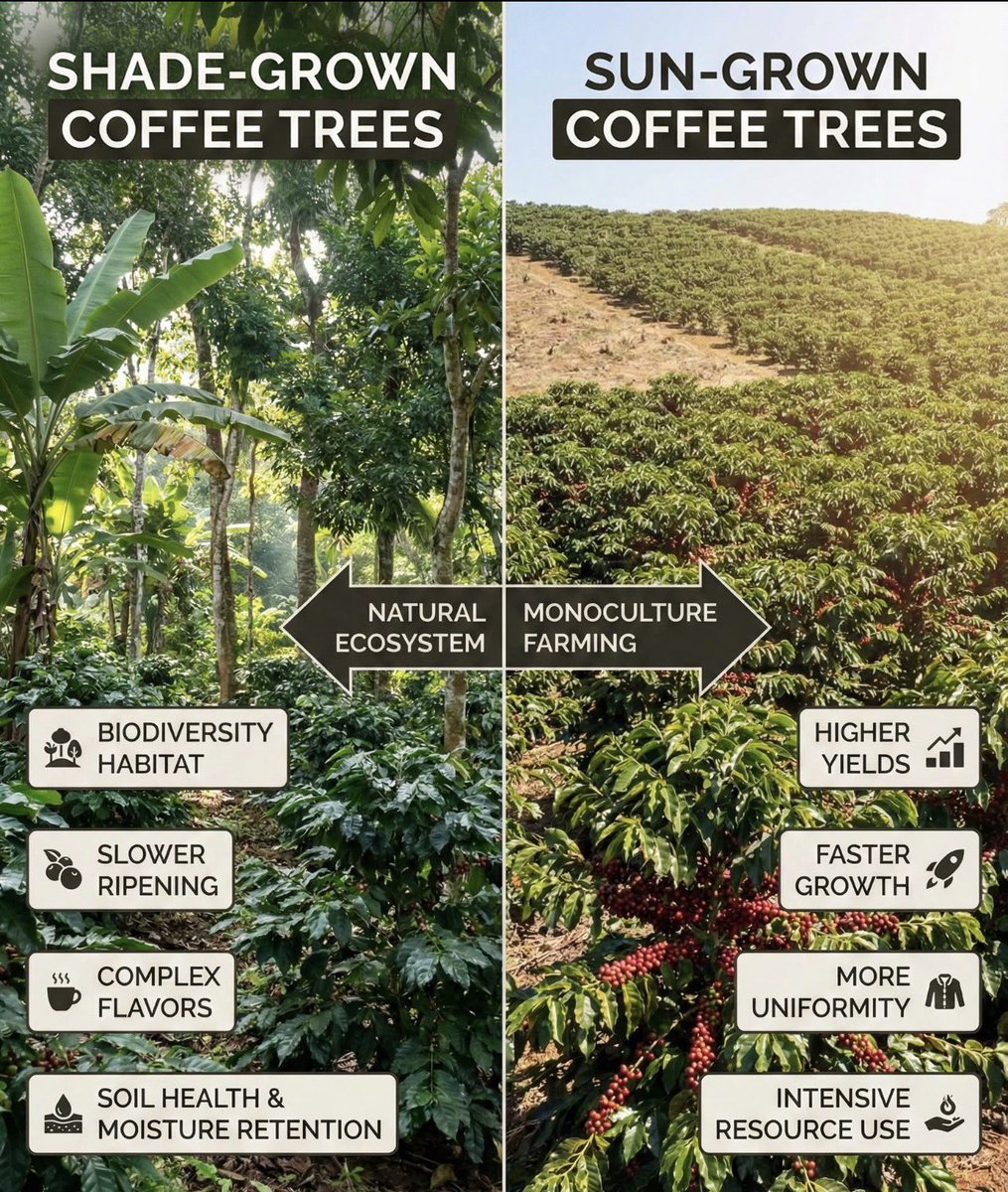
There’s a massive difference between a coffee farm that looks like a natural forest and one that looks like an industrial field. 🌳☀️
As this infographic shows, the way coffee is grown has huge implications for both flavor profile and environmental impact.
Shade-Grown Coffee (Left): Integrated into a natural ecosystem.
The canopy trees provide vital habitat for birds and insects, protect soil health, and crucially for us coffee lovers slow down the cherry ripening process. This patience results in a denser bean with far more complex flavor potential.
Sun-Grown Coffee (Right): Often a monoculture focused on maximizing yield quickly.
While it produces more coffee faster, it often lacks the depth of flavor found in shade-grown beans and requires more intensive resources.
Let’s we champion farming methods that respect nature and produce a superior, complex cup.
Does knowing how it's grown change how you buy your beans?
Yesterday, I had the pleasure of meeting Mr. Nathan Ruhinda, CEO of Ruko Establishments Ltd, and his delegation to discuss the company's outstanding contribution to Uganda's dairy sector and local value addition.
I commend Ruko Establishments Ltd for empowering over 500 dairy farmers and exporting an average of 100,000 litres of milk products weekly to Kenya and South Sudan. Homegrown enterprises like these are driving value addition, creating jobs, and expanding Uganda's export footprint.
We remain committed to fostering an enabling environment for businesses that add value to our local resources.
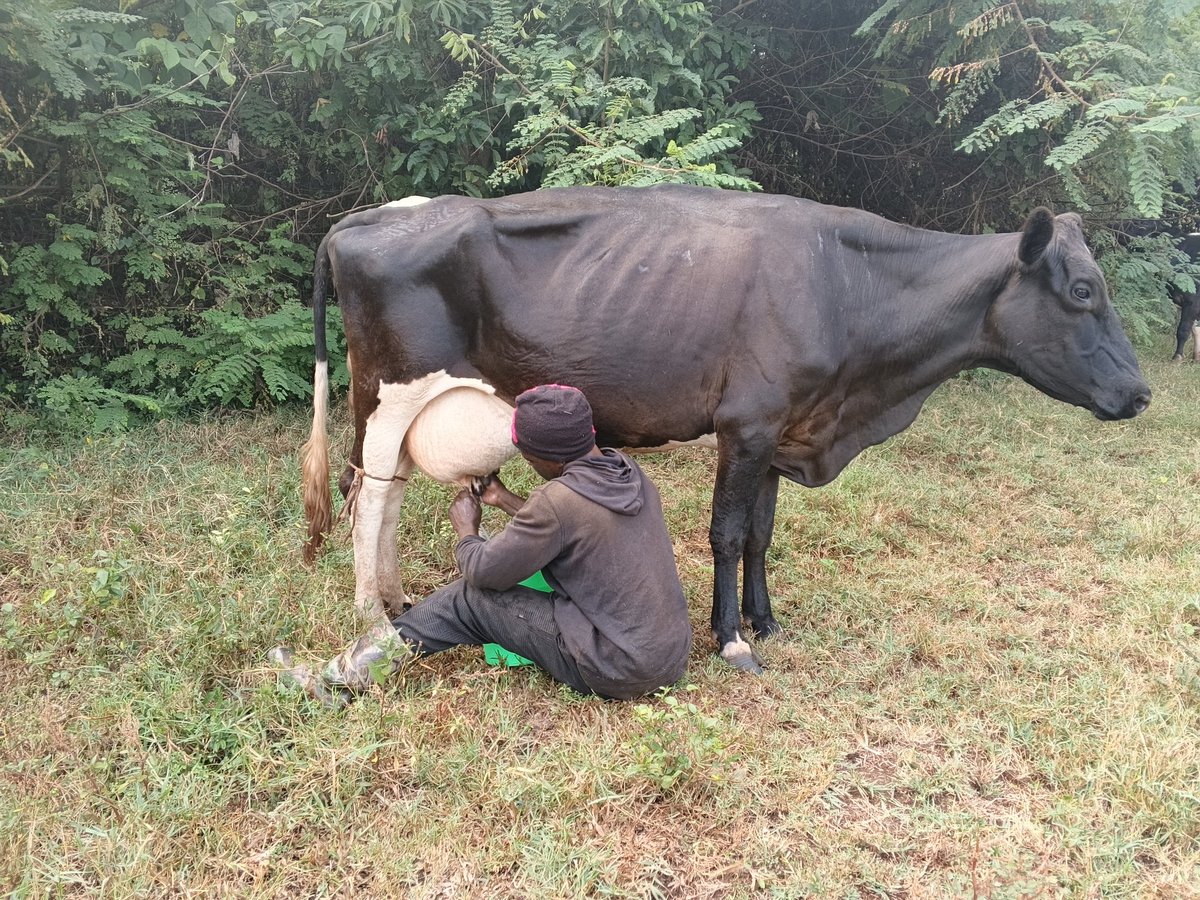
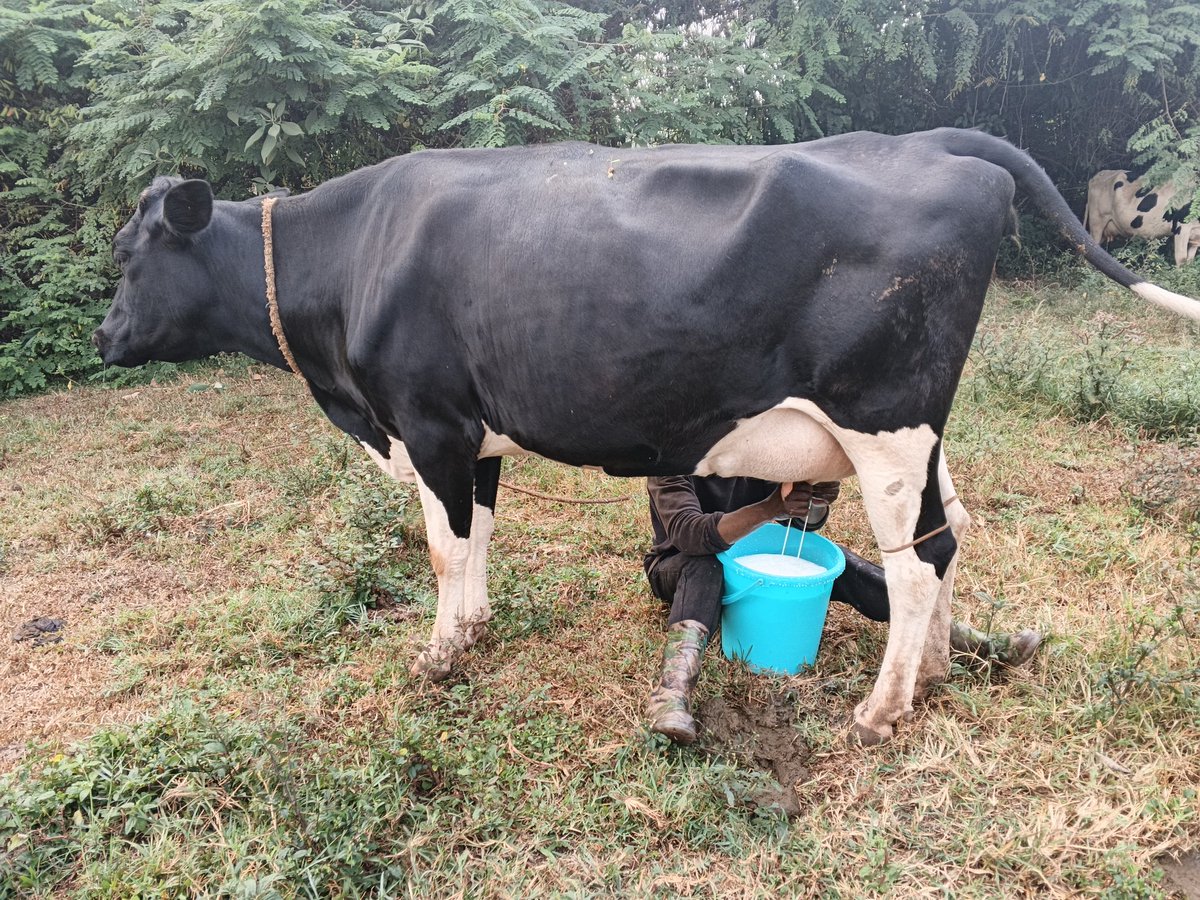
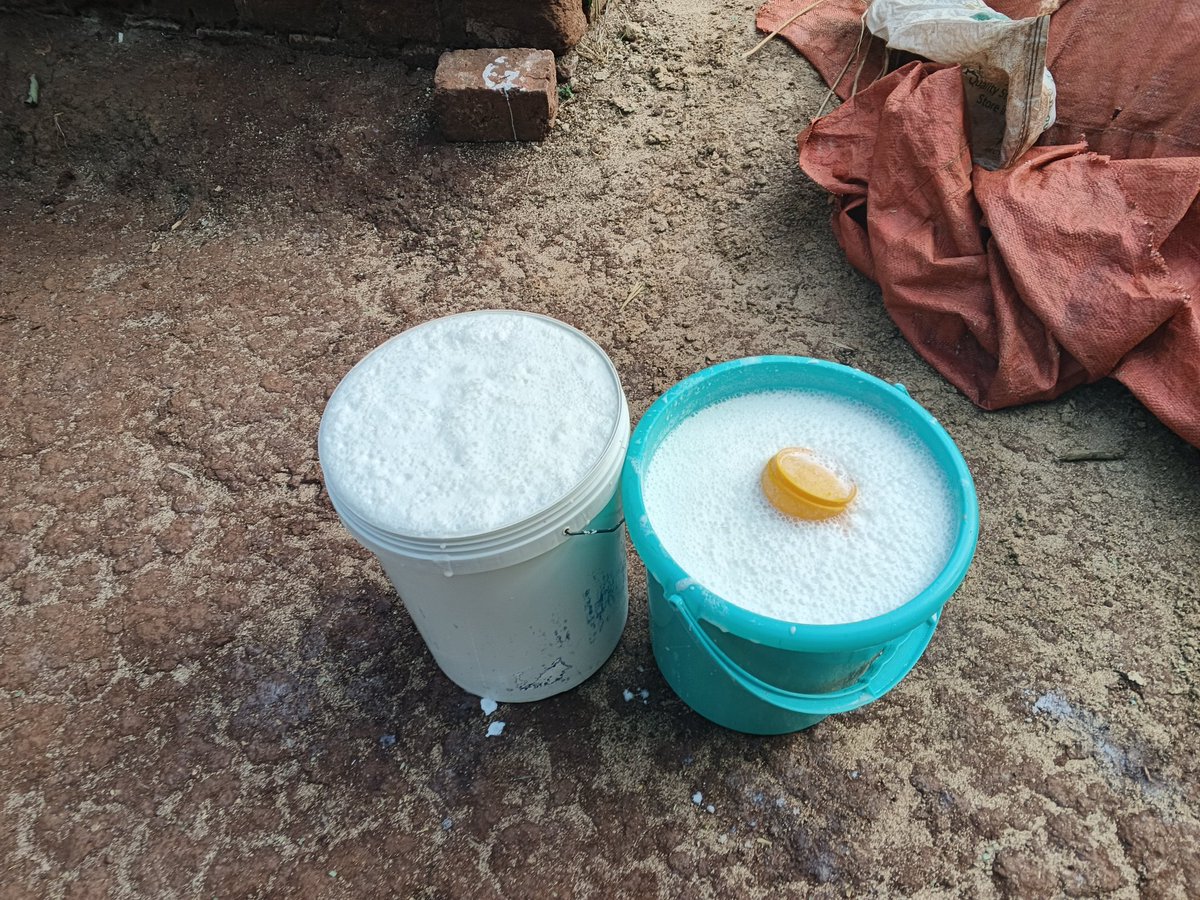
Morning milking is done! My 3 cows gave me 37 litres today, and they're all expecting calves. Dairy farming has great potential, but profits come from good management, not just owning cows. Learn first, invest wisely, and stay consistent.