Five Years, $112.76 Million
Federal casino and sportsbook lobbying expenditure:
2021 – $22.31M
2022 – $20.22M
2023 – $20.77M
2024 – $22.02M
2025 – $27.45M
TOTAL: $112.76 MILLION
MAJOR SPORTSBOOK CONTRIBUTIONS TO WIN FOR AMERICA
1. DraftKings – $34 million
2. FanDuel – $27 million
3. bet365 – $5.5 million
4. Fanatics – $5.5 million
TOTAL: $72 MILLION
WHERE THE MONEY GOES
- Win for America – Main super PAC receiving contributions.
- American Conservative Fund – Supports Republican candidates.
- American Future – Supports Democratic candidates.
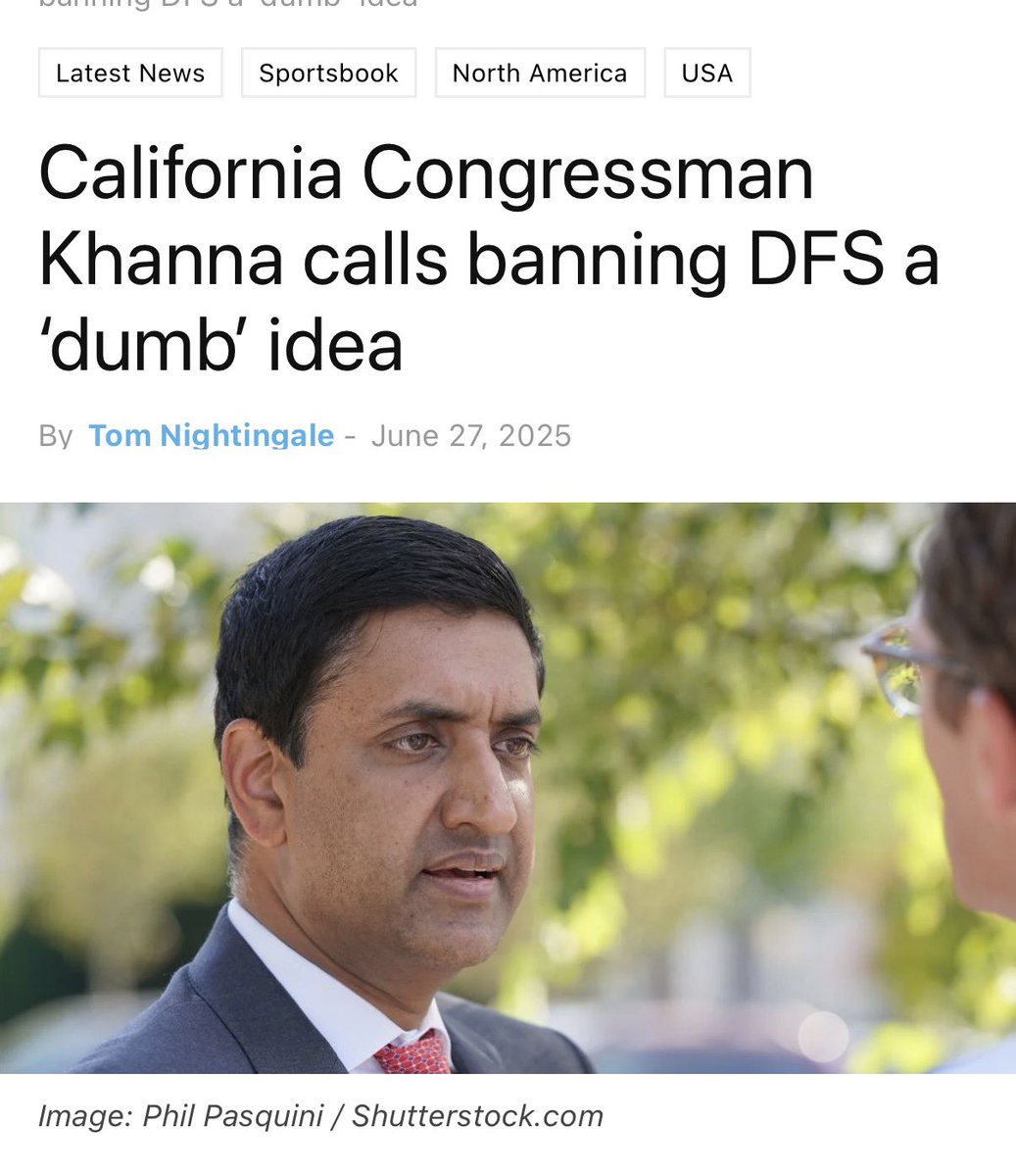
In June 2025, California Democrat Ro Khanna called efforts to ban daily fantasy sports a “dumb idea.”
He criticized his own party for pushing restrictions on fantasy sports while spending millions trying to understand why Democrats are losing support among young men.
His message was simple: You can’t keep banning activities people enjoy and then wonder why they’re turning away from your party.
Fast forward to today, and Khanna is railing against prediction markets.
Why doesn’t his own argument apply here?
CASINO & SPORTSBOOK LOBBYING SPENDING IN THE UNITED STATES (2021–2026)
2021 – $22.31 million
2022 – $20.22 million
2023 – $20.77 million
2024 – $22.02 million
2025 – $27.45 million
TOTAL (2021–2025): $112.76 MILLION
2026 – $17.39 million (through Q2)
SOURCE: US Senate Lobbying Disclosure Act filings, compiled by Expose the House.
Note: The figures cover the casino and sportsbook lobbying category used by the source. 2026 is a partial-year figure.
New York Yankees — Historical Milestones
⚾ 27 World Series championships — the most in MLB history.
🏆 41 American League pennants.
📅 Founded in 1903 as the New York Highlanders.
🔥 5 consecutive World Series titles from 1949 to 1953.
👑 9 consecutive AL East division titles from 1998 to 2006
For One4One, a Yankees playoff run means packed crowds and some of their biggest nights of the year.
So when October baseball was uncertain, they hedged against the Yankees missing the postseason.
Illinois collected more than $2.6 BILLION in gambling revenue last year.
Less than 0.1% went toward treating gambling addiction.
Now, an internal report prepared for Gov. Pritzker’s office says those revenues are “structurally dependent” on vulnerable populations.
The state previously estimated 1.1 million residents had a gambling problem or were at risk of developing one. The report says that number is likely higher today.
Meanwhile:
• Specialized counselors are in short supply.
• People seeking treatment face long waits.
• Nearly 50,000 slot machines remain outside the state’s self-exclusion program.
• Thousands more could arrive in Chicago.
Illinois has a financial incentive to keep the revenue growing and a responsibility to protect the people generating it.
Collecting billions while directing less than one-tenth of one percent toward treatment raises a fair question:
How much of the state’s approach is about protecting consumers, and how much is about protecting revenue?
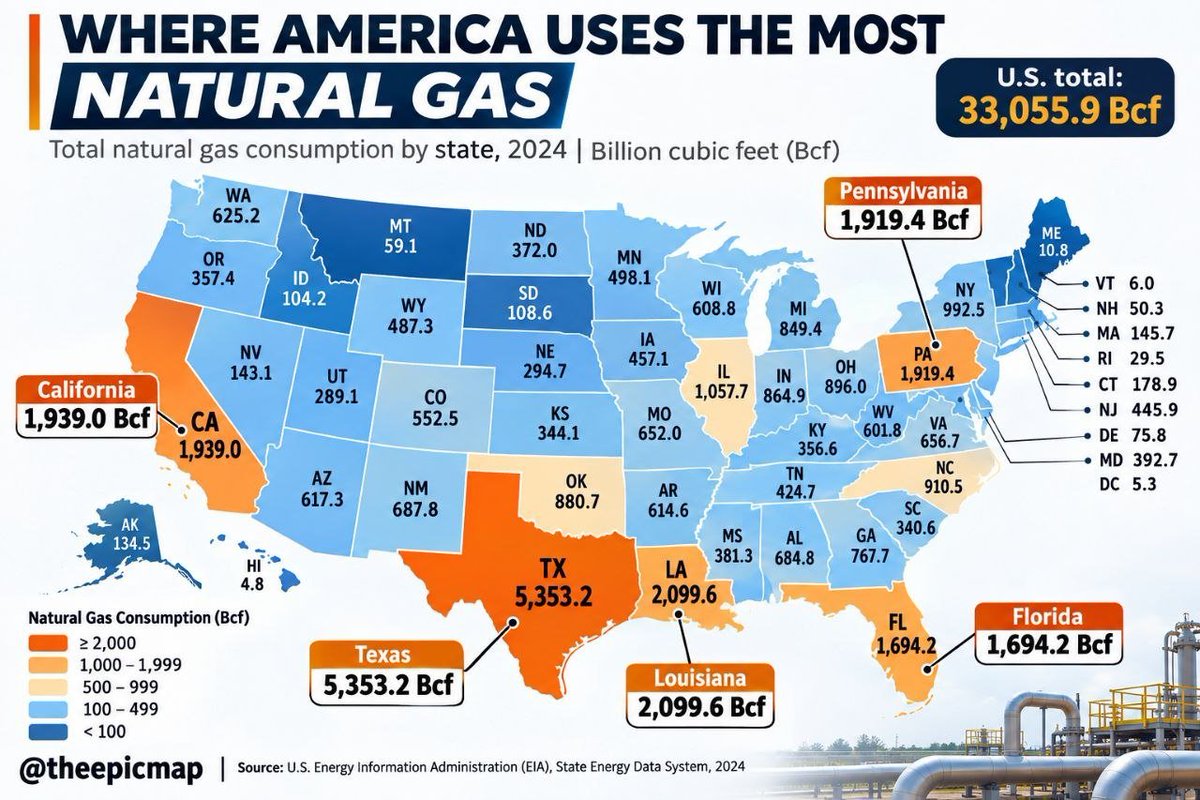
Nick Zoraian, third-generation owner of Family Laundry, is using Kalshi to protect his business from increasing natural gas prices.
“Natural gas is a laundromat's single highest variable expense by far. We use it to heat our dryers and heat the water in our washers, so every machine in the store uses natural gas.
I placed a hedge that natural gas will be above $6.00 spot price by the end of the year, so if it does indeed rise, I get paid out.”
By hedging on a market, Nick protects his P&L from external factors, and runs his business with more predictability and certainty.
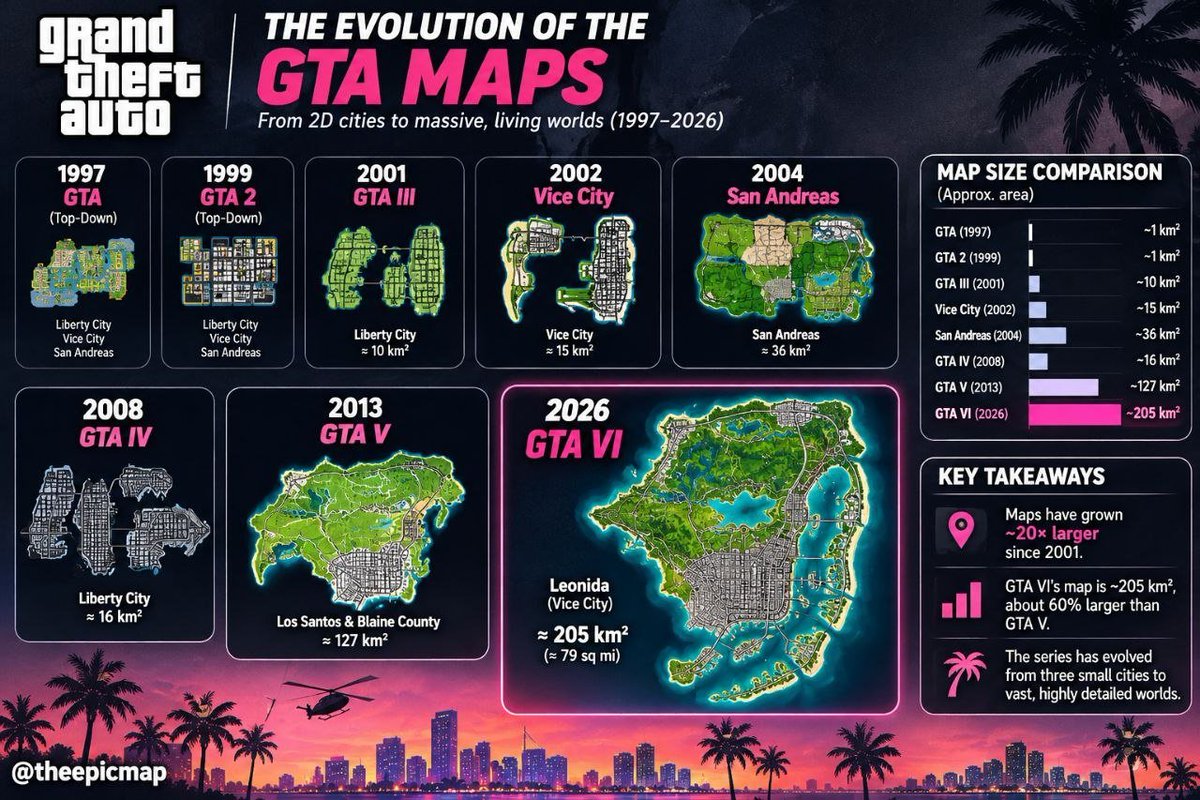
THE EVOLUTION OF GRAND THEFT AUTO.
1997 — GTA launches, introducing players to Liberty City, Vice City and San Andreas.
1999 — GTA 2 arrives with a futuristic city and rival gangs.
2001 — GTA III revolutionizes gaming with a fully 3D open world.
2002 — GTA: Vice City takes players to a Miami-inspired city in 1986.
2004 — GTA: San Andreas introduces three major cities and the story of Carl Johnson (CJ).
2005 — GTA: Liberty City Stories expands the GTA universe on handheld consoles.
2006 — GTA: Vice City Stories returns players to 1984 Vice City.
2008 — GTA IV introduces Niko Bellic and a darker, more realistic Liberty City.
2009 — GTA: Chinatown Wars brings the franchise to handheld gaming.
2013 — GTA V launches with three protagonists: Michael, Franklin and Trevor.
2013 — GTA Online launches, creating an evolving multiplayer world.
2023 — GTA VI is officially revealed with its first trailer, introducing Lucia and Jason.
2026 — GTA VI is scheduled to launch, returning players to Vice City in the fictional state of Leonida.
Cliff has streamed every day for 685 days. His commitment to his community and craft is incredible.
Last night, he found out he got hired as our full-time GTA VI Researcher.
He goes live at midnight.
Follow your passion.
https://t.co/ZnmFKDgfRR
📊 THOUSANDS OF YEARS AGO, MERCHANTS FOUND A WAY TO PROTECT THEMSELVES FROM UNCERTAINTY. TODAY, IT'S A GLOBAL FINANCIAL STRATEGY.
1750 BC — Ancient Babylonian contracts under the Code of Hammurabi include agreements involving future delivery and payment.
600 BC — Greek philosopher Thales uses advance agreements to secure olive presses ahead of harvest.
1600s — European merchants use forward contracts to manage risks in commodity prices.
1730 — Japan's Dojima Rice Exchange begins organized rice futures trading.
1848 — Chicago Board of Trade is founded, helping farmers and merchants manage grain-price risks.
1865 — Standardized agricultural futures contracts are introduced in Chicago.
1972 — Currency futures begin trading at the Chicago Mercantile Exchange.
1970s–1980s — Financial futures expand into interest rates, stock indexes and other markets.
Today — Businesses and investors use futures, options and event contracts to manage uncertainty across financial markets.
🇺🇸 THE RISE OF MARTHA STEWART
1960s — Begins her career as a fashion model while studying at Barnard College.
1967 — Starts working as an institutional stockbroker on Wall Street.
1976 — Launches her own catering business in Connecticut.
1982 — Publishes her first book, Entertaining.
1990 — Launches Martha Stewart Living magazine.
1992 — Debuts her television show, Martha Stewart Living.
1997 — Expands into home and lifestyle products with Kmart.
1999 — Takes Martha Stewart Living Omnimedia public on the New York Stock Exchange.
2016 — Launches Martha & Snoop's Potluck Dinner Party with Snoop Dogg.
2022 — Opens The Bedford restaurant in Las Vegas.
2023 — Becomes the oldest cover model in Sports Illustrated Swimsuit history at the time.
2024 — Publishes her 100th book, Martha: The Cookbook.
2026 — Releases her 102nd book, The Martha Way.
📊 THE HISTORY OF KALSHI (2018–2026)
2018 — Founded by Tarek Mansour and Luana Lopes Lara, two MIT graduates.
2019 — Joins Y Combinator and receives its first seed investment.
2020 — Becomes the first federally regulated U.S. exchange dedicated to event contracts after receiving CFTC approval.
2021 — Officially launches its trading platform and raises $30 million in Series A funding led by Sequoia Capital.
2022 — Submits congressional control contracts to the CFTC, marking the beginning of Kalshi's push into U.S. election prediction markets.
2023 — The CFTC blocks Kalshi's congressional control contracts. Kalshi takes the regulator to court.
2024 — Wins a major legal battle, allowing it to offer U.S. election markets ahead of the presidential election.
2025 — Raises $125 million at a $2 billion valuation, followed by further funding rounds that take its valuation to $11 billion.
2026 — Expands into perpetual futures, cryptocurrencies, metals and individual stocks.
October 2026 — Raises another $1 billion at a reported $40 billion valuation.
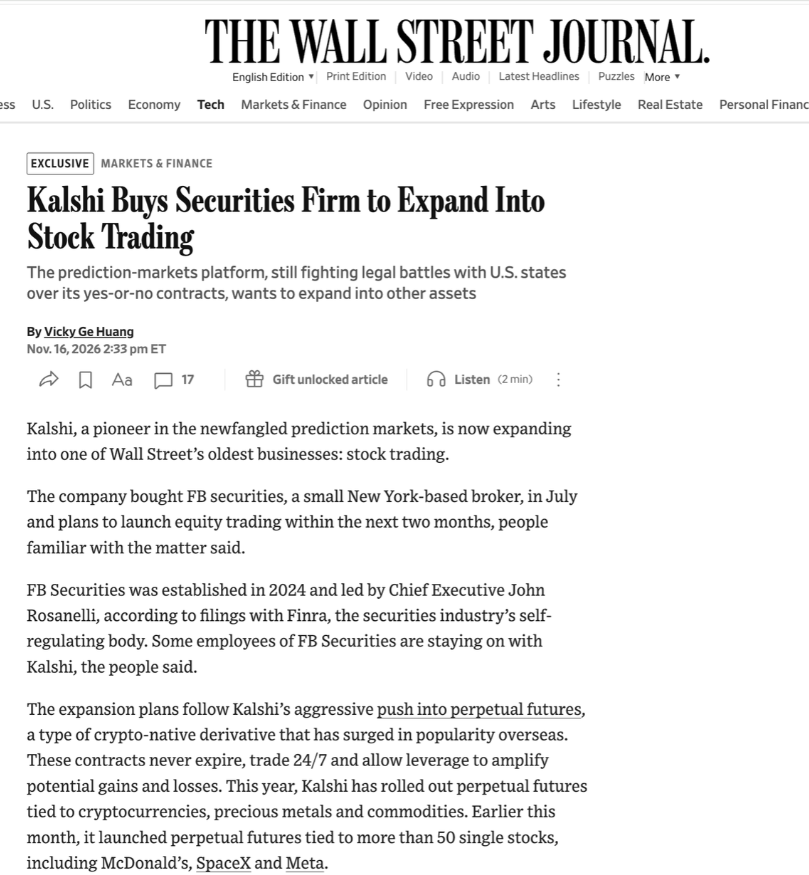
November 2026 — Acquires brokerage firm FB Securities and announces plans to enter traditional stock and ETF trading.
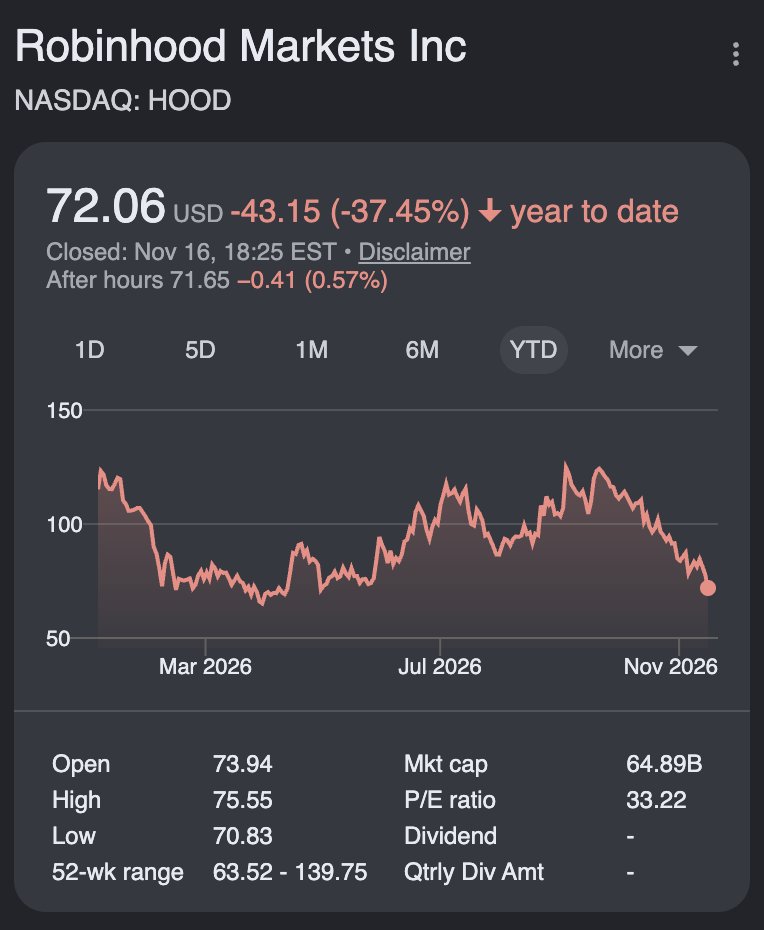
Kalshi acquired a brokerage firm and is reportedly launching stock trading.
Makes me wonder how much of the pushback from financial powerhouses is really about where Kalshi is headed.
🇺🇸 U.S. FOOD INFLATION: BY THE NUMBERS
Annual food price increases:
2020 — 3.4%
2021 — 3.9%
2022 — 9.9%
2023 — 5.8%
2024 — 2.3%
2025 — 2.9%
2022 was the worst year, with food prices rising 9.9%.
Between 2020 and 2025, overall U.S. food prices increased by approximately 30%.
Source: USDA Economic Research Service.
Twin Islands Retreat & Fishing Charters is a remote hotel in Alaska run by Merri Laursen and her husband.
Food in mainland Alaska is very expensive, often a 30% premium to the rest of the US, but the couple often pays 2x or 3x above the average rate just to get it to the island.
Recognizing how vulnerable the business is to any increases in food prices, Merri has started using Kalshi to hedge her exposure. She’s trading on the FAO Food Price Index to increase this month, tying the position to a global benchmark for food prices.
If food prices stay low, Merri loses the trade and the retreat faces its normal costs.
If prices rise and the market settles in her favor, the position pays out, helping offset higher food expenses.
🌦️ CAN PREDICTION MARKETS BEAT WEATHER FORECASTS?
A research paper by Alexander W. Crosier finds:
• 6 of 7 cities — Kalshi outperformed the National Blend of Models (NBM).
• 10% better performance — one day ahead.
• 3 forecast horizons tested — day ahead, evening before and morning of.
• All tested horizons — Kalshi beat a weighted blend of public forecasts.
• ~75% of Kalshi users reportedly use the platform for forecasts, not trading.
The takeaway: Traders can combine public weather models with additional data and insights to produce better forecasts.
Prediction markets may be becoming more than trading platforms — they're becoming information tools.
Source: Alexander W. Crosier's research paper
Thomas Carvo studied meteorology. Now he puts that training to work on Kalshi, trading on the weather in different cities.
If he thinks a city is more likely to hit 90°F than the market suggests, he can buy a contract on that outcome and help move the odds higher.
Other traders bring their own forecasts, data, and local knowledge. As they trade, the odds can reflect more of what the crowd knows. Anyone can follow that forecast as it changes, even if they never place a trade.
📊 PREDICTION MARKETS: BY THE NUMBERS
• 2.2 million+ observations analysed by Kalshi.
• 30% probability — outcomes at these odds occurred roughly 30% of the time.
• Probabilities continuously update as new information enters the market.
Prediction markets turn real-time information into measurable probabilities.
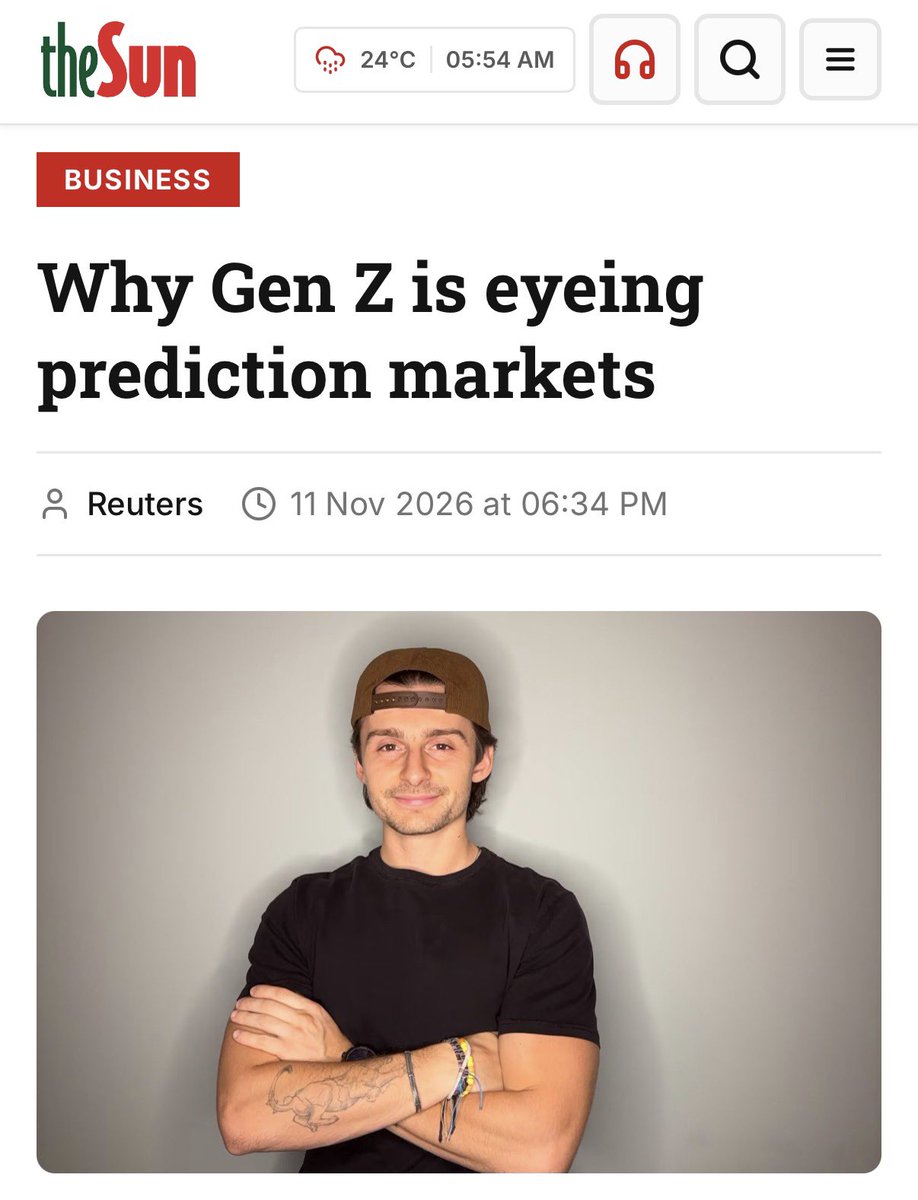
Prediction markets give people something they need to make better decisions: reliable probabilities that update as new information comes in.
Kalshi looked at more than 2.2 million observations. When the market gave an outcome a 30% chance with a month to go, outcomes priced at those odds happened about 30% of the time.
That’s especially useful in election analysis. Polls show what voters want, while prediction markets show how available information and incoming results change the odds of a candidate winning or a party taking control of Congress.
The same kind of information helps investors decide how much risk to hedge before a Fed meeting, farmers prepare for extreme weather, and small businesses decide whether to stock up ahead of a potential tariff hike.
For Brenden Theatres, Hollywood's release slate can make or break a quarter.
By hedging on the number of theatrical releases, they are finding a way to protect their business against uncertainty and keep the magic of moviegoing alive.
📦 THE VOLATILE HISTORY OF CARDBOARD PRICES
• 2006–2026 — Three major price crashes exceeding 70%.
• 2022–2024 — Cardboard prices tripled.
• 2024 — Prices fell by roughly 50% from their peak.
• 2026 — Recyclers begin using financial hedging to protect against price swings.
Even cardboard is becoming part of the financial markets.
Cardboard is the most recycled material in America. It’s also a recycler’s biggest worry.
Prices tripled from late 2022 to mid-2024, then fell by half. They’ve crashed more than 70% three times in the last 20 years.
A recycler’s costs stay the same. What they sell might be worth half as much next year.
Farmers hedge corn. Airlines hedge fuel. Recyclers had nothing.
Until now. Tomorrow Recycling just placed the first cardboard hedge.
As their CFO, Josh Branham, put it: agriculture and energy have done this for decades, and there’s no reason recycling shouldn’t have the same tools.
🌪️ THE COST OF EXTREME WEATHER IN AMERICA
Since 1980:
• 453 billion-dollar weather disasters.
• $3.2 trillion in total damages.
• 17,200 deaths.
Weather risk is a massive financial problem. Could hedges on prediction markets offer businesses a new way to insure against it?
One of the coolest uses of prediction markets is when businesses hedge things like weather risk.
Say a retailer buys a contract that pays if a snowstorm forces 20% of nearby businesses to close.
That payout can help offset the sales the store loses during the storm.
This will continue to become more common.
🎰 THE HISTORY OF CASINO LOBBYING IN AMERICA
1993 — Casino developers spend $2.36 million lobbying Connecticut lawmakers to legalize casinos.
1995 — American Gaming Association's political action committee is established.
1996 — Casino interests contribute $1.6 million during a major congressional debate over gambling regulation.
1998 — AGA's federal lobbying expenses reach $860,000.
1998–2020 — The gambling industry spends approximately $817 million on federal lobbying.
2025 — American Gaming Association provides Maryland regulators with a draft letter opposing sports-related prediction markets, according to public records reported in 2026.
2026 — The debate over casinos, prediction markets and regulatory competition continues.
Reason reported that Maryland’s letter to federal regulators closely matched a draft from casino lobbyists. It looks like Maryland took its talking points from an industry that stands to gain if prediction markets get shut down.
If Maryland has real concerns, let’s hear them in their own words. Lawmakers answer to the public. When they let lobbyists with deep pockets make the decisions, it looks like the casinos using regulation to keep new competitors out.
That’s why free markets matter. Fair rules give new ideas a chance and give the people more opportunities.