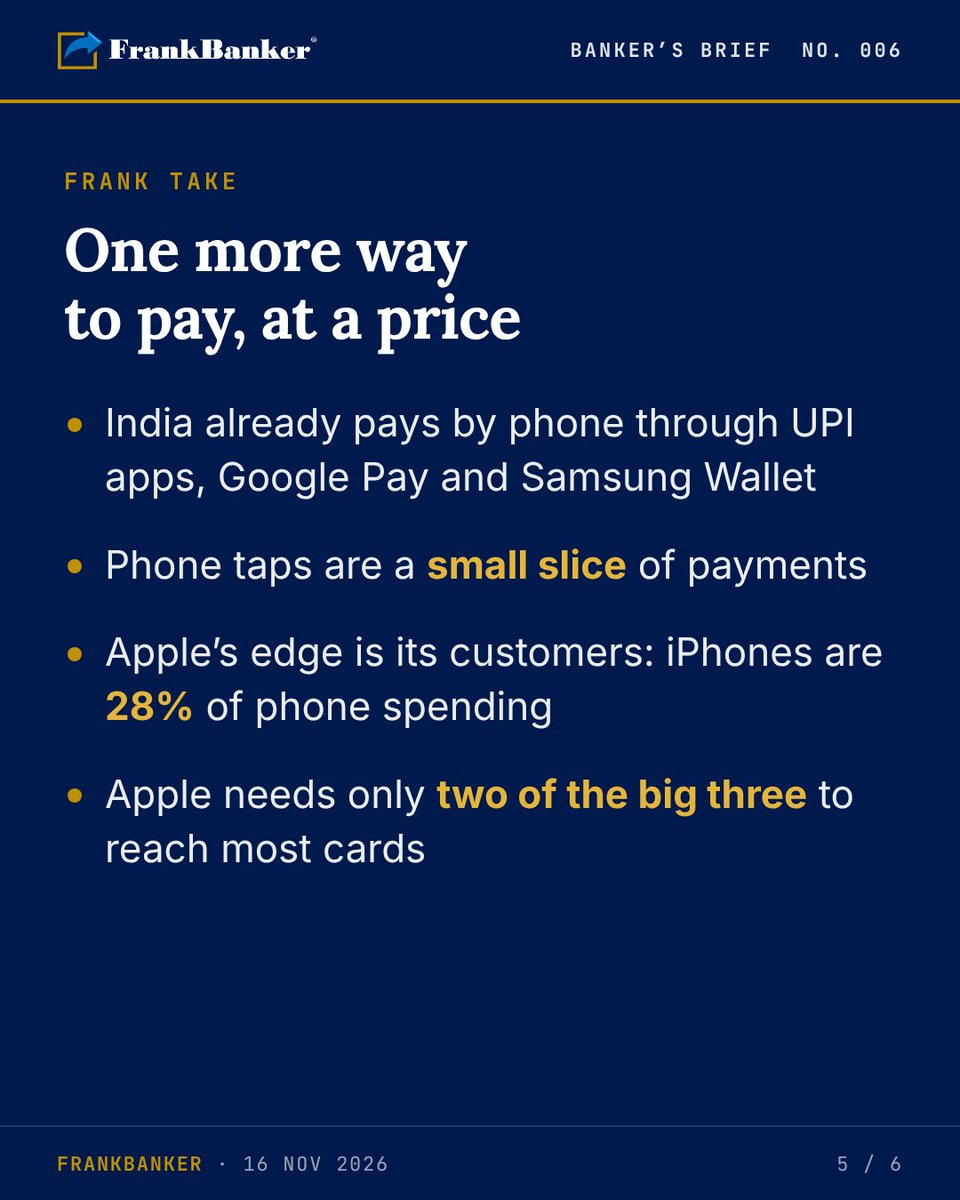
Apple Pay launched in India with one bank. HDFC Bank, SBI Card and ICICI Bank hold 56% of credit cards and are still out. The sticking point is Apple's reported 0.20% cut of every payment. Will banks share?
Banker's Brief No. 006: https://t.co/YBnjWUElXg
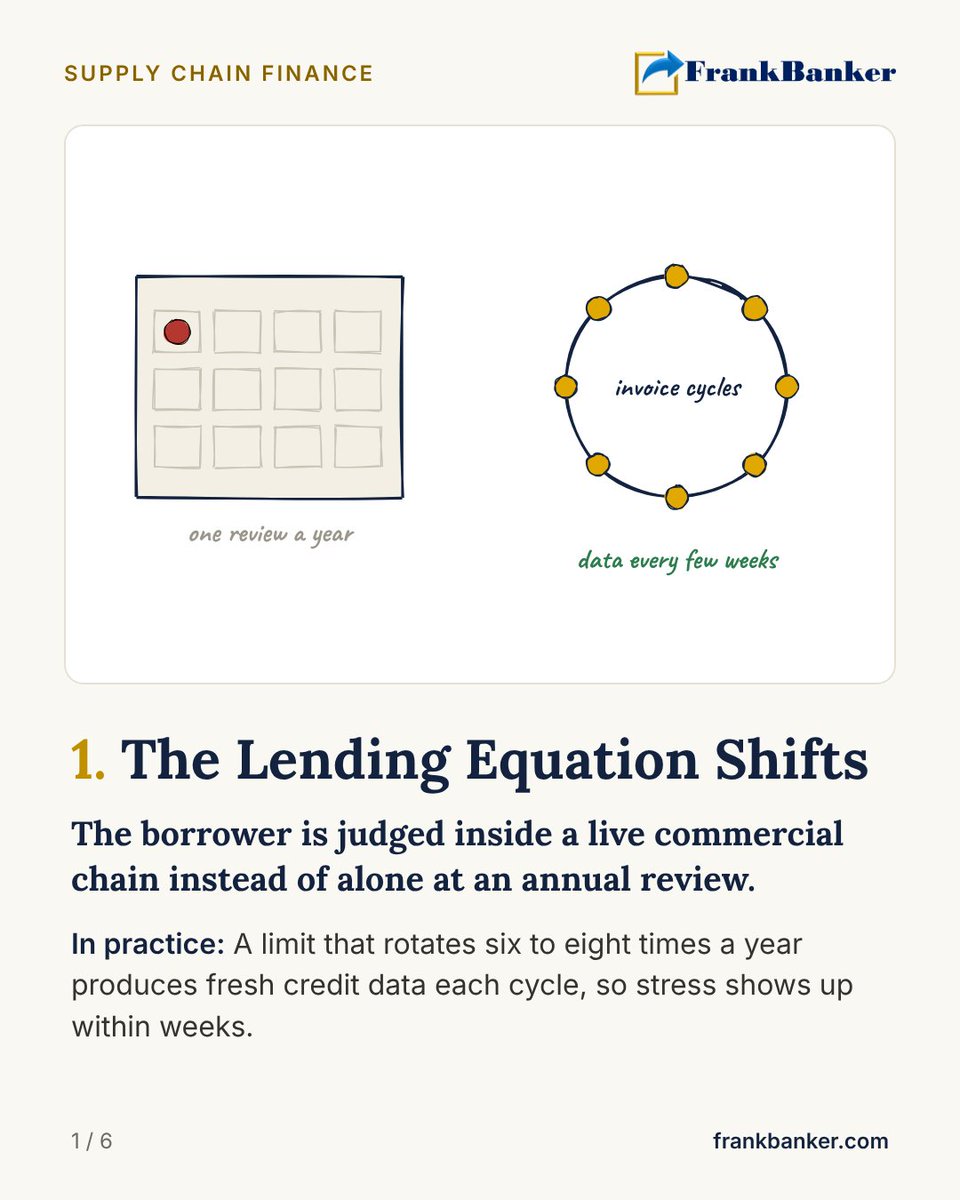
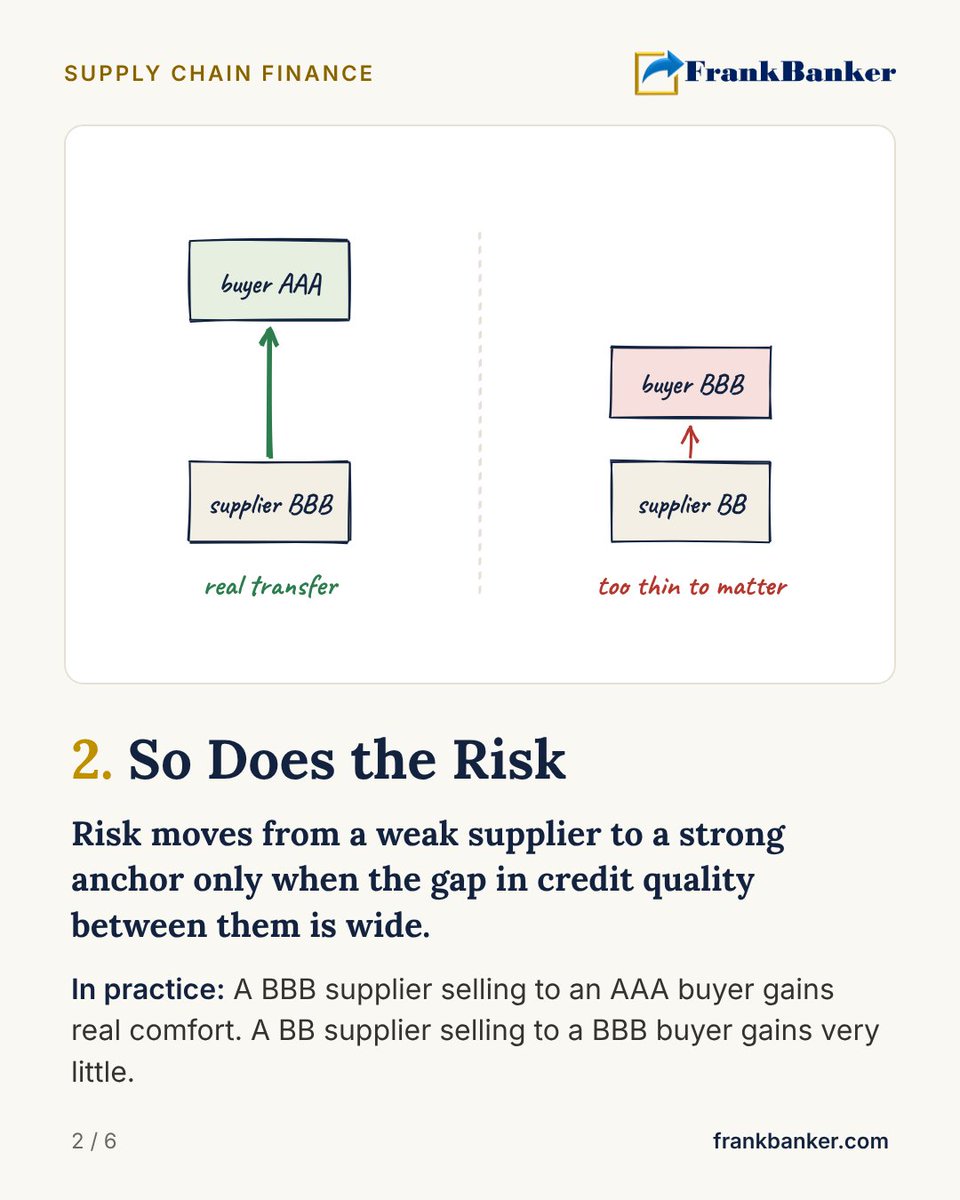
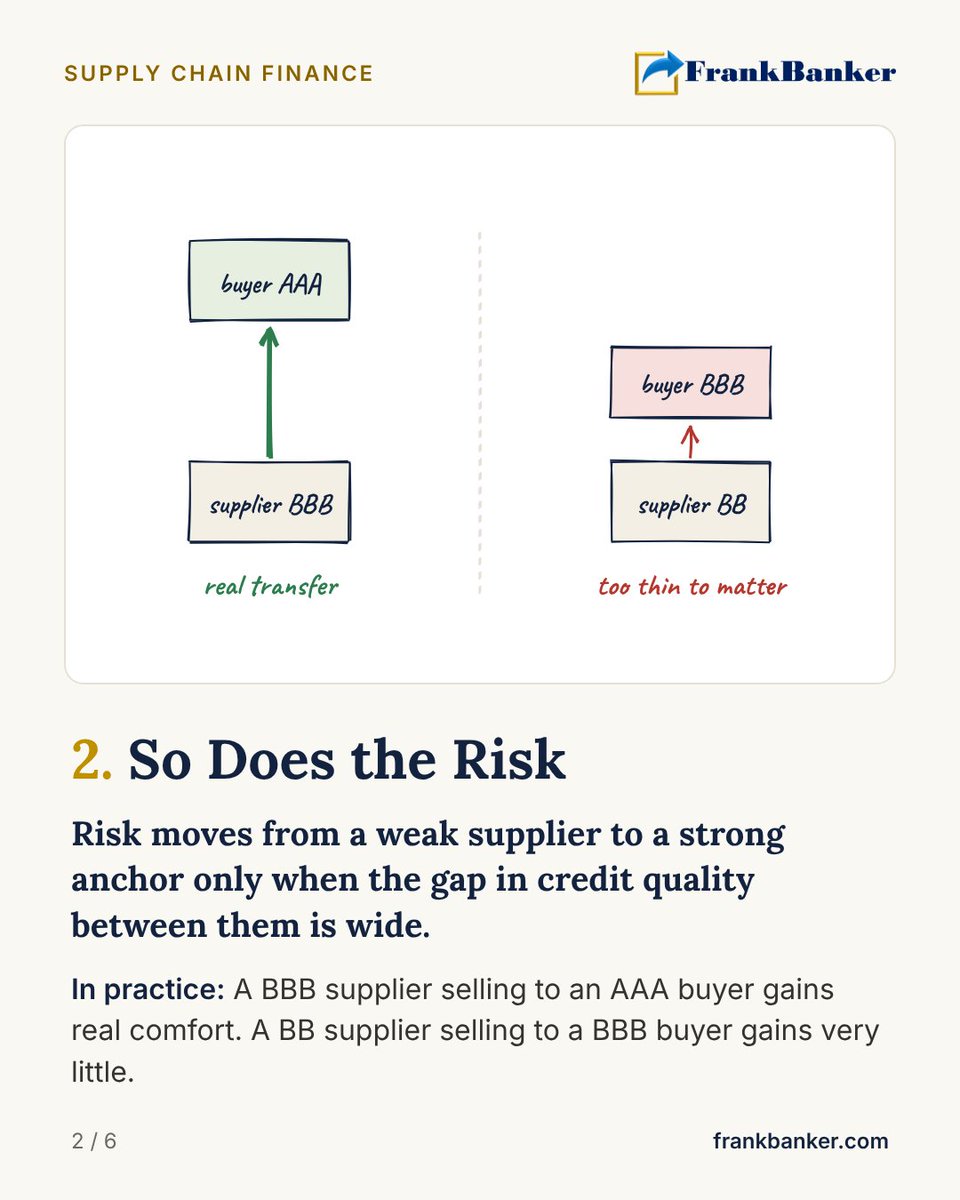
About 1 in 500 registered MSMEs uses TReDS. The platforms work well, so why is the reach so narrow? Point 5 of our thread on supply chain finance explains the preconditions. https://t.co/55N756Tb63
@maahirpanchal 'Payment will follow the customer's standard process' has a cost too. A small supplier waiting 90 days is in effect financing a larger buyer. If the buyer runs a vendor finance programme or is on TReDS, the supplier can be paid early at a rate based on the buyer's credit.
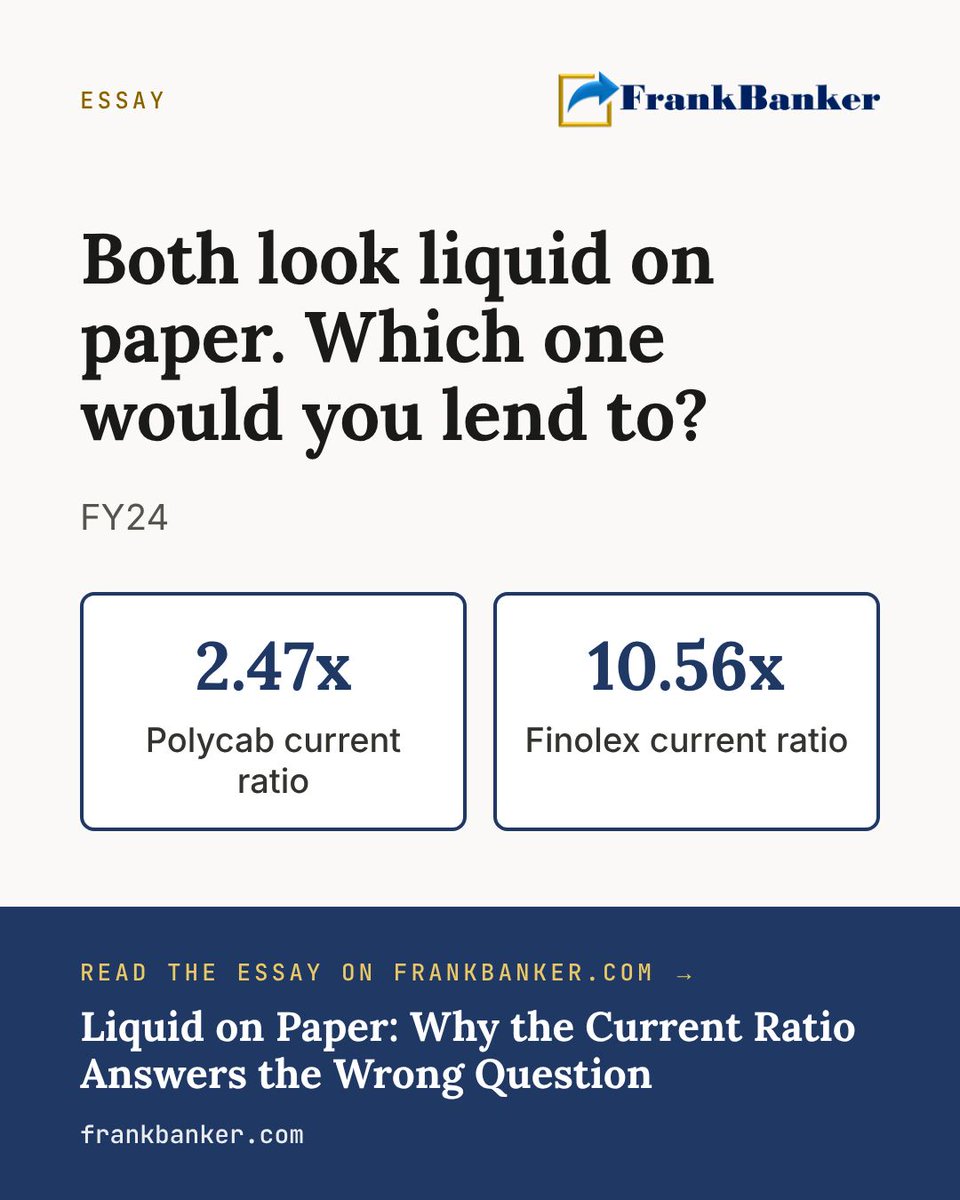
@sachprat07 Five to six payment milestones from government customers, with about 65% of revenue in H2, means receivables will build up well before the cash comes in. A comfortable current ratio can still hide this. How fast collections turn is the better test of liquidity.
@centralbank_in Outreach helps MSMEs apply for credit. For many small suppliers the bigger problem is a 60 to 90 day wait for big buyers to pay. Only about 82,000 of 4 crore Udyam MSMEs are on TReDS, so onboarding the suppliers of large anchors could add credit quickly.
@Parmarbharat88 If the orders are from a large corporate or PSU buyer, check if the buyer is on TReDS. Your friend can sell the accepted invoices for cash, without collateral, at a rate linked to the buyer's credit. On a 30-day cycle, that funds each order and repays itself when the buyer pays.
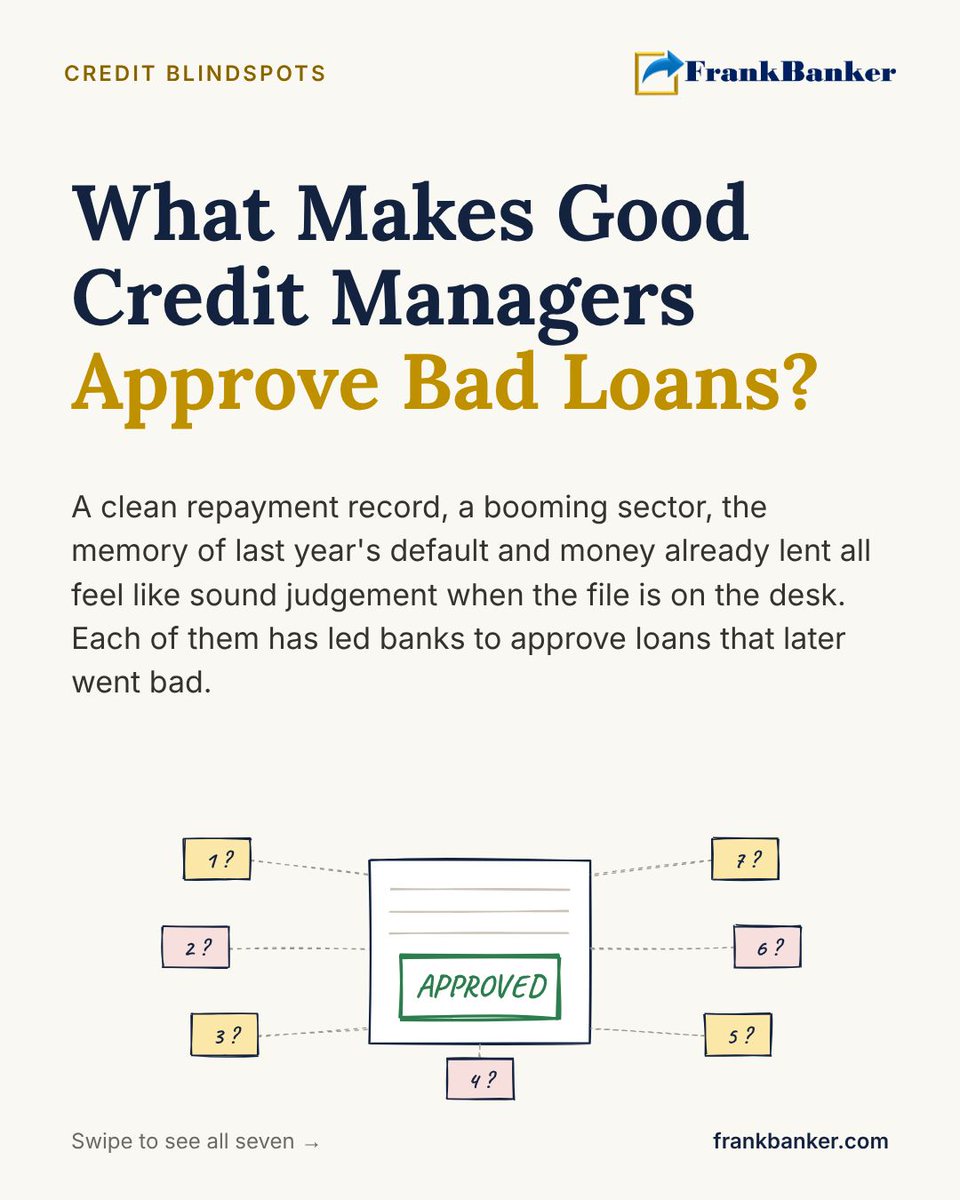
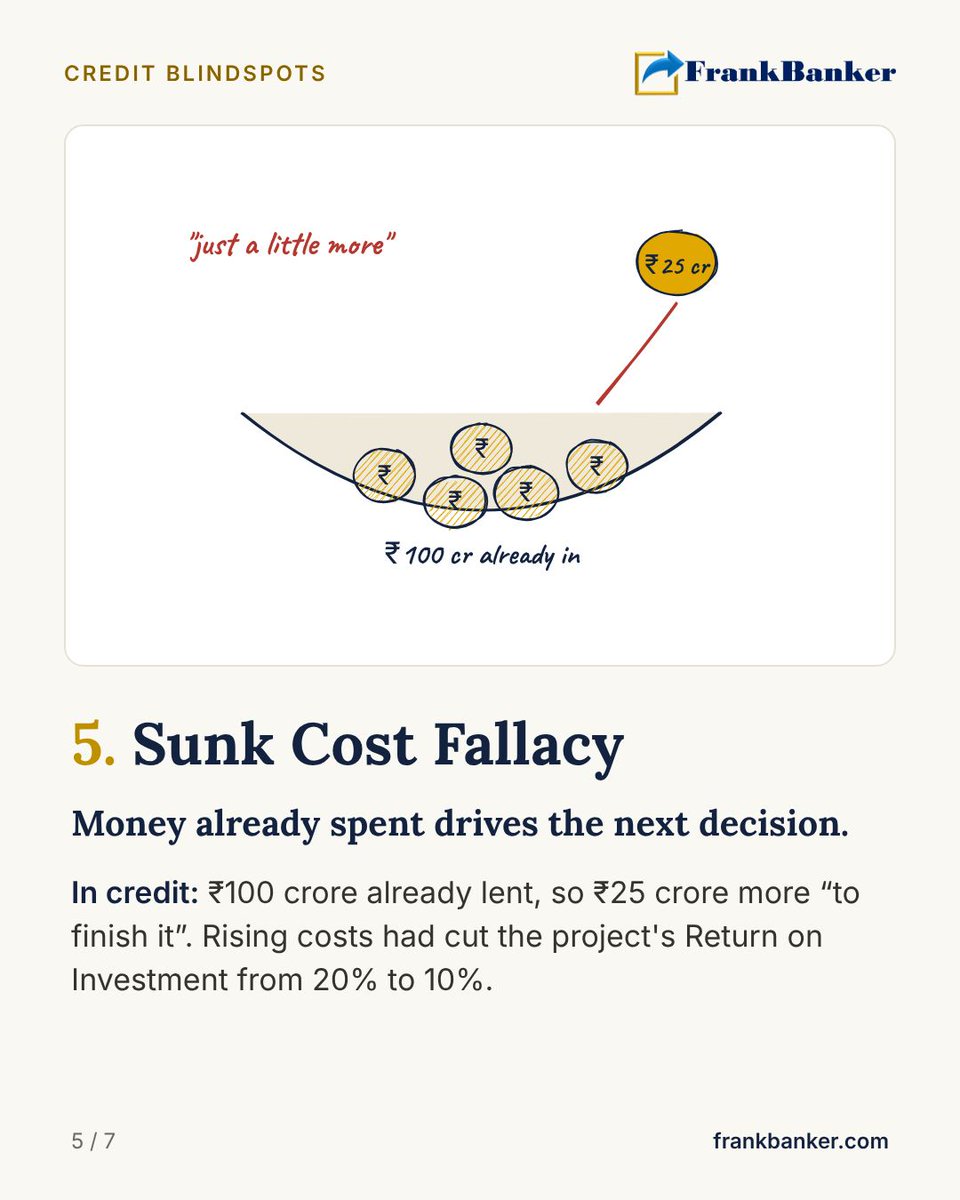
The other four are availability, sunk cost, overconfidence and confirmation bias, where ten clean years can outweigh Receivables stretching from 90 to 150 days.
Yesterday: a savings balance is a liability for the bank.
Today: you break an FD early. What happens?
A) Lower rate
B) Lose all the interest
C) Nothing changes
Reply 👇 https://t.co/KpBgODiG4n #BankersDrill