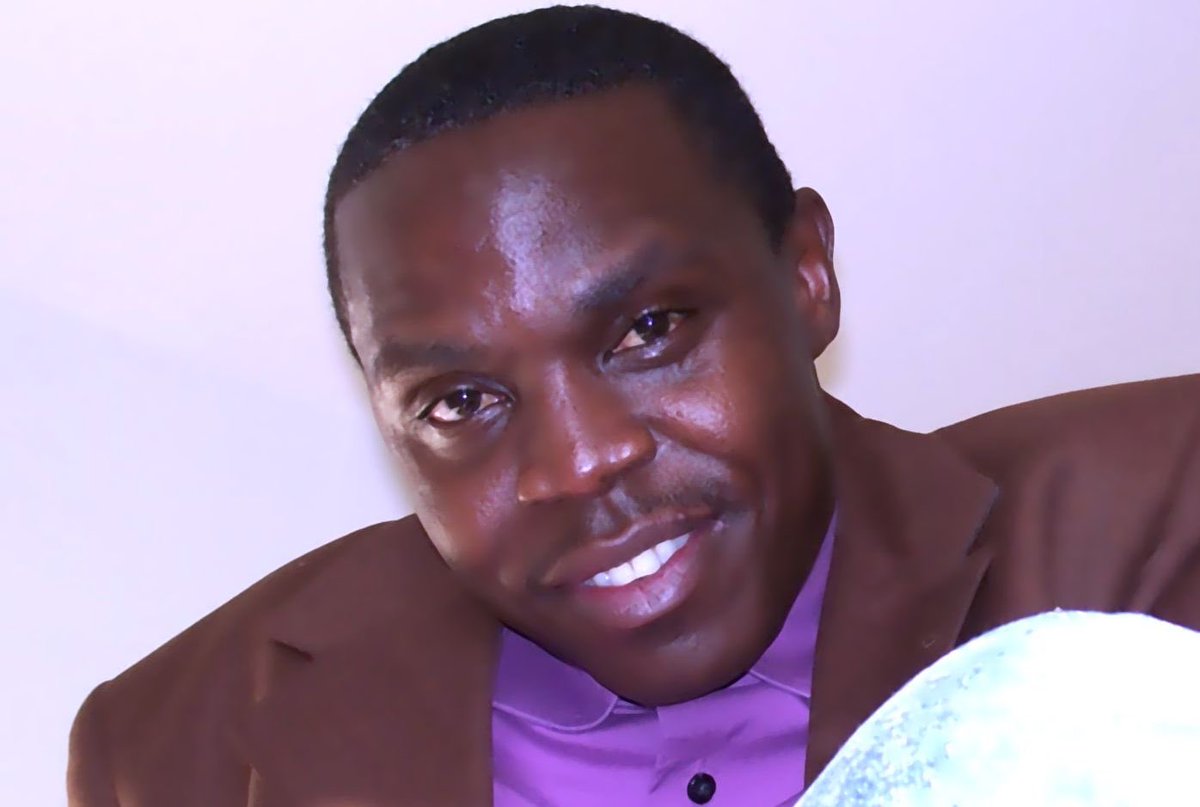
Ragga Dee was already an established recording artist when he briefly moved behind the radio microphone, with his stints at Sanyu FM and Dembe FM adding a lesser-known chapter to a career built mainly around music.
Daniel Kazibwe, popularly known as Ragga Dee, was born to George William Kyeyune.
He traces his music career to 1988, when he formed Da Hommies with Messe Bontwe. Among his early hits were Bamusakata, which he dates to 1990, and Mukwano. In January 2025, he marked 37 years in the music business.
Ragga Dee attended Buganda Road Primary School and St Henry’s College Kitovu before pursuing business studies at Makerere University, Tennessee Valley University in Atlanta and Elephant & Castle Business School in London.
His Sanyu FM stint appears to have come first, although the surviving record is limited. In a Pulse interview, Ragga Dee said he joined Sanyu during his Senior Four vacation, shortly after the station launched, while also working with Ange Noir. Sanyu FM went on air on December 18, 1993, placing the account broadly in the mid-1990s.
A December 2008 Observer article looking back at Sanyu FM’s first 15 years provides a more specific reference. Nash Kiwanuka, recalling the 1996 departure of several senior presenters, said Ragga Dee and Emperor Orlando joined as the station rebuilt its presenting team.
The Observer reported that Ragga Dee subsequently left radio as his music career demanded more of his time.
Radio, however, remained a small part of Ragga Dee’s wider career. He was named Ragga Artist of the Year at the Pearl of Africa Music Awards in 2004 and 2005 and won Best Video in 2006. He has said he has released 18 albums, with songs including Ngwala Dance, Parliament, Empeta and Mbawe forming part of his long musical run.
His career later expanded into public life. In 2016, he contested the Kampala mayoral election on the NRM ticket and lost to Erias Lukwago. He later served as an arts representative on the Private Sector Foundation and became chairman of the National Culture Forum.
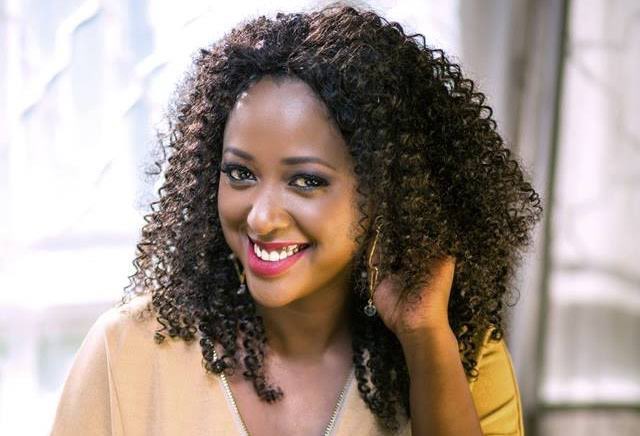
By the time Desire Luzinda took up a microphone at Dembe FM, she was already an established recording artist with several songs to her name. Her radio career, however, lasted only about eight months.
Born Racheal Desire Luzinda on August 15, 1980, at Mulago, Luzinda entered the media industry through television. She worked at WBS TV, although accounts differ on the timing of her stint, placing it between 2004 and 2007.
One biography says she later spent about two years at Radio Samba, although details of that period are limited.
Her most clearly documented radio job was at Dembe FM, where she joined in February 2011. She co-hosted the evening drive show, Dembe Taxi, alongside Kasuku, Mayende and John Ssozi, also known as Emperor Orlando.
Luzinda left the station in October 2011, bringing her documented stint to about eight months. After Dembe FM came under Nation Media Group, Walden — who had started at the station as a receptionist before hosting a Sunday teenagers’ programme — replaced her on Dembe Taxi.
Her short radio career came at a time when music was already her main professional focus. She had recorded Nakowa Emikwano in 2006, Mubiite in 2007 and Nyumirwa Nyo in 2008. The latter was produced by Benon Mugumbya of Swangz Avenue.
Radio was therefore a brief detour in a career that had already been built around music and television.
In February 2015, Capital FM reportedly offered Luzinda a role on its love show alongside Val for Shs2.5 million a month. She declined the offer.
The offer came months after a private-photo leak in November 2014 had drawn intense public attention to Luzinda and increased demand for her live performances.
Luzinda later moved from secular music into gospel and released a project titled Transition. In 2020, she qualified as a medical assistant at San Leandro Adult School in California.
In 2021, she established the Desire Luzinda Foundation. She has since been based in California.
Few episodes capture Gen Caleb Akandwanaho Salim Saleh’s military career as vividly as the battle at Bukalabi in 1982. During the assault on a fortified Uganda National Liberation Army (UNLA) position, bullets shattered both his arms.
Yet, despite his injuries and heavy bleeding, Saleh continued directing his fighters from the battlefield.
That episode became part of the story of a commander who had entered Uganda’s wars as a teenager and would eventually rise to become one of President Yoweri Museveni’s most influential military and security figures.
Saleh, the younger brother of Museveni, was born on January 14, 1960, at Ibare in Rushenyi, Ntungamo, to Amos Kaguta and Esteri Kokundeka. He joined Museveni’s Front for National Salvation (FRONASA) in 1976, aged 16, after leaving Kako Secondary School in Masaka.
He travelled to Tanzania and later trained with other Ugandan exiles at Montepuez in Mozambique under FRELIMO. Among those who trained alongside him were future senior military officers including Ivan Koreta and Fred Rwigyema.
When Idi Amin invaded Tanzania’s Kagera Salient in 1978, Saleh was still completing his military training. Rather than immediately joining the battlefield, he remained in Dar es Salaam as FRONASA’s liaison with the Tanzania People’s Defence Force (TPDF) and other Ugandan exile groups, including Kikosi Maalum and the Save Uganda Movement.
He was about 19 when Kampala fell in April 1979.
Saleh then travelled from Dar es Salaam through Mwanza and was deployed to western Uganda, where FRONASA had a strong presence. He was given command of a unit known as the Red Army.
By then, most of the fighting against Amin’s forces was already over. Saleh joined the final operations against retreating troops, reaching the front at Pakwach before advancing to Arua.
After the war, he was commissioned as a second lieutenant in the newly formed Uganda National Liberation Army and posted to Moroto as a platoon commander.
His next major military chapter followed Uganda’s disputed December 1980 elections.
Saleh joined Museveni’s rebellion against the government of Milton Obote. At a roadblock in Kireka, he intervened when Museveni and members of his family were being held under orders that could have resulted in their killing.
He was arrested and badly beaten at Mbuya before being released. He was later rearrested following the failed National Resistance Army (NRA) attack on Kabamba and detained for months in Moroto.
With help from Major Dora Kutesa and then-Lieutenant Edward Katumba Wamala, Saleh escaped and made his way to the bush.
He emerged as one of the key commanders of the NRA’s guerrilla war.
In Luweero, Saleh became deputy commander of the NRA’s First Mobile Force. On February 21, 1982, he led an attack on a fortified UNLA detachment at Bukalabi Primary School.
It was during that battle that he was shot and suffered severe injuries to both arms. Despite the wounds, he continued directing his fighters.
Saleh subsequently played a role in the capture of Kakiri, Masindi and Kabamba, operations that yielded substantial quantities of weapons. He also became involved in the NRA’s urban operations.
In January 1986, he commanded the NRA assault on Kampala that brought down the government of Tito Okello.
Museveni has subsequently credited Saleh with roles in major battles including Masindi, Kabamba, Masaka and Kampala.
After the fall of Kampala, Saleh was involved in disarming and reintegrating former combatants. He later commanded a division fighting remnants of the UNLA and the Uganda People’s Democratic Army (UPDA) in northern Uganda and participated in efforts that contributed to a peace arrangement with the UPDA.
In 1987, he succeeded Elly Tumwine as Army Commander, a position he held until 1989, when he was removed amid allegations of corruption.
Saleh later moved into senior political and security roles.
For more than a year, the government denied knowing where opposition activist Sam Mugumya was.
Then, in October 2026, the public got to know that he is under detention.
Mugumya is a former aide to opposition leader Dr Kizza Besigye, who disappeared in Mbarara on August 26, 2025.
Witnesses said armed men picked Mugumya up while he was having breakfast at NIM Hotel in Nyamitanga and forced him into a vehicle.
His family subsequently petitioned the High Court, which on September 5, 2025, issued a writ of habeas corpus ordering authorities to produce him or account for his detention.
The UPDF, however, denied holding Mugumya. Lt Col Edgar Musasizi told court that searches of military detention facilities found no record of his custody.
Months later, videos circulated showing a frail man believed to be Mugumya struggling to walk. His mother said the footage gave the family hope that he was still alive.
The controversy took another turn when Gen Muhoozi said he had Mugumya and was aware of his condition, before threatening to shoot him.
Mugumya had previously spent about eight years in military detention in the Democratic Republic of Congo before his release in October 2022.
Before becoming one of Uganda’s best-known female singers, Jackie Chandiru had brief stints at three major radio stations Metro FM, Radio City and Capital FM.
But radio was only a short chapter. Her career changed direction in 2002 when she won Coca-Cola Popstars alongside Lilian Mbabazi and Cindy Sanyu. Producer Steve Jean subsequently formed the trio Blu*3 under Fenon Records, producing hits including Hitaji, Frisky and Tomalaako.
Blu*3 went on to win major awards, including the Kisima and Pearl of Africa Music Awards, before the group eventually broke up after Cindy Sanyu’s departure.
Chandiru then established herself as a solo artist, releasing Agassi, an album featuring Lugbara and English songs. The album earned her Best R&B at the Diva Awards and a 2011 PAM Award.
She followed it with songs including Gold Digger, Gwoyagala, Overdose and Bakusigula, and appeared on Coke Studio Africa in 2014.
Her career later faced a major setback after chronic back pain led to dependence on painkillers. Musician Mowzey Radio helped her enter rehabilitation, after which she returned to music under Nyumba256 Music.
Born Jackie Chandiru Eyaa on September 13, 1984, she is widely known as the “Queen of the Nile.”
For seven seasons, Ian Mbugua became the voice contestants on Tusker Project Fame feared most not because he was a musician chasing fame, but because of his blunt criticism as one of East Africa’s most recognisable reality-TV judges.
Known as “Judge Ian,” Mbugua served on the Tusker Project Fame judging panel from 2006 to 2013, alongside personalities including Juliana Kanyomozi and Hermes Joachim, and later Anto Neosoul. He defended his tough criticism, saying it was intended to push contestants while providing the drama expected from reality television.
But long before television made him a household name, Mbugua had built a career in theatre. He joined Nairobi’s Phoenix Players, rose to become a leading actor and director, and eventually became the company’s managing director. He has acted in or directed more than 150 plays, including Shakespearean productions, musicals and Kenyan works.
Mbugua was also the first Kenyan to appear in the South African soap Egoli: Place of Gold. His screen credits include Changes, House of Lungula, Chaguo, Second Family and Single Kiasi.
After Tusker Project Fame, he stepped away from the television spotlight and joined Brookhouse International School, where he teaches music and drama and manages the theatre.
Born in Kiambu, Mbugua trained as a teacher at Thogoto College after attending Lenana High School.
He has also performed with the Nairobi Music Society and Nairobi Orchestra in Kenya and abroad.
Karitas Karisimbi was working as a waitress and games instructor at Hotel International after Senior Six when she decided to pursue a career in television.
She approached Elvis Sekyanzi, then WBS managing director, and told him she wanted to become a presenter. After passing a screen test, she took over Showtime Magazine around 2000 when host Tilly Muwonge left for the UK. Karisimbi went on to become one of the programme’s most recognised faces.
She later joined Sanyu FM before moving to Capital FM, where she became a co-host on the English breakfast show alongside Gaetano Kagwa and Columbus Oulanyah. Their chemistry made the programme a popular fixture among Kampala’s urban listeners in the early 2000s.
Karisimbi eventually left daily radio and moved into production and business, creating K-Files and other media projects. She later returned to broadcasting through NBS, NXT Radio and Pearl Magic Prime.
She is now CEO of Sygnia Media, a content creator, mentor and entrepreneur.
Mary Luswata went on television with no previous broadcasting experience and became one of Uganda’s most recognisable entertainment personalities, largely through her blunt and unapologetic style on Urban TV’s Scoop on Scoop.
Luswata was not initially the outspoken television personality audiences came to know. She has described herself off air as shy, slow to trust and spiritual.
Her journey into television began when Urban TV gave her an opportunity to present Scoop on Scoop, a show conceived by DJ Bush Baby.
The programme’s confrontational style quickly made Luswata a household name. She openly criticised musicians and other celebrities, attracting both a large audience and intense criticism. In 2014, she was described as one of Uganda’s most hated TV personalities. She said she expected the reaction and was more interested in building her own legacy than depending on other people’s fame.
The attention came with pressure. The show attracted threats and legal challenges, and Luswata was at one point provided with a company car and counter-terrorism bodyguards for her commute.
She left Urban TV in 2016 and moved to the UK. She later co-hosted The Unscripted Evening Rush on Galaxy FM before returning to Urban TV in 2018 to host Saloon Talk. She left again in March 2020 and returned to the UK.
In recent years, Luswata has moved beyond presenting into television production. She spent 18 months working in production management at the BBC on major programmes, an experience she says exposed her to a side of television she loves.
Born in Uganda, Luswata was raised largely by her grandmother and maternal uncle after her parents left the country when she was in Primary Five. She later studied Tourism at Makerere University, graduating in 2010.
Away from television, Luswata has described herself as spiritual and said she has been a church member since 2005. She also taught Sunday school at Redemption City Church.
Brig. Eriya Tukahirwa Kategaya was one of President Yoweri Museveni’s closest political allies, with their relationship dating back to their school days and spanning Uganda’s liberation struggle and post-war governments.
Born on 4 July 1945 in Karagwe, Itojo, Ntungamo, Kategaya first met Museveni at Kyamate Primary School before the two later attended Mbarara High School and Ntare School. He studied law at the University of Dar es Salaam.
From the 1960s, Kategaya worked closely with Museveni in FRONASA and later in the underground movement against Idi Amin. He did not take part in the 1981 attack on Kabamba, instead working on the NRM/NRA’s external wing, mobilising political and diplomatic support.
After the NRM seized power in 1986, Kategaya became National Political Commissar and was widely regarded as Museveni’s number two. He was later appointed to several Cabinet positions.
In 2003, he opposed the removal of presidential term limits and left government, later helping to form the Forum for Democratic Change before reconciling with Museveni and returning to government.
Kategaya died in Nairobi on 2 March 2013, aged 67, while serving as First Deputy Prime Minister and Minister for East African Community Affairs.
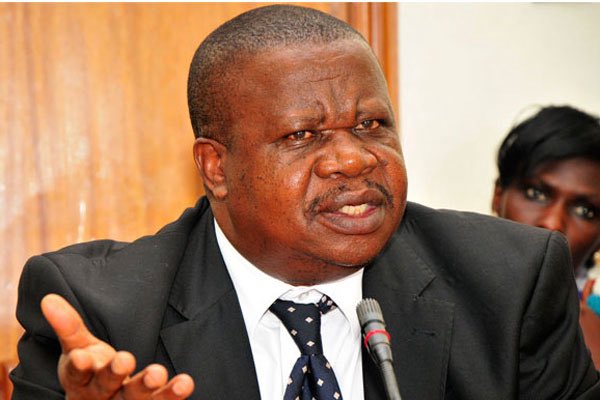
Major General Kahinda Otafiire is one of the 27 fighters who launched the National Resistance Army (NRA) bush war in 1981, a history that has shaped his decades-long career in Uganda’s military, politics and government.
Born in present-day Mitooma District in 1950, Otafiire joined the struggle against the governments of Idi Amin and Milton Obote. He says he spent five years in Luweero during the conflict that brought President Yoweri Museveni to power in 1986.
Otafiire has since held several senior government positions and represented Ruhinda County in Parliament. He served as Minister of Internal Affairs before being appointed Minister of Water and Environment in 2026.
Beyond his military and political career, Otafiire has become known for his direct public statements on corruption, political disagreements and the direction of the NRM.
In October 2026, he told Parliament that disagreement was not the problem, but how it is resolved, saying “the hallmark of civilization is how people resolve contradiction without violence.”
He added that the greatest generals solve problems without firing a bullet.
Days later, amid a public dispute involving Gen Muhoozi Kainerugaba, Otafiire again invoked his wartime history.
Retired Colonel Fred Mwesigye was one of the original National Resistance Army fighters who launched the bush war with the 6 February 1981 attack on Kabamba Barracks.
Recorded as RO 27, he commanded the Nkrumah unit, a group of about 40 to 50 fighters, and was among the top NRA commanders when Kampala fell in 1986.
Born on 9 September 1956 in Nyabushozi, now in Kiruhura District, he attended Kazo Primary School and Makobore High School, and later earned a Bachelor of Business Administration (2003) and a Master’s in Peace and Conflict Studies (2010) from Makerere University.
After the war he was general manager of Luweero Industries (about 1987–1994) and managing director of the National Enterprise Corporation, the army’s commercial arm, until he retired as a colonel around 2010.
He represented Nyabushozi County in Parliament for the NRM from 2011 to 2021, including a spell as chair of the Committee on Presidential Affairs, before losing the 2020 NRM primaries to Wilson Kajwengye.
In December 2021 President Museveni appointed him High Commissioner to Tanzania, replacing Richard Kabonero.
He is also accredited to Mozambique, Zambia, Malawi, Madagascar, Mauritius and Comoros. He is married to Enid Mwesigye.
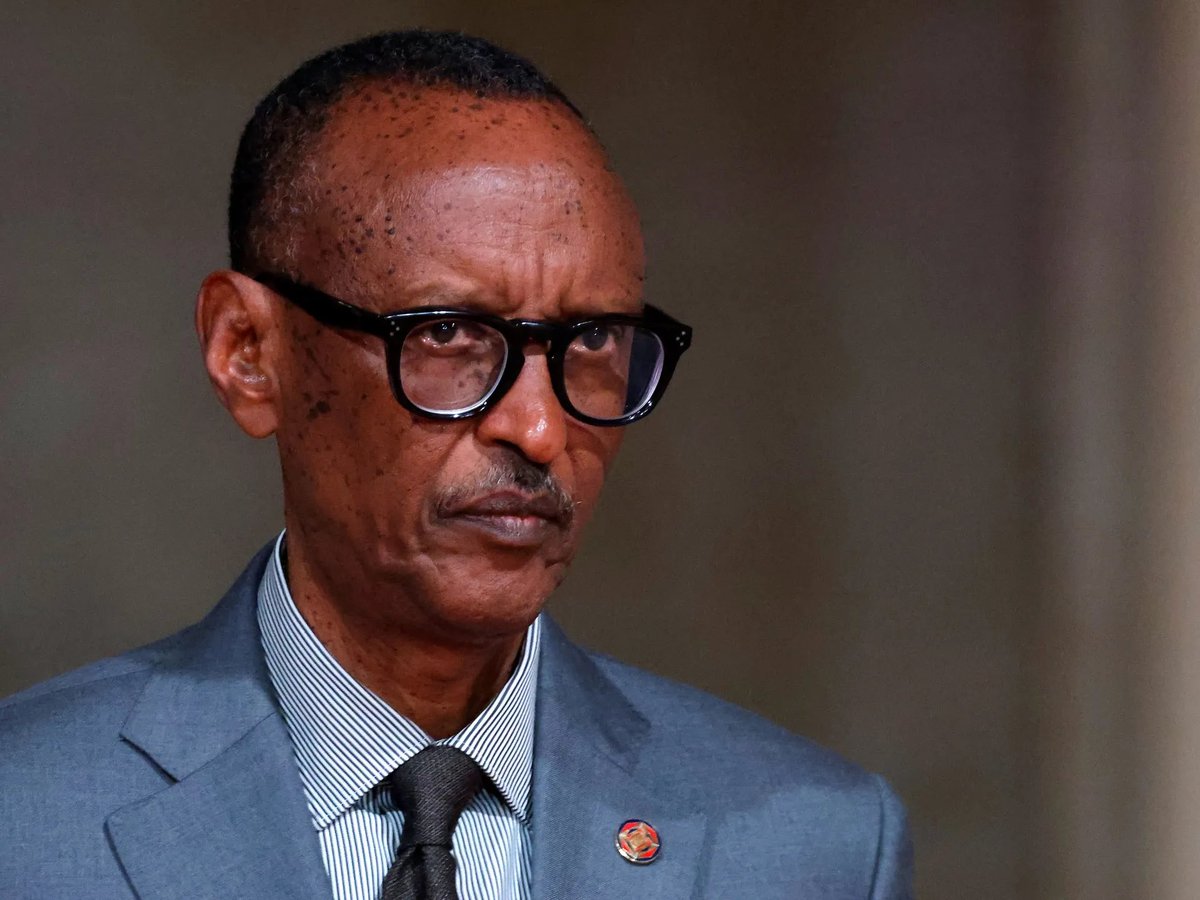
Paul Kagame rose from a counter-intelligence officer in Yoweri Museveni’s National Resistance Army (NRA) to lead the Rwandan Patriotic Front (RPF) and eventually become Rwanda’s president.
Born on 23 October 1957 in Tambwe, southern Rwanda, Kagame’s family fled to Uganda around 1959–60 amid violence against Tutsis, and he grew up as a refugee.
In 1979, after intelligence training in Tanzania, Kagame joined Museveni’s Front for National Salvation (FRONASA). On 6 February 1981, he was among the small group that attacked Kabamba Barracks, launching the NRA’s bush war against the government of Milton Obote.
Rather than serving primarily as a frontline fighter, Kagame worked in intelligence, becoming a trusted officer who reported directly to Museveni, monitored internal threats and helped enforce discipline in the Luwero bush.
After the NRA captured Kampala in January 1986, Kagame became deputy director of Military Intelligence under Maj. Gen. Mugisha Muntu.
He later helped Fred Rwigyema build a network of Rwandan Tutsi officers within the NRA. When Rwigyema was killed days after the RPF invaded Rwanda on 1 October 1990, Kagame left a military course in the United States and took command of the rebellion.
The RPF ended the 1994 genocide. Kagame became Rwanda’s president in 2000 and remains in office.
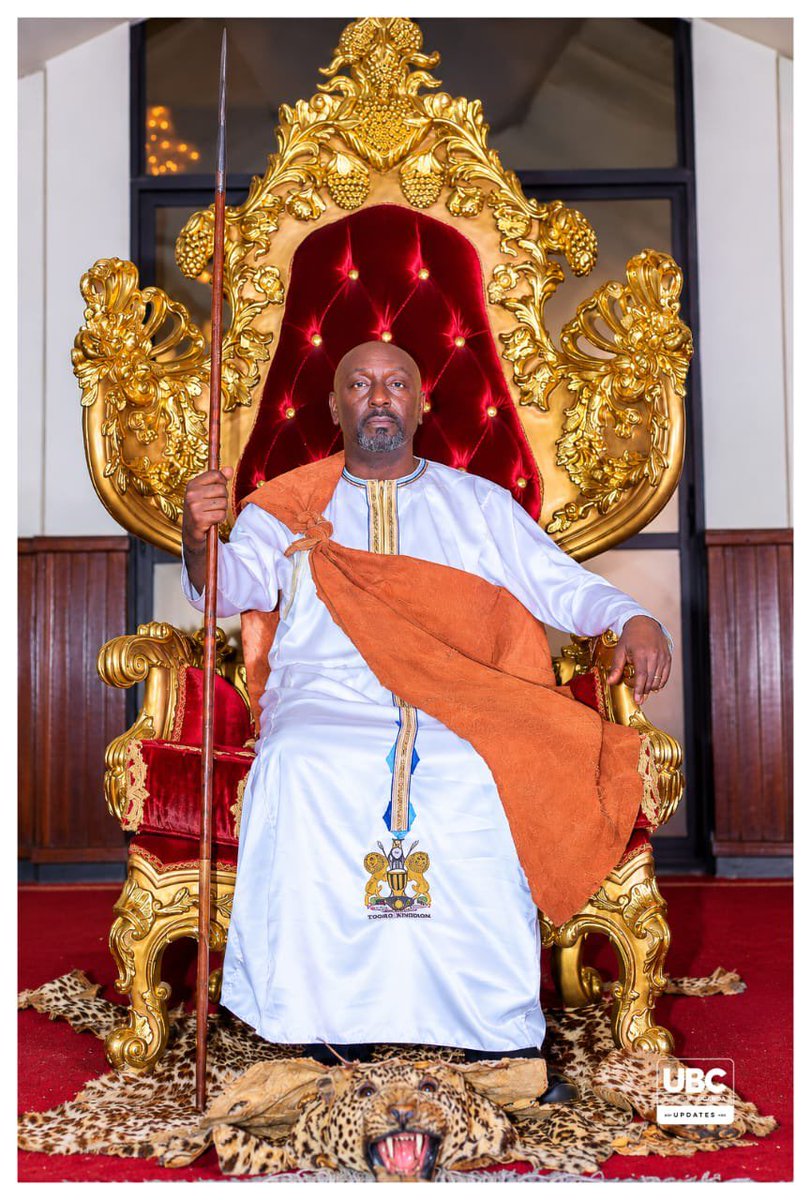
I can’t help but wonder at the chaos & scramble that must have ensued within the state as intelligence chiefs and heads of arms of government dashed to learn everything they could about him as they realised that little known UBC TV anchor Edward Rukidi Kijanangoma was likely to become the next Omukama of Tooro Kingdom.
Mwai Kibaki arrived at Makerere in 1951 from Mang’u High School after abandoning plans to join the army. He studied Economics, History and Political Science at University College of East Africa, graduating in 1955 with First Class Honours in Economics and emerging top of his Arts class.
His academic performance earned him a Commonwealth scholarship to the London School of Economics, where he studied Public Finance and graduated with distinction.
After briefly working for Shell in Kampala, Kibaki returned to Makerere in 1958 as an assistant lecturer in Economics, becoming part of the institution’s growing economics faculty.
He also held student leadership positions, serving as chairman of the Kenya Students Association and vice-chairman of the Makerere Students Guild in 1954–55, during a period of rising East African nationalism.
Kibaki left Makerere in 1960 to join Kenya’s KANU party, beginning a political career that eventually took him to Kenya’s presidency from 2002 to 2013.
In 2019, Speaker Rebecca Kadaga warned MPs and protocol staff about their conduct ahead of the Commonwealth Parliamentary Conference in Kampala, including cautioning them against inappropriate relationships with foreign delegates.
Speaking on September 11, 2019, ahead of the September 22–29 conference at Speke Resort Munyonyo, Kadaga urged officials to maintain discipline and dignity while hosting about 1,000 parliamentarians from 53 countries.
She advised them on dressing, eating and drinking, telling them not to rush meals or overload their plates.
But her comments about foreign delegates drew particular attention.
Kadaga told officials to escort delegates to their rooms, leave luggage with hotel staff and avoid lingering.
She then recalled the 1979 arrival of Tanzanian troops who helped remove Idi Amin.
“There was excitement and a number of children were born… We know their mothers, but we don’t know their fathers,” Kadaga said.
She jokingly asked: “A man from Jamaica, when will you see him again?”
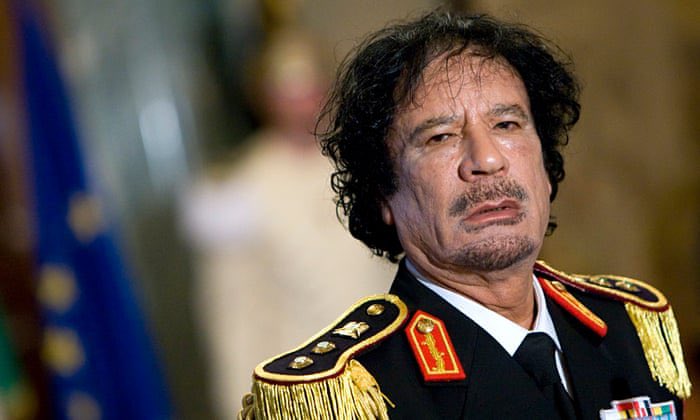
In 2010, former Libyan leader Muammar Gaddafi slapped one of his aides twice after being taken to the wrong hall during the African Union summit in Kampala.
On July 26, Gaddafi was being escorted to Meera Hall at Speke Resort Munyonyo, where other African heads of state were meeting. Instead, his aides led him to Victoria Hall.
When a Ugandan security officer pointed out the mistake, Gaddafi turned on one of his aides and slapped him twice, according to contemporary reports.
He eventually reached the correct hall but stayed for only about 30 minutes before walking out. He then sat in the resort gardens on a plastic chair and ordered his aides to prepare tea on a charcoal stove.
The unusual scene quickly attracted delegates and journalists, prompting security officers to shield him from cameras.
The incident came a day after a separate confrontation between Libyan and Ugandan security teams at the summit venue.
Gaddafi later lifted the plastic chair and disappeared among the flowers.
In 2003, George Okudi turned an Acholi gospel song into a national hit, taking “Wipolo” from church gatherings to weddings, discos and mainstream radio.
The Soroti-born pastor had already spent years preaching and making music, but “Wipolo” changed his career. Its infectious dancehall and soukous-style rhythm helped the worship song cross into Uganda’s secular music scene.
At the inaugural Pearl of Africa Music Awards in October 2003, Okudi won Best Gospel Single and Best Gospel Artist for the song.
Two months later, “Wipolo” took him to Johannesburg, where he made Ugandan music history at the Kora All Africa Music Awards. He won Best Male Artist, East Africa, defeating fellow Ugandans Jose Chameleone and Bebe Cool, before also taking Best African Male Artist.
Okudi became the first Ugandan to win at the Koras.
His success, however, did not last. After becoming a major gospel star, he moved to the United States and largely disappeared from Uganda’s mainstream charts.
But “Wipolo” survived. More than two decades later, the song remains his defining musical legacy.