Our 2024 city projects span across the three categories defined as OECD countries.
Togo, Nigeria, and Botswana each represent different categories: least developed country, lower middle-income country, and upper middle-income country, respectively.
#TheGreenMandate: TIME TO MOVE
The immediacy, pace, and extent of change can hit anyone.
Do not underestimate it.
But remember this: it is the early movers who will seize the significant advantages. Let me show you how.
Change is going to happen faster than you think. It will disrupt nearly every sector of the world economy. But it will also turn this massive net-zero transition into our greatest opportunity.
Yes, an accelerating transition challenges traditional business models. But it creates unprecedented openings for those who move first.
To be early might be challenging.
But to be late? To be late will be devastating.
The leadership of early movers carries an outsized impact. Throughout history, monumental change has been triggered by a single person, or a single company, boldly moving ahead of their sector.
They do it by raising the bar for their industry.
By reshaping its context.
By disrupting their very own business approach.
They win by proving that new models can work economically, and by finally providing customers with a truly sustainable choice.
Climate leaders will not just create more value. They are changing the entire game. They compel everyone else to follow them.
Right now, every single sector needs to navigate an unprecedented global transformation. There is no blueprint for what lies ahead. But this moment right here can be our guide for what to look out for, and the strategic moves we need to consider.
It is time to commit. It is time to engage. It is time to act.
The world is embarking on the biggest peacetime transformation in human history. This is a time like no other for bold, ambitious leadership.
It is time to move.
A world where women and children never go to bed hungry is possible.
This is #TheGreenMandate
Lord Freedom Force
:::: March 2022 :::::
African farmers cried bitterly, and I heard their cries. With the CNTC, they need not follow the rules to stay in the game; they now own the infrastructure the game is played on.
#TheGreenMandate
@Marc_Ben Sub-Saharan Africa is militarized more than ever, consequently youths are dying. A hungry man is an angry man, they say.
We have a solution:
A non-kinetic approach to tackling insecurity through decent job creation in the sector with the least barrier to entry; AGRICULTURE.
Enables traceable, deforestation-free, & carbon-accounted agricultural exports, starting with cocoa, shea, and cashew. Empowers rural farmers, especially women and youth, to earn additional income from their environmental stewardship via verifiable climate data and carbon assets.
The Green Mandate is pioneering the first model of African-led green trade infrastructure; Carbon-Neutral Trade Corridor (CNTC). A digital traceability system that provides a practical and scalable response to rising global sustainability regulations, including the EUDR.
The Green Mandate is pioneering the first model of African-led green trade infrastructure; Carbon-Neutral Trade Corridor (CNTC). A digital traceability system that provides a practical and scalable response to rising global sustainability regulations, including the EUDR.
We envision a world where women and children will never go to bed hungry and this is at the core of the work we do @TheGreenMandate.
"Hunger is not an issue of charity. It is an issue of justice." - Jacques Diouf
#TheGreenMandate
Oh Europe! GOOD NEWS
Without cleaning up the NIGER-DELTA, the third largest Delta in the world, there will be NO export of its gas to anywhere!
The devastating numbers are there: Over 7,000 oil spills in the Niger-Delta between 1979 and 2000, releasing an estimated 13 million liters of crude oil into the environment.
Displacement, deforestation, oil spills, pollution, human rights abuses, revenue mismanagement, lack of investment in local communities, extrajudicial killings, torture, arbitrary detention, the list is tirelessly endless.
Right now, the Trans-Saharan Gas Pipeline project is environmentally, socially, and economically questionable and unsustainable.
Oh Europe!
Why would you yet again seek to profit from this most unholy of ventures?
This same land where the gruesome Biafran war raged in July 6, 1967 through January 13, 1970.
Without cleaning up the Niger-Delta, there will be no export of its gas to anywhere!
#TheGreenMandate
Les Miserables Cities!
Behold our cities. Oh, what spectacle we have created! In our passion for progress, we've built cities that shine but do not smile, that soar but do not sing.
I believe we have approached a critical time, where we desperately need visionaries who can imagine cities beyond concrete and steel, who can see past our car-dependent societies and their fossil-fueled anxieties, to envision new ways of urban living. We need urban planners and architects who remember what cities were meant to be: sanctuaries of human connection, not monuments to isolation.
In this crucial moment, we need designers who must understand the difference between building for profit margins and crafting spaces for human flourishing. The developer's spreadsheet often conflicts with the essence of community building. We live in an era of mega-developments and endless sprawl. Their inevitability seems absolute - as did the necessity of highways cutting through neighborhoods. But just as communities have reclaimed and transformed abandoned elevated rails into green corridors, power structures can be reimagined by determined citizens.
Change often begins in neighborhoods - in community gardens, in local markets, in street festivals where people rediscover the joy of car-free spaces. The 15-minute city is not only an urban planning concept; it's an evolution in how we perceive time, space, and human connection. It is an indicator that a city's wealth isn't measured in skyscrapers, but in the distance between a child's home and their school, between an elderly resident and their doctor, between any resident and their daily needs.
As we face climate crisis and social atomization, I refuse to watch our urban fabric get torn apart by profit-driven development. The reward we seek is not in property values or retail profits. The reward is in liberation - from car dependency, from social isolation, from environmental degradation. The reward is in rediscovering what makes us human: our need for connection, community, and contact with nature. The reward is in freedom - freedom to live, work, and thrive in harmony with our environment and each other.
The Masquerade City is a place where we can live, work, earn decent money and play like a child.
Wana join us?
#TheGreenMandate
#ForceIsHere
African cities are not yet the engines of economic growth that they could be.
The infrastructure gap alone is immense.
The need to equip cities to prosper in an uncertain future is urgent.
We are building resilient cities and redefining what urbanization should be.
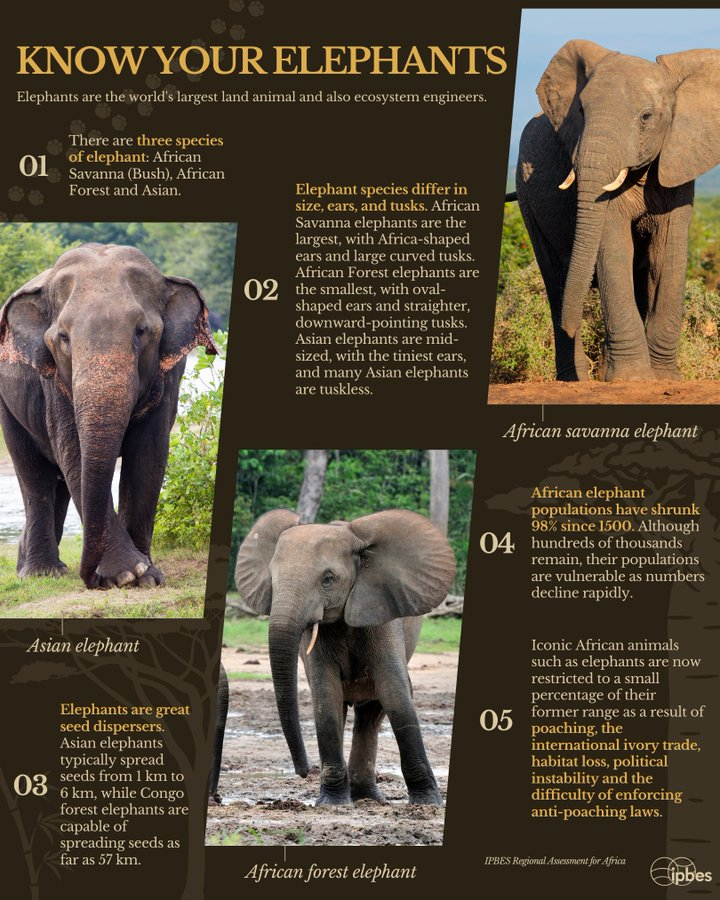
🐘 As the largest land mammals, elephants maintain forest & savanna ecosystems, fostering rich #biodiversity.
Yet all 3 elephant species are endangered under the @IUCNRedList. Let's protect these iconic animals
Learn more from the infographic via @IPBES 👇
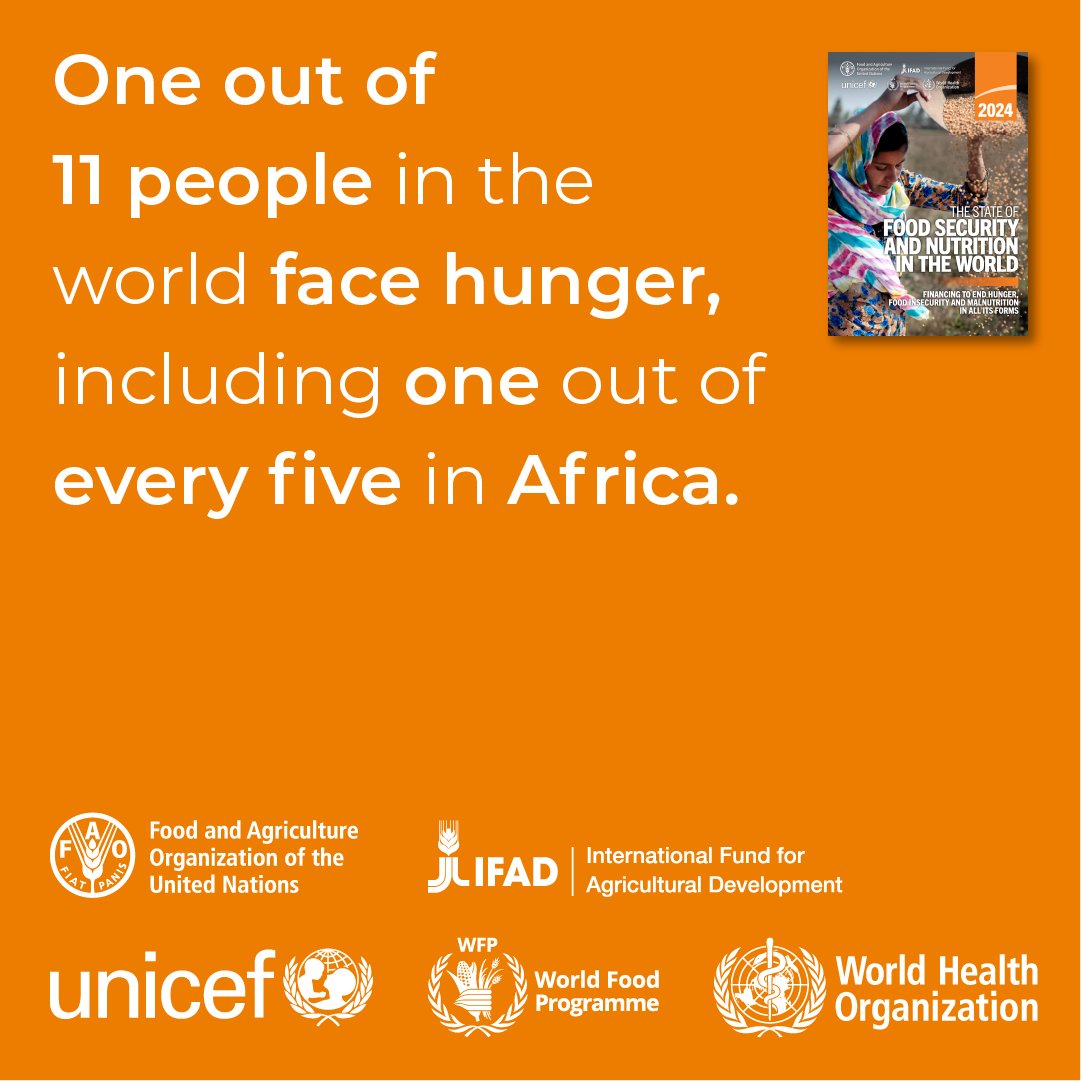
1 in 5 people in Africa faced hunger in 2023, and the trend is worsening.
The #SOFI2024 report reveals a stagnation in progress toward ending global hunger and malnutrition.
Read more ⬇️
https://t.co/W34PdTsncs
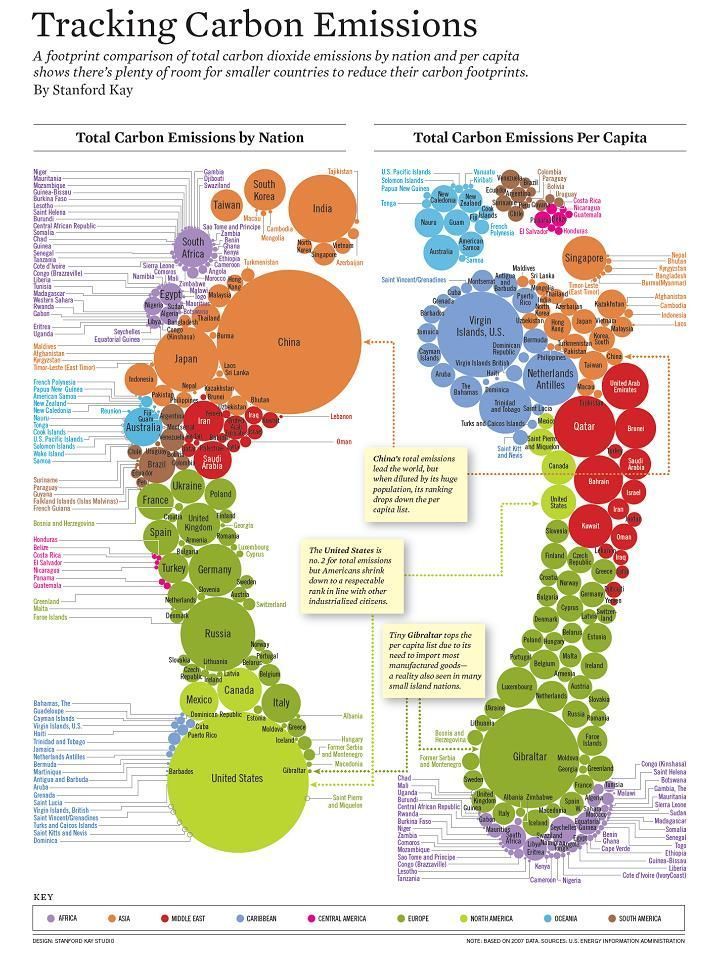
This infographic shows the flip side of ☀️deforestation as the most significant contributor to 🌡 #climate change – our unrelenting carbon dioxide emissions.
Here we can see the multiplicative effects of our growing population.
via @SavingNature1#biodiversity
Our 2024 city projects span across the three categories defined as OECD countries.
Togo, Nigeria, and Botswana each represent different categories: least developed country, lower middle-income country, and upper middle-income country, respectively.