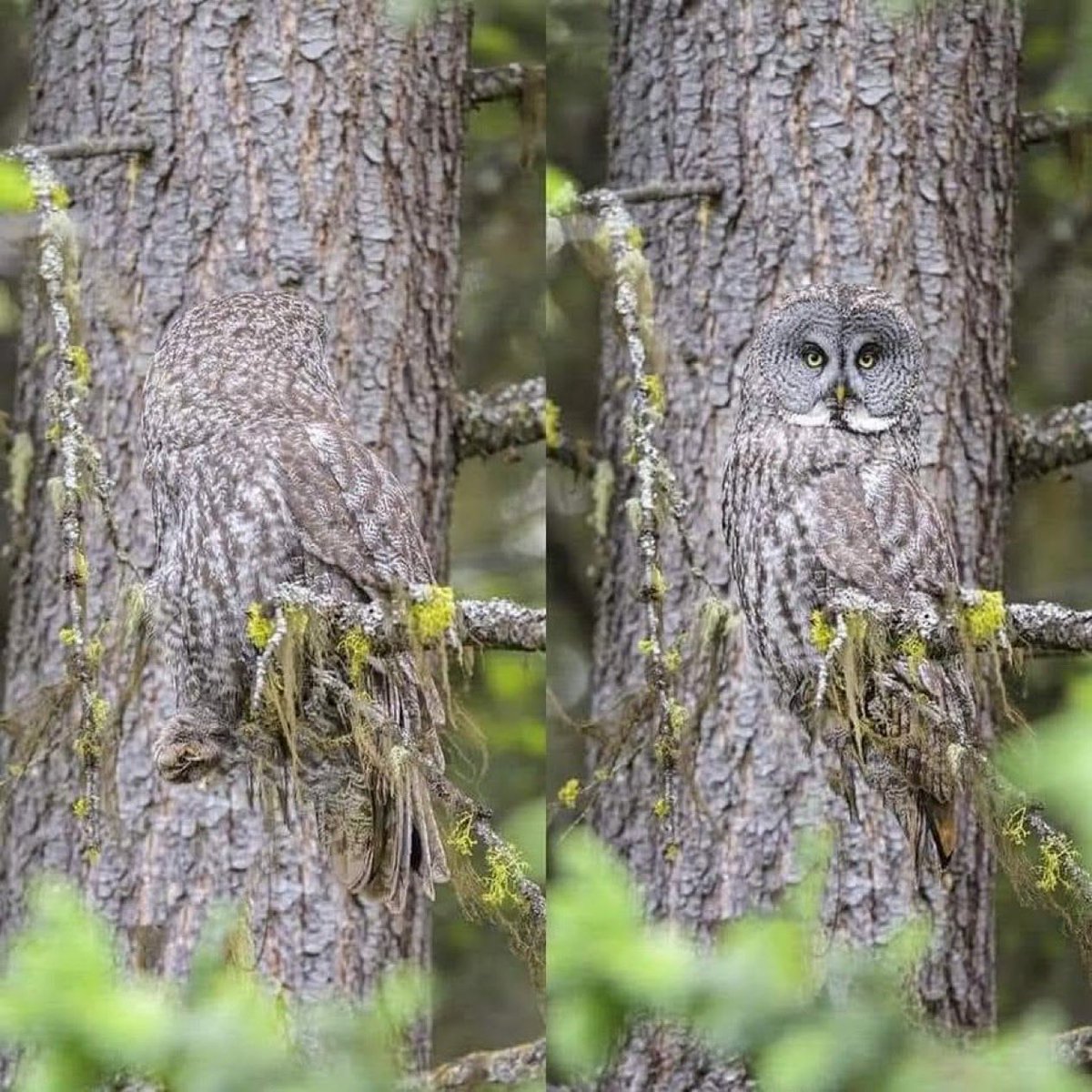
Clouded leopards really are stunning cats, very hard to see in the wild.
The global population of the mainland clouded leopard (Neofelis nebulosa) is estimated to be between 3,700 and 5,580 mature individuals.
[📸 Fauna & Flora and Wildlife Alliance]
You never really know how big a Bluefin Tuna is until you're up close and throwing fish to see him. Then it hits you real quick, this ain't no ordinary fish, this is a slab of muscle with fins 🐠 🐟
Sensory overload, a close look inside a massive baitball. The water was filled with fish blood, the mahi paid no attention to divers, the sea lions took their turn, pelicans attacked from the sky, and all that was left were shimmering scales glistening in the water column.
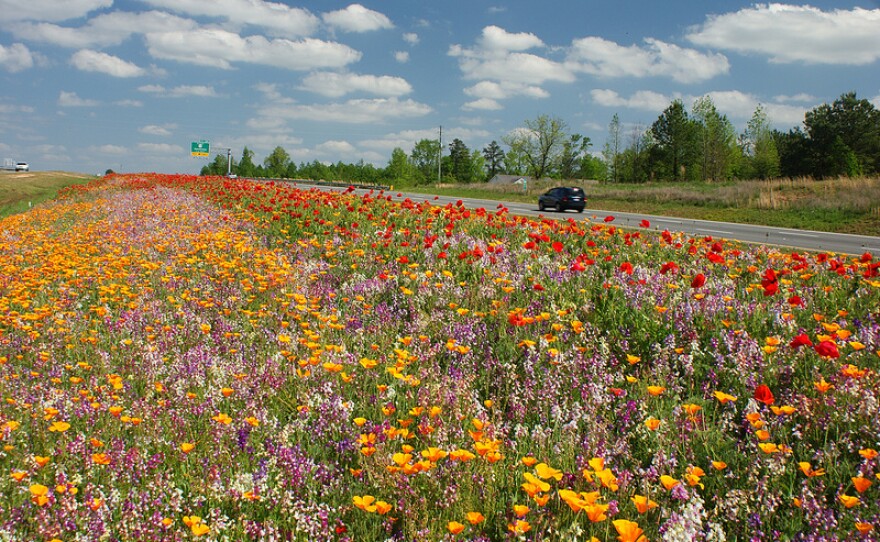
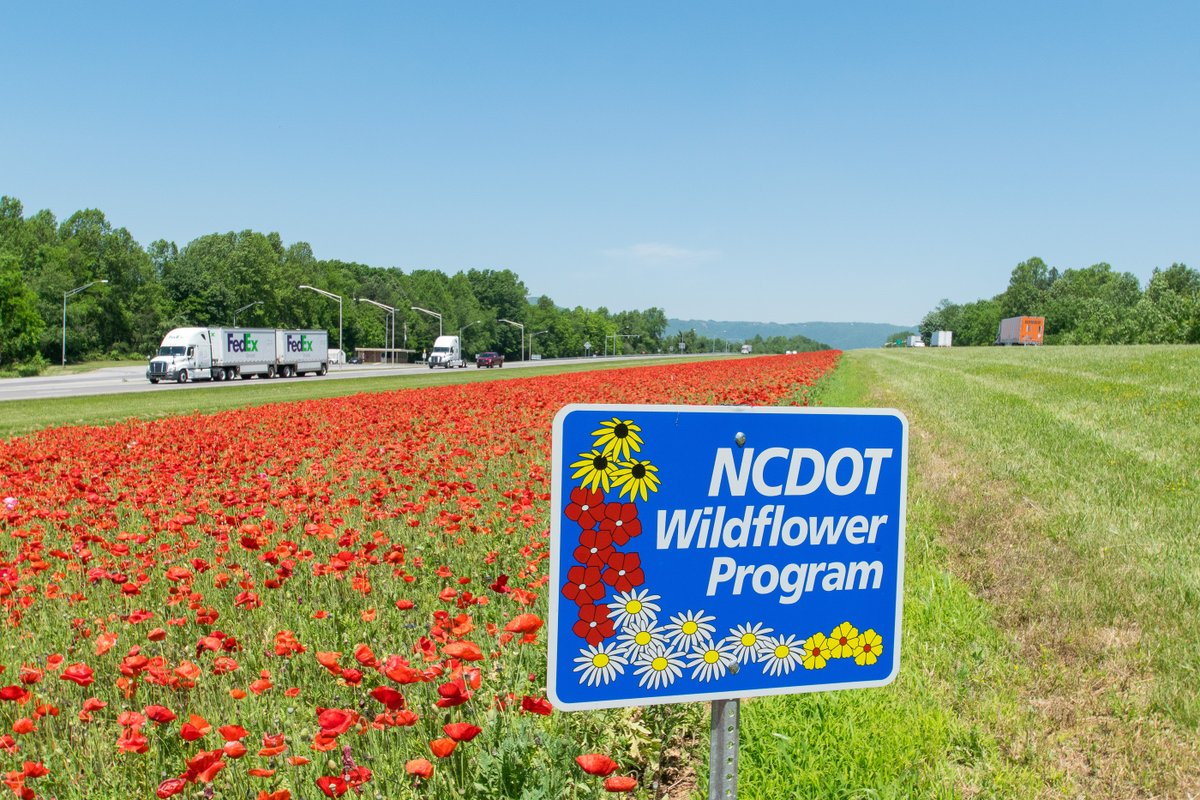
The US mows roughly 12 million acres of roadside every year. That's larger than the state of Maryland, maintained as mowed grass that feeds almost nothing, at a cost of hundreds of millions of dollars annually.
North Carolina figured out a better use for it in 1985. What started as 12 experimental acres of native wildflowers planted along roadsides has grown to 1,500 managed acres across the state, saving an estimated $200,000 a year in mowing costs while providing habitat for pollinators, birds, and the beneficial insects that control crop pests on nearby farms.
A 2024 BioScience review found something surprising to many: a mown safety strip immediately adjacent to the pavement, with native wildflowers planted in the wider verge beyond it, actually reduces insect mortality by keeping pollinators on one side of the road rather than crossing it.
12 million acres is an enormous amount of potential habitat that currently does almost nothing. The fix isn't complicated. It's mostly just stopping the mower in the right places.
Studies:
Doi 10.1093/biosci/biad111
Doi 10.1007/s10841-018-0051-2
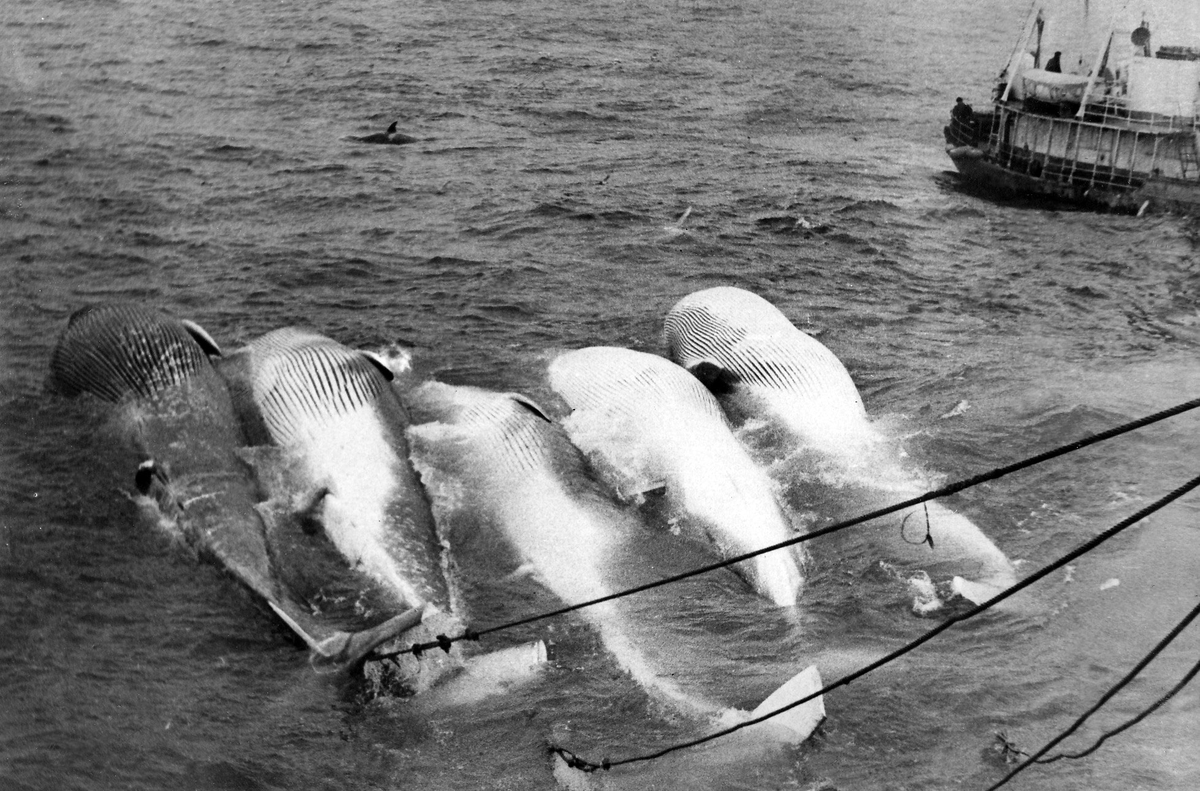
The Soviet whaling fleet killed 180,000 whales between 1948 and 1973, delivering rotten carcasses that nobody wanted to eat. Soviet citizens had zero demand for whale meat. The ships hunted anyway, fulfilling quotas handed down from central planners who counted tons of dead whale as economic output.
This was bureaucratic box-checking that nearly drove multiple whale species to extinction. Soviet whalers targeted endangered right whales and humpbacks specifically because they were larger, helping them hit tonnage targets faster. The meat rotted on deck during long voyages back to port, where officials dutifully recorded the numbers and sent reports to Moscow declaring another successful harvest.
Central planners measured success in tons harvested, not consumer satisfaction or long-term sustainability. Factory managers got promoted for exceeding whale quotas, regardless of whether anyone actually wanted whale meat (they didn't). The feedback mechanism that normally connects production to human needs had been severed entirely. When bureaucrats replace market prices with administrative targets, you get mass slaughter with zero purpose.
You still see this today every time politicians promise to "create jobs" in industries that lose money year after year. When government agencies measure their success by dollars spent rather than problems solved. When university administrators chase enrollment numbers instead of student outcomes.
Remove the profit motive and price signals, and you get 180,000 dead whales rotting in the sun while commissars celebrate meeting their targets. You don't get rational planning.
Socialism is fundamentally destructive to the environment and inevitably leads to ecological disasters.
Photographer Phil Thurston shot a wave.
Slowed it down until those few seconds became 40.
Turns out the ocean is doing something extraordinary every single moment.
We're just moving too fast to notice.
🚨 BREAKING: New Yorkers are shocked after footage goes viral of NYC Mayor Zohran Mamdani's Tenant Director stating that white people will be HEAVILY impacted after they transition property "as an individual good to a collective good"
Absolutely doomed.