❗️❗️What does President Trump tend to gain from the Fed rate cut??
1. Cheaper Debt Servicing – The U.S. has a massive national debt. Lower rates reduce the cost of servicing that debt
2. Weaker Dollar – Rate cuts typically weaken the USD, making U.S. exports more competitive.
❗️❗️Trump’s tariff playbook is back.
Back in 2019, Trump weaponized tariff and caused uncertainty across the global market, pushing the Fed into cutting interest rates. Markets panicked and the Fed cut 3x, stocks soared, and USD weakened. Will Powell resist this time?
Sanae Takaichi has publicly expressed her opposition to BOJ rate hikes, might lead to short term JPY weakness till the next BOJ Monetary policy meeting.
The gold rush may be nearing its end.
With the US–China peace deal easing global tensions, the fear premium that fueled gold’s months-long rally is fading.
Add in already-priced Fed cuts and improving risk sentiment — and the upside is starting to look crowded.
💥 WEEKLY MARKET HIGHLIGHT - 🇬🇧 GBP EDITION
GBP TRADERS, WATCH THIS CLOSELY.
The pound is walking a fine line between dovish rhetoric and sticky inflation. Here’s what’s really moving it 👇
📌 But Inflation Still Bites
Here’s the twist inflation remains elevated, far from the BoE’s comfort zone.
This week’s CPI print could make or break the market’s confidence in early rate cuts.
So where does that leave us?
→ The dollar is in a tug of war between dovish monetary policy and improved global risk sentiment.
→ Short-term direction depends on incoming Fed data which is the CPI on Friday and how durable this US-China détente proves to be.
💥 WEEKLY MARKET HIGHLIGHT - 🇺🇸 US EDITION
What's really driving the USD right now?? 🧵
The dollar is caught between two opposing macro forces, one bearish, one bullish. Let’s break it down 👇
2️⃣ The US-China Peace Deal.
On the other side, the recent peace agreement with China has eased geopolitical tensions and boosted global risk sentiment, supporting the dollar through renewed confidence in the US-led stability narrative.
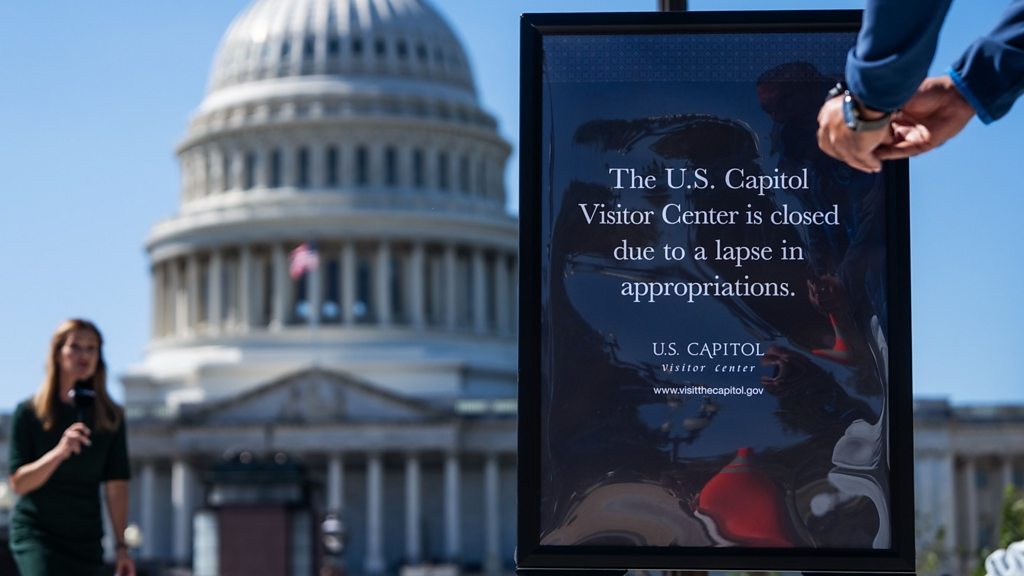
🇺🇸 The U.S. government shutdown could cost the economy $7–15B per week — dragging GDP & consumer confidence lower.
The last major shutdown (2018–19) lasted 35 days and erased $11B in output, $3B of which was never recovered.
The longer it lasts, the heavier the hit on Q4 growth