Just saw Google's latest on why AI models confidently lie. Internal accuracy scores sit around 0.70 to 0.85. Cutting errors to 5% means staying silent on over half of correct answers. Faithful uncertainty is the way forward.
Google just figured out why AI lies with confidence.
Large language models still make confident mistakes on simple factual questions.
A new paper from Google Research explains why this keeps happening.
Models cannot reliably tell what they know from what they are guessing.
The internal score separating right answers from wrong ones sits around 0.70 to 0.85.
Forcing strict accuracy backfires.
Cutting errors from 25% to 5% means staying silent on over half of correct answers.
The team proposes faithful uncertainty.
The model's words should match its actual internal confidence.
Instead of refusing to answer, it hedges honestly.
"I think" becomes a real signal, not filler.
This same awareness tells agents when to reach for search tools.
The paper flags open problems worth tackling:
> Static training versus shifting knowledge
> Alignment erasing confidence signals
> Misleading calibration metrics dominating evaluation
Simulates virtual societies of autonomous AI researchers. The clever part: each AI agent's 'research' is actually just a simulated conversation with other agents. No actual 'research' happening here.
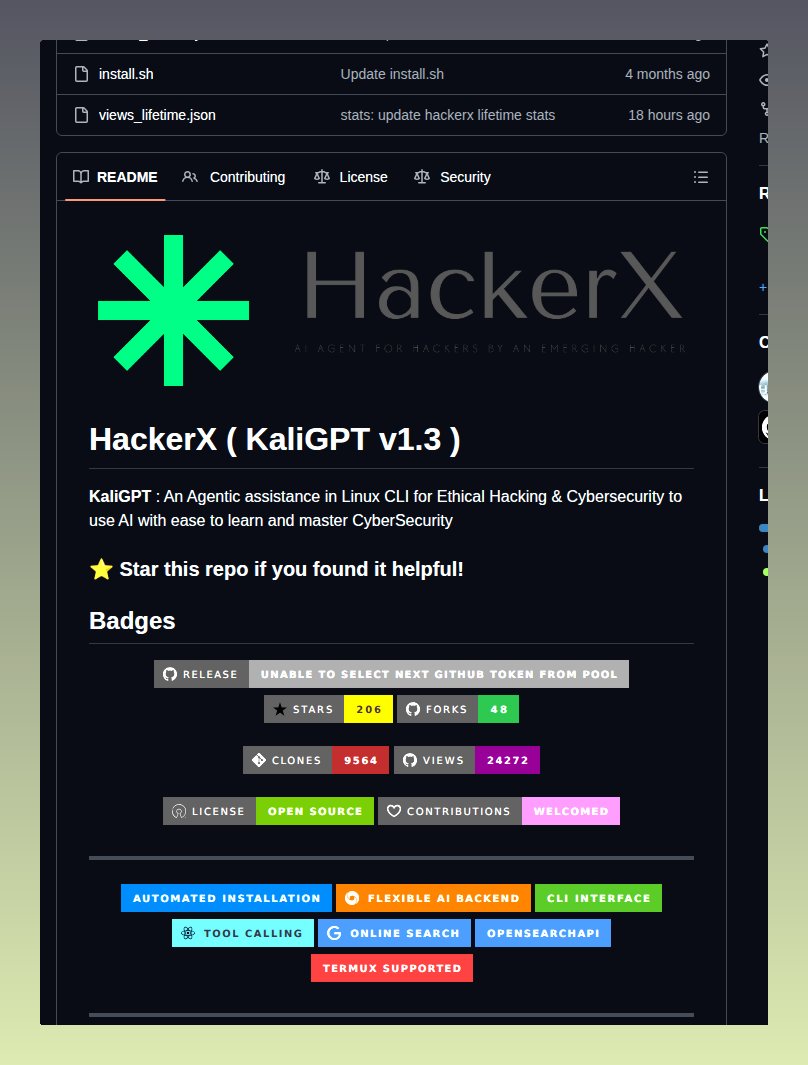
Just saw this repo on @tom_doerr's tweet and I'm intrigued by the '101 cybersecurity skills for security agents' project. What caught my attention is the variety of skills listed, from basic to advanced.
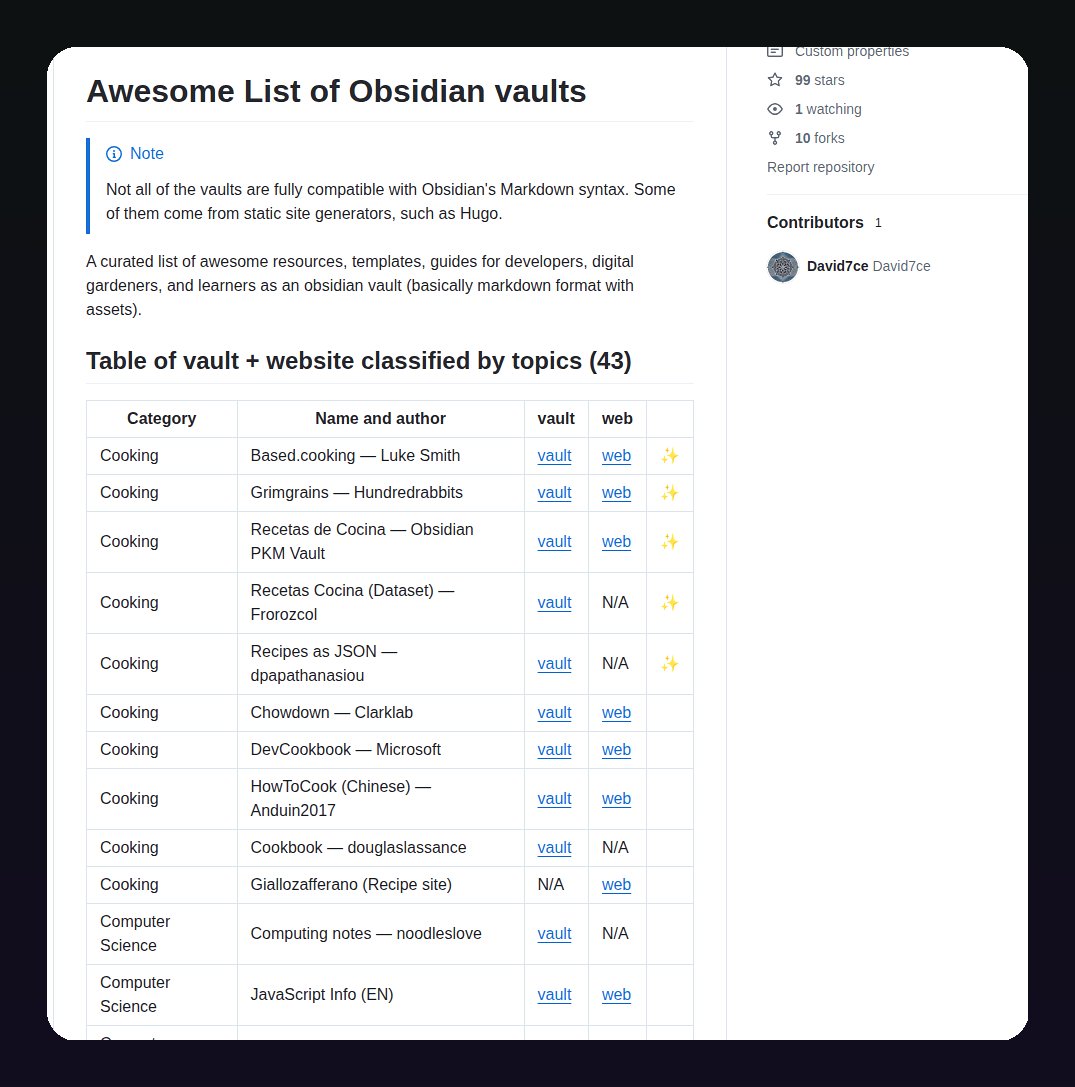
Obsidian vaults just got a whole lot more interesting. This curated list of 40+ vaults shows the diversity of Obsidian's use cases, from note-taking to knowledge management.
New project idea but left the laptop at home? 😬
Create a repo right from your phone. Name it, set visibility, and adjust the details in the GitHub Mobile app. 📱
https://t.co/PYhtT0MYuv
@cjzafir What's the real-world impact of teaching AI model fine-tuning to beginners? Can we measure it in tangible metrics like increased model adoption or improved AI outcomes?
Just found a QGIS plugin that lets you search 5000+ Google Earth Engine datasets directly in QGIS. Mind-blowing for anyone working with remote sensing data.
Reasonix is a terminal-based AI coding agent built specifically for DeepSeek, engineered around byte-stable prefix-cache mechanics, and achieves a 99.82% cache hit rate in real-world workloads, reducing costs from ~$61 to ~$12.
Reasonix is a terminal-based AI coding agent built specifically for DeepSeek, designed to keep token costs low through stable prefix caching across long sessions.
- DeepSeek-only, engineered around byte-stable prefix-cache mechanics
- 99.82% cache hit rate in a real single-day workload
- ~$12 cost instead of ~$61 on the same workload without cache
- Top-3 in LLM velocity on Oosmetrics, with active Discord community
RMUX's auto-reconnecting SSH sessions are a huge productivity boost. No more tedious re-authentications. What's the cost of a lost connection? Did you benchmark the re-connection time?
RMUX is a Rust terminal multiplexer that keeps SSH sessions alive after disconnection, built for both humans and AI agents.
- Tmux-compatible CLI with all 90 commands implemented
- Typed SDK for scripting and orchestrating terminal sessions
- Persistent sessions with structured snapshots for inspection
- Native support on Linux, macOS, and Windows