Dr. James Amis, M.D., reveals what many don’t know about getting rid of #plantarfasciitis and so many other foot and ankle issues.
Stay consistent with proper calf stretching - three minutes, three times a day - and you’ll unlock the relief you've been seeking.
“I’ve been a runner for years…Why did I get plantar fasciitis NOW? Doesn’t running HELP me prevent injuries!?”
Dr. James Amis, M.D. gives his answer and explanation.
When do you see significant results from your One Stretch?
Many users of the One Stretch report noticeable improvements within just two weeks of consistent daily use. And on average, individuals begin to see results ranging from as soon as 2 weeks, up to 6 weeks.
Meet Dr. Timothy Charlton, M.D., a globally renowned orthopaedic surgeon specializing in foot and ankle. Dr. Charlton is an advocate for the One Stretch, regularly recommending the One Stretch to his patients.
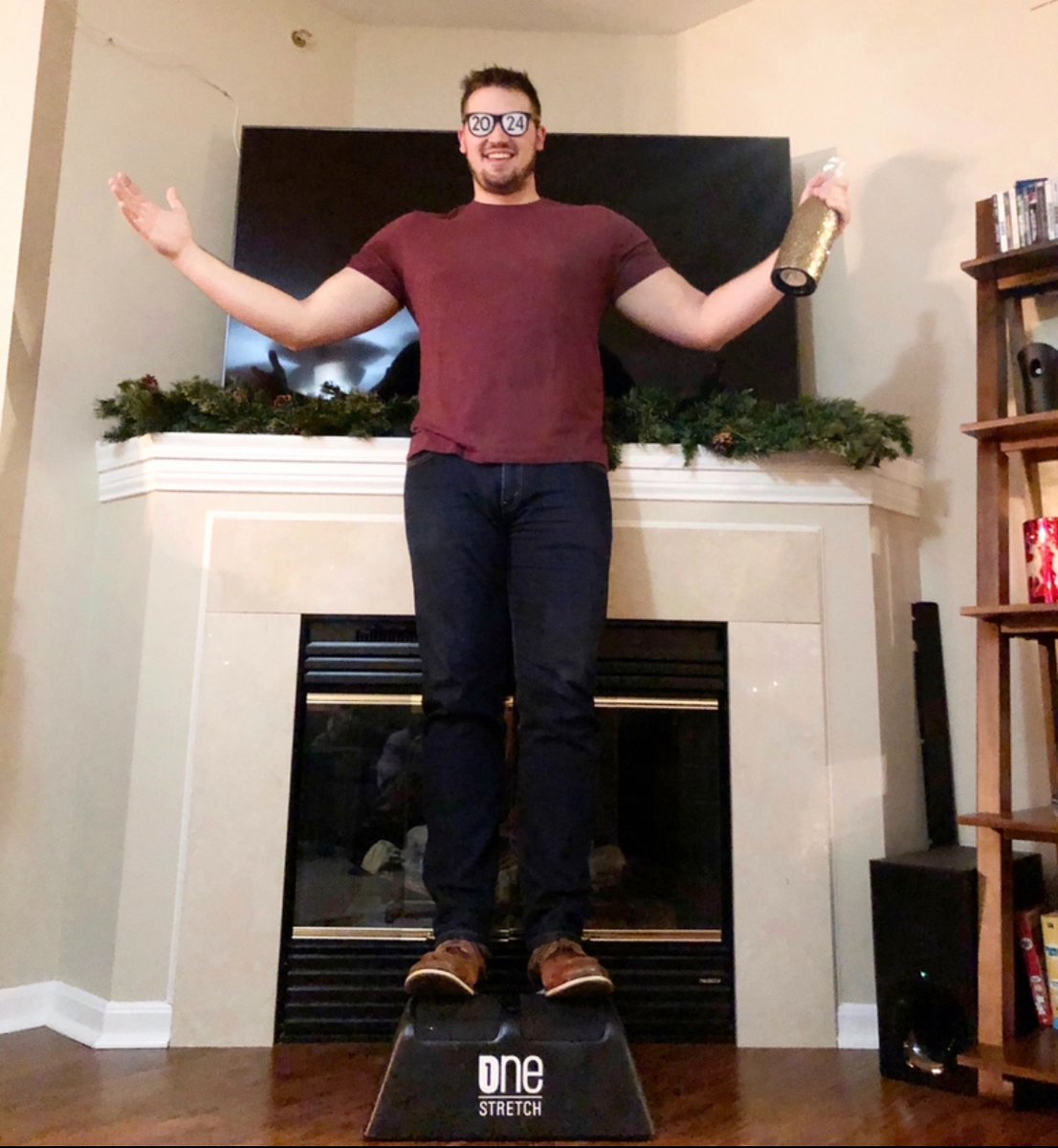
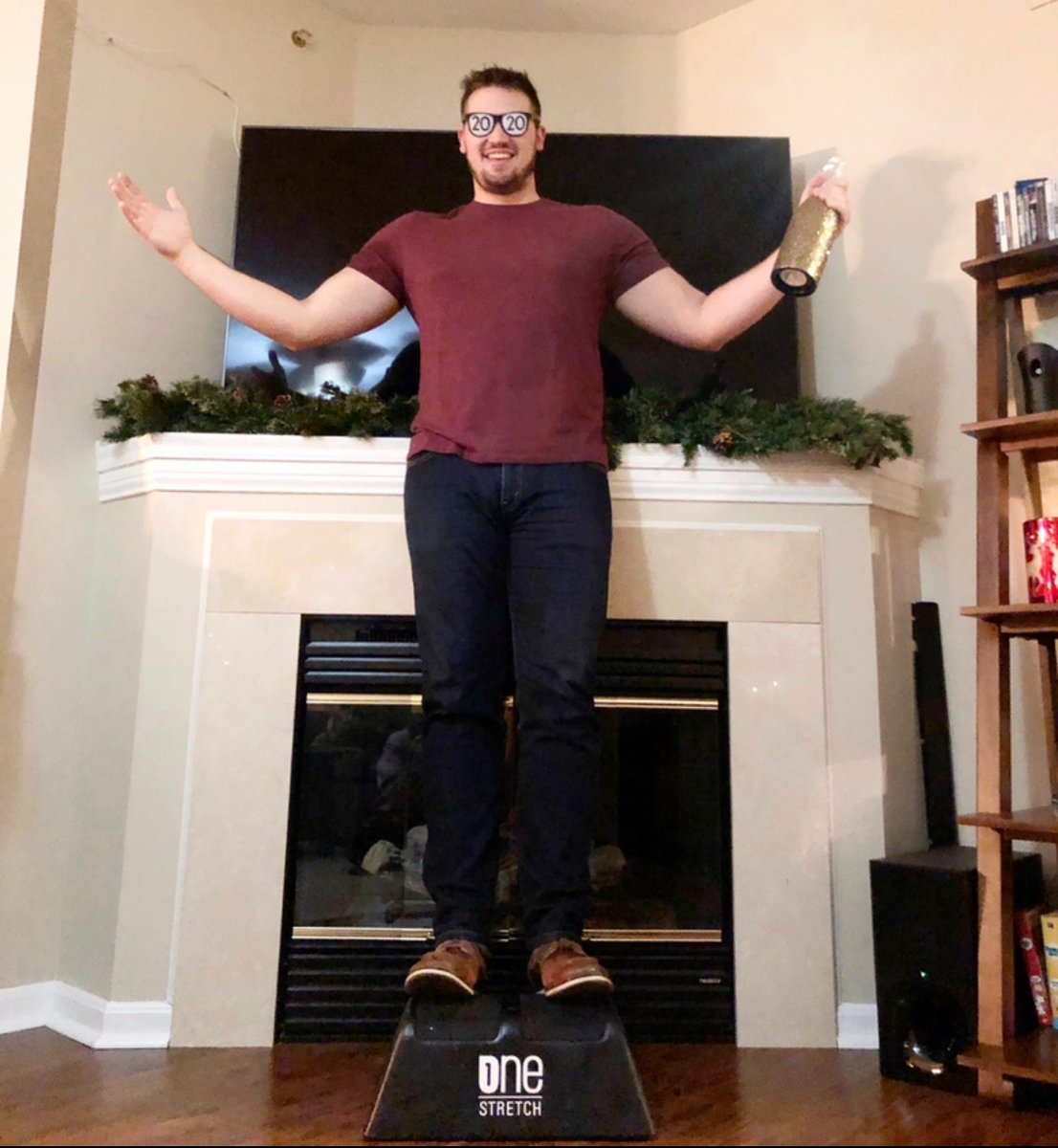
Out with the old, in with the new…
And hopefully, that also includes saying farewell to any foot or heel pain, too, this year! Wishing you a happy new year.
Out with the old, in with the new...and hopefully, that also includes saying farewell to any foot or heel pain, too, this year! Wishing you a happy new year.
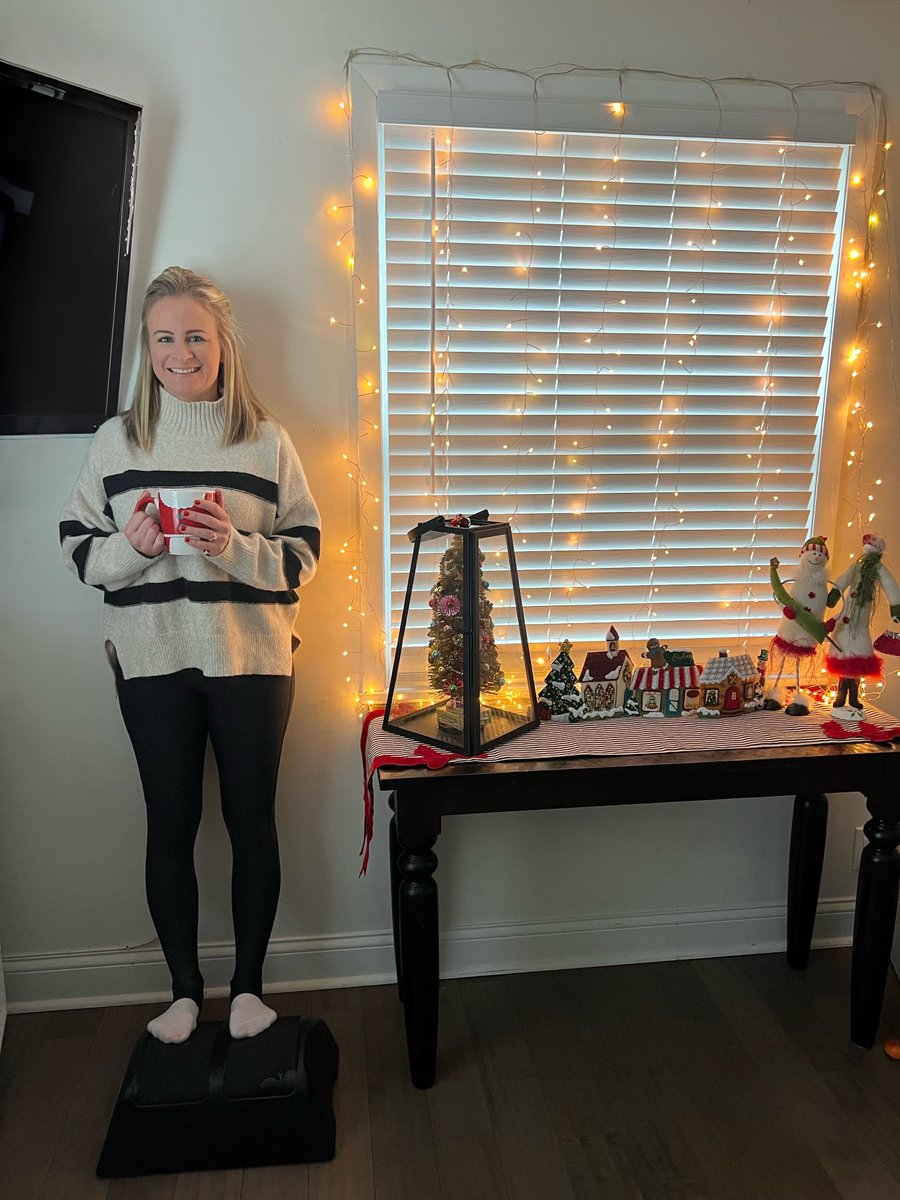
With all the hustle and bustle of the holiday season, don't forget to give your feet a little extra love. Wishing you a Merry Christmas and joyous holiday season!
Dr. James Amis, M.D. didn’t plan on becoming an advocate of calf stretching...but then he saw how beneficial calf stretching was for his patients’ lives.
Think you're too busy this holiday season to learn about equinus? Think again! Dr. James Amis, M.D. explains what equinus (a.k.a. calves that have gotten too tight) really means. Watch ton make this festive season a time for learning and caring for those calves.🎄
Is stretching your calves failing you? Or are you failing to stretch your calves? 🧐
Dr. James Amis, M.D. uncovers a common culprit behind that lingering heel pain and plantar fasciitis.
“How long is it going to take to get rid of this plantar fasciitis through calf stretching?” Dr. James Amis, M.D. answers questions like these all the time… It's all about patience, folks. You can't rush it!
So, slow down, take a deep breath, and keep stretching.
If it becomes chronically inflamed, that’s when you experience pain in the bottom of your foot or your heel.
Stretching your calves helps prevent this from happening.
When your calves are too tight, so is your plantar fascia b/c they are both “connected” through the heel bone. The plantar fascia tends to be the weak link, and can get strained.