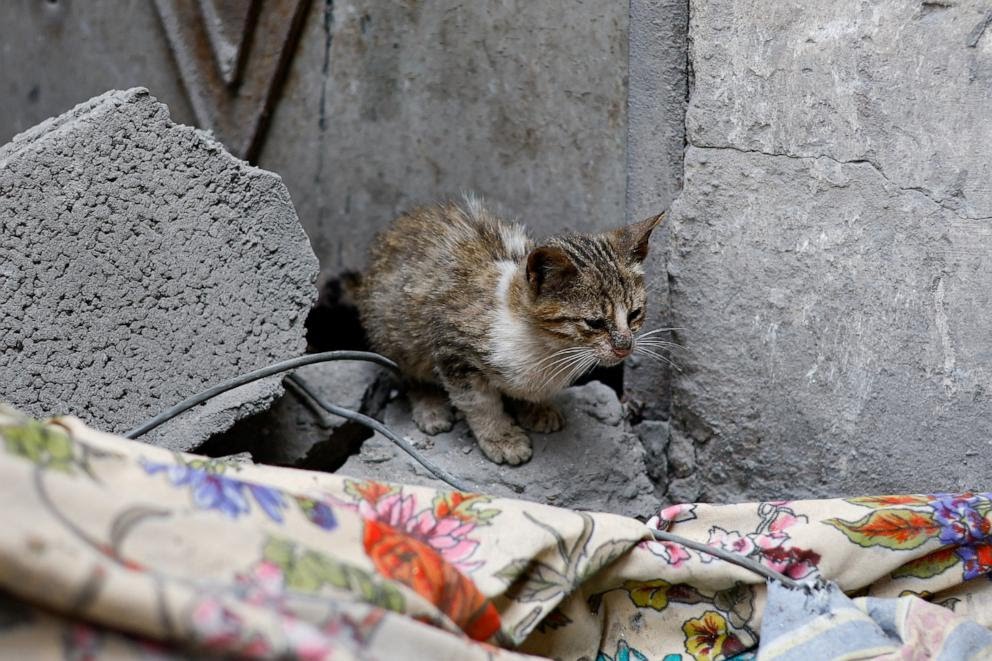
In recent weeks, several Russian regions have seen a deeply disturbing pattern in the way stray dogs are treated in temporary holding facilities. According to animal rights activists, volunteers, and media investigations, many dogs are captured and placed into conditions that are anything but humane. They are often held for as little as ten days, supposedly for quarantine or to find an owner, but in reality they face neglect, poor sanitation, and insufficient food. After this short window, many are labelled aggressive or unplaceable and are killed.
There are serious allegations that instead of humane euthanasia, cheaper disposal methods are used, including burning. In the Stavropol region, volunteers and former workers reported that dogs were placed into furnaces while still alive or only barely immobilised. Similar accounts have emerged from Buryatia and other areas. Local authorities in multiple regions actively support and pass laws that make it easier to euthanise animals, often citing public safety after tragic attacks, while the criteria for aggression remain vague and oversight of facilities is weak.
Complaints from animal advocates are frequently met with silence or the official response that no violations were found. Yet this is not a handful of isolated incidents. Mass graves near facilities, leaked footage, and volunteer testimonies paint a picture of a system where private contractors operate on the principle of faster and cheaper, rather than humane or effective.
In theory, federal law promotes a trap, neuter, vaccinate, return approach, but in practice many regions use loopholes and adopt their own harsh rules. The real root of the problem - irresponsible ownership, lack of mass sterilisation, and weak prevention - is barely addressed.
So what can each of us do right now? The situation is bleak but not hopeless. Document and share what you see. Screenshots, videos, and verified facts create public pressure. Send official complaints with clear evidence to the Investigative Committee, the regional prosecutor, veterinary authorities, and local deputies. Collective appeals carry more weight. Support those already on the ground, independent shelters, volunteers pulling dogs from these facilities, and organisations focused on sterilisation. Even small, regular help matters.
Pressure your local representatives directly. Ask them what percentage of dogs in your area are euthanised and what is being done to reduce the number of captures through sterilisation programmes. On a personal level, sterilise your own animals, avoid uncontrolled feeding of strays, help with trapping and sterilising instead, and if you can, adopt from shelters or assist with finding homes. Sign petitions and join public campaigns. If you have contacts abroad, share information with international animal protection organisations, as outside attention can sometimes force a faster response.
It is important to understand that complaints alone will not fix this. Systemic change requires mass sterilisation, accountable contractors, transparent control over facilities, and genuine support for shelters, not just catching and killing. But until that system changes, every single animal saved and every question raised matters.
If you witness or know of specific cases of cruelty, do not stay silent. Record it. Write about it. Share it with us, and we will do everything in our power.
Stray dogs are not a problem to be simply removed. They are living beings, and as a society we bear ultimate responsibility for them.
#dog #help #dogs
Hot weather is deadly for stray animals. They struggle to find clean water. If you do one kind thing today, leave a bowl of water in the shade. It costs nothing, but can save a life.🐕🐈
Food is important. Water in summer is critical.
Just Open Your Heart ❤️
You don't have to change your whole life to make a difference for stray animals. If adoption or long-term care isn't an option right now, there's still a powerful way to help: keep them hydrated and fed. As the weather warms up, stray cats and dogs face a silent but serious danger - dehydration. A quick stop on your daily route to leave out fresh water and a bit of food takes almost no time, but it can be lifesaving. Think of it as a small act of solidarity with the animals sharing our streets. Consistency matters: even occasional help, repeated over time, builds a safety net that keeps vulnerable animals alive while they wait for their next chance.
A major breakthrough for every cat with a beating heart ❤️
Japanese researchers have achieved something remarkable. Dr. Toru Miyazaki and the IAM CAT team developed an AIM protein injection that helps cat kidneys clear cellular waste. Since chronic kidney disease is the leading cause of early death in both domestic and stray cats, this is huge.
Clinical trial results are promising: even severely ill cats showed significantly improved survival rates and quality of life. If the treatment becomes widely available, cats could live into their late 20s or even 30s.
Global rollout is expected in 2027.
We at The Open Heart are incredibly excited about this news. Every day, we work to get help to as many stray animals as possible right now - while science prepares the next generation of life-saving treatments.
While researchers brighten the future, we can make the present kinder. Mark animals you find on the map, feed and water them, support shelters. Every real action you take brings us closer to a world where cats and dogs have a real shot at a long, happy life.
Together, we're changing what's possible.
Just open your heart.
Our map where you can pin a stray animal and someone else can see it and come to help. No registration needed, no knowledge needed. Just a photo, quick description and a location.
Think of it like Google Maps, but for kindness. 🗺️❤️
Cat brought a dead mouse home? Worried about hantavirus? Here's what you actually need to know.
‼️Important: this is specifically about hantavirus.
Yes, dogs and cats can be exposed to hantavirus through rodents (antibodies are found in abt 16.9% of cats and 4.9% of dogs in Europe), but they do not get sick from it and do not transmit the virus to humans. Likewise, humans cannot infect pets there is no human-to-rodent transmission. The risk flows one way - from rodents to people.
That said, there's a real concern: when cats and dogs hunt rodents or birds during walks, they can pick up other serious diseases. The most common ones:
• Leptospirosis - a severe infection affecting kidneys and liver. Symptoms: high fever, vomiting, diarrhea, jaundice, lethargy, loss of appetite. Untreated, it can lead to kidney failure.
• Tularemia - fever, swollen lymph nodes, pus-filled sores, extreme weakness.
• Toxoplasmosis - often asymptomatic in animals but risky for pregnant people and those with weakened immune systems.
• Salmonellosis - acute bloody diarrhea, vomiting, dehydration, fever, lethargy.
What to do if you're concerned?
Any symptoms like lethargy, fever, vomiting, or diarrhea - see a vet immediately. Early treatment saves lives.
Prevention that actually works:
• Keep rodents out of your home and yard - no exceptions
• Stay up to date on vaccinations and deworming
Take care of yourself, your pets, and your fam. If this was helpful, share it - the more people who know, the safer everyone is.
Just Open Your Heart ❤️
As of April 2026, there are 143 million stray dogs and 203 million stray cats living on the streets worldwide. Another 12 million dogs and 4 million cats are stuck in shelters right now. That means one in every three pets on the planet has no home. These animals face hunger, disease, and constant danger every single day. The numbers come straight from the latest global State of Pet Homelessness report - and yeah, it’s a lot heavier than most people realize. But it’s in our power to help them at least give them a chance at life. You can feed them, pour some water, and add their location on the map in The Open Heart app. There you can find homeless animals in your city or your neighborhood, and others will see the ones you’ve added too.
In Tuapse, Russia right now things are really tough for the animals.
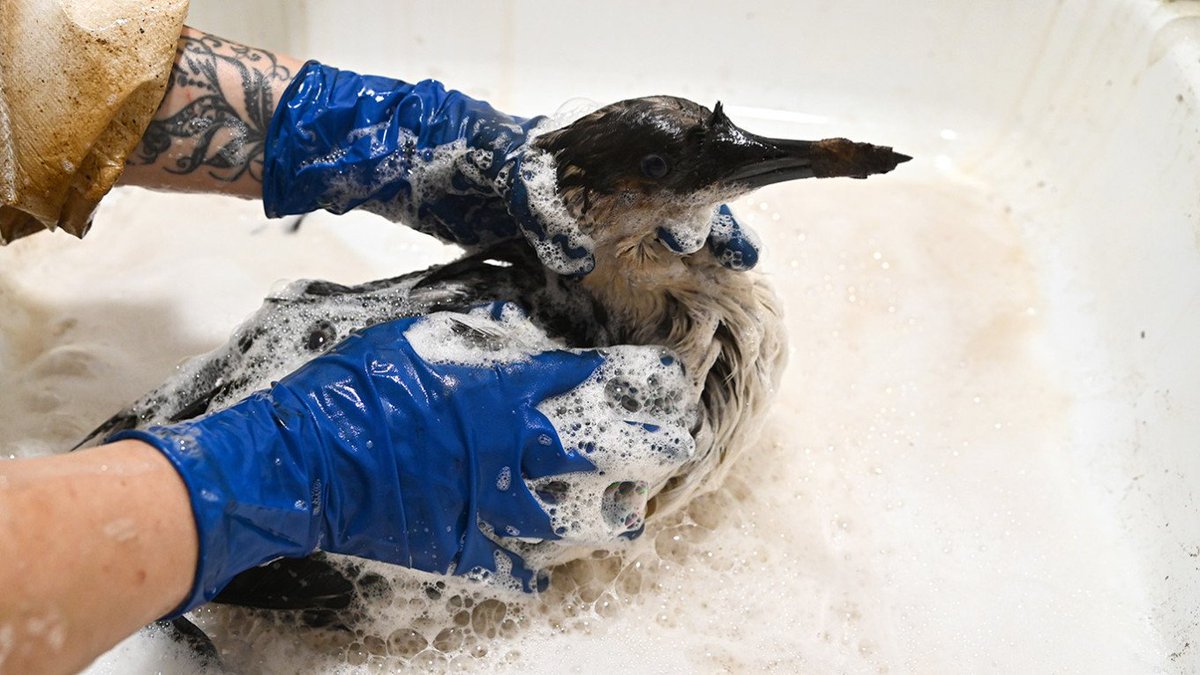
Cause of the fire at the marine terminal, the city has been hit with black toxic rain mixed with mazut.
Stray dogs, cats and birds are walking around covered in sticky black sludge. Many of them are poisoned, can barely move, and are just sitting there on the streets.
If you’re in Tuapse or nearby and you see an animal in this condition - please don’t walk past.
Here’s what you can do yourself right away:
- Wash the animal carefully: first with regular vegetable oil, then with dish soap.
- Give it clean water and food.
If you can, take it home for a while or get in touch with local volunteers.
A quick reminder for pet owners:
- Keep an extra close eye on your dogs especially. They spend more time outside than cats and are much more likely to get this stuff on them. Try to keep them indoors for now and wash them immediately if they come home dirty.
___
В Туапсе сейчас животным очень тяжело.
Из-за пожара на морском терминале по городу прошёл чёрный токсичный дождь с мазутом.
Бездомные собаки, кошки и птицы ходят все в липкой чёрной гадости. У многих признаки отравления, они плохо двигаются и просто сидят на улицах.
Если вы в Туапсе или рядом и увидели такое животное - пожалуйста, не проходите мимо.
Что можно сделать своими силами прямо сейчас:
- Аккуратно отмыть: сначала обычным растительным маслом, потом средством для мытья посуды.
- Дать чистой воды и еды.
Если есть возможность - забрать к себе ненадолго или связаться с местными волонтёрами.
Важное для хозяев питомцев:
- Особенно внимательно следите за собаками. Они гуляют на улице гораздо больше кошек и сильнее рискуют испачкаться. По возможности держите их дома и сразу мойте, если пришли грязными.
Каждое животное важно. Давайте не будем молчать об этом.
Right now, the whole world is watching the Middle East with heavy hearts. strikes between Israel, the US, and Iran, explosions in cities, sirens everywhere… It's terrifying when ordinary people on both sides are hiding in shelters, and the news just keeps hurting.
But in moments like this I think about the ones who rely on us 100% - our pets.
Picture this: sirens screaming, and your dog or cat just looks at you - trusting you completely, not understanding a thing. They can't run or hide on their own.
If you have to evacuate - please take them. Keep a carrier, water, and food ready. Don't leave them behind. They're family. And in chaos? They need you more than ever.
And the strays? The ones already out there, with no shelter, no one to call their own?
If it's safe, and only if - please help:
🥣 Leave food in a quiet corner
🎒 Take one with you if you can
📲 Reach out to local volunteers
In crisis, animals suffer silently. But their pain matters too.
This is precisely why The Open Heart App exists - here, you can mark locations where homeless animals need help, find nearby volunteers, or even help organize evacuations. Please explore the app - together, we can bring a little goodness into this world, even in the darkest moments.
Please - take care of yourselves, your people, and your furry friends.
Peace to everyone.
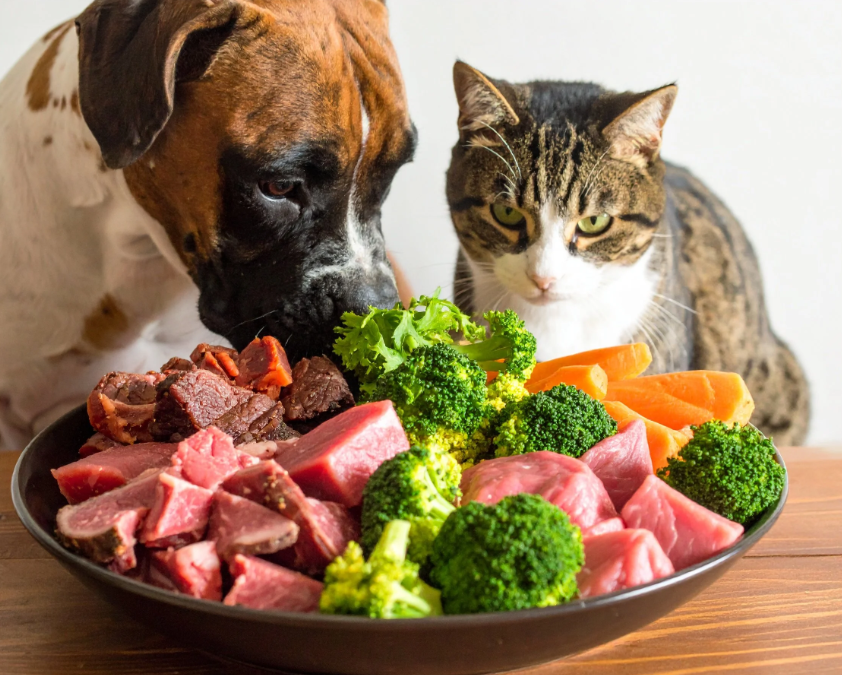
Hey kind hearts! let's keep it real about what we feed our cats and dogs.
When you start controlling what goes in the bowl - shineier fur, brighter eyes, perfect poops, energy like they're puppies and kittes again. and yeah, we're talking natural food, cause that's literally what their bodies were built for.
🐶 Dogs - omnivores (they can handle meat and plants):
- 60-70% meat: beef, turkey, chicken, sometimes lamb or lean fish
- organs are a must: liver, heart, kidneys, tripe, lungs (keep liver under 5-10% too much vitamin A isn't great)
- raw meaty bones (wings, necks, cartilage) for calcium, clean teeth (only if they chew safely)
- veggies (20-30%): carrots, pumpkin, zucchini, broccoli, spinach - lightly cooked or blended for better absorption
- a little carb boost: rice, buckwheat, or oats for energy
- healthy fats: fish oil, chicken fat
🐱 Cats - totally different story. Obligate carnivores 90–95% animal protein.
- meat: chicken, turkey, beef, rabbit
- organs: heart is non-negotiable (taurine!), plus liver, kidneys
- bones: raw or ground
- veggies: tiny amount (5-10%) for fiber pumpkin, carrot, a pinch of greens. cats just can't process them well.
How to track if it's working:
- weigh your pet weekly (or every 2 weeks)
- check body condition: ribs should be just palpable, waist visible from above/side, belly tucked
- ribs hidden? cut back. ribs sticking out? add a little more.
- also watch coat shine, energy, stool, breath
Yep, natural feeding takes effort. weekends 2 hours - chop meat, organs, veggies, cook what's needed, portion into containers, freeze. feels like a lot. but soon it's just… normal. and you know what's in that bowl fresh, real.
The payoff - your pet thrives more play, fewer sick days, fur like silk, and that look they give you? worth every second.
Already doing natural feeding? drop your tips below! thinking abt switching? no stress just start slow, stay smart.
P.S. The Open Heart App has a super handy FAQ on safe feeding - check it out if you want extra guidance
a man with a huge heart, fr... even when life's tough, he still loves and cares, truly and without condition
a cat can heal you just by curling up on your lap and sitting in silence. that kind of pure, quiet love sometimes makes you stop and think - why do we, as people, so often walk past homeless cats without a second glance?
stray cats are ready to give that same love to someone - maybe to you. just 5 minutes of your time and you're already changing a life.
give The Open Heart a try. peek at the map in your neighborhood. maybe there's a stray cat or dog nearby log them on the map, and the next person might feed them… or even bring them hom