What if philosophy isn’t about finding answers, but understanding what we can know at all?
In What Can I Know?, Immanuel Kant flips the script, arguing that the world we experience is shaped by the way we think. 🌍
📚Explore it for yourself on The Philosophy Teaching Library.
New Article
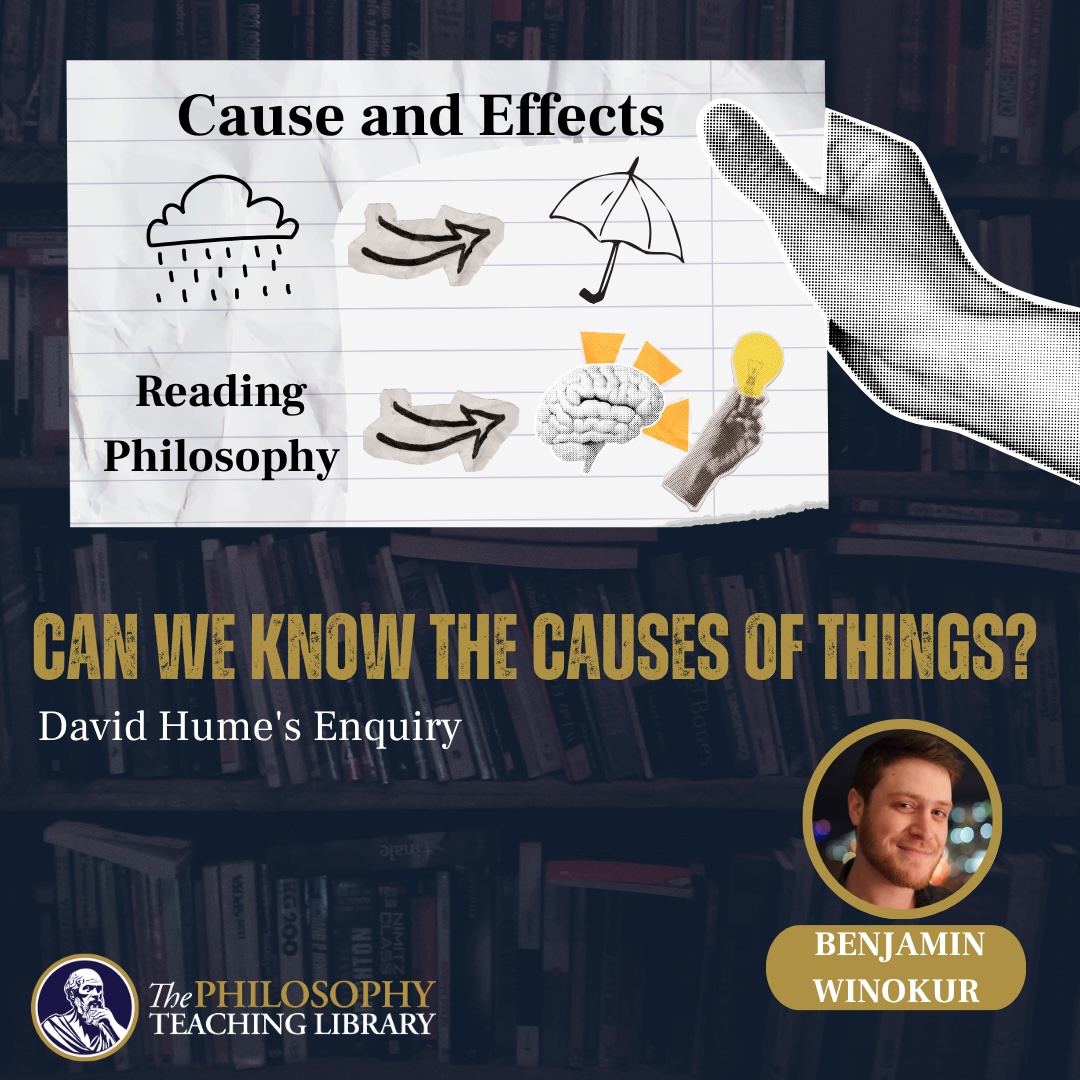
You think you know what causes what.
Fire causes heat. 🔥
Rain causes puddles.☔️
But what if you’ve never actually seen a cause?
David Hume argues that we only observe events happening, and our minds assume a connection.
👀So, do causes really exist? (Link below)
Philosophy isn’t just something you study, it’s something you step into.🌎🧠
Our professors guide you through key texts, so you can join a conversation that’s been shaping the world for centuries.
💻 👉Start exploring on the Philosophy Teaching Library website today!
If a lie keeps society functioning, is it still wrong?
Plato thought it might not be. His idea of the “noble lie” forces a difficult question: do we value truth, or stability, more?
Check out the article from Brennan McDavid of @ChapmanU to learn more! (Link below)
This interactive essay guides readers through Aristotle’s account of friendship and invites us to reflect on what it truly means to be a “best friend.”
He also introduces his famous three layered distinctions between friendships of utility, pleasure, and virtue, offering a framework that continues to shape how we think about relationships today.
for political justice. In short, Book II is a critical component of the overall argument of the Republic. This interactive essay guides new readers through the main concepts and questions of Republic Book II and shows their contemporary relevance.
develops one of the most famous thought experiments in all of philosophy, the Ring of Gyges. Book II also introduces the division of political classes in the city which Plato continues to examine throughout the Republic, as well as the educational regime he thought was required