May Substack: has stuff about @theprofesseer's CourtsData Lab which went live this month, the indefensible Rupee, the contemptuous state of India's contempt law, a conversation on animal sentience and more. https://t.co/VNKe0gNEgO
India’s criminal contempt law creates a remarkable concentration of power: the court decides what speech offends it, whether contempt occurred, and the punishment.
@GokulSunoj and I wrote about this last week in @ThePrintIndia as part of @theprofesseer's #CountingOnLaw series
As if on cue, a day after this column was published, the Delhi HC initiated criminal contempt proceedings against @ArvindKejriwal and several @AamAadmiParty leaders.
The larger problem is not one case, but a vague legal standard — speech that merely “tends to scandalise” courts — combined with the institutional difficulty of reforming it.
Column: https://t.co/1LhBESwReq
Video explainer: https://t.co/cdflcjxZL2
India’s contempt law has three problems. Why judiciary alone requires this protection, among all institutions whose public trust is constitutionally indispensable, has never received a good answer, explains Gokul K Sunoj, Associate at @theprofesseer
https://t.co/hXppe41kLm
Case search in India is still stuck in the captcha era.
We’ve built a simple alternative: CourtsDaily
Search Bom HC + NCLT cases without needing CNR numbers.
https://t.co/g9E72HPZmh
Early version — looking for feedback from people who actually access these websites. 1/n
What we’re working on next:
• expanding court coverage
• better filtering + search relevance
• cleaner order access
• fewer clicks to get basic case information
Would love suggestions on what would make this genuinely indispensable for your workflow. /end
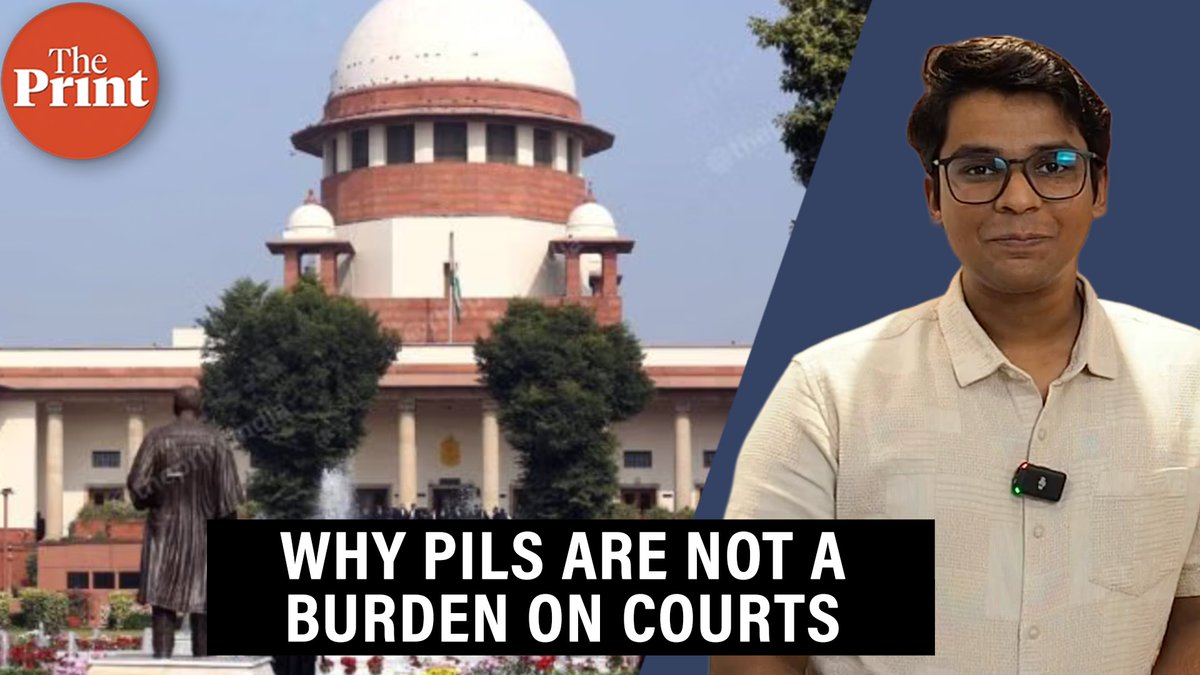
'PILs don't burden courts but show unparalleled effectiveness in remedying failures of the State. One needs to make a much stronger case for depriving citizens of this route to enforce their rights', argues @GokulSunoj, Associate at @theprofesseer.
https://t.co/TKeMlvyCcO
'PILs don't burden courts but show unparalleled effectiveness in remedying failures of the State. One needs to make a much stronger case for depriving citizens of this route to enforce their rights', argues @GokulSunoj, Associate at @theprofesseer.
https://t.co/TKeMlvyCcO
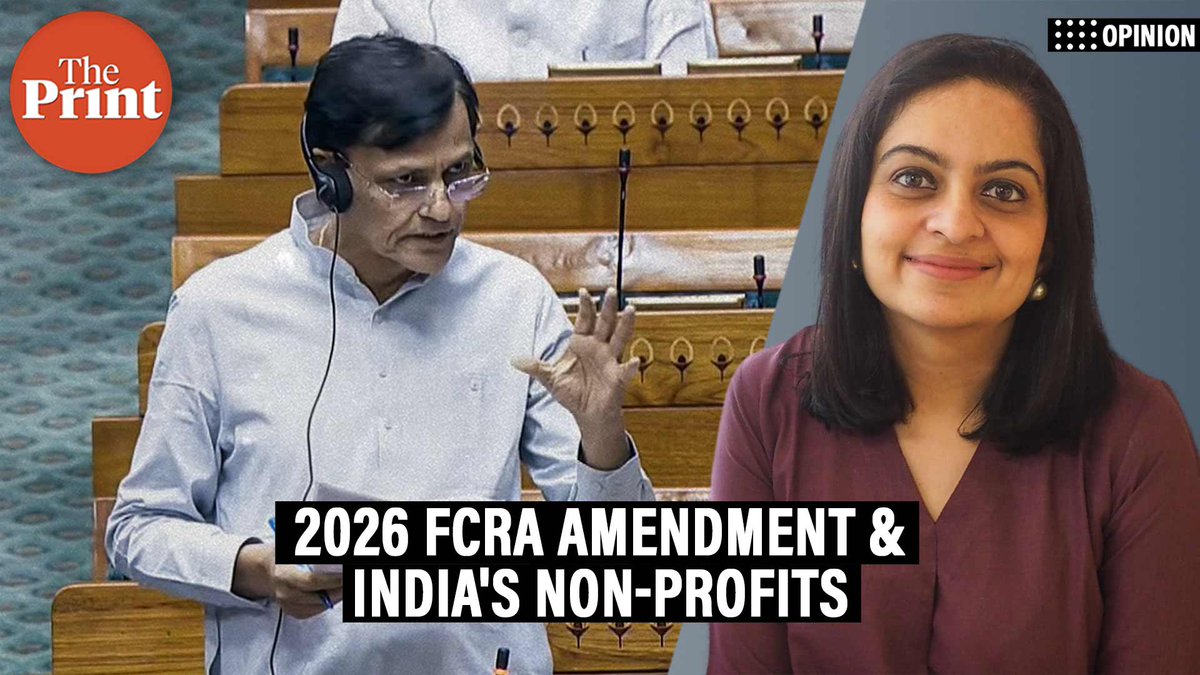
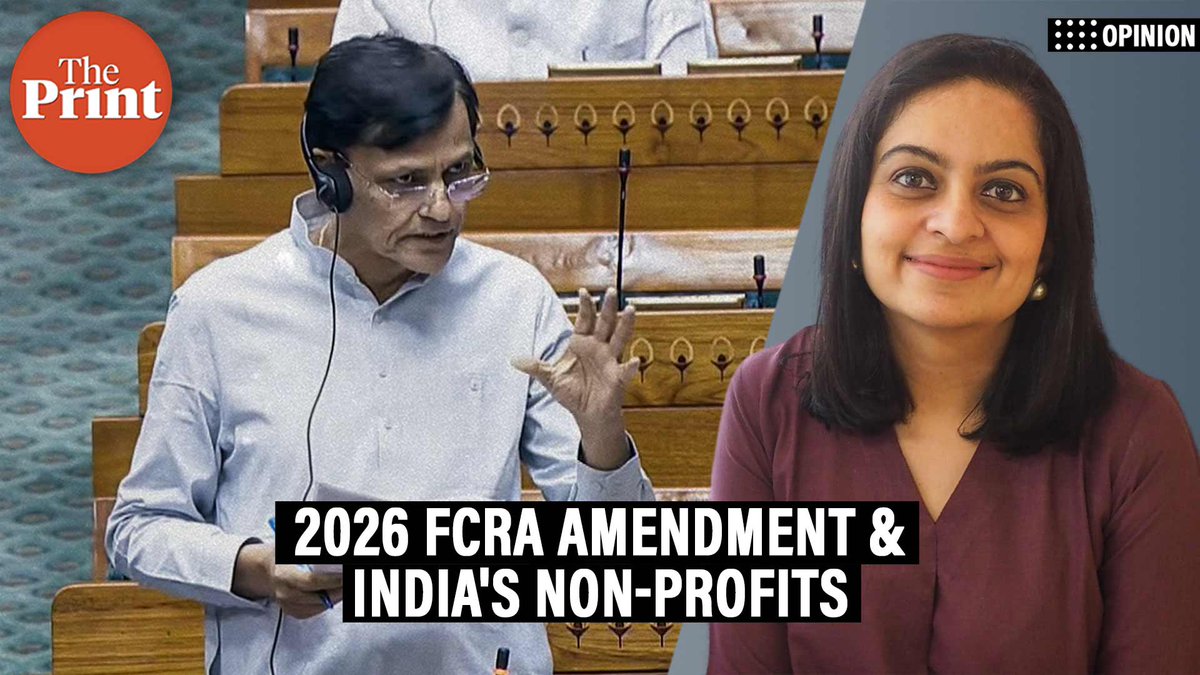
'India’s non-profits are in a regulatory hell. The 2026 FCRA amendment will make it worse' - Watch this week's column for ThePrint by Bhargavi Zaveri-Shah @bhargavizaveri, Co-founder & CEO of The Professeer @theprofesseer
https://t.co/3Sqk63McCy
'India’s non-profits are in a regulatory hell. The 2026 FCRA amendment will make it worse' - Watch this week's column for ThePrint by Bhargavi Zaveri-Shah @bhargavizaveri, Co-founder & CEO of The Professeer @theprofesseer
https://t.co/3Sqk63McCy
“Force majeure” is about to have a moment. But how strong is it as a defence in Indian courts?@GokulSunoj & @SonOfRajkumar look at 350 cases in @theprofesseer's database to find out the success rate of a force majeure defence in @ThePrintIndia this week:
https://t.co/nqrwhxOGaN
Substack post with a round-up of @theprofesseer team's & my writings in March.
There's stuff about Chakraborty's exit; Bombay HC's silver lining; comparing equity returns in war across countries; the case scheduling lottery in Indian courts, and more: https://t.co/rOCqxZq3S3
'Indian courts are operating like a lottery. They need smarter case scheduling'
Siddarth Raman @thriddas, co-founder of The Professeer and Supriya Sankaran, co-founder and creator of Agami, write
#CountingOnLaw#ThePrintOpinion
https://t.co/aQQnJQzKal