We are looking for rigorous, well-sourced work — journalistic, historical, or investigative — that is grounded in anti-imperialist and anti-colonial commitments on Lebanon and the region. We are also interested in photo essays, testimonies, and interviews.
“The Israeli colonial pattern centers on spatial genocide,” says anthropologist Diana Richani.
Southerners have rebuilt after every Israeli assault, often right up to the border fence. Now Israel is destroying the sacred sites that anchor their return.
Read how: https://t.co/gfyzVhQN5M
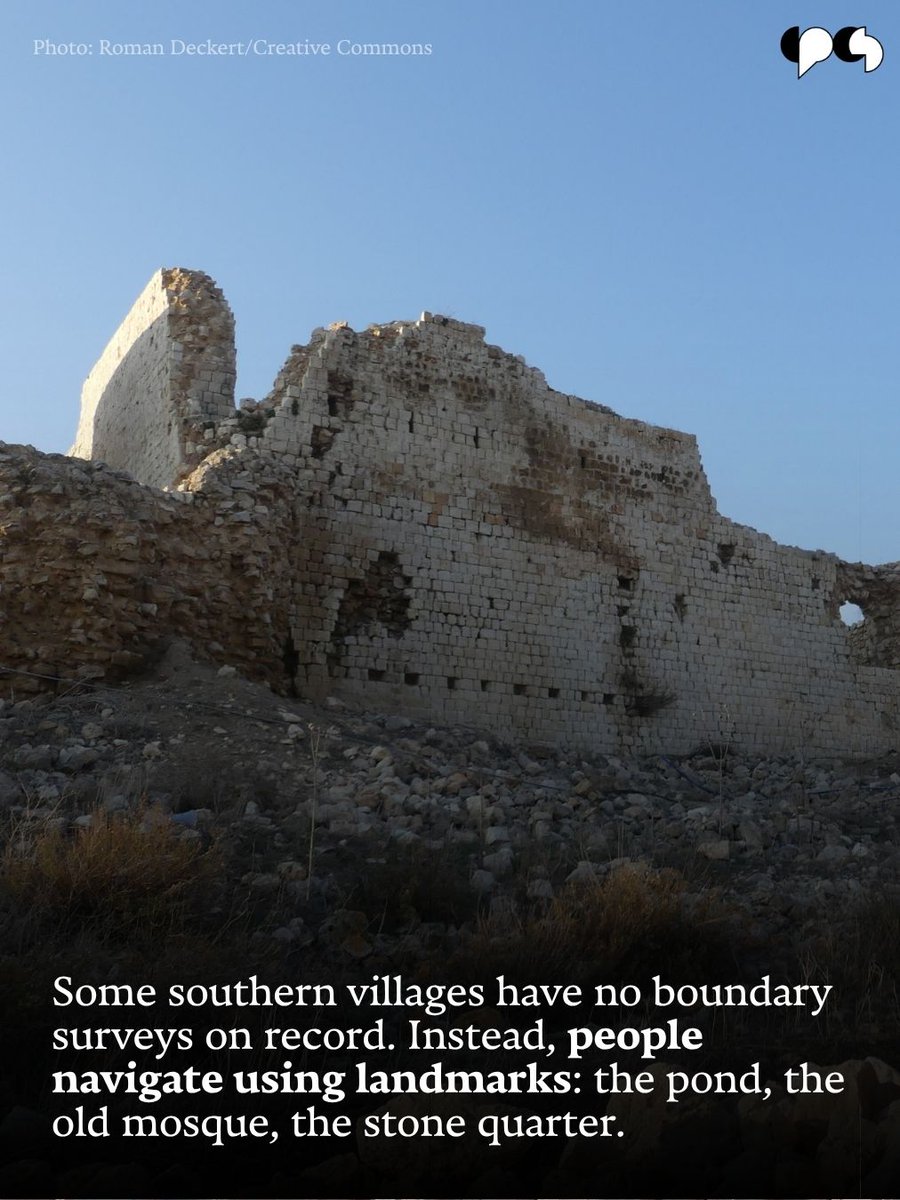
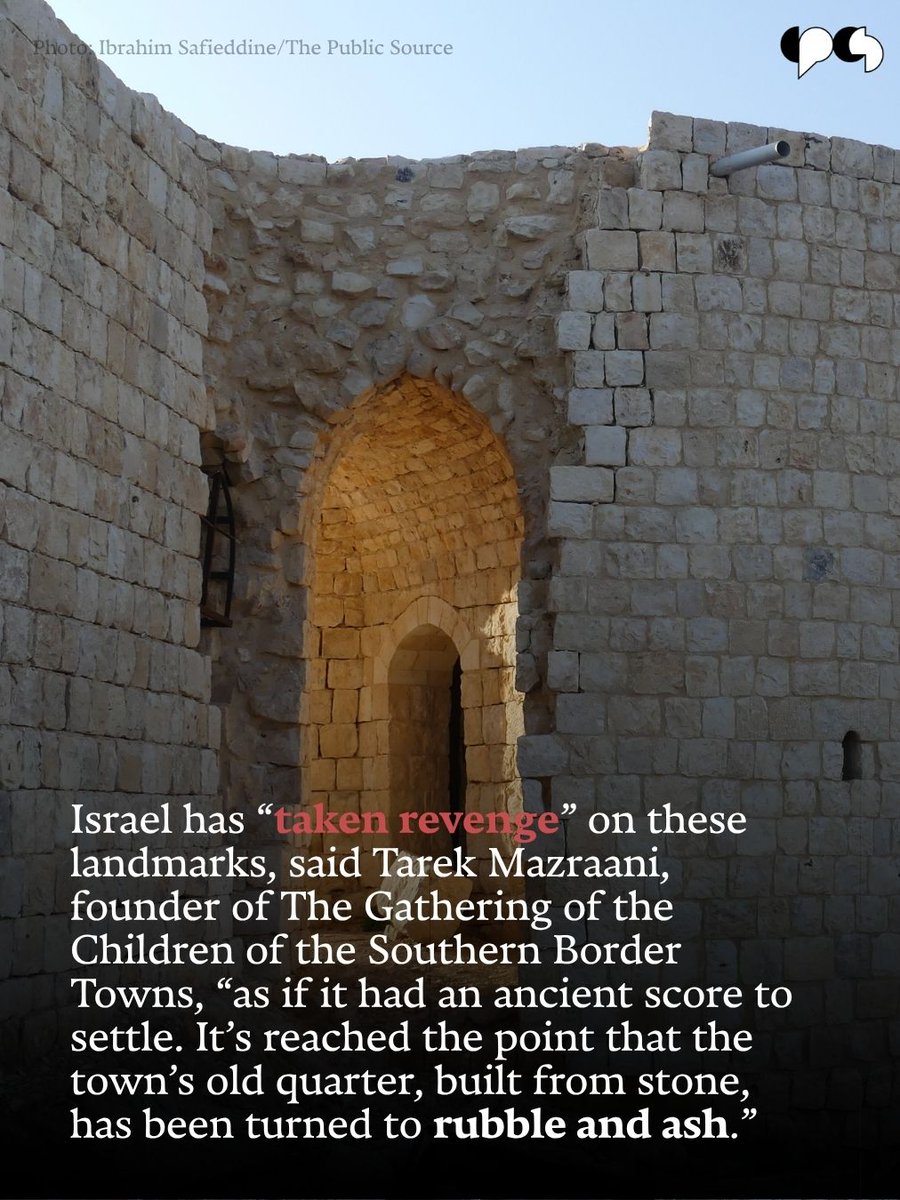
In Houla, the old stone quarter has been turned to rubble and ash. Tarek Mazraani, an architect and engineer who oversaw the construction of some 500 homes in the village, says Israel has “taken revenge... as if it had an ancient score to settle.”
Read Mahdi Krayem’s essay, in collaboration with EGAB (@Egab_co): https://t.co/gfyzVhQfge
في يوم الشهيد، نستعيد أسماء بعض الشهداء الذين ارتقوا على جبهة الإسناد والدفاع اللبنانية خلال معركة طوفان الأقصى، ونستحضر شذرات من سِيَرهم ووصاياهم، وفاءً لذكراهم ومواجهةً لمحاولات الطمس الممنهجة للموت والشهادة، عسى أن تتضافر الجهود وتتوفّر الظروف المؤاتية لتكريم شعبيّ يليق بفقد المحبين وذكرى كل الأعزاء.
“This wheelchair means that I am still in a place that’s not mine.”
A paramedic and a mother wounded by Israeli strikes in south Lebanon read their own X-rays, and the shrapnel their bodies are still pushing out.
🩻 https://t.co/NgPq9Gc4XC
“I don't know what it will take to get rid of the shrapnel swimming in my body.” Rabea feels it moving through her, as if it might “tear through [her] skin.”
Images courtesy of @GhassanAbuSitt1 & Medicide.
The X-ray, an image designed to detect fractures, infections, and tumors, has become the means by which the wounded confront the weapon that sought to kill them,
Hadeel Deeb writes about the X-ray as a battleground — a place where the wounded track their small victories and small defeats.
https://t.co/9D1DEc1eMy
“A step, two, three. On the fourth, I was thrown to the ground. I never lost consciousness. I said to myself that I didn’t want to die. Our lives depend on being heard — the more I cried out, the faster a paramedic would come,” Mohammad, a paramedic, said.
"Israël a détruit des mosquées, des églises, des husseiniyas et des sanctuaires vieux de plusieurs siècles : des lieux qui ancrent la vie religieuse et sociale du Sud."
فاز تحقيق لورا البسط (@Lau_Bast) حول الرقابة على فلسطين في غرف الأخبار الأميركية بجائزة أفضل تحقيق استقصائي لعام 2026 من جمعية الصحفيين العرب والشرق أوسطيين (@AMEJA).
يستند التحقيق إلى شهادات نحو عشرة صحفيين وصحفيات، معظمهم فلسطينيون وعرب ومسلمون. وهو يكشف رقابةً داخلية وضغوط لوبيات وصلاتٍ غير مُعلنة بجيش الإحتلال.
اقرأوه بالعربية 👇
https://t.co/N6lWyxQtPM
Israel has destroyed mosques, churches, husseiniyas, and centuries-old shrines: places that anchor the religious and social life of the South.
New essay by Mahdi Krayem in collaboration with @Egab_co on south Lebanon’s sacred sites: https://t.co/3hgs53OXSi
The Grand Mosque of Bint Jbeil was older than both Israel and the United States. In April, Israel reduced it to a pile of stones.
New essay by Mahdi Krayem in collaboration with @Egab_co on what Israel destroys when it destroys sacred sites: https://t.co/3hgs53OXSi
“Stone has a soul, like humans.”
In a new essay published with Egab (@Egab_co), Mahdi Krayem talks to residents and historians in south Lebanon about how Israel destroys collective memory, the landmarks that guide people home, and the worlds that sustain the South.
https://t.co/ZXsKVCAFmb
Revisit our photo essay by Fátima Fouad el-Samman, with photos by Fatima Joumaa, to see the town and its people, who have carried this history ever since.
https://t.co/bOj0zHusYY
Between October 31 and November 1, 1948, the southern Lebanese village of Houla, in Jabal Amel, was the site of a massacre: the Haganah, a terrorist paramilitary group, rounded up and killed around 70 men.
These early massacres left an indelible mark on the people of Houla, shaping future generations. Today, the bond between Jabal Amel and Palestine endures, rooted in a shared and unfaltering resistance to Zionist expansionism and Western imperialism.
«الإبادة الإعلامية»: هكذا وصفت فرانشيسكا ألبانيزي هذا الأسبوع في تقريرها أمام الأمم المتحدة استهداف الاحتلال الممنهج للصحافيين. والاسم ليس مجرّدًا. له وجوه وأسماء، منها آمال خليل.
على مدى عقدين، بقيت آمال خليل في الخطوط الأمامية لجنوب لبنان توثّق اعتداءات الاحتلال الإسرائيلي المتكرّرة وصمود أهل الأرض.
في مقابلة مع مصدر عام، تحدّثت آمال عن تجربتها في الصحافة المناضلة، وعن أخلاقيات النشر والحجب على الجبهة.
لقراءة المقابلة الكاملة: https://t.co/YZ8NuWqMud
A Cairo court has ordered the closure of Mada Masr and the confiscation of its equipment. Editor-in-chief Lina Attalah was charged with running an “unlicensed website” and fined over $50,000. She has since been released, but the case against the outlet stillstands.
This is not an isolated attack and comes as part of the latest crackdown on independent media in Egypt: six Matsadaash journalists remain in detention, journalist Rasha Azab was questioned over social media posts, and 25 journalists are currently imprisoned in Egypt.
Defending these institutions is essential to safeguarding public-interest journalism and press freedoms across the region.
We stand in solidarity with our Egyptian colleagues and call for an immediate end to their persecution.