Reduction in #anemia through normative innovations among women of reproductive age in #Odisha#India#TheRANIProject Principle Investigator @DrRajivRimal
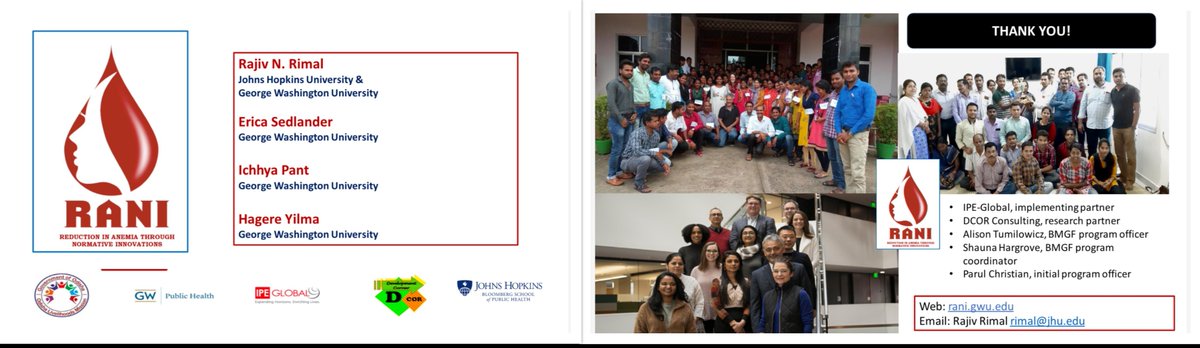
#theRANIproject participated in a virtual lunch & learn webinar at the Gates Foundation! We were thrilled to share #RANI's journey thus far & thank our partners, DCOR & @IPEGlobal for their incredible work in helping us achieve this milestone.
#mahaRANImoments
The #RANI project includes an #mHealth intervention (#mRANI) which aims to increase self-efficacy for iron supplement adherence for #anemia prevention and #bystander intervention. We are working towards #publishing a study protocol for #mRANI, stay tuned for more #updates!
#Cognitivemaps & card sorting found that #fatigue was characterized differently from other medical treatment-related items; additionally, #perceptions around fatigue’s importance to health were low. Women from focus groups reported that fatigue was a part of their #daily life.
The #study results conclude by stating that #fatigue is currently not an adequate cue to seek treatment for anemia; this could possibly be due to the normalization of fatigue as a part of women’s daily life.
Participants of the #perceptualmapping & #cardsorting compared #images of anemia-related items and concepts, while participants in group discussions were asked about their daily life, #aspirations & concerns among women, perceptions of #anemia, & community #iron supplementation.
#theRANIproject members, including #HagereYilma, recently authored a paper that investigated the relationship between fatigue, the main symptom of anemia, and whether it cues women and others to obtain iron-folic acid supplements! Check it out below!
https://t.co/JNZ0Jn5lKz
The #RANI project aims to improve the health and wellbeing of Indian women by lowering their rates of anemia & increasing the uptake of iron supplements.
Check out our current publications and presentations by clicking the link below!
https://t.co/bstuqOOmee
The #RANI project aims to improve the health and wellbeing of Indian women by lowering their rates of anemia & increasing the uptake of iron supplements.
Check out our current publications and presentations by clicking the link below!
https://t.co/bstuqOOmee
The #study results conclude by stating that #fatigue is currently not an adequate cue to seek treatment for anemia; this could possibly be due to the normalization of fatigue as a part of women’s daily life.
#theRANIproject members, including #HagereYilma, recently authored a paper that investigated the relationship between fatigue, the main symptom of anemia, and whether it cues women and others to obtain iron-folic acid supplements! Check it out below!
https://t.co/JNZ0Jn5lKz
Participants of the #perceptualmapping & #cardsorting compared #images of anemia-related items and concepts, while participants in group discussions were asked about their daily life, #aspirations & concerns among women, perceptions of #anemia, & community #iron supplementation.
#Cognitivemaps & card sorting found that #fatigue was characterized differently from other medical treatment-related items; additionally, #perceptions around fatigue’s importance to health were low. Women from focus groups reported that fatigue was a part of their #daily life.
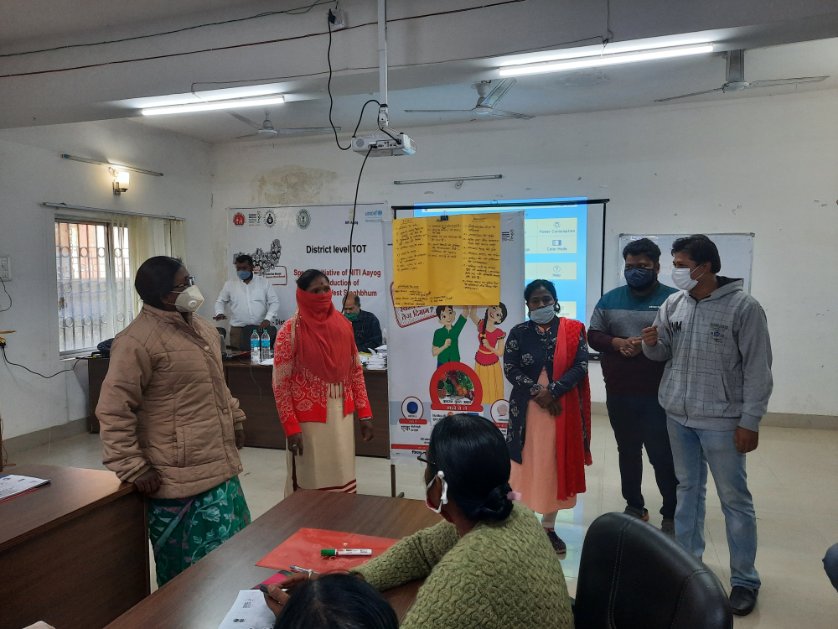
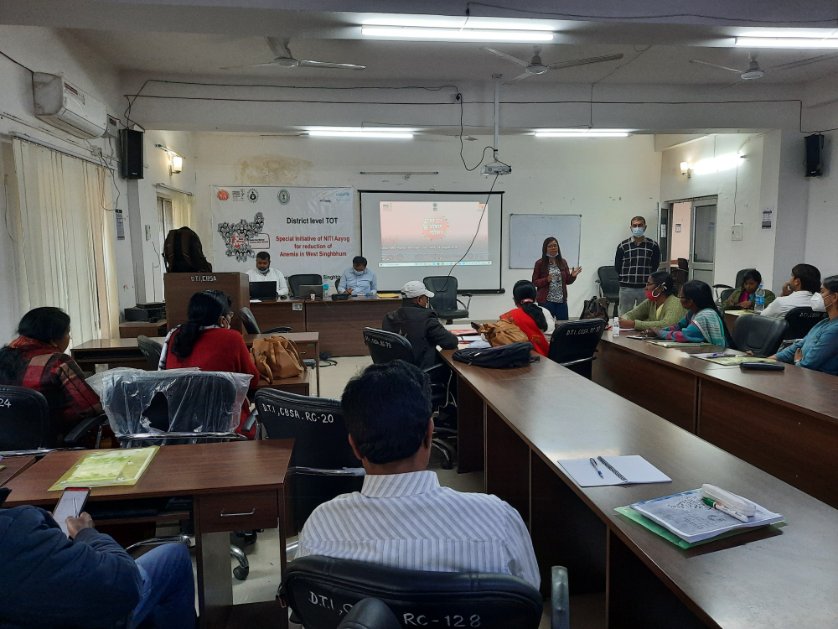
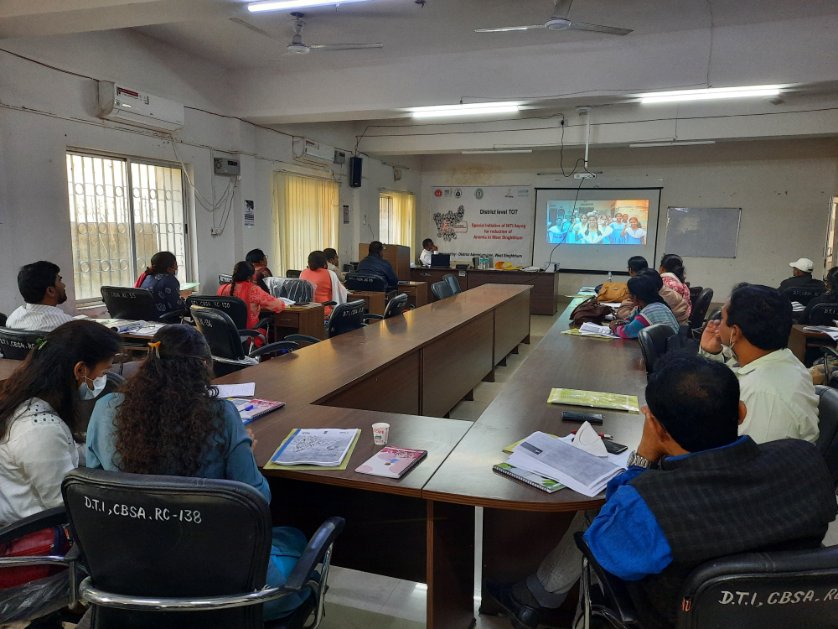
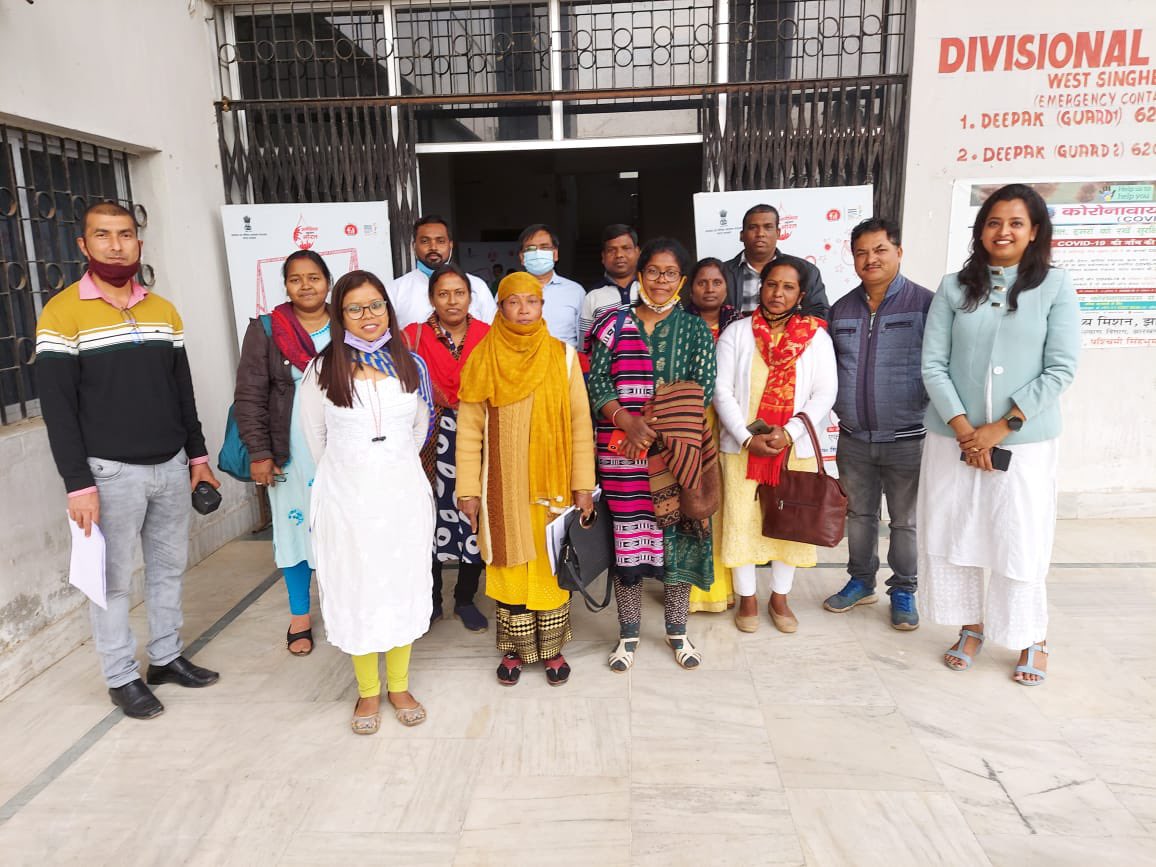
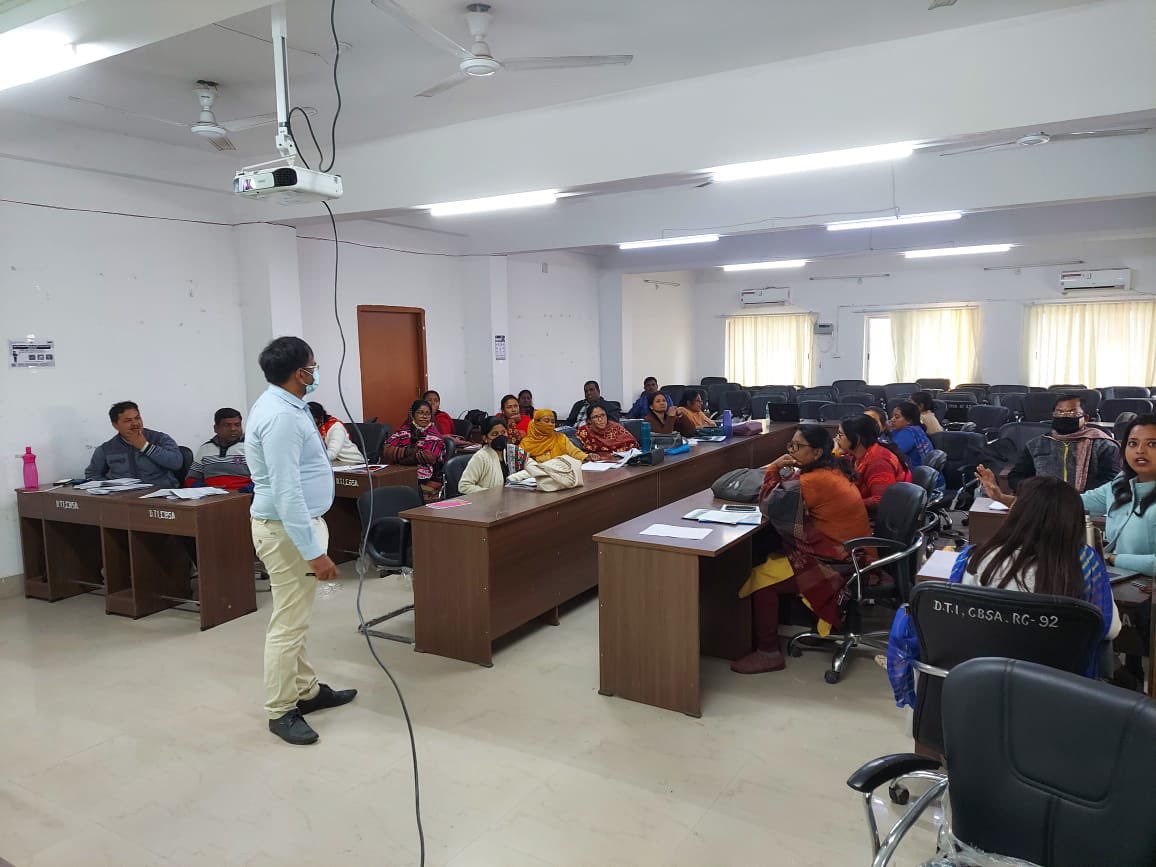
Dr. Narendra Patel, Institute of Economic Growth, taking session on HMIS Reporting and Monitoring for #AMB at the AMB District Level ToT, West Singhbhum, Jharkhand.
Since #Swabhimaan initiation in 2016, developing nutrition-microplans in the community has enabled nutrition sensitive decision making for #adolescents & #women by @DAY_NRLM women collectives
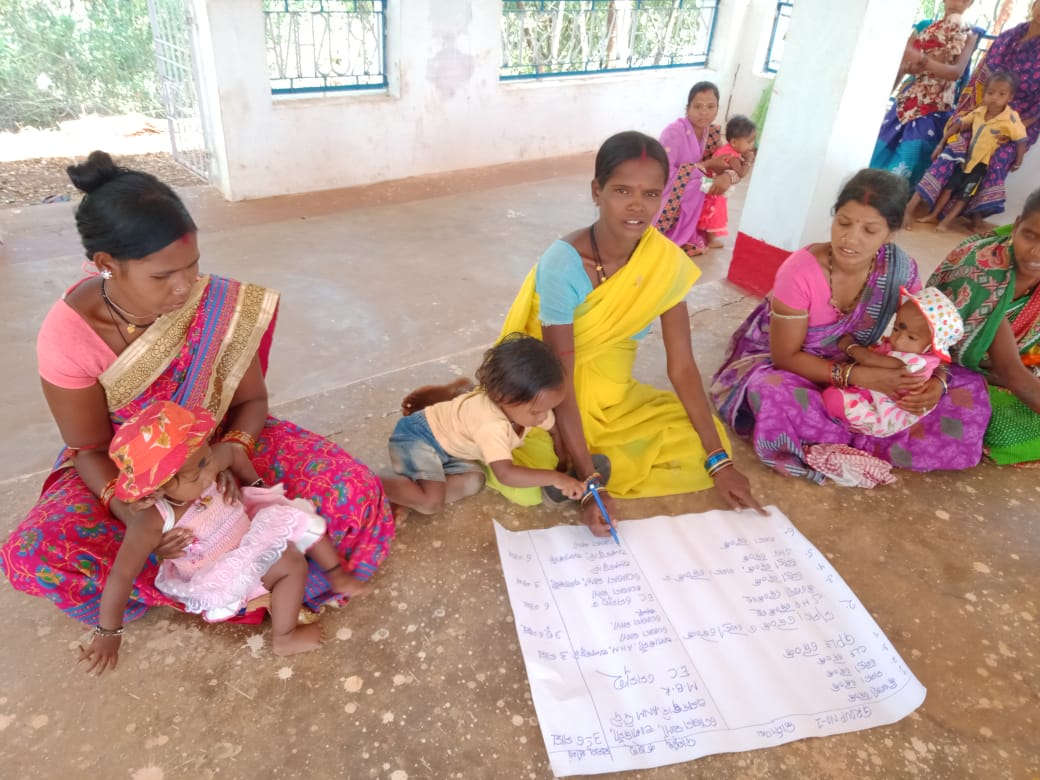
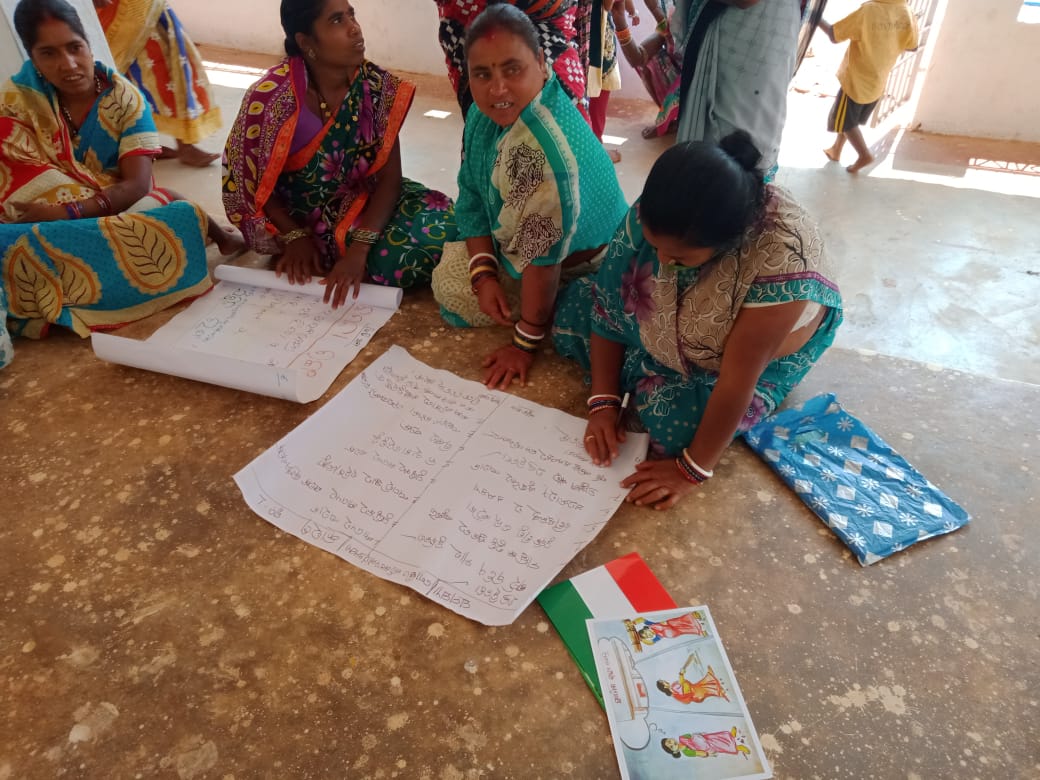
Pics of microplanning process from Angul and Koraput held last week
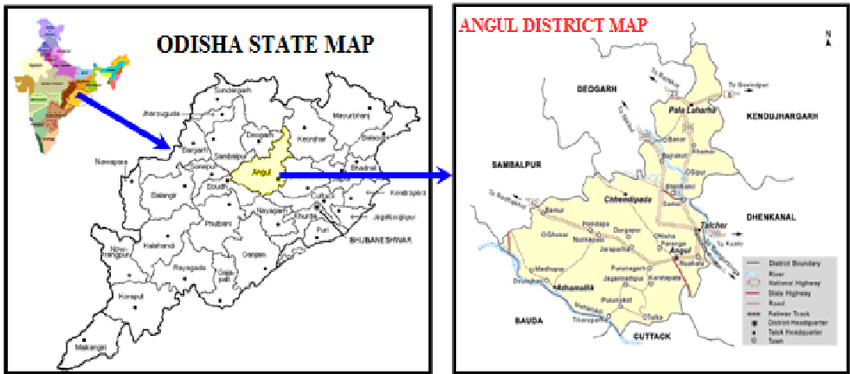
#allaboutRANI: #theRANIproject followed a #randomized#control#trial as a part of its research methods. In #Angul, 41 #villages in the treatment group & 40 villages in the control group were included in the data collection to visualize the impact of intervention activities.