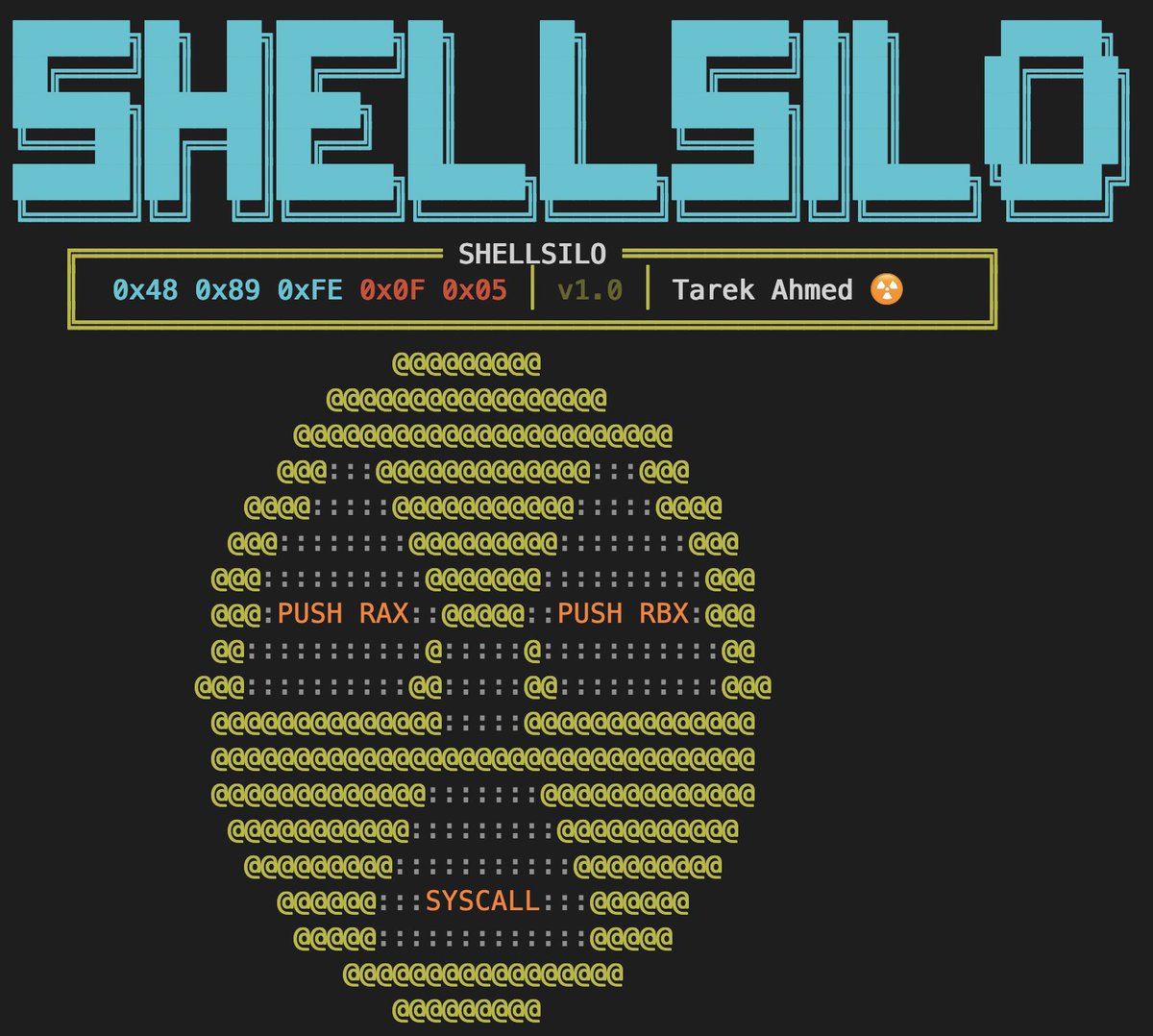
SHELLSILO is a new tool that converts C syntax into direct syscall assembly and shellcode, streamlining low-level operations for security professionals.
https://t.co/roPZj42Nbd
🎓 Calling all students passionate about cybersecurity!
Black Hat Europe is offering Student Scholarships to help the next generation of security leaders attend #BHEU.
✅ Free Briefings Pass
✅ Networking with industry pros
✅ Access to cutting-edge research
Apply now & take your first step into the world of cybersecurity:
🔗 https://t.co/uCnukR25ue
This isn’t malware – it’s a controlled test case.
But it shows something most YARA scanners simply can’t do.
THOR performs in-memory matching with full segment awareness. In this case, the rule hits two regions in the same process:
- One string in the memory of the loaded binary (svchost.exe)
- Another in a loaded module (KERNEL32.DLL)
And it doesn’t stop at the hit. It shows surrounding memory content – extremely helpful for spotting false positives, like AV signatures or IOC patterns loaded into otherwise clean processes.
This level of context matters during triage.
Most scanners say "match."
@thor_scanner tells you where and gives you the context to understand why.
Encrypting pointers is a common technique to prevent cheating, yet it is trivial to bypass after you figure out how it works.
Here's a kernel example:
👉https://t.co/q2pm6XLiDE
Google just patched a serious ⚠️ vulnerability (CVE-2025-4664) that allows attackers to steal sensitive tokens (like OAuth or session IDs) when you simply visit a malicious site.
No clicking. No downloading. Just loading the page is enough.
What makes this so dangerous?
The bug lives in Chrome’s resource loading mechanism. It fails to apply origin policies correctly to Link headers, so attackers can trick your browser into sending full URLs – including those juicy query strings with your login tokens – to their server.
Imagine someone in HR or Finance clicking a phishing link. Suddenly their session tokens to SaaS tools (like payroll systems, admin panels, or customer databases) get exfiltrated without any interaction.
This isn’t remote code execution – but in today’s cloud-first, token-based authentication world, it might be worse.
So, yeah. I don’t post often about browser vulns. But this one is a no-go.
Update your Chrome. Right now.
New Active Directory Mindmap v2025.03! 🚀
📖 Readable version: https://t.co/gQd6WsLnzG
🔧 Now fully generated from markdown files—way easier to update and maintain!
💡 Got improvements? PRs welcome! 👉 https://t.co/o52PAmek7b
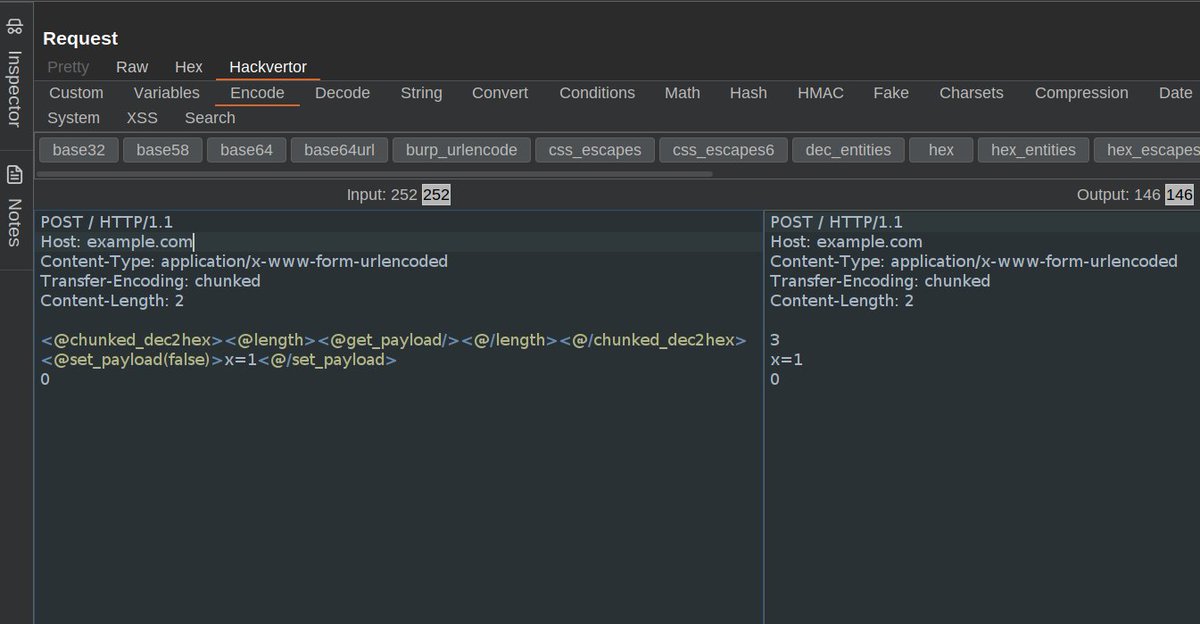
💡 Did you know that you can use Hackvertor inside @Burp_Suite to automatically calculate the size of chunked data?
This is extremely useful when exploiting HTTP request smuggling vulnerabilities! 🧐
#YesWeRHackers#BugBounty#BugBountyTips