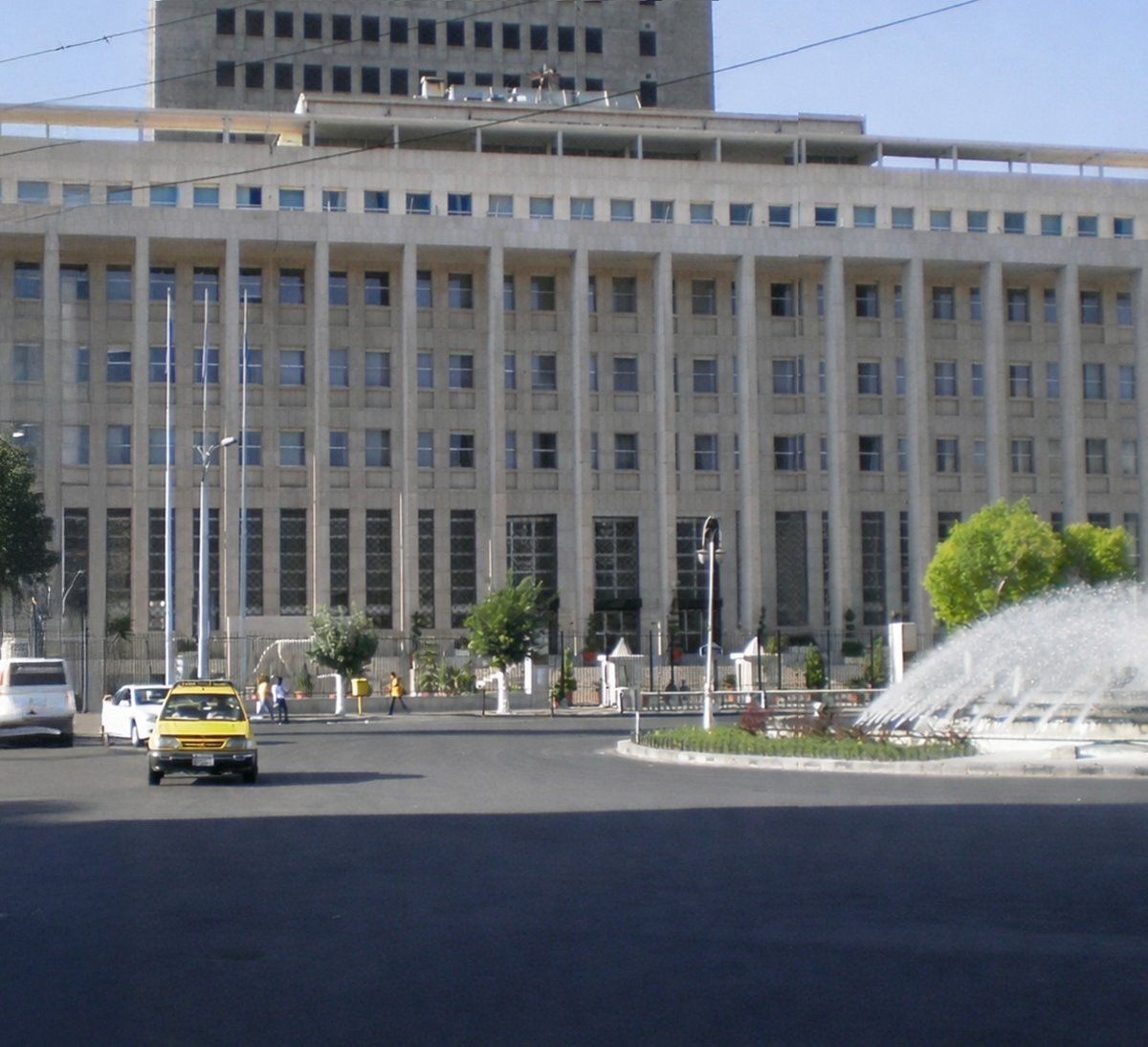
The Ministry of Finance has granted Syrian governors broader authority over local staffing decisions under Decision No. 1378 of 2026. Governors can now approve employee transfers between finance-related directorates and bodies within their governorates, expanding local administrative powers.
Read more: https://t.co/Mu33Ozws4W
Photo Credit: B2B (Independent Economy Website)
Syria’s Presidency has amended the Contracts Law, increasing the threshold for direct public procurement to New SYP 200,000 under Decision No. 557 of 2026. The amendment gives public institutions greater flexibility in conducting direct purchases without standard tender procedures.
Read more: https://t.co/Mu33OzwZUu
The Syrian-Uzbek Economic Forum in Aleppo highlighted Damascus’ efforts to diversify economic partnerships and position Syria as a regional transit hub. The forum came amid renewed tensions in Idlib involving Uzbek fighters, underscoring the overlap between economic diplomacy and unresolved security challenges in northwest Syria.
Read more: https://t.co/Mu33Ozws4W
Foreign companies are expanding their role in Syria’s transport infrastructure sector. Recent projects and discussions include CMA CGM’s dry port plans linked to Lattakia Port, Turkish investments in Idlib, airport infrastructure talks with Luxembourgish and Egyptian firms, US-backed road projects, and Saudi interest in rail transport for oil shale.
Read more: https://t.co/Mu33Ozws4W
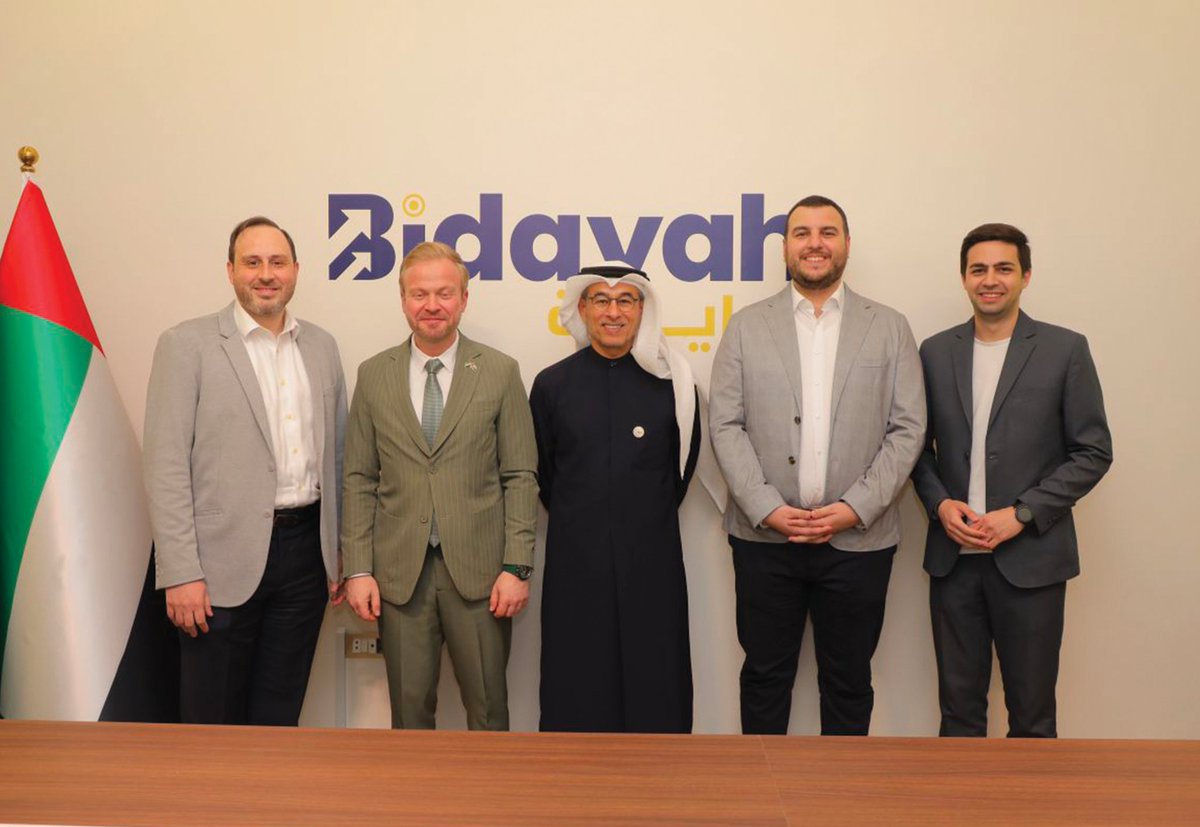
Emirati businessman Mohammad Al-Abbar is expanding his footprint in Syria, announcing new investments in real estate and e-commerce in recent weeks. The moves reflect growing Emirati interest in testing investment opportunities in the Syrian market amid shifting regional dynamics.
Read more: https://t.co/Mu33Ozws4W
Photo Credit: Bidayah
Syria’s industrial sector is shaped by a combination of major industrial cities and 268 smaller industrial zones and clusters. A new analysis examines the government’s approach to both models and assesses their potential role in supporting industrial recovery and economic revitalization across the country.
Read more: https://t.co/Mu33Ozws4W
Photo credit: Taylor Luck
Carlton Hotel Idlib rehabilitation project officially launched under a contract signed in the presence of Tourism Minister Mazen Al-Salhani and Idlib Governor Mohammad AbdulRahman. The project aims to restore the hotel’s infrastructure and revive hospitality services in the governorate, with implementation led by two little-known companies.
Read more: https://t.co/Mu33Ozws4W
Syria’s latest fuel and cooking gas price hikes are driving up costs across transportation, food, manufacturing, and retail sectors, placing additional strain on households facing declining purchasing power. Officials linked the increases to regional instability and concerns over energy imports amid escalating tensions around the Strait of Hormuz.
Read more: https://t.co/Mu33Ozws4W
Israeli military activity in southern Syria continues to escalate, with reports of incursions into villages in Quneitra and Daraa, the establishment of temporary checkpoints, home raids, and the detention of local residents. On Monday, Israeli settlers also illegally crossed into southern Syria, further heightening tensions in the border region.
Read more: https://t.co/Mu33Ozws4W
Written by: @Amesegura
The dismissal of Central Bank Governor AbdulQader Husrieh and the appointment of Safwat Raslan signal growing tensions within Syria’s leadership over monetary policy and institutional governance. The move comes amid ongoing economic instability and mounting pressure on state financial institutions.
Read more: https://t.co/Mu33OzwZUu
President Ahmad Al-Sharaa announced Syria’s first post-Assad government reshuffle, replacing the ministers of Information and Agriculture along with several governors and appointing a new Secretary-General of the presidency. The changes, however, fell short of broader expectations for a major cabinet overhaul.
Read more: https://t.co/Mu33OzwZUu
The European Council has officially reinstated the EU-Syria Cooperation Agreement following the lifting of measures suspended since 2011. The EU described the decision as an important step toward rebuilding bilateral relations and supporting Syria’s economic recovery.
Read more: https://t.co/Mu33OzwZUu
Business leaders in Lattakia and Tartous are navigating the opportunities and challenges of post-Assad Syria as the country transitions toward a free market model. Key sectors, including tourism, agriculture, banking, shipping, construction, and trade, are adapting to new economic policies and governance structures.
Writter by: @Amesegura
Read more: https://t.co/Mu33Ozws4W
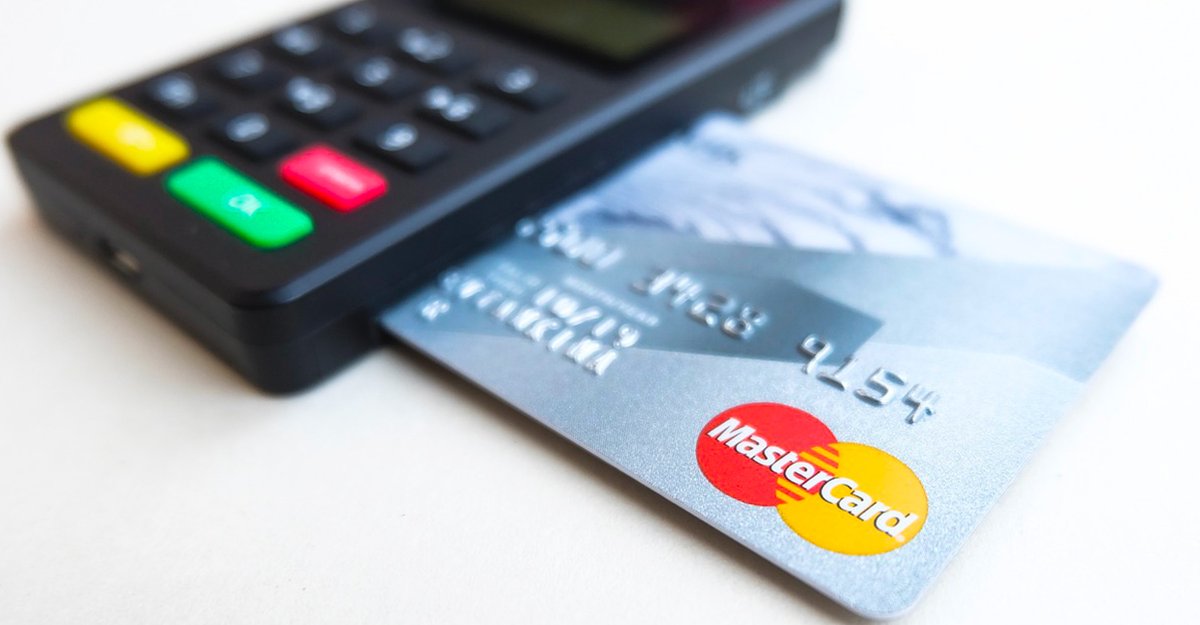
Visa and MasterCard have officially returned to Syria through the launch of the country’s first experimental electronic payment operations linked to global payment networks. The move marks a significant step in reconnecting Syria’s financial sector to international systems after 15 years of suspension.
Read more: https://t.co/Mu33OzwZUu
Syria’s first Syrian-Emirati Investment Forum in Damascus revealed new details about the structure and assets of the Syrian Sovereign Fund (SSF), one of the country’s most influential economic institutions since its establishment in 2025. The forum highlighted growing regional investment interest in Syria’s evolving economy.
Read more: https://t.co/Mu33Ozws4W
Syria has introduced new measures expanding the powers of governors on fiscal and educational matters as part of broader efforts to strengthen local administration.
Read more: https://t.co/Tqo7IhQPZN
Syria’s hospitality sector is witnessing renewed activity as Hyatt prepares to open its first property in Damascus alongside major real estate and tourism development projects.
Read more: https://t.co/Tqo7IhQPZN
Despite the tourism potential of Lattakia and Tartous, including Mediterranean coastlines, mountain landscapes, and historic landmarks, economic and security challenges continue to limit recovery prospects for Syria’s coastal tourism sector in 2026.
Read more: https://t.co/Mu33Ozws4W
@Amesegura
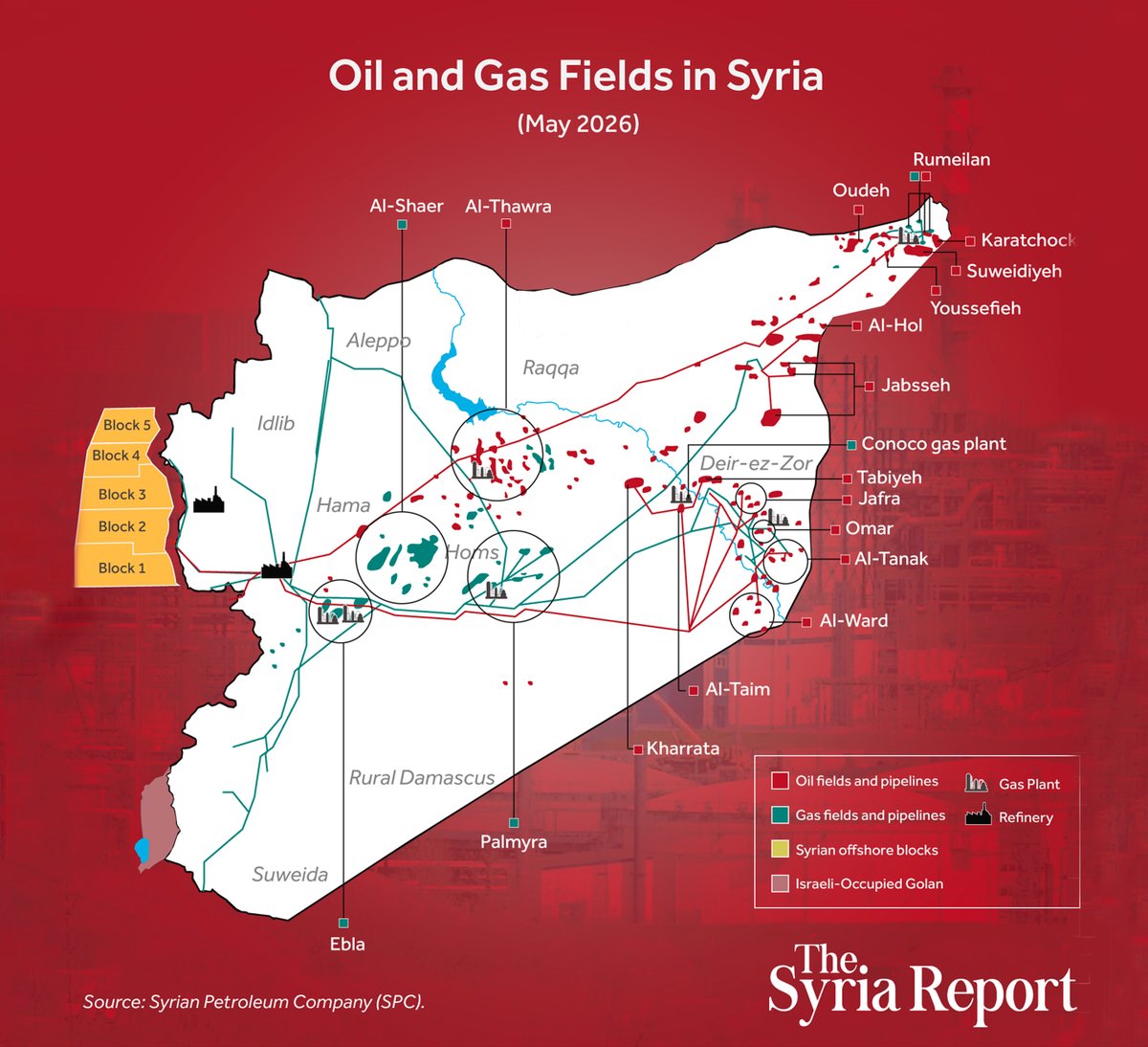
Syria’s oil sector is entering a new phase marked by expansion plans, foreign partnerships, internal institutional tensions, and continued reliance on Russian oil imports, highlighting the complexity of the country’s evolving energy landscape.
Read more: https://t.co/Mu33OzwZUu
Al-Hasan Holding Group’s agreement with a Chinese firm to establish a cement plant in Raqqa highlights growing foreign interest in Syria’s industrial recovery.
Will infrastructure and market conditions support long-term success?
Read more: https://t.co/Tqo7IhQPZN