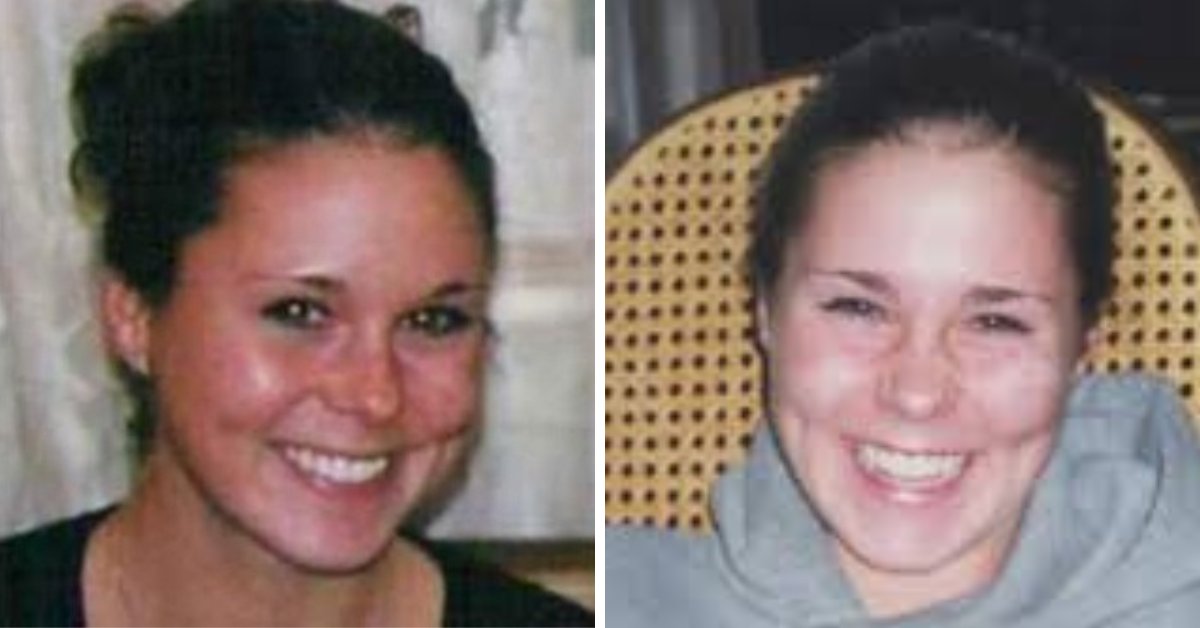
At 4 a.m. on June 27, 1995, the phone rang in Jodi Huisentruit's apartment in Mason City, Iowa.
Jodi was 27, the morning news anchor at KIMT-TV. She'd overslept. Her producer was calling to see where she was.
Jodi told her she'd be right in.
She never made it.
When she still hadn't shown up by 7 a.m., police went to her apartment complex. What they found in the parking lot was chilling.
Next to her car were her red high heels. Her hair dryer. An earring. Her car keys, one of them bent.
Some neighbors said they'd heard a scream around that time. Others remembered a white van sitting in the lot.
She had made it maybe 20 feet out her door.
Then she was gone.
The station had to report on the disappearance of its own anchor. Her face went up on every screen in the state. Tips poured in for years. Investigators chased leads across multiple states. Several people were looked at as persons of interest.
No one was ever charged.
In 2001, she was declared legally dead. Her body has never been found.
Then this June, a private investigator came forward and said he'd found a woman who dated one of the suspects in the months right after Jodi disappeared. According to her, the man got so agitated about police watching him that he finally snapped and told her, "I did it."
The investigator says he's handed everything to Iowa's Division of Criminal Investigation.
31 years later, there's still no arrest.
Someone took a news anchor out of her own parking lot, steps from her door, minutes before she was due on air.
Who?
On the morning of June 13, 2001, 19 year old Jason Jolkowski got a call from work. Fazoli's needed him to come in early.
His car was in the shop, so a coworker offered to pick him up at Benson High School, about eight blocks from his house in Omaha.
Before he left, a neighbor saw him pulling the family's trash cans in from the curb.
Then Jason started walking, his red work shirt in hand.
It was the middle of a summer morning. Quiet residential streets. A walk he could have done in his sleep.
His coworker waited at the school. Jason never showed up. Around 11:15 she called his house asking where he was.
Nobody knew.
The school's security cameras were checked. They never caught him arriving. Somewhere in those eight blocks, in broad daylight, he simply stopped existing.
His family knew right away something was wrong. Jason was reliable. He was saving for school. He was about to start a new job at a local radio station, the kind of gig he'd been excited about.
But he was 19. Police treated him like a runaway.
It took 10 days before they really started searching.
By then the trail was cold. No witnesses. No struggle. No sign of anything.
His bank account was never touched. His credit cards were never used. His car sat at the repair shop. His last paycheck sat at work, never picked up.
His mother turned her grief into Project Jason, a group that helps families of the missing navigate the nightmare she was thrown into.
25 years later, Jason Jolkowski has never been found.
How does a grown man disappear on an eight block walk in the middle of the day?
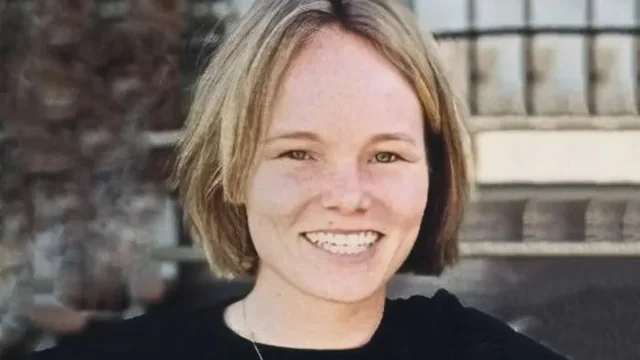
On March 19, 2004, just six weeks after Maura Murray vanished in New Hampshire, a 17 year old girl disappeared one state over in Vermont.
Her name was Brianna Maitland.
That morning she took her final GED exam. She was trying to get her life on track. That afternoon she ran errands with her mom.
While they were standing in a checkout line, something outside the store caught Brianna's attention. Her mom said she seemed shaken by it.
Nobody has ever figured out what she saw.
That evening she worked her shift at the Black Lantern Inn in the small town of Montgomery. Around 11:20 p.m. she said goodbye to her coworkers, got in her old Oldsmobile, and drove off alone.
The next day, drivers noticed her car about a mile down the road.
It had been backed into the side of an abandoned farmhouse.
Inside were two of her paychecks, never cashed. Her migraine medication. Her personal things.
Police treated it like a routine abandoned car. It wasn't handled as a crime scene.
And because Brianna had been staying with friends, nobody realized she was missing for four days.
Then the tips started coming in. Three weeks before she vanished, she'd been jumped and beaten at a party. One anonymous caller claimed she was being held against her will in a house a few towns over, and that it had something to do with drugs in the area.
None of it ever brought her home.
Years later, investigators pulled a DNA profile from an item found near the car. They compared it to 11 persons of interest.
No match.
22 years later, Brianna Maitland has never been found.
Someone in that small town knows what happened that night.
On Thursday, February 5, 2004, Maura Murray was working a night shift at a security desk at UMass Amherst when she took a phone call.
Her supervisor later said she just shut down. Zoned out, crying. She was walked back to her dorm. Nobody has ever figured out what that call was about.
Two nights later, she borrowed her dad's car and wrecked it on the way back from a party. Thousands in damage.
Then came Monday, February 9.
She emailed her professors and her boss saying there'd been a death in her family and she'd be gone about a week.
Nobody had died.
She packed up most of her dorm room. Searched for directions to the Berkshires and Burlington, Vermont. Pulled about $280 from an ATM, bought around $40 worth of liquor, and drove north into New Hampshire without telling a single person where she was going.
Around 7:30 that night, on a dark curve of Route 112 in Haverhill, she slid her black Saturn into a snowbank.
A school bus driver who lived right there pulled up and asked if she needed help. He noticed she seemed cold and shaken. She told him not to call anyone, she'd already called AAA.
AAA never got a call. Her phone had no service there.
He went home and called police anyway.
Officers arrived minutes later. The car was locked. The windshield was cracked. Inside was a spilled box of wine, her belongings, and a book about hikers who died in the White Mountains.
Maura was gone.
A tracking dog picked up her scent and followed it about 100 yards east down the road. Then it just stopped. No footprints into the woods. No trail.
She was a former West Point cadet. A distance runner. She knew those mountains well.
Searches have covered the woods, the river, the hills, even underneath a nearby house. Investigators now say they're using technology that didn't exist in 2004.
22 years later there is still no body, no suspect, and no confirmed sighting.
Did she run? Did someone pick her up? Or did she walk into those woods on purpose?
What do you think happened to Maura Murray?
On March 9, 2000, 23 year old Leah Roberts walked away from her life in Durham, North Carolina.
She'd been through more than most people her age. She lost her mom in college, then her dad. She survived a serious car crash. And just months short of finishing her degree, she dropped out.
That morning she left her roommate a note and enough cash to cover a month of rent and bills. She packed her clothes, her guitar, and her kitten Bea into her white Jeep Cherokee.
She didn't tell anyone where she was going.
She was a big fan of Jack Kerouac. She drove west.
Four days later she was in Bellingham, Washington. On the afternoon of March 13, two men remembered talking to her at a restaurant in the local mall. She bought a ticket to see American Beauty.
After that, her bank account went silent.
On March 18, a couple out jogging on a remote logging road in the North Cascades looked down a steep embankment and saw a wrecked white Jeep in the trees below.
Leah wasn't there.
Her things were scattered around it. Her checkbook. Her guitar. Her passport. Some of the broken windows had been covered with towels and clothes, like someone had been using it for shelter.
Her kitten's carrier was inside. It was empty.
Then it got stranger.
Investigators concluded that no one was even in the Jeep when it went over the edge. The crash may have been staged.
And tucked under the floor mat, they found her late mother's diamond engagement ring. Her family said it was the most precious thing she owned.
The FBI took over the case. Witnesses claimed sightings. Nothing panned out.
26 years later, Leah Roberts has never been found. Neither has Bea.
Who sent that Jeep over the edge?
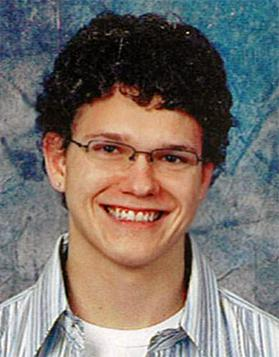
In the early hours of May 14, 2008, 19 year old Brandon Swanson was driving home from an end of semester party in rural southwest Minnesota.
Somewhere on a gravel back road, he slid his car into a ditch.
He wasn't hurt. Around 1:54 a.m., he called his parents and said he was stuck just outside the town of Lynd, close to home.
His mom and dad got in the car and drove out to find him.
They searched the back roads. They flashed their headlights. Brandon flashed his. Neither side could see the other.
So Brandon decided to walk toward the lights of what he thought was Lynd. He stayed on the phone with his dad the whole way.
He talked about climbing fences. Crossing fields. Hearing water somewhere nearby.
They were on the line for 47 minutes.
Then Brandon suddenly said, "Oh, shit!"
And the line went silent.
His parents called back over and over. The phone kept ringing. Nobody ever answered.
When they went to police at 6:30 that morning, one officer told them Brandon was an adult and had a right to be missing.
Later that day, phone records revealed something nobody saw coming. Brandon was never near Lynd. He was about 25 miles away, near the towns of Taunton and Porter.
His parents had been searching in completely the wrong place.
Deputies found his car in a ditch out there. Search dogs picked up his scent and followed it toward the Yellow Medicine River, which was running high after flooding.
The river was searched by boat. Years later, in 2021, a drought dried it out completely and investigators dug through it again.
Nothing. Not his phone. Not his clothes. Not a single trace.
His parents turned their nightmare into Brandon's Law, which now requires Minnesota police to take a missing persons report immediately, no matter how old the person is.
18 years later, Brandon has never been found.
What did he see in the dark?
On Thursday, February 5, 2004, Maura Murray was working a night shift at a security desk at UMass Amherst when she took a phone call.
Her supervisor later said she just shut down. Zoned out, crying. She was walked back to her dorm. Nobody has ever figured out what that call was about.
Two nights later, she borrowed her dad's car and wrecked it on the way back from a party. Thousands in damage.
Then came Monday, February 9.
She emailed her professors and her boss saying there'd been a death in her family and she'd be gone about a week.
Nobody had died.
She packed up most of her dorm room. Searched for directions to the Berkshires and Burlington, Vermont. Pulled about $280 from an ATM, bought around $40 worth of liquor, and drove north into New Hampshire without telling a single person where she was going.
Around 7:30 that night, on a dark curve of Route 112 in Haverhill, she slid her black Saturn into a snowbank.
A school bus driver who lived right there pulled up and asked if she needed help. He noticed she seemed cold and shaken. She told him not to call anyone, she'd already called AAA.
AAA never got a call. Her phone had no service there.
He went home and called police anyway.
Officers arrived minutes later. The car was locked. The windshield was cracked. Inside was a spilled box of wine, her belongings, and a book about hikers who died in the White Mountains.
Maura was gone.
A tracking dog picked up her scent and followed it about 100 yards east down the road. Then it just stopped. No footprints into the woods. No trail.
She was a former West Point cadet. A distance runner. She knew those mountains well.
Searches have covered the woods, the river, the hills, even underneath a nearby house. Investigators now say they're using technology that didn't exist in 2004.
22 years later there is still no body, no suspect, and no confirmed sighting.
Did she run? Did someone pick her up? Or did she walk into those woods on purpose?
What do you think happened to Maura Murray?
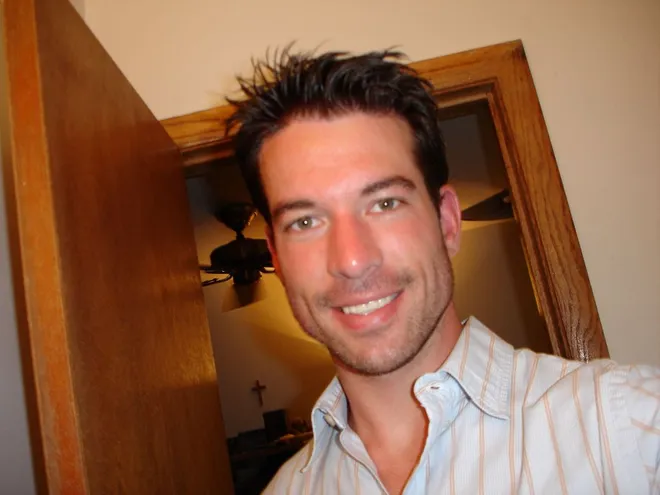
On the night of March 31, 2006, Brian Shaffer, a 27 year old Ohio State medical student, went out in Columbus to kick off spring break.
He'd had a brutal month. His mom had died of cancer just three weeks earlier. But he was still going to class, and in two days he was flying to Miami with his girlfriend.
He had dinner with his dad that night. Then he and a friend hit the bars.
Just after 1 a.m., security cameras caught Brian riding an escalator up into the Ugly Tuna Saloona, a packed second floor bar near campus.
Around 1:55 a.m., the cameras caught him again, just outside the entrance, chatting with two young women.
Then he walked out of frame, back toward the bar.
That is the last time anyone has ever seen Brian Shaffer.
The cameras never recorded him leaving. Not on the escalator. Not through the front. His friends waited, called him, and eventually went home.
Monday morning, he never showed up for his flight.
Up to 50 officers searched at a time in those first days. Over the years, police have sifted through more than 5,000 tips.
His phone was never used again. His bank account was never touched. His credit cards were never charged.
Two years later, his father, still searching, was killed when a tree fell on him in his own yard.
Then in 2026, a podcast got a tip naming a possible person of interest. When they brought the name to a Columbus detective, they learned police had already been given that same name by one of Brian's friends back in 2006.
20 years later, no body. No arrest. No answer.
He walked into a bar full of people, in front of cameras, and vanished.
How?
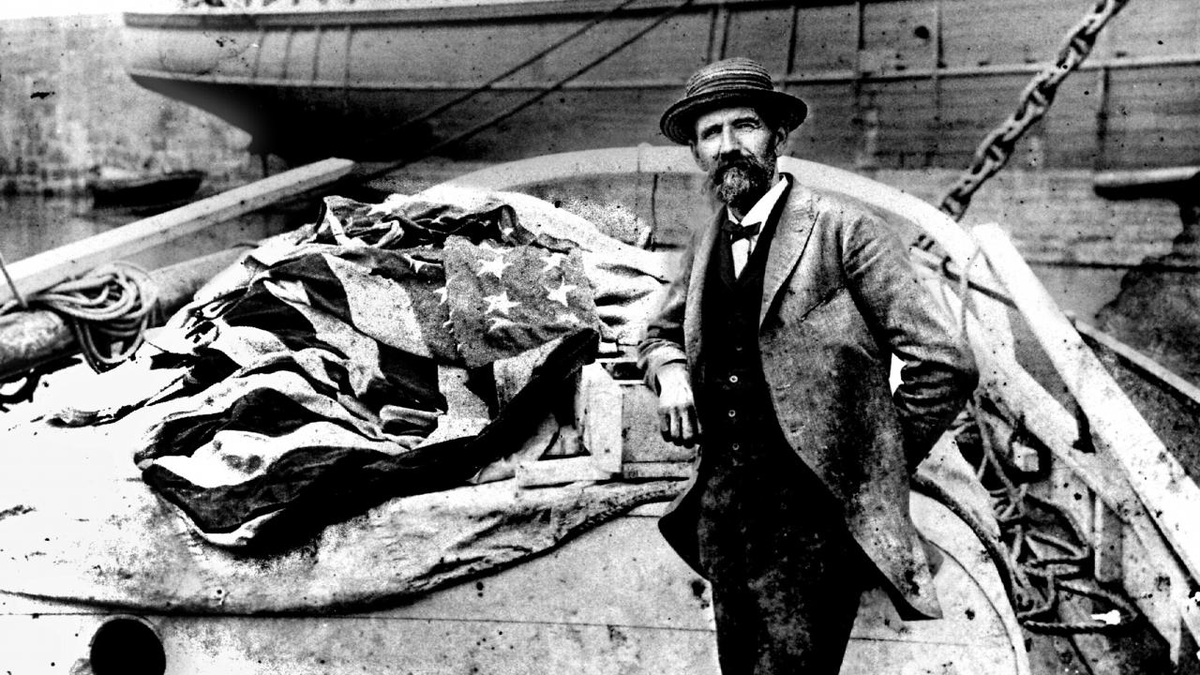
In 1895, a 51-year-old sea captain named Joshua Slocum set out from Boston on a 36-foot oyster sloop he had rebuilt himself by hand.
Her name was Spray.
His plan sounded insane. He was going to sail around the entire world. Alone.
Nobody had ever done it.
Slocum had spent his life at sea. Born in Nova Scotia, he became an American citizen and worked his way up to command merchant ships. But by the 1890s the age of sail was dying, steamships were taking over, and he was a captain without a ship. So he found a rotting old hull in a field in Massachusetts and spent over a year bringing it back to life.
Then he left.
Over the next three years he crossed the Atlantic, doubled back to South America, fought his way through the Strait of Magellan, and crossed the Pacific and Indian Oceans. He handled storms, pirates off Morocco, and sleepless nights with no one to take a watch. Near Tierra del Fuego, worried about raiders boarding at night, he scattered carpet tacks across his deck and slept below. The story goes that he woke to the sound of barefoot men yelling and jumping overboard.
In 1898 he sailed back into Newport, Rhode Island. More than 46,000 miles. The first person in history to sail solo around the globe.
His book about it, Sailing Alone Around the World, became a classic that sailors still read today. He became famous. Theodore Roosevelt invited him to Sagamore Hill, and Roosevelt's young son Archie later went sailing with him aboard Spray.
But Slocum couldn't stay ashore.
In November 1909, at 65 years old, he sailed out of Vineyard Haven, Massachusetts, in the same little boat. He was headed south toward the Caribbean. He talked about going on to South America and exploring the Orinoco and the Amazon.
He was never seen again.
No wreckage. No body. No debris that could be traced to Spray. No final message. The man who had survived the Strait of Magellan and three oceans alone simply sailed over the horizon and stopped existing.
So what happened?
Some think a storm finally caught him. Others think a steamship ran him down at night without ever noticing. Spray was old by then and reportedly not in great shape, and Slocum was no longer young. Any one of those things could have done it.
In 1924 he was declared legally dead.
More than a century later, nobody knows where Joshua Slocum and Spray are resting.
The first man to sail alone around the world went out one last time, and the sea kept him.
In January 2007, an Australian adventurer named Andrew McAuley climbed into a sea kayak at Fortescue Bay, Tasmania, and paddled out toward New Zealand.
Nobody had ever crossed the Tasman Sea solo by kayak. It's roughly 1,600 km of some of the roughest water on the planet, where weather systems roll in from the Southern Ocean with almost nothing to slow them down.
McAuley wasn't some reckless amateur. He had paddled Bass Strait, crossed the Gulf of Carpentaria, and taken a kayak below the Antarctic Circle. He knew exactly what he was signing up for.
His boat was custom built for the trip. It carried a month of food and water, and at night he could seal himself under a small domed canopy and try to sleep curled up inside the hull while the sea threw him around.
His first launch in December 2006 failed. Within a day he turned back, cold and convinced his setup wasn't right. Most people would have quit there. He fixed what he could and went back out.
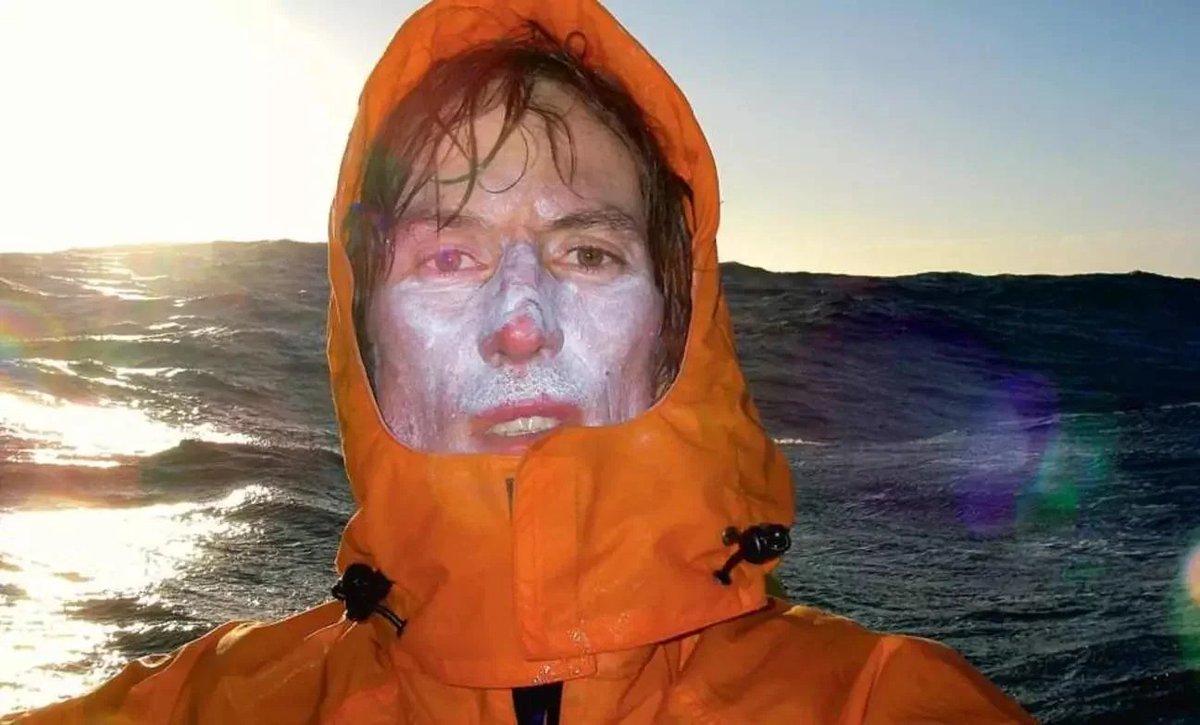
For nearly a month he was alone out there. He called home by satellite phone. He filmed himself on a handheld camera. He dealt with wind, swell, exhaustion, and the kind of isolation few people ever experience.
And it was working.
By early February he was approaching the coast of Fiordland. His wife Vicki was preparing to meet him at Milford Sound. After all that ocean, he was within about 30 nautical miles of land.
Then on the evening of February 9, a broken radio transmission reached Milford Sound. Much of it was hard to make out. But the pieces that came through were chilling. His kayak was sinking. He was in the water. He needed rescue.
A search launched immediately.
The next day they found his kayak. It was swamped but still floating. The canopy he slept under was gone.
Andrew McAuley was gone too.
They searched the water and the coastline. His body was never found. The canopy was never explained.
The one thing that came back was his camera. On it was footage from the crossing, including a moment out on the open sea where he breaks down in front of the lens. Watching it now, knowing how close he came, is hard.
So what happened?
Nobody knows for sure. Maybe a wave tore the canopy off and flipped him while he was inside. Maybe he was trying to deal with the canopy and lost his grip on the boat. Maybe nearly 30 days of no real sleep finally caught up with him at the worst possible moment, in the dark, in cold water, alone.
The footage and his story became the 2008 documentary Solo.
But the last few hours remain a mystery.
He paddled across almost an entire sea by himself, and disappeared just before the finish line.