Drug #addiction is a chronic disease characterized by drug seeking and use that is compulsive, or difficult to control, despite harmful consequences. https://t.co/cnSx0CiHms #AddictionScience
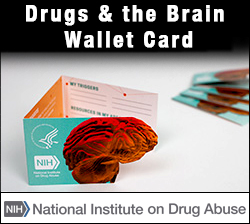
Counselors: Need a tool to help people leaving criminal justice facilities stay drug-free? The Drugs & the Brain Wallet Card is designed specifically for people transitioning back to a less structured environment: https://t.co/f8HMNYNrql
Visit #NIDAMED for helpful tips from a physician on developing relationships with outpatient clinics. These relationships are important for referring SUD patients to substance use treatment after they receive #buprenorphine in the inpatient setting. https://t.co/3yKL4zkVyJ
About half of those who experience a mental illness will also experience a substance use disorder at some point in their lives and vice versa. Learn the facts about co-occurring conditions and how to find help.
https://t.co/w9Pc9Lri4k
#NIDAteens
Naloxone is a medicine that rapidly reverses an #opioid overdose. Naloxone should be given to any person who shows signs of an opioid overdose or when an overdose is suspected. https://t.co/z2QDmYOxW7
Cocaine is back, and it’s contaminated. The powerful opioid fentanyl is often mixed into cocaine, turning the stimulant into a much bigger killer than in past. Cocaine-related overdoses took lives of nearly 14,000 Americans in 2017, up 34% in just a year.
https://t.co/58PYpDu7YF
At @APHAAnnualMtg we discussed @CDCgov’s work to address the #opioid crisis. Too many are dying from opioid overdoses. Addiction is a chronic, relapsing medical condition, not a moral failing, and we must support those confronting this condition. https://t.co/GOa45RNgN4 #APHA2019
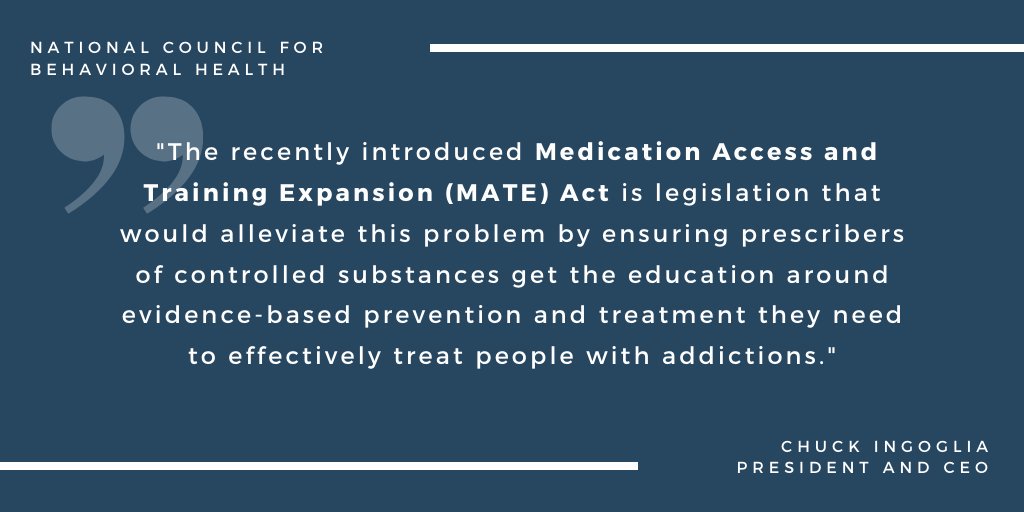
We need to ensure people with addictions get good effective care when and where they need it. The lack of #healthcare providers trained on evidence-based addiction prevention and treatment in the wake of a national crisis is greatly concerning. Learn more: https://t.co/WFOnxYkwYl
#Opioid misuse can negatively affect your grades, activities, and relationships—and can lead to addiction. Use opioids only as your doctor prescribes.
https://t.co/uhBom2ePFg #NIDAteens
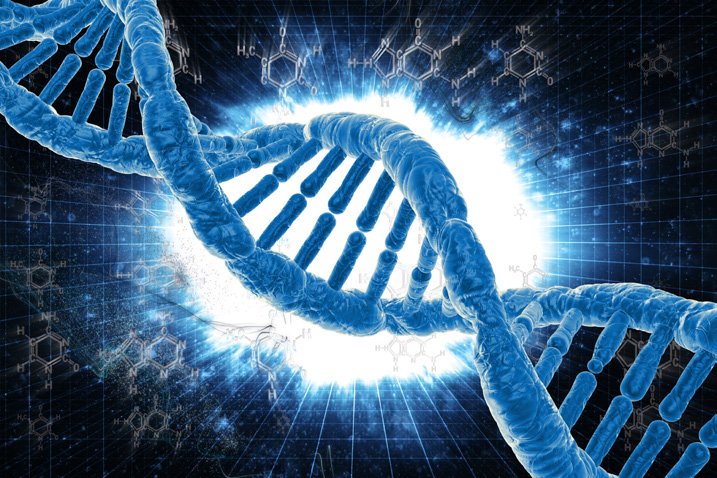
A person’s genetics can play a large role in their risk of addiction. Get the latest research on how DNA can influence a person’s response to drugs: https://t.co/f2gT1DaLlu
Parents: When you think about your child’s health, don’t forget substance use prevention. Our Family Checkup helps prepare you to talk to your teens about drugs.
https://t.co/xRyE98m3Xz
#ChildHealth
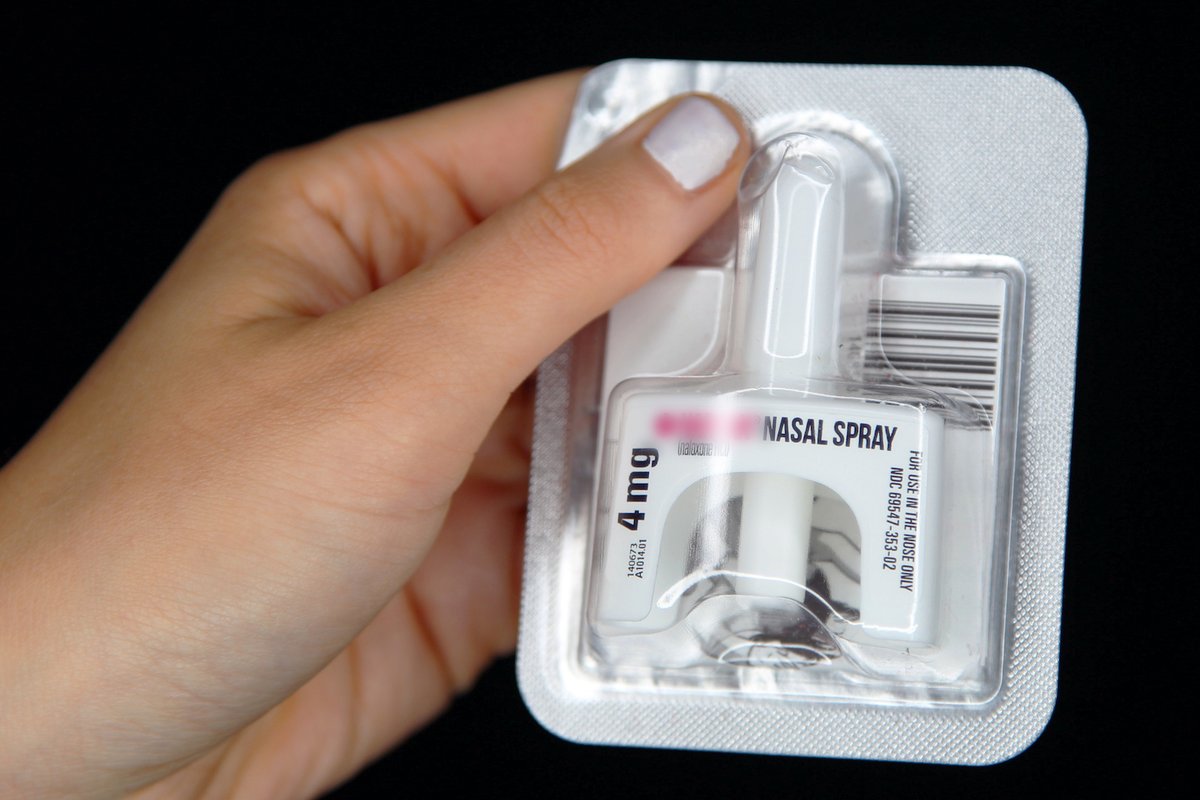
Anyone can carry nasal naloxone and use it to help someone who has overdosed on opioids. Learn where to get it and how to recognize the signs of opioid overdose here:
https://t.co/Im7QvBg6Hg
#NIDAscience#OpioidCrisis