Looking to follow WHN on other platforms? Find us here!
IG: whn_global
Facebook: World Health Network, WHN Member
Tiktok: worldhealthnetwork
Mastodon: @[email protected]
Bluesky: thewhn
LinkedIn: World Health Network
Website: https://t.co/YneSDN42MO
Masking is an important part of preventing respiratory infections, and the Government of Canada is reminding the public why.
Canada’s public health guidance continues to recommend well-fitting masks and respirators, including N95s, to reduce the risk of COVID-19, flu, RSV, and other respiratory infections. It’s encouraging to see public health guidance that emphasizes prevention and gives people practical ways to protect themselves and others.
Read the Government of Canada’s guidance:
https://t.co/phvFc3BOc2
#PublicHealth #Masking #N95 #COVID19 #AirborneTransmission #RespiratoryHealth #Prevention
We don't need a new COVID variant to take prevention seriously.
COVID-19 continues to circulate year-round, and every infection carries potential health risks, including Long COVID.
Reducing airborne transmission matters now, not just when a new variant makes headlines. Cleaner indoor air, well-fitting respirators, and other preventive measures can help reduce infections.
#COVID19 #LongCOVID #AirborneTransmission #PublicHealth
Introducing the Champions of Public Health Award!
The World Health Network is proud to launch a new award recognizing individuals and organizations making a meaningful difference in public health around the world.
From community advocates and researchers to educators, healthcare professionals, nonprofits, and public agencies, we want to celebrate those working to protect health, strengthen communities, and inspire change.
Know someone making an impact? Nominate them!
Whether their work is widely recognized or happens behind the scenes, every contribution matters.Anyone can submit a nomination, including self-nominations. Nominations are accepted year-round, with no deadline.
Learn more and nominate a Champion: https://t.co/Sk4FKuc8Rt
#PublicHealth #COVID #COVID19 #LongCOVID #InfectionControl
Ebola detection delays can have serious consequences.
In Nigeria, a patient experienced symptoms for nearly two weeks before Ebola was confirmed, raising concerns about potential exposures during that time.
The case highlights why early detection, infection prevention, and rapid response are essential to containing outbreaks.
Read the full WHN editorial: https://t.co/XrTzOn21SI
#Ebola #EbolaVirus #InfectionPrevention #PublicHealth #InfectionControl
Clean indoor air is becoming policy around the world: CO₂ limits in classrooms, ventilation checks in schools, masking rules in hospitals. But rules on paper don’t always mean clean air in practice.
Our new tracker shows efforts worldwide, both where the rule stands and whether anything is actually happening. Each one comes with practical steps: who to contact, what to ask and what others have done.
Find your country, region or city: https://t.co/vVwcPK8zaG
#CleanAir #AirQuality #AirQualityMatters #CleanAirMatters #PublicHealth
As COVID-19 continues to circulate, UK health experts are reminding the public that masks remain an important tool for reducing respiratory virus transmission.
Well-fitting respirators, such as N95s and FFP2s, help filter airborne particles and reduce exposure, particularly in crowded or poorly ventilated indoor spaces.
Masking remains a practical way to protect yourself and others.
Read more: https://t.co/QFaZPKiD6U
#COVID19 #Masking #PublicHealth
Applications are now open for World Health Network’s new December 2026–February 2027 Internship Program!
Join students from around the world to gain hands-on experience in public health, collaborate with a global team, and make a meaningful impact.
Apply now: https://t.co/QeklOC9RCP
#PublicHealth #Internship #HealthIntern #HealthEducation
“American COVID” is making headlines, but the name isn't what matters.
COVID-19 continues to circulate, and the virus spreads through the air we share. Rather than focusing on sensational headlines or variant names, we should focus on preventing infections.
Cleaner indoor air, well-fitting N95 respirators, and layered prevention can help protect our communities.
#COVID19 #AirborneTransmission #PublicHealth #COVID #CovidIsNotOver
November 2026 Edition Available Now!
WHN’s Kids’ Zone Magazine is a free, downloadable issue packed with kid-friendly stories, art, science, and COVID-conscious lifestyle ideas made for families who are still choosing care.
Download the latest issue for free + explore past editions anytime: https://t.co/vcxcfIY5jc
#PublicHealth #COVID #COVID19 #COVIDConscious
Applications are now open for World Health Network’s new December 2026–February 2027 Internship Program!
Join students from around the world to gain hands-on experience in public health, collaborate with a global team, and make a meaningful impact.
Apply now: https://t.co/QeklOC9RCP
#PublicHealth #Internship #HealthIntern #HealthEducation
COVID-19 continues to pose serious health risks in 2026, including Long COVID and other long-term complications. Taking precautions, such as wearing a well-fitting respirator and improving indoor air quality, can help reduce the risk of infection and protect your health.
#COVID #COVID19 #PublicHealth #COVIDIsNotOver #Pandemic
Contact tracing plays an important role in controlling Ebola outbreaks, but it cannot identify exposures that were never recognized.
Kenya's response demonstrates both the value of identifying and monitoring contacts and the importance of continued surveillance.
Even with high contact tracing rates, early detection and ongoing monitoring remain essential to preventing further transmission.
Read WHN’s editorial here: https://t.co/fG1rJJqQ4G
#Ebola #PublicHealth #InfectionPrevention #GlobalHealth #Health
COVID-19 circulates year-round, and surges can happen at any time. Prevention shouldn't be limited to periods of increased transmission.
Whether you're trying to avoid infection or prevent spreading COVID-19 to others, taking precautions matters.
Wearing a well-fitting respirator, improving indoor air quality, and staying home when sick can help reduce transmission and protect our communities.
#COVID #COVID19 #LongCOVID #PublicHealth #InfectionPrevention
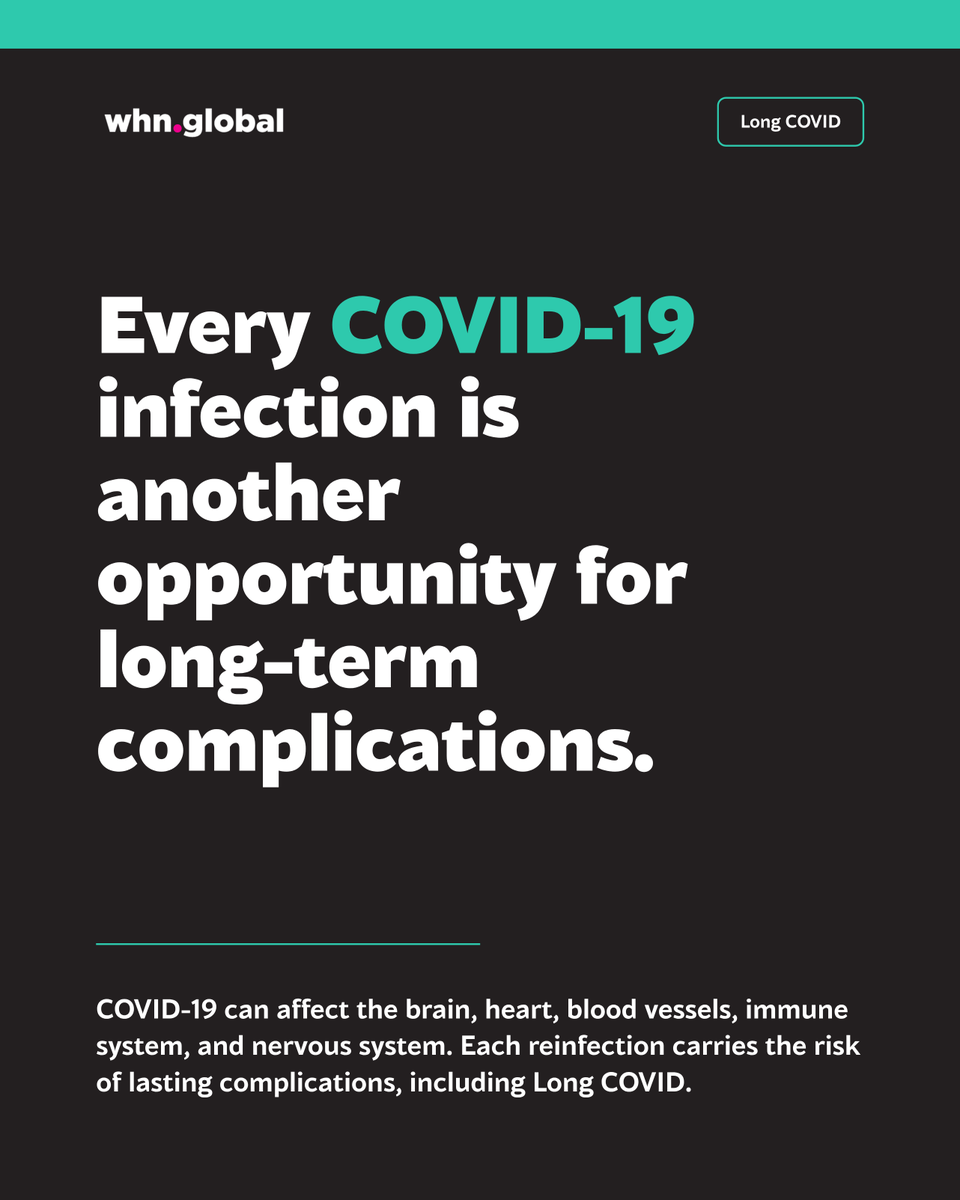
Every COVID-19 infection is another opportunity for long-term complications.
COVID-19 is more than a respiratory illness. COVID can affect multiple organs and systems throughout the body, with potential consequences that extend far beyond the initial infection.
Even "mild" infections can lead to Long COVID, which may cause persistent fatigue, cognitive difficulties, cardiovascular problems, and other symptoms that disrupt daily life.
Previous infection does not eliminate the risks associated with reinfection. Reducing exposure and preventing repeated infections remain important for protecting long-term health.
Prevention still matters. Wear a well-fitting respirator, improve indoor air quality, and take steps to reduce transmission.
#LongCOVID #COVID19 #COVIDIsNotOver #PublicHealth #COVID
A COVID-19 wave doesn't end when transmission peaks.
In this update, Dr. Michael Hoerger explains why transmission can remain high even after a wave reaches its peak, which regions are seeing elevated transmission, and what could influence the severity of the upcoming winter wave.
Staying informed is essential as we head into the colder months.
Watch the full COVID-19 update on our YouTube channel: https://t.co/qVPzjrP4Jp
#COVID19 #COVIDUpdate #PublicHealth #COVIDAwareness #WorldHealthNetwork
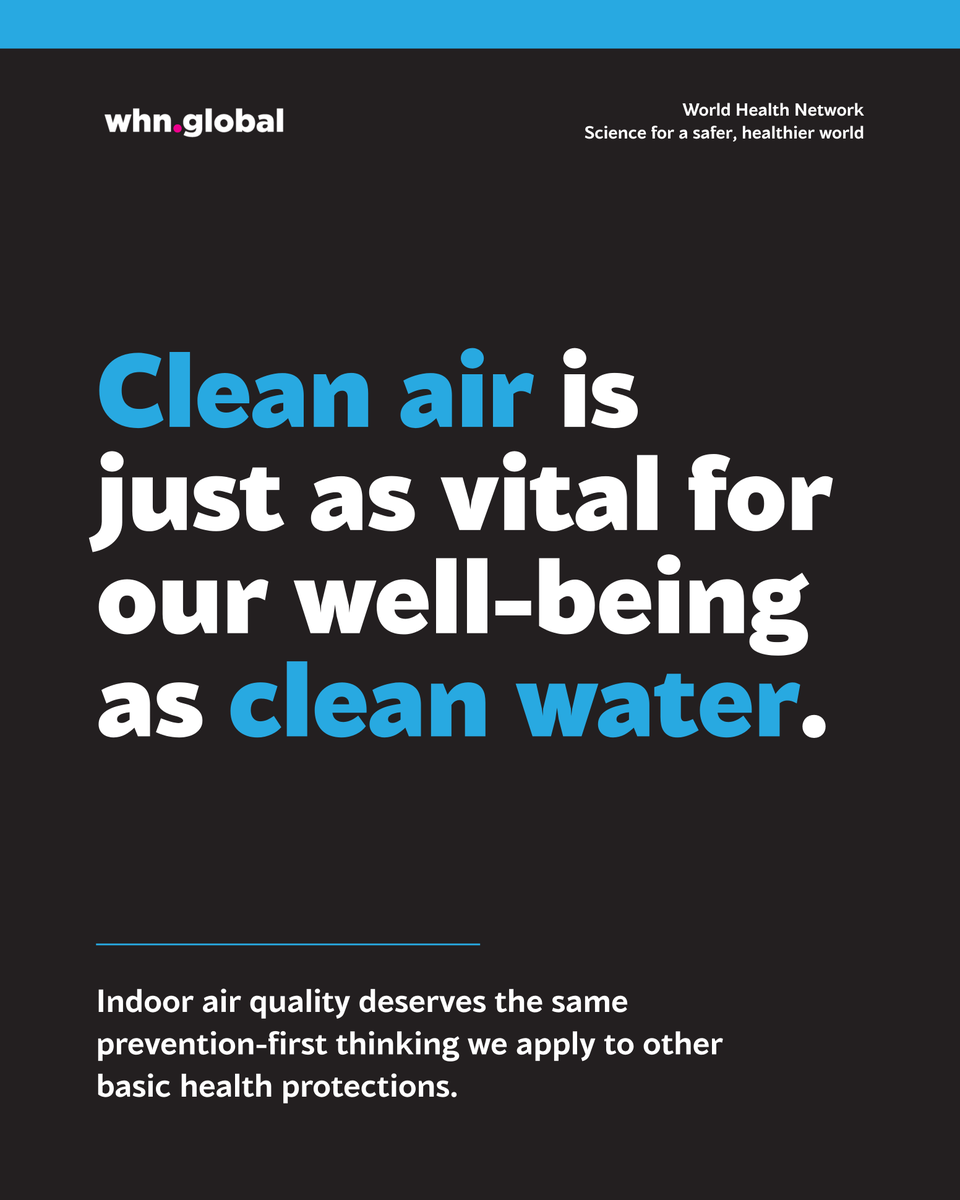
Clean air is a fundamental part of public health, and should be a basic expectation.
Just as we prioritize clean drinking water, we should prioritize the quality of the air we breathe every day.
Improving indoor air quality through better ventilation, effective filtration, and cleaner air standards can help reduce the spread of airborne infections, including COVID-19, and protect community health.
#CleanAir #PublicHealth #COVID #AirborneTransmission #COVID19
Every infection avoided is one less illness to face and one less recovery to go through.
Prevention is most effective when multiple protective measures work together. Masking, improving indoor air quality, testing, vaccination, and reducing exposure in shared spaces all play a role in limiting the spread of respiratory infections.
Making prevention part of everyday life helps protect ourselves and our communities.
#PublicHealth #COVID #COVID19 #InfectionPrevention #DiseasePrevention
A suspected plague event in Irkutsk, Russia, highlights the importance of early response to airborne-transmissible and rapidly fatal diseases.
The first hours and days can be critical in preventing further transmission and reducing the risk of an outbreak.
Read the full article: https://t.co/LtkW6DYzaP
#DiseasePrevention #OutbreakResponse #InfectionPrevention #DiseasePrevention #PublicHealth
COVID-19 prevention shouldn't be limited to periods of increased transmission.
COVID-19 continues to circulate year-round, making consistent prevention an important part of protecting individual and community health.
Improving indoor air quality, wearing well-fitting respirators, and supporting accessible prevention measures can help reduce transmission in everyday settings.
Prevention should be built into our schools, workplaces, healthcare facilities, and shared spaces, not treated as a temporary response to surges.
#COVID19 #COVIDPrevention #PublicHealth #COVIDIsNotOver #LongCOVID