"It’s that kind of thinking, the extreme marginalization and incarceration of Aboriginal people in a crazy assimilation experiment that locked Aboriginal people out of the economy…" @marcialangton
https://t.co/XiWvbMczKu
“The striking thing about liberal democracy is that it isn’t necessarily a stable system over time. Eventually it becomes very hard to remove a democratically elected head of government by democratic means…”
https://t.co/LVnCZMZkEa
As funding cuts and tech disruption continue to change the higher education policy environment, we ask the question:
How much should university students really be paying?
https://t.co/y69NQZR1iY
In the past decade, Australia’s population has ⬆ by about 350,000 a year. By 2035 Melbourne will bypass Sydney as Australia’s most populous city.
As tensions around housing are set to intensify– who's left behind? And where does Melbourne move from here? https://t.co/JcLT9oAf8Z
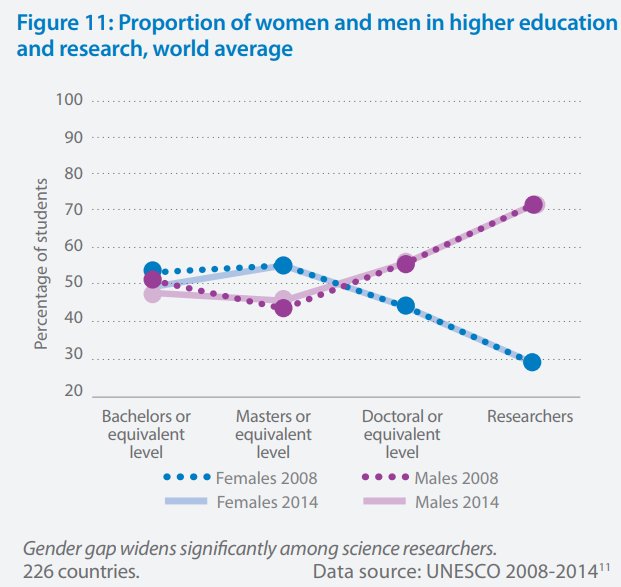
“The absence of women from science is not just the absence of participants. It’s the absence of an entire aspect of culture”
Professor Schiebinger on the importance of the three fixes – fix the number of women, fix the institutions and fix the knowledge.
https://t.co/f0d3z3JUUM
From tax advisors to lawyers to consultants, Artificial Intelligence is transforming every area of the traditional white-collar working life.
Is any job safe from the march of the machines?
https://t.co/ANWNEccgKU
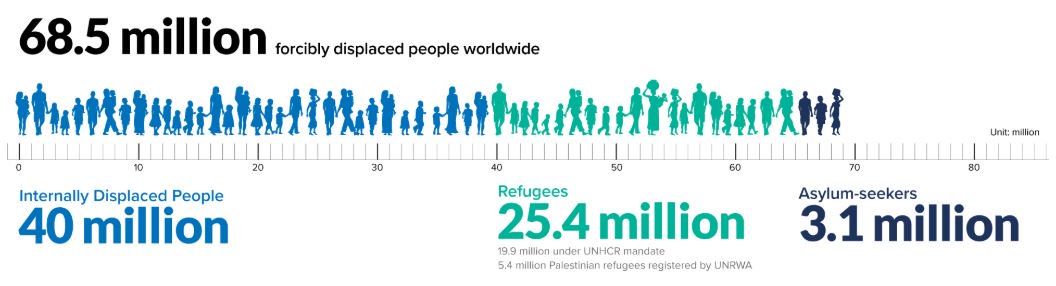
Over 68 million people were displaced across the world in 2017 – the highest levels of global displacement on record.
As this number continues to grow, Australia must examine its policy response to the global refugee crisis.
https://t.co/sajKVJ3VPP
In a world paralysed by the enormity of climate change, Australia is in danger of ‘sleepwalking towards catastrophe’.
What shift in environmental policy do we need? And how might art be the imaginative leap forward?
https://t.co/uycSVO8Zxn
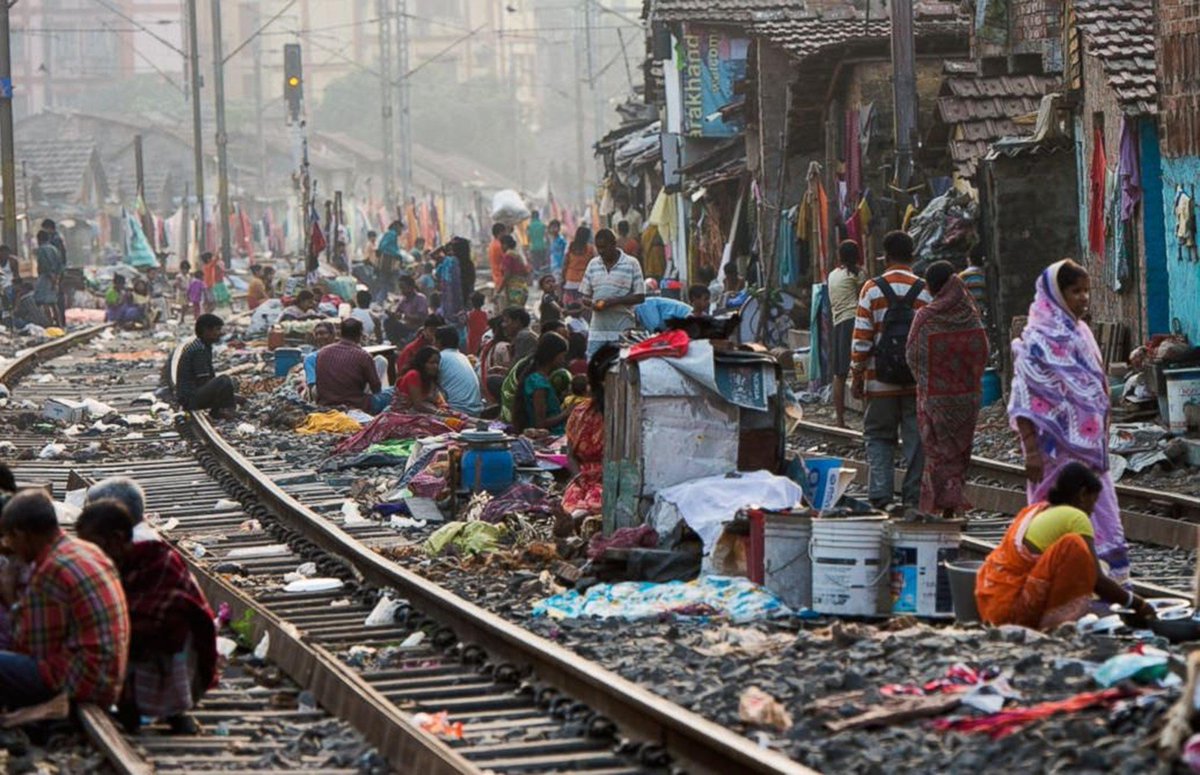
Coffee houses and weekend brunch spots populate every corner of Melbourne’s vibrant CBD. Yet homelessness continues to be a lingering shadow on the world’s most liveable city.
An estimated 116,000 people are expected to be homeless in Melbourne tonight.
https://t.co/Aq3kcp2hUL
You walk into a buffet. What do you see first? The salad? Or the chips?
With Dr David Halpern, CEO of @B_I_Tweets, we explore the revolutionary new insights into human behaviour – and how governments are transforming the way they deal with public policy.
https://t.co/KLTdgZlxvy
Since 1999, an unprecedented upsurge in mortality has struck white working-class Americans – a stark and sobering picture of the world’s most developed nation.
What’s causing the US epidemic of overdose, suicide and existential despair?
https://t.co/i1yibrzNM9
For close to two decades, performance in Australian schools has steadily declined.
A staggering fact?
The average 15-year-old Australian student has the problem-solving abilities in math and science equal to the average 12-year-old Korean pupil.
https://t.co/BvNIziPyJ9
For over a quarter of a century, Australia has escaped recession - close to a global record.
Yet why does the nation find it so hard to balance the books?
https://t.co/6YBEaLqrXJ
Despite being one of the fastest growing economies in the 21st century, India continues to suffer shockingly unequal economic growth. The richest 1% own 53% of the wealth.
Given India’s experience, @ram_guha explores how we can eradicate global poverty.
https://t.co/coWaoWXGjs
Divisiveness, anxiousness and a civic awakening. The hallmarks of the US mid-terms.
In a throwback to 2017, we examine the tension between Trump lovers and Trump haters – and what our collective anger means for the future. #ElectionNight
https://t.co/2uux7cF1Nk
As online gaming giants prepare for their most lucrative race yet, Australia continues to gallop past every nation in the world when it comes to gambling losses.
In 2017, we lost nearly $24 billion to the gambling industry.
https://t.co/Cl9hj1tfEW
For the first time in history, more people now reside in cities than rural areas. Two-thirds of humanity is expected to live and work in cities by 2050.
Facing rapid urbanization, how can we tackle inequality and the changing nature of human relations?
https://t.co/Pl5NSihAsP
Billions invested, wars waged, medicine revolutionalised – yet cancer remains the 2nd leading cause of death in the world with 9.6 million lives lost in 2018.
Joined by @LoiSher and Nobel Laureate Dr Harold Varmus we ask:
Why can’t we cure cancer? https://t.co/CHbPq2PRCR
Amidst the backdrop of an increasingly autocratic government, Central European University is on the verge of losing its home of the last 25 years in Budapest, Hungary.
Listen to @ceuhungary's last-ditch defence against Europe's rising tide of populism.
https://t.co/gzqa5ZB9dV