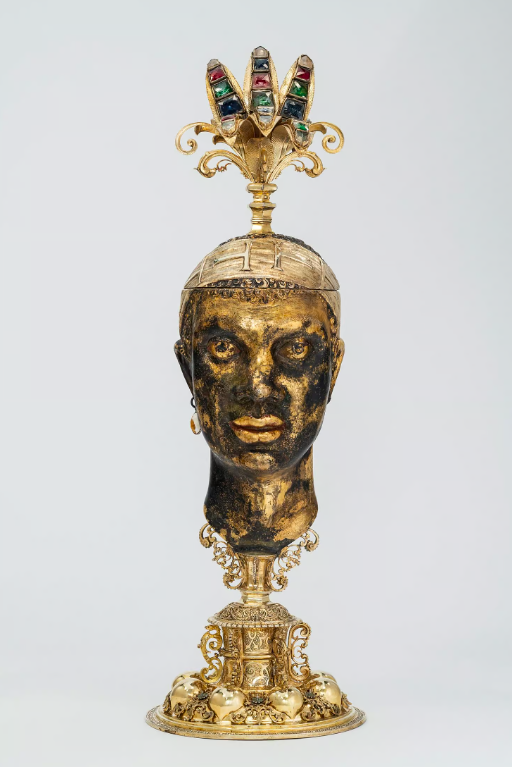
"In 1996 a work of art came to light: the ‘Moor’s Head’ by the goldsmith Christoph Jamnitzer. This splendid object,which had been in the private collection of the Kings of Saxony,shows the graceful head of a young African with full lips,a short broad nose and tightly curled hair.
A large earring made of shell hangs on the right ear; that on the left ear is lost. Today, traces of a black opaque paint, are still to be seen. Originally, there was probably a translucent black lacquer combined with red on the lips and white on the eyes."
For their lack of a central mythology, the Libyans were of far less interest to the ancients than were the Ethiopians." - Michael W. Miller, The Mediterranean Ethiopian: Intellectual discourse and the fixity of myth in classical antiquity, 2010
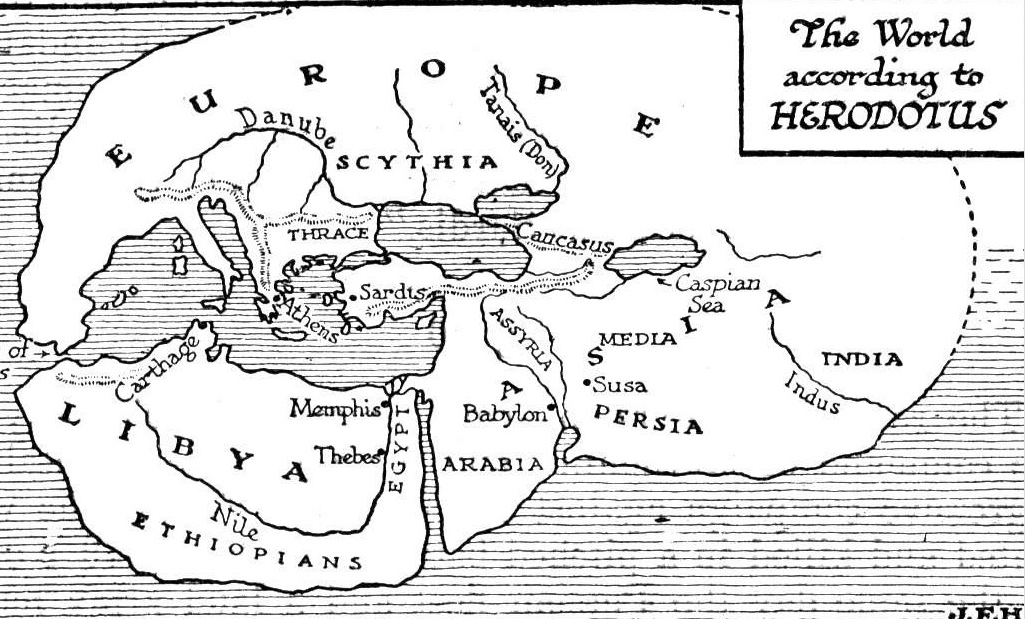
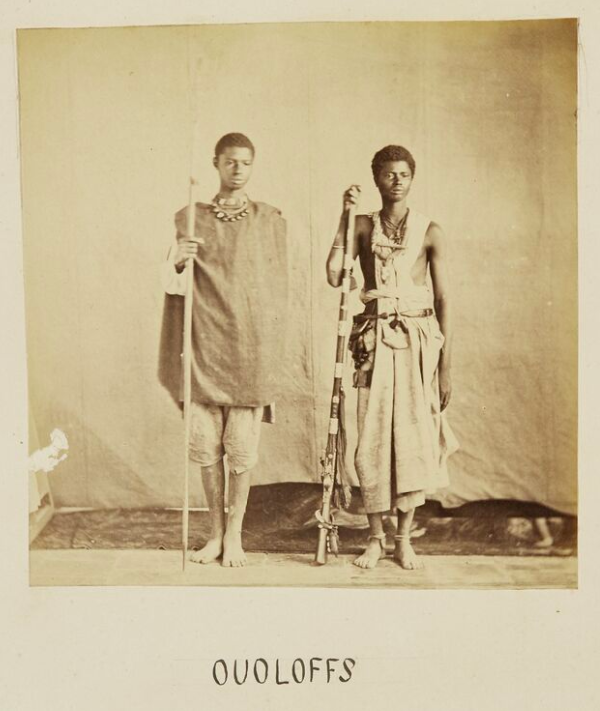
"Herodotus describes Africa as home to 4 races: Phoenicians,Hellenes,Libyans,& Ethiopians. Only the latter 2 were natives. Libyans were primarily nomadic & occupied the deserts to the west of Egypt. 'Libyan,' unlike 'Ethiopian', had no racial connotations; https://t.co/LwKpM3fYsq
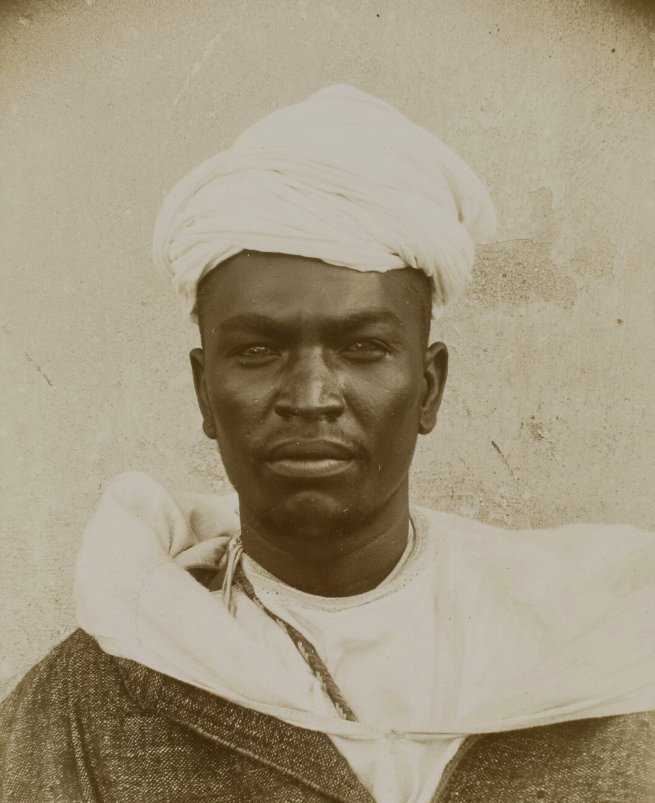
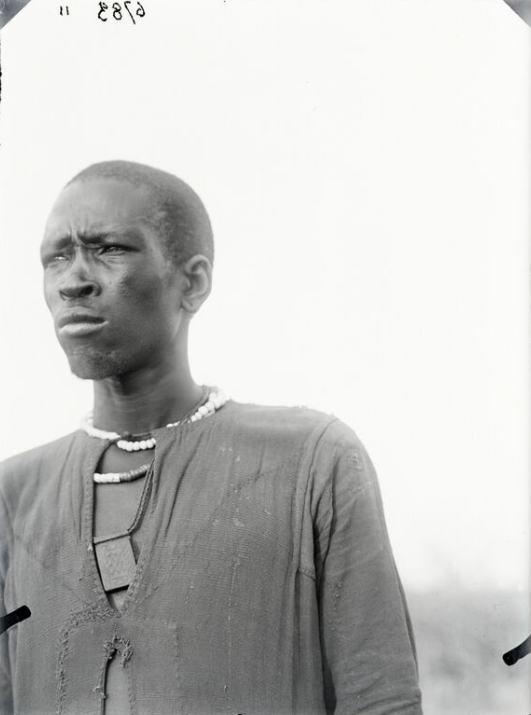
"As far as the biological affiinities of the Garamantes are concerned, they cluster most closely to the Sub-Saharan Africans and the Roman Egyptians and secondarily to populations from Algeria and Tunisia." https://t.co/XYHtDxWF2W
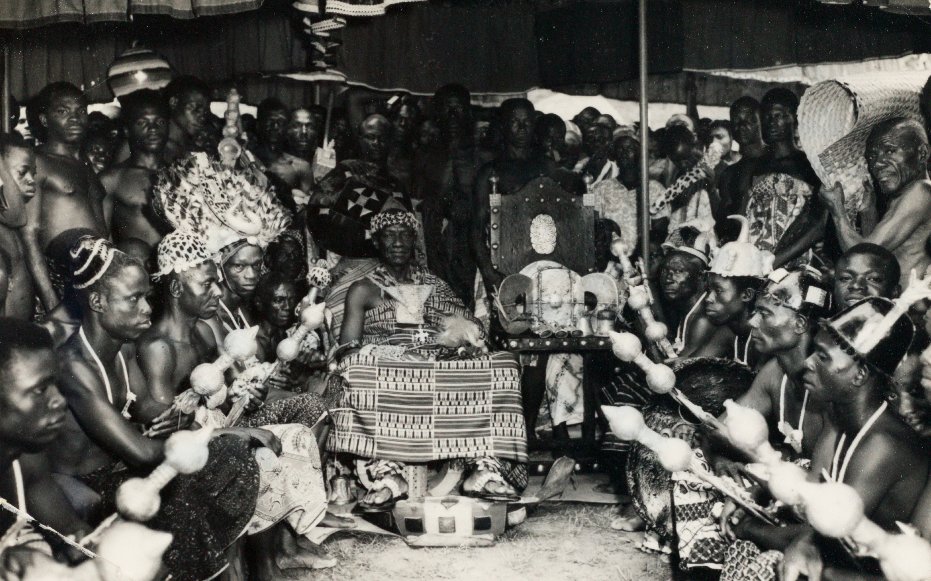
it was associated only with geography. 'Ethiopian' became a descriptor for any individual with certain somatic features; thus white foreigners may confuse Ethiopians with any other African subgroups, such as the Libyans.
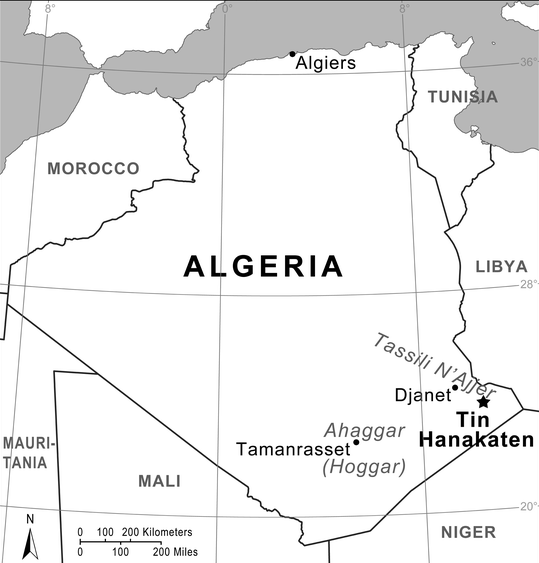
All together, the evidence from Tin-Hanakaten is of the utmost interest, despite the uncertain chronology, it demonstrates the variability of funerary practices in the Early Holocene central Sahara." - Savino Di Lernia, Saharan Hunter Gatherers, 2024
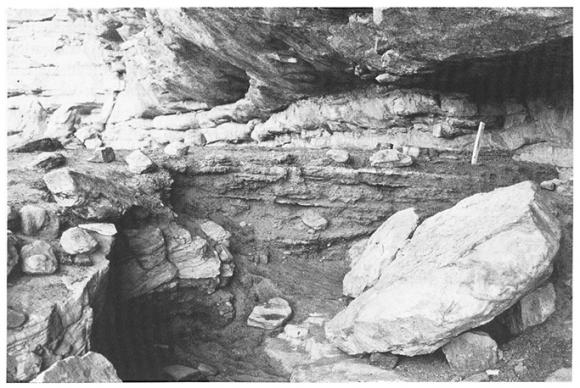
"Tin Hanakaten, is a site closest to the study area & yielded 7 human burials. 3 individuals were buried in a single pit & come from the oldest dated layer, 11,207–10,235 BP. Homo 1 was an adult male, tall & with sub-Saharan 'Negroid' phenotypic features. https://t.co/tniPse5FDl
"Seven burials found in various levels testify that this shelter (uan muhuggiag) was used as both a dwelling and a burial ground. The oldest level, contained a child's skeleton, carefully placed on a funeral litter on his left side in a crouched position. https://t.co/jQj56QxCHy
These features are also shared by Homo 2, a boy aged 15–20. Grave goods also seem to be absent in these Tin Hanakaten burials, except for unspecified “adornment elements” associated with the fragmentary remains of the lower limb of Homo 4.