Thermal bridging solutions is who we are and what we do. Thermal break materials to reduce energy loss due to thermal bridging in the building envelope.
@AliceRDavies No. It should be as close to the exterior sheathing as possible. Heat goes to cold so you want to reduce as much heat from leaving via the steel as possible on the "warm" side of the connection. The inner endplate should be flush with the sheathing and the AVB sealed b4 the TB
The latest version of @ashraenews' benchmark energy efficiency standard, ASHRAE 90.1-2022, covers building sites and thermal bridging. It includes an expanded scope, appearing for the first time in a minimum-efficiency U.S. model energy standard or code.
https://t.co/pyWBbDvlon
The 2020 New York City Energy Conservation Code requires a thermal break of R-3 when parapets penetrate the building envelope. Thermoblock thermal break blocks meet this requirement by offering an R value of either R 5.5 or R 8.8. #thermalbridging
Addressing thermal bridging can achieve performance gains to help meet low energy performance targets. This @FacadeTectonics article will breakdown thermal bridging, its impact on thermal performance and the tools and resources available to account for it.https://t.co/S4Ydf7Uio8
We offer a one hour introductory presentation discussing the effects of thermal bridging, thermal break strategies and energy code. Interested? Please contact us to improve building envelope performance.
https://t.co/XJEDe2c7Zj @AIANational@NCSEA#architects
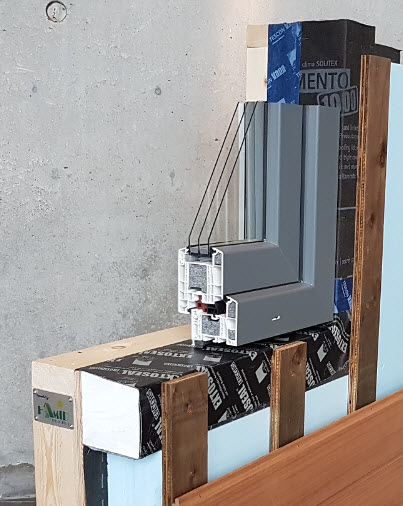
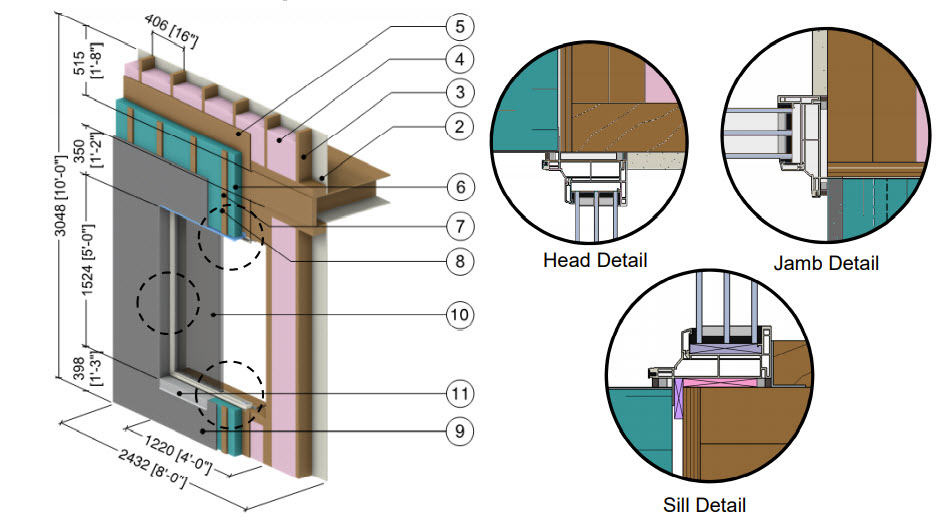
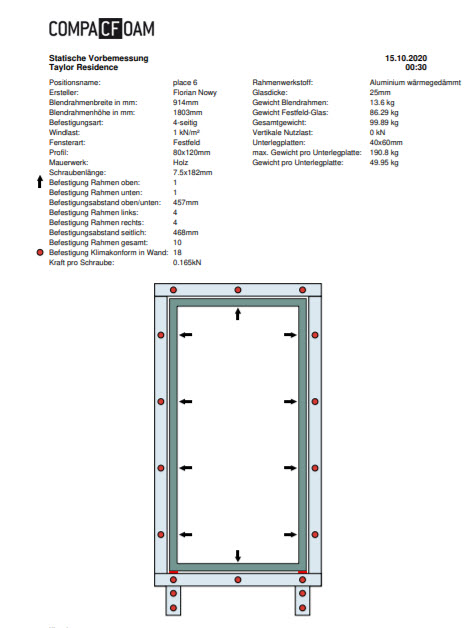
Compacfoam can easily be installed onto almost every type of substrate to support windows, doors and storefronts as a structural thermal break. It is also used within the RO to prevent thermal bridging from wall studs to frame. https://t.co/ZK5NuKn7Kx @the_iPHA @BldngEnclosure
In a previous post, we learned that thermal bridging due to the steel beam reduces the R-value of this wall assembly by 55%. A thermal break material can reduce this heat loss, however, if too thin, it could reduce the R-value of the wall even further. #buildingenvelope