I was lying in my bed, ready to sleep.
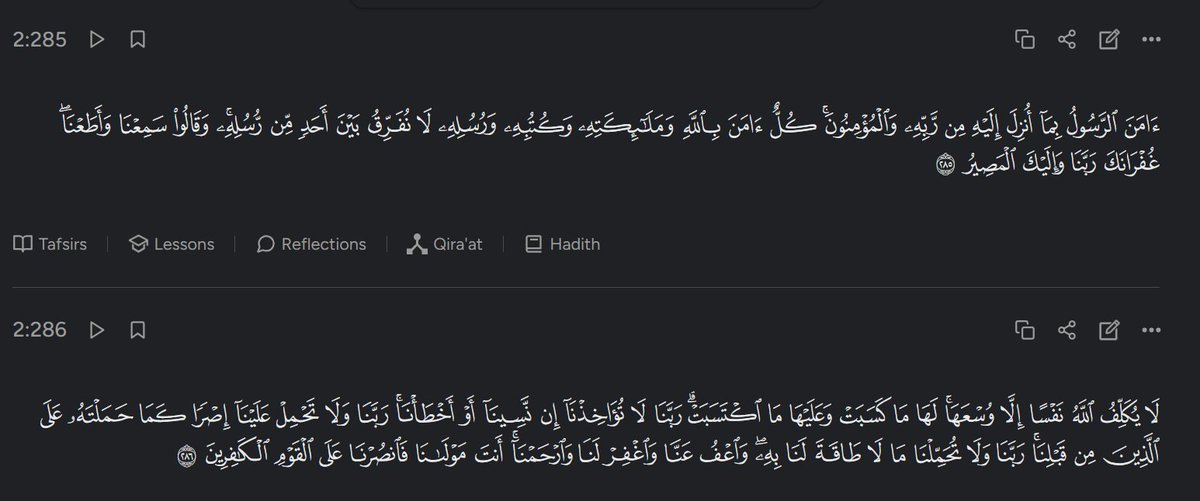
As part of my nightly adhkār, I began reciting the last two verses of Sūrat al-Baqarah. As I reached the end of the first verse, one word stopped me completely and took my sleep away:
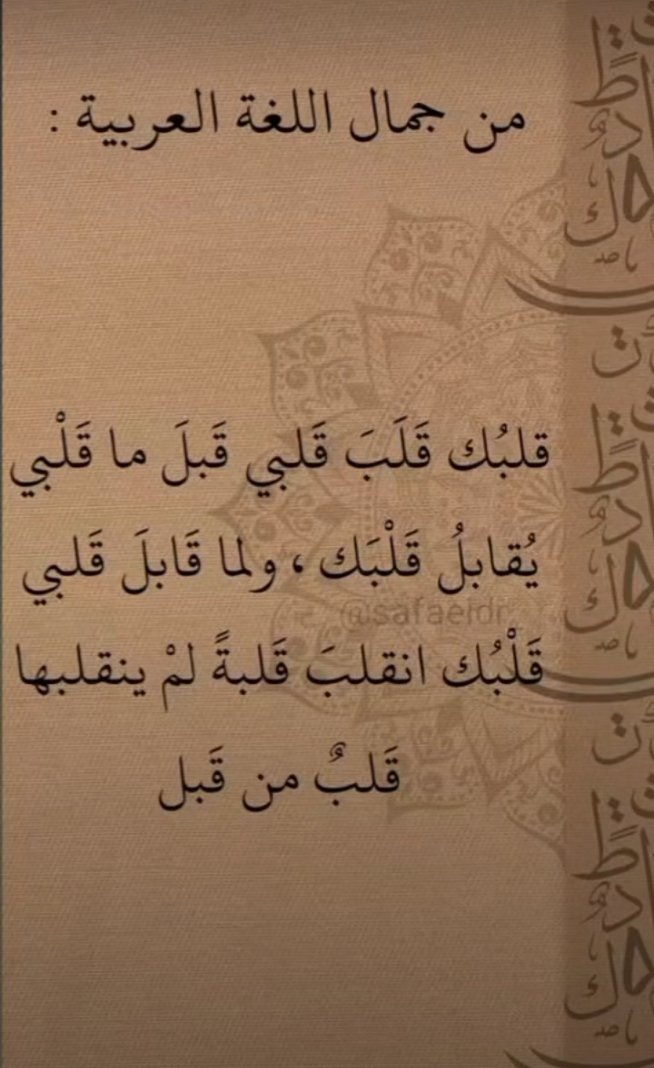
The Beauties of Arabic language.
Translation:
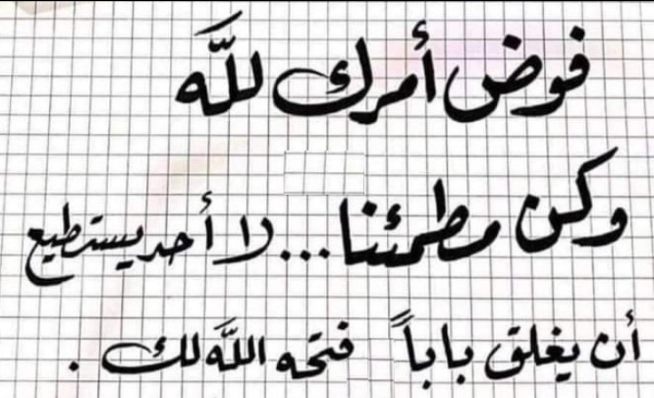
“Your heart turned my heart before my heart met your heart, and when my heart met your heart, your heart turned a turn that no heart had turned before.”
This surah is too big for me to properly write about.
I've posted about this verse before, but every time I return to it, I notice something new. The more I think about it, the harder it becomes to put into words. Still, I wanted to share some of these thoughts.
This surah is too big for me to properly write about.
I've posted about this verse before, but every time I return to it, I notice something new. The more I think about it, the harder it becomes to put into words. Still, I wanted to share some of these thoughts.
Let's ponder this remarkable root: ن ف س.
In Arabic, the root ن ف س carries the idea of life.
The Arabic word for breath is نَفَس, because life begins with a breath.
The Arabic word for the living self is نَفْس—the self that breathes.
I was lying in my bed, ready to sleep.
As part of my nightly adhkār, I began reciting the last two verses of Sūrat al-Baqarah. As I reached the end of the first verse, one word stopped me completely and took my sleep away:
Laylā and Majnūn.
His real name was Qays ibn al-Mulawwah, a real Arab poet whose love story with Laylā became one of the most enduring romances in history. Romeo is often compared to him.