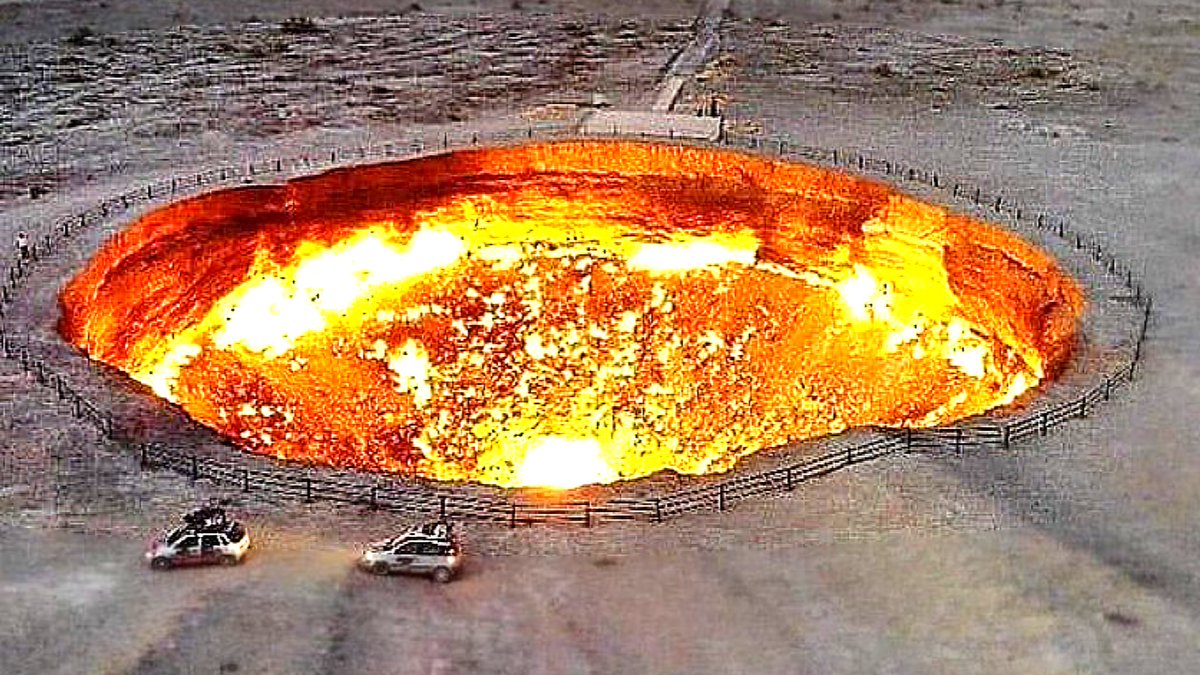
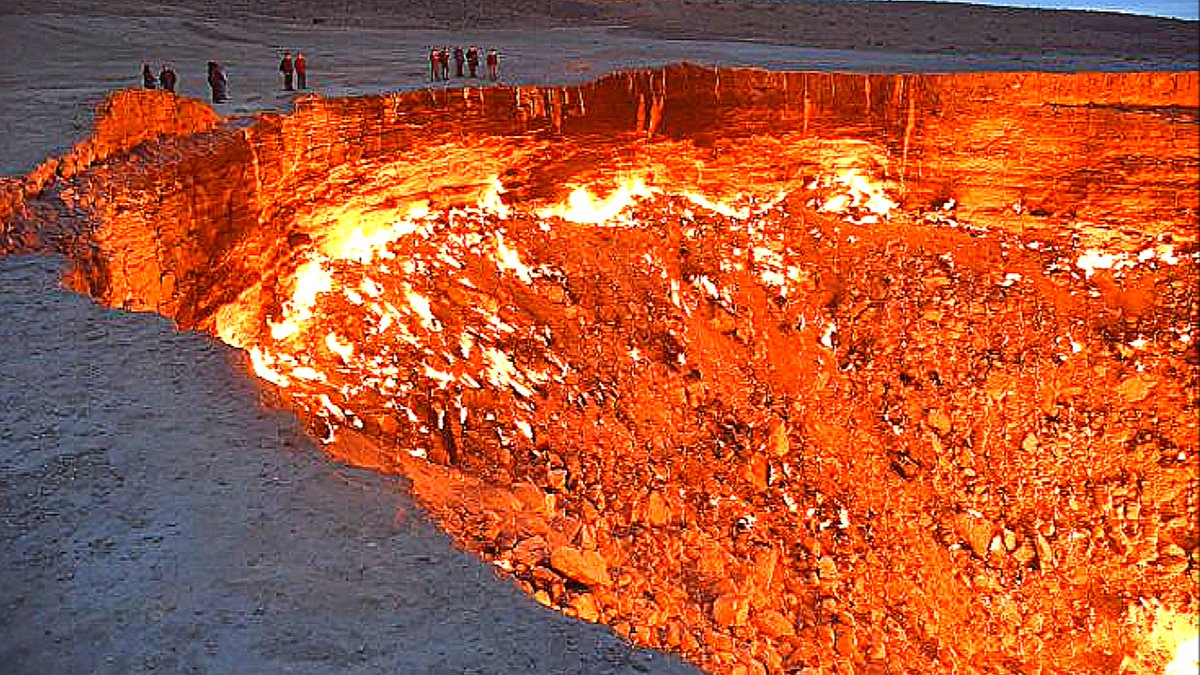
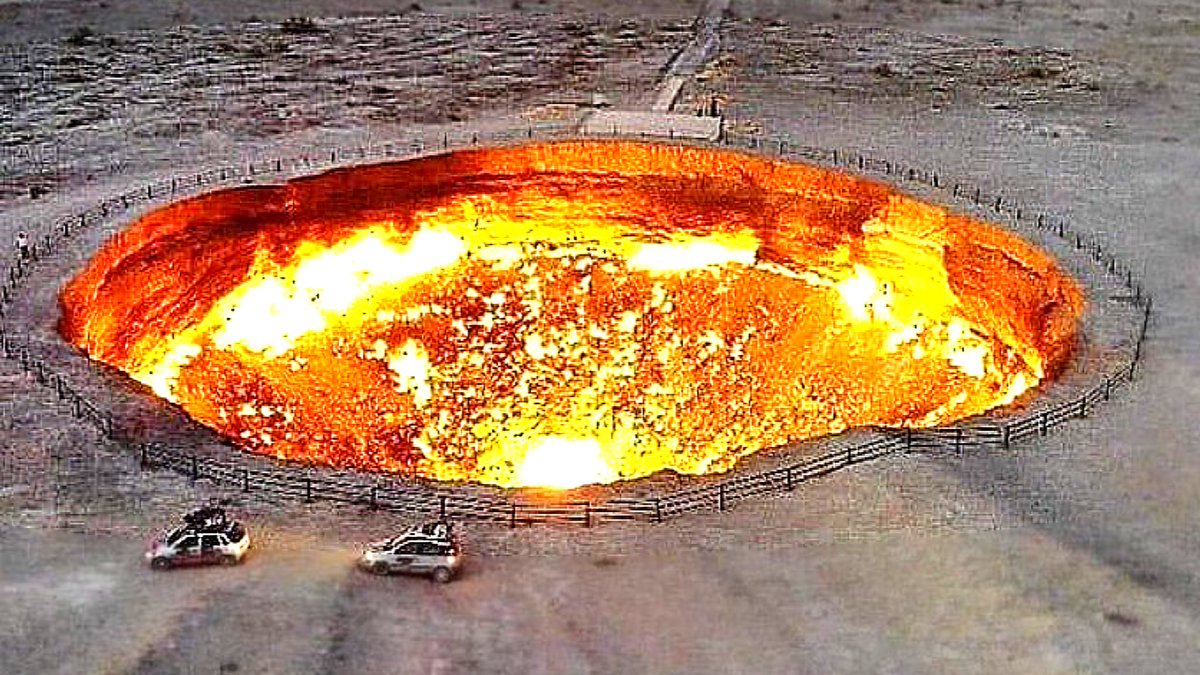
The Real Door to Hell? 🔥
A never-ending fire that has been burning since 1971.
Located in the desert of Darvaza, Turkmenistan.
Accidentally ignited by scientists, it has since become a deadly, never-ending spectacle—now fenced for safety.
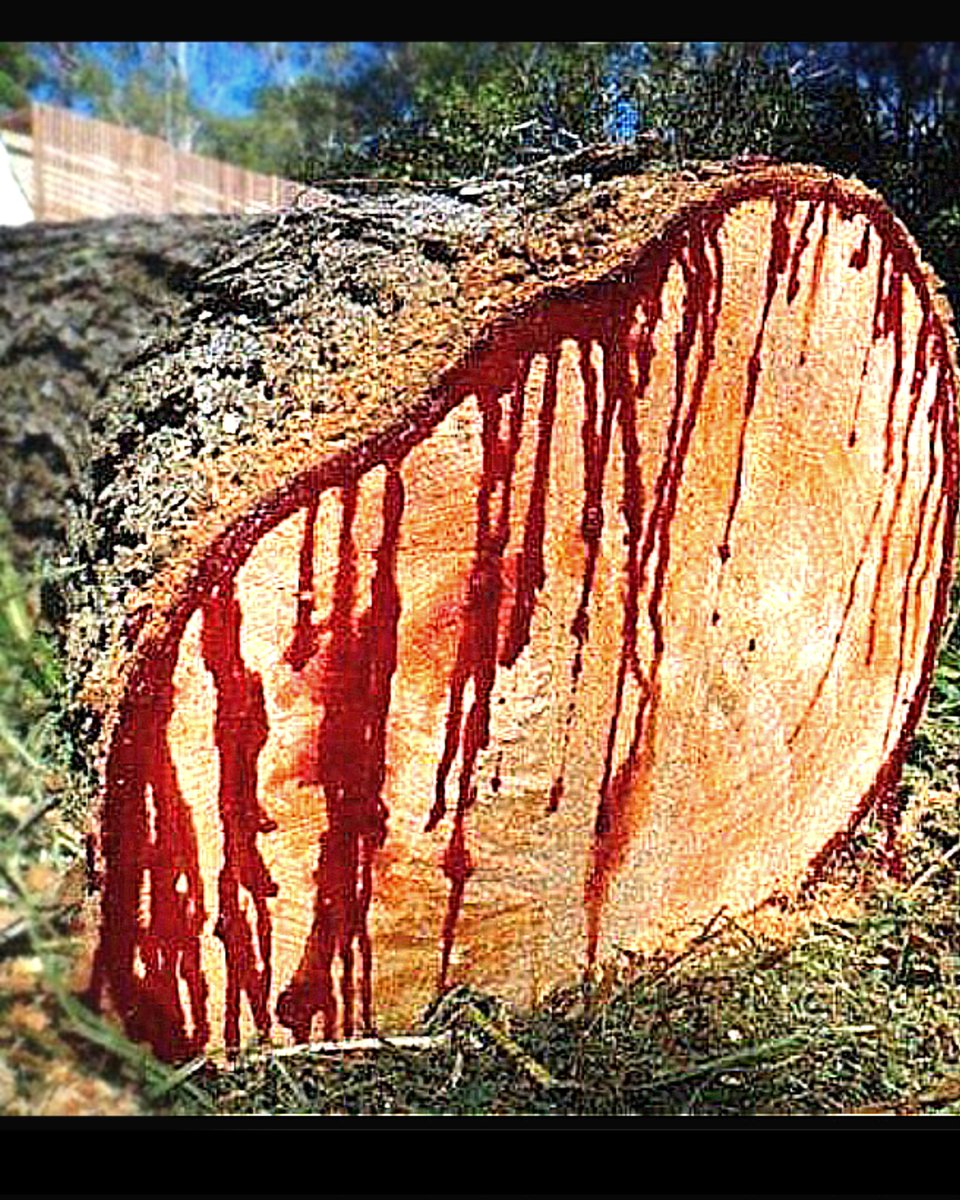
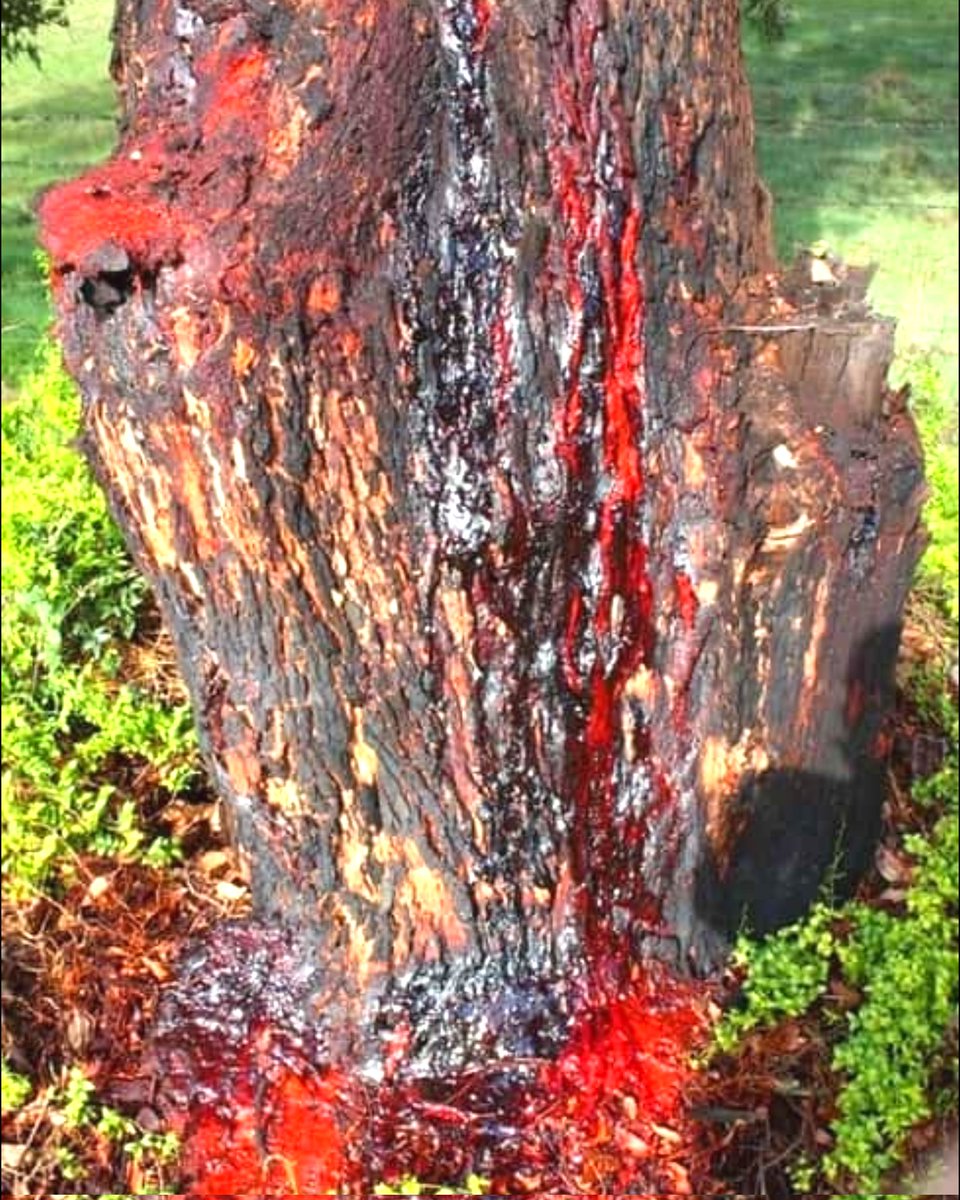
(3/3) The sap also contains chemicals that:
• Fight infection
• Protect against fungi
• Repel insects
Different from human blood — but similar purpose.
The bleeding tree.
(1/3) A tree that bleeds when cut or damaged. The bloodwood tree located in south africa🇿🇦 and central Africa.
It secrets a blood- red sap when cut or damaged and this is the reason why 👇
(4/4) But the plan didn’t work—the gas kept burning because the underground methane supply was much larger than they expected. The fire has been burning ever since, over 50 years, turning the Darvaza crater into the famous “Door to Hell.” 🌋
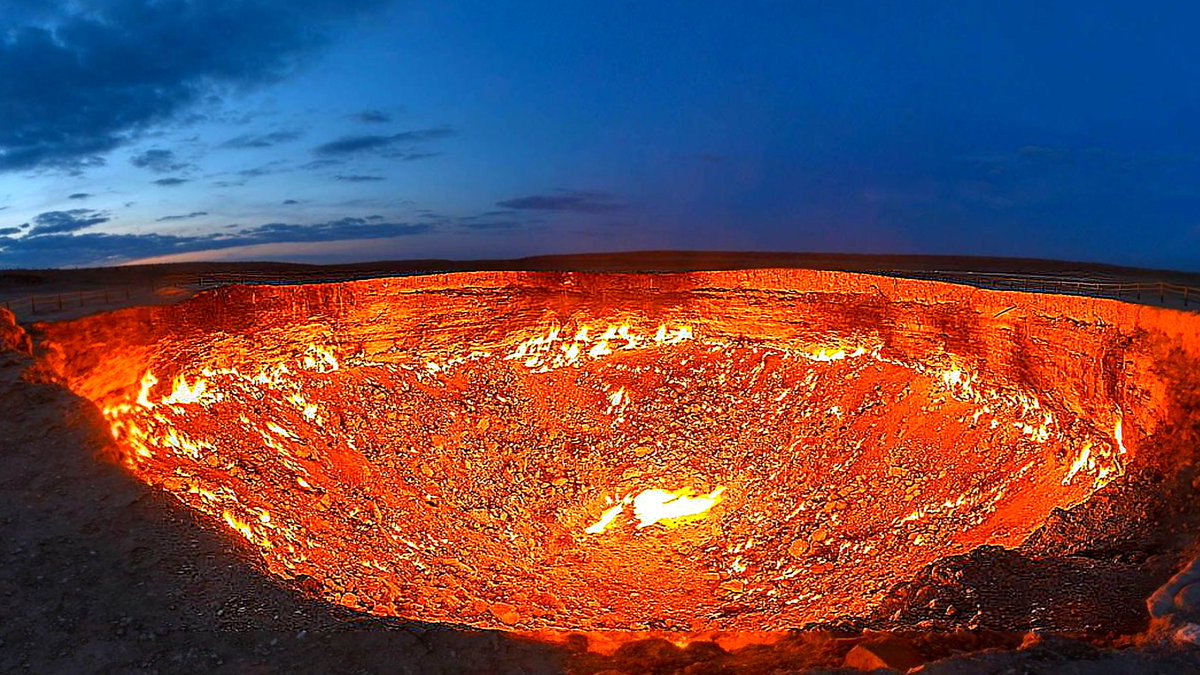
The Real Door to Hell? 🔥
A never-ending fire that has been burning since 1971.
Located in the desert of Darvaza, Turkmenistan.
Accidentally ignited by scientists, it has since become a deadly, never-ending spectacle—now fenced for safety.
(3/4) Because the gas (methane) was poisonous, they wanted to stop it from spreading into the air. So, they set it on fire, expecting the gas to burn off within about two weeks and for everything to return to normal.
But that was not the case.
@archeohistories It was expected to burn for just a few weeks back in 1971… yet here we are over 50 years later. Unless the gas supply runs out or it’s deliberately extinguished, it could keep burning for decades.
The Crooked Forest.
The Crooked Forest consist of a group of pine trees that bend in nearly the same direction.
Located in northwestern Poland, around 400 of these trees take a strange horizontal turn before standing tall again.
No one knows exactly why they grow this way.
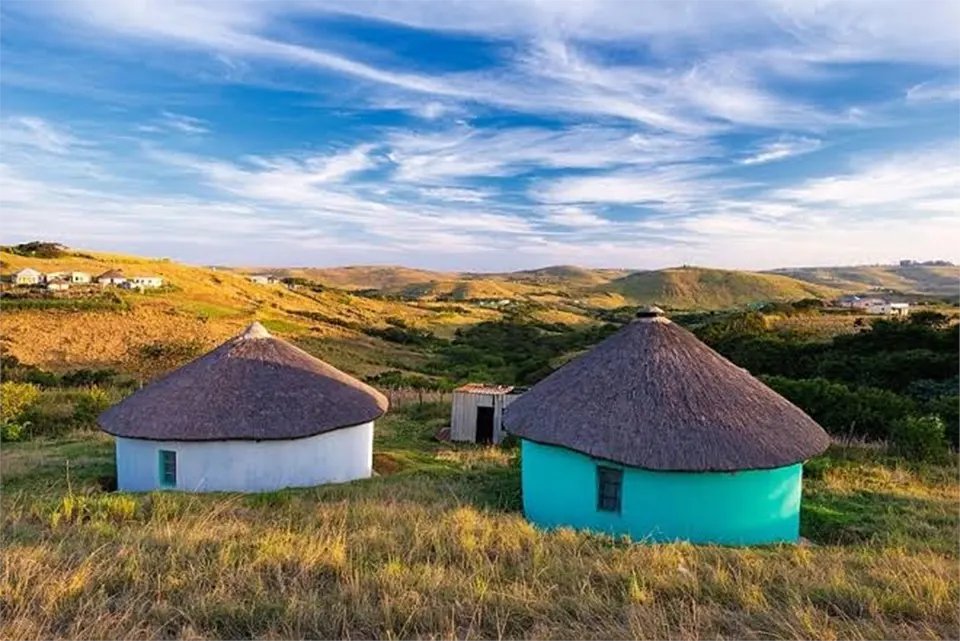
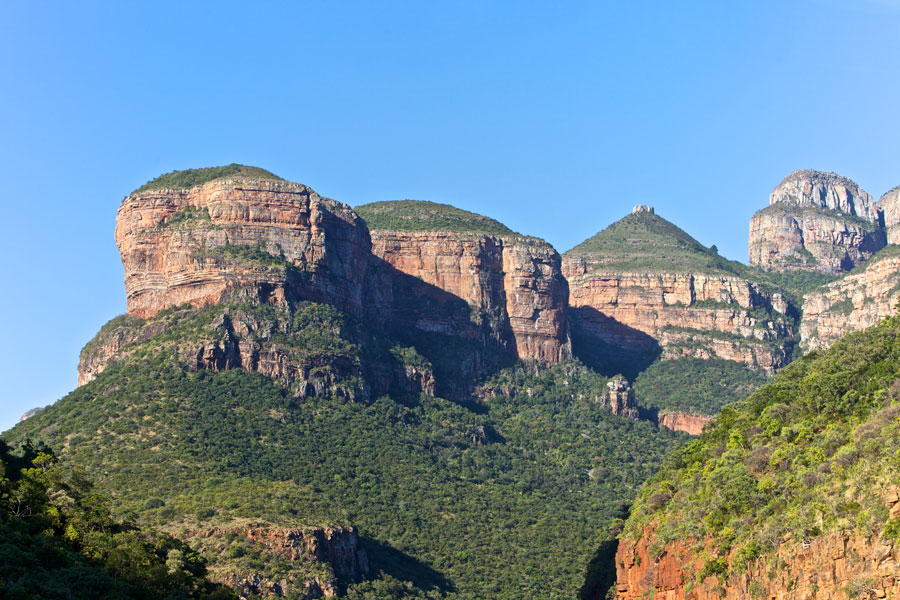
The three Rondavels.
South Africa is home to three natural rock formations that are shaped like traditional African huts.
They have a round base and a slightly pointed top that resembles a roof of an African hut.
They are located within the Blyde River Canyon in Mpumalanga.
Polar bears are dark-skinned.
Under their white fur, polar bears have black skin. But it's not for sun protection.
The dark skin helps absorb and retain heat from the sun in their cold habitat.
Like a natural solar panel, their skin works with their thick fur to keep them warm
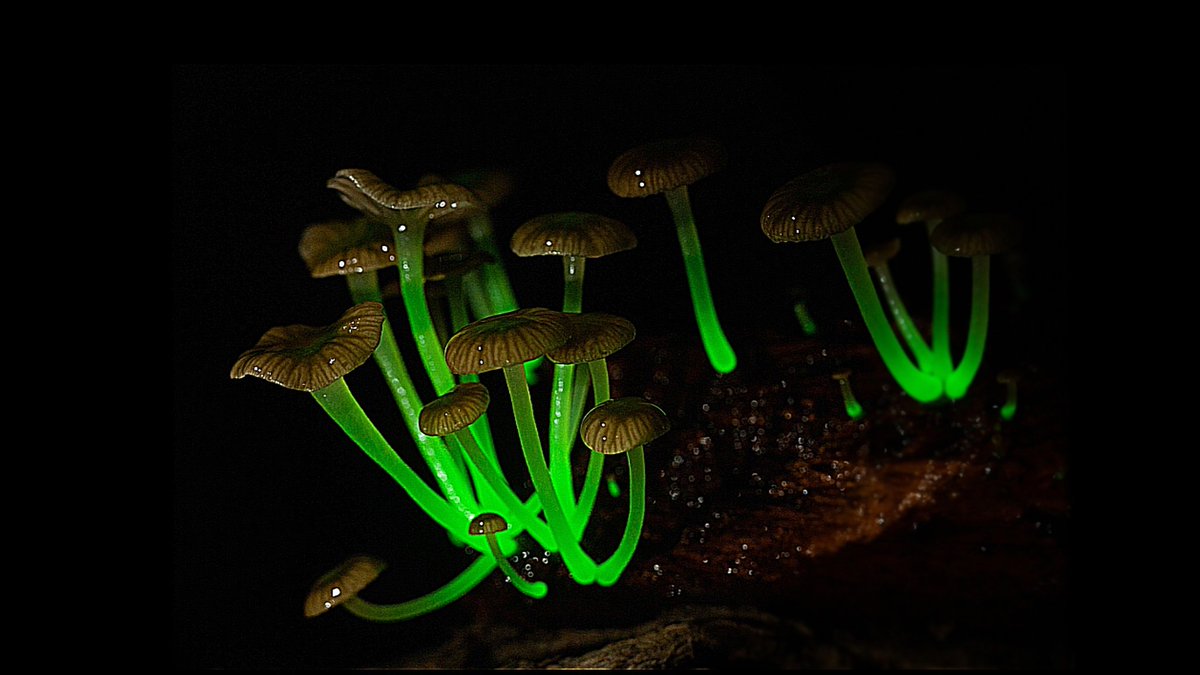
These mushrooms are called bioluminescent fungi.
They emit a soft green glow visible in darkness, created by a natural chemical reaction similar to fireflies. The light can last for days while fresh.
Aim of the glow is to possibly attract insects that help spread its spores.