The Connecticut River Stormwater Committee is a coalition working to share information and collaborate on fulfilling obligations under the EPA stormwater permit
💧 A healthy septic system helps protect clean water!
Failing septic systems can release harmful bacteria and nutrients into local waterways. Schedule regular inspections, pump your tank as recommended, and conserve water to prevent pollution!
#Stormwater#MS4#ThinkBlue
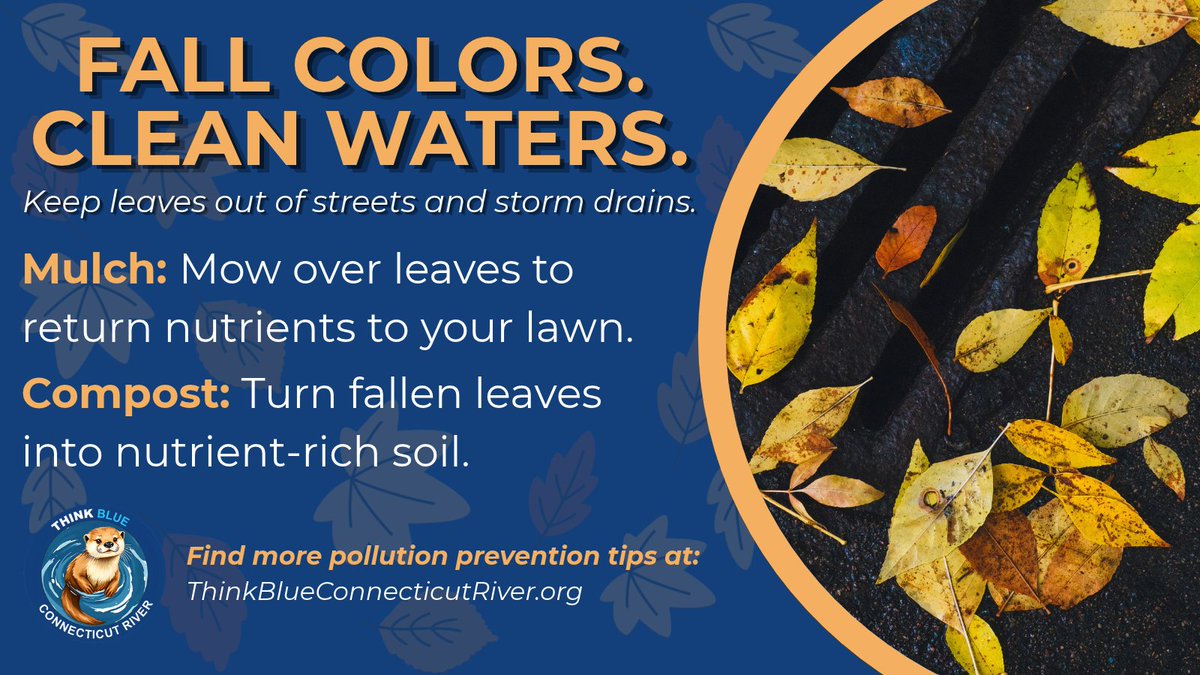
🍂 Fall colors are beautiful, but leaves in storm drains aren't!
Keep leaves out of streets and drains by mulching them into your lawn or composting them into nutrient-rich soil. Protect local waterways while putting fall leaves to good use! 💧
#Stormwater#MS4#ThinkBlue
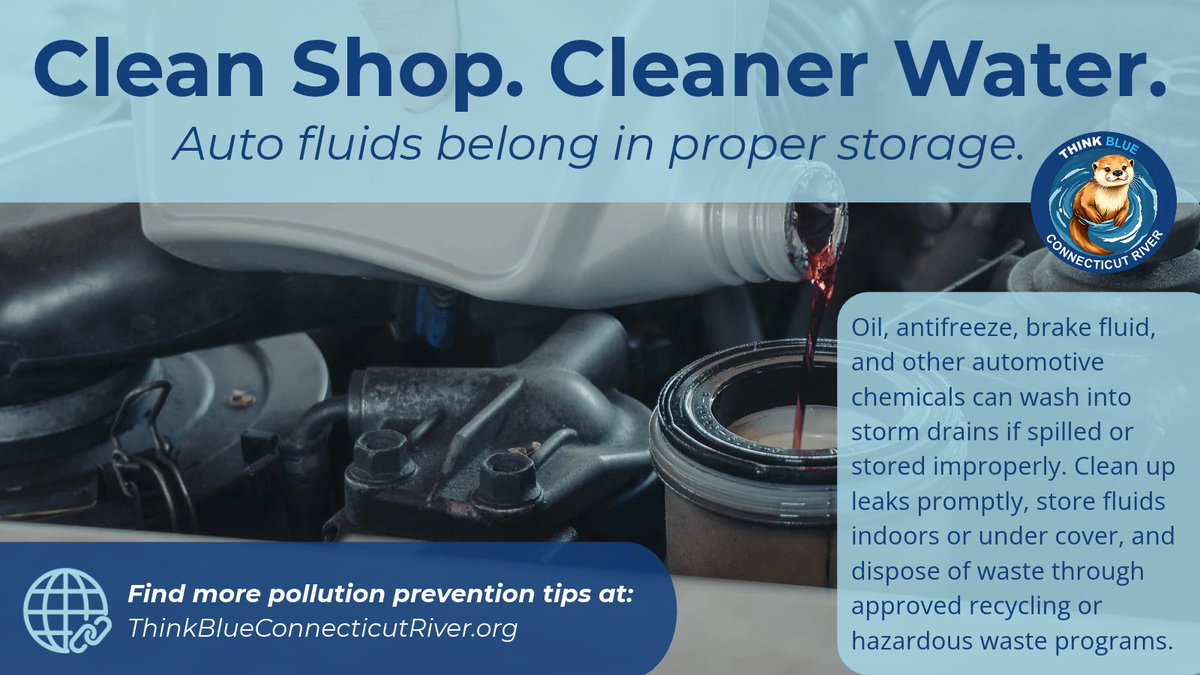
🚗 Keep your garage clean and our waterways cleaner!
Oil, antifreeze, and other auto fluids can pollute local waterways when washed into storm drains. Store fluids safely, clean up spills promptly, and recycle used fluids properly! 💧
#Stormwater#MS4#ThinkBlue
🍽️ Keep grease out of drains!
Restaurants can help protect local waterways by maintaining grease traps, properly disposing of food scraps, and keeping wash water out of storm drains. Small steps make a big difference! 💧
#Stormwater#MS4#ThinkBlue
🌱 Stop erosion before it starts!
Loose soil can wash into storm drains during rainstorms, carrying sediment into local waterways. Use mulch, vegetation, or erosion control blankets to keep soil in place and protect clean water! 💧
#Stormwater#MS4#ThinkBlue
🏡💧 Give rainwater a place to soak in!
Disconnecting downspouts from paved areas and storm drains helps reduce runoff and protect local waterways. Redirect rainwater to lawns, rain gardens, or other permeable areas!
#Stormwater#MS4#ThinkBlue
🐾 Bag it every time!
Pet waste left on the ground can wash into storm drains during rainstorms, carrying harmful bacteria and nutrients into local waterways. Always pick up after your pet and dispose of waste properly to protect clean water! 💧
#Stormwater#MS4#ThinkBlue
⚠️ Store it, don't pour it!
Paint, solvents, and other household chemicals can pollute local waterways when poured into drains or onto pavement. Keep chemicals out of stormwater by using local hazardous waste disposal programs! 💧
#Stormwater#MS4#ThinkBlue
🍂 Keep leaves out of the streets and storm drains!
Yard waste can clog drainage systems and contribute to polluted runoff during rainstorms. Bag or compost fallen leaves and keep curbs clear to help protect local waterways! 💧
#Stormwater#MS4#ThinkBlue
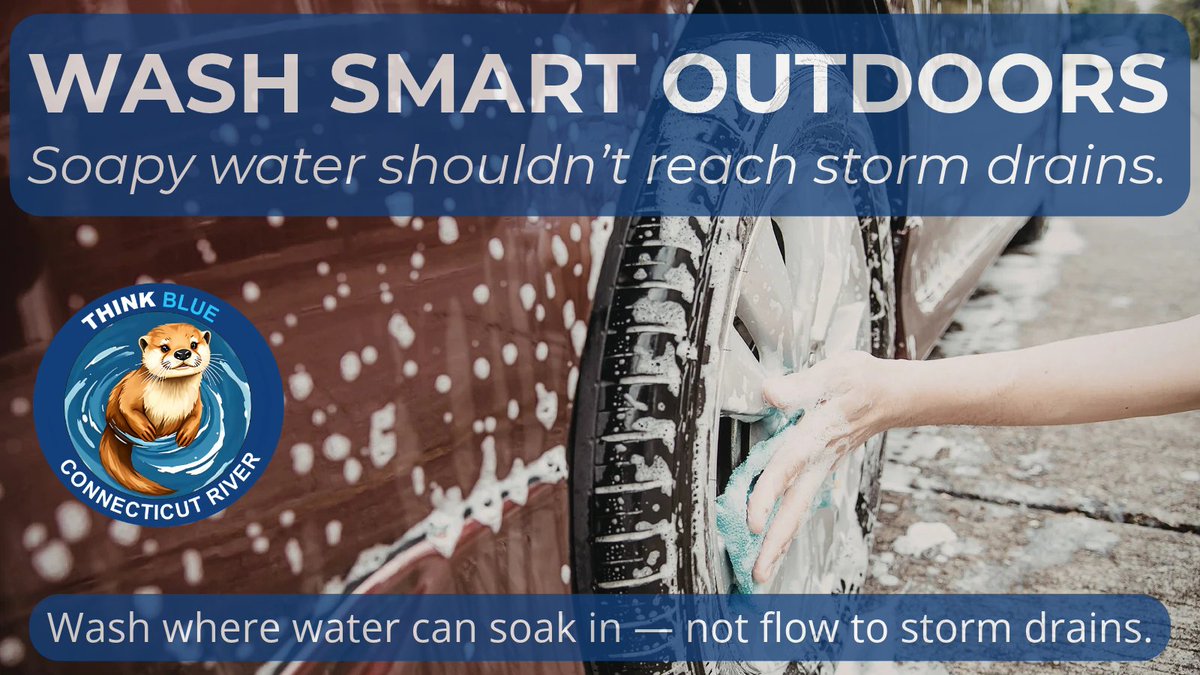
🚗💧 Wash smart and protect clean water!
Soapy runoff from washing your car can carry dirt, oil, and chemicals into storm drains and local waterways. Wash on grass or gravel where water can soak in, or use a commercial car wash!
#Stormwater#MS4#ThinkBlue
🌱 A healthy lawn shouldn't come at the cost of clean water!
Excess fertilizer can wash into storm drains during rainstorms, carrying nutrients that harm local waterways. Apply only what your lawn needs and avoid fertilizing before heavy rain! 💧
#Stormwater#MS4#CleanWater
🌧️ Nothing but rain down the drain!
Storm drains carry runoff directly to local waterways, often without treatment. Trash, leaves, and other debris can pollute our rivers and streams. Keep storm drains clear and dispose of waste properly! 💧
#Stormwater#MS4#CleanWater
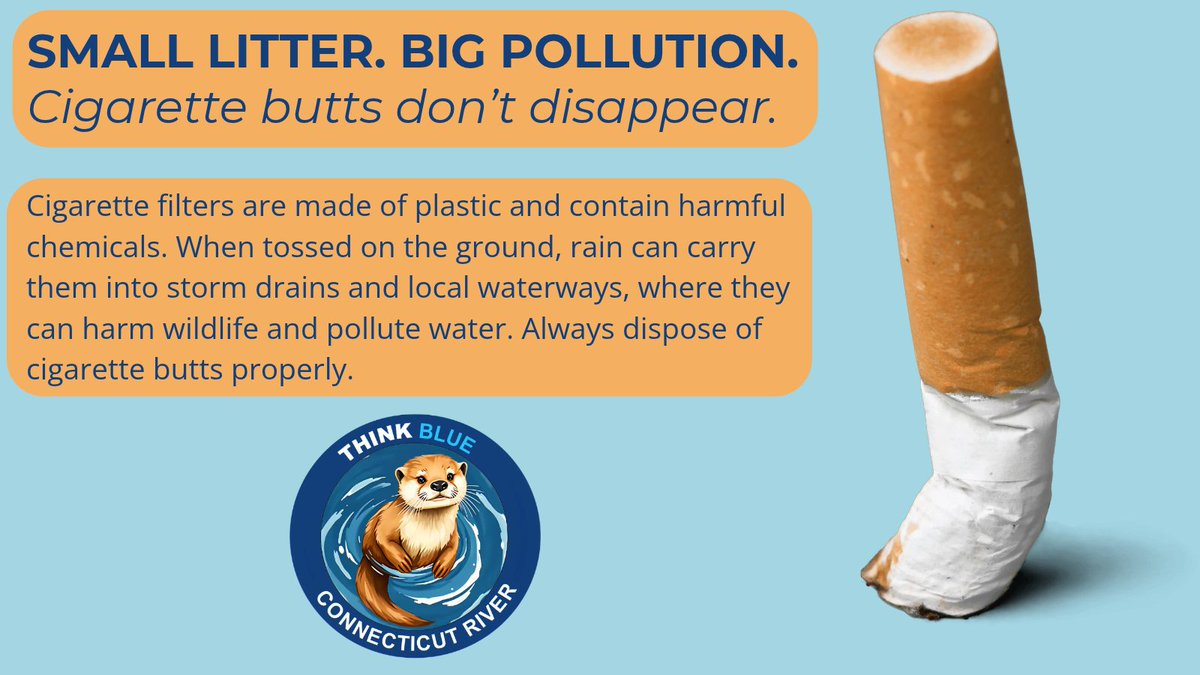
🚯 Small litter, big pollution!
Cigarette butts contain plastic fibers and harmful chemicals that can wash into storm drains and local waterways. Keep our streets clean and protect aquatic life by disposing of cigarette butts properly! 💧
#Stormwater#MS4#CleanWater
💧 A healthy septic system helps protect clean water!
Failing systems can release harmful bacteria and nutrients into groundwater and local waterways. Regular inspections, routine pumping, and mindful water use help prevent pollution!
#Stormwater#MS4#SepticCare
💧 See something unusual? Speak up!
Discolored water, strange odors, or unexpected flows from storm drains may signal illicit discharge. Reporting suspicious activity to your local DPW helps prevent pollution and protect local waterways!
#Stormwater#MS4#CleanWater
🚗💧 Small spills can lead to big problems!
Oil, fuel, and other automotive fluids can wash into storm drains during rainfall, polluting local waterways. Check vehicles for leaks, clean up spills promptly, and dispose of fluids properly!
#Stormwater#MS4#CleanWater
🍂 Compost it, don't throw it away!
Food scraps and yard waste can become nutrient-rich compost instead of contributing to stormwater pollution. Keep organic waste out of streets and storm drains while giving your garden a natural boost! 🌱💧
#Composting#Stormwater#MS4
⚠️ Not everything belongs in the trash!
Household hazardous waste like paint, chemicals, and pesticides requires special disposal. Improper disposal can contaminate stormwater and harm local waterways. Check local guidelines before throwing these items away! 💧
#Stormwater#MS4 #CleanWater
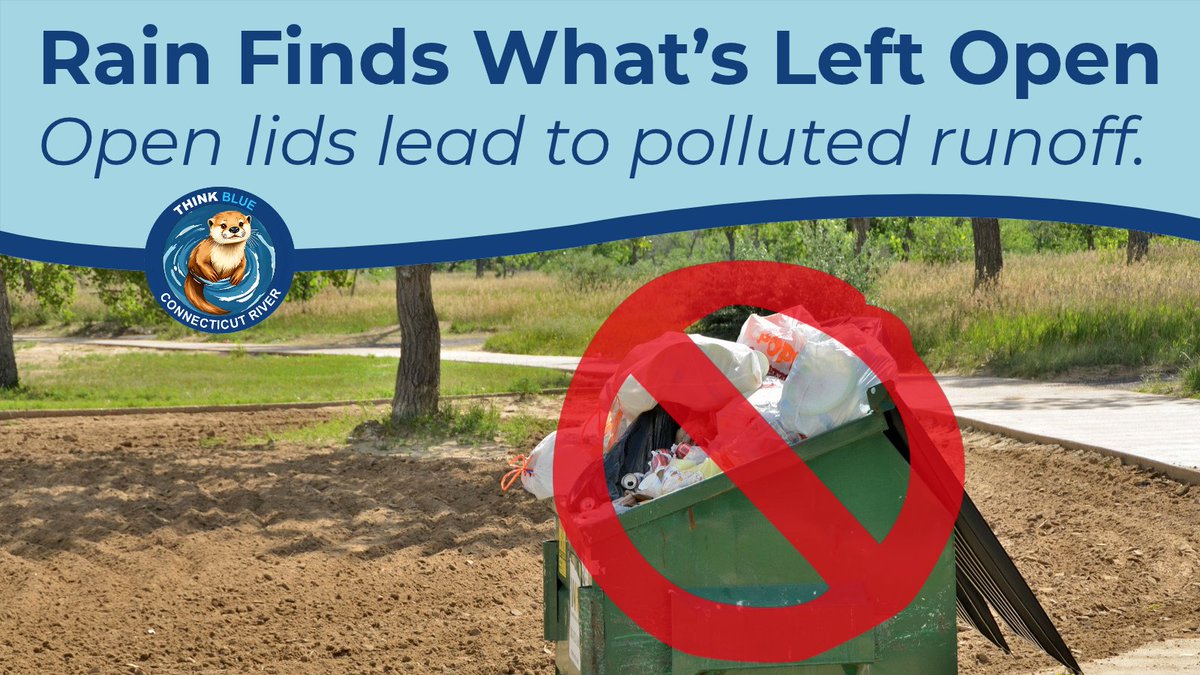
🌧️ Rain finds what's left open!
Overflowing dumpsters and open lids allow rainwater to mix with trash, carrying pollutants into storm drains and local waterways. Keep dumpster lids closed and waste properly contained to help protect clean water! 💧
#Stormwater#MS4#CleanWater
🚧💧 Keep soil in its place!
Construction activities can expose loose soil that washes into storm drains during rainfall. Using silt fences and other erosion controls helps prevent sediment pollution and protects local waterways!
#ThinkBlue#Stormwater#MS4#ConstructionBMPs