🧠✨ Recall Episode Alert!
Neurodiversity celebrates the natural variation in how our brains work — from autism and ADHD to dyslexia and beyond.
🎙️ Tune in now to revisit this powerful discussion!
🐝 Bees dance, 🐋 whales sing, 🐾 meerkats warn. But humans? We build cultures with words.
🧬 What makes our communication so unique—genetics, evolution, or something more?
🎙️ Find out in this week’s ThinkTwice! #ThinkTwicePodcast
✨ Ever notice how in research people sometimes invent new words for the SAME old concept? 🤯📚
We’re revisiting Episode 23: Grad School 101: How to Publish and Present Your Work with Elena Koning.
🎙️ Tune in and join the conversation!
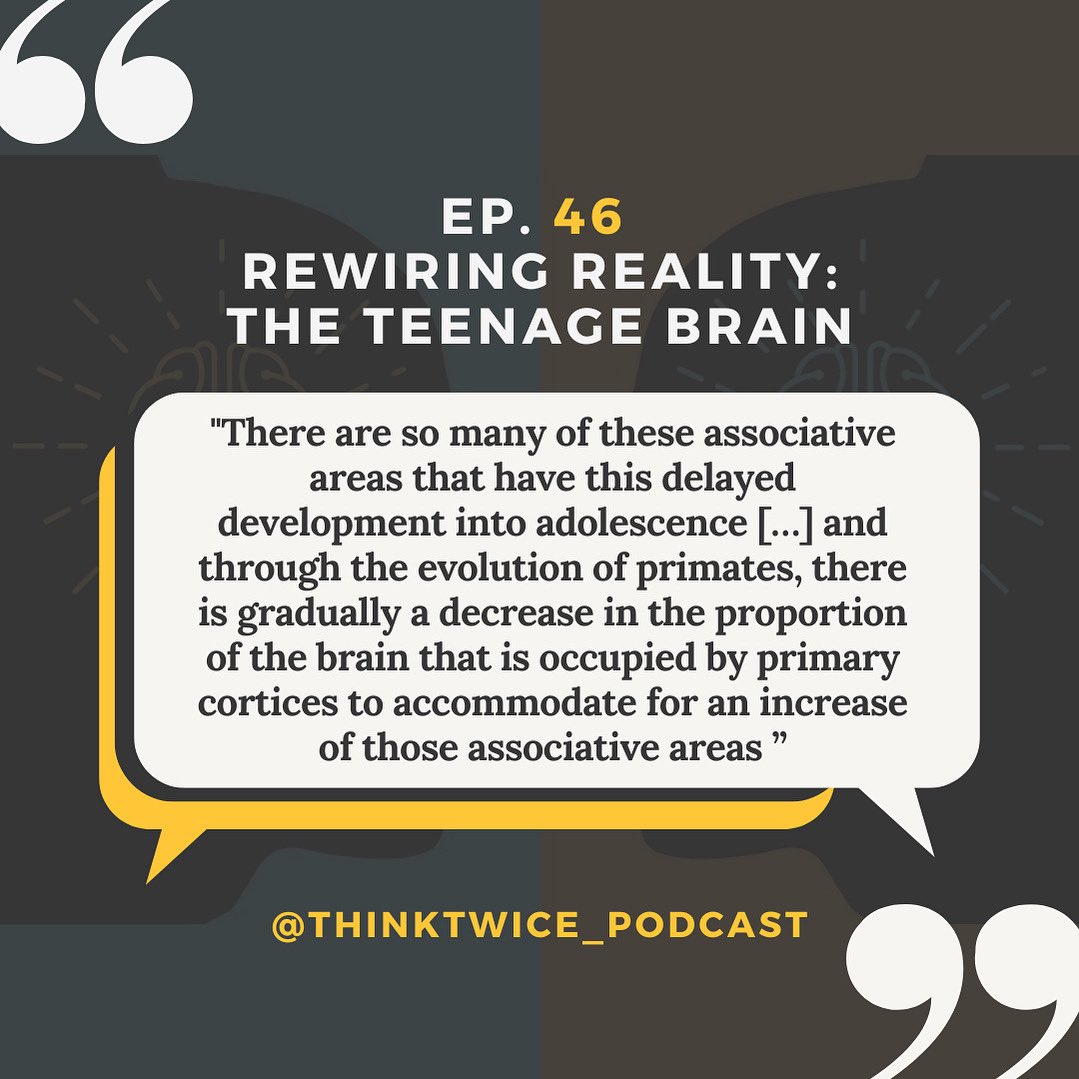
✨Teenage years = chaos & magic 🌪️💫 From soaring confidence 🚀 to sudden doubt 🤔, every moment shapes who we’ll become. 🎙️ New episode out now: Rewiring Reality: The Teenage Brain 🧠🎧
#podcast#neuroscience
Why do the teenage years feel like such a 🎢 rollercoaster? In Ep. 46 of ThinkTwice, we explore how the adolescent brain 🧠 rewires decision-making, emotions, and relationships. Conflict ⚡ or connection 🤝—it’s all in the science.
#podcast#neuroscience
🎙️ Episode Recall ✨
We’re revisiting Episode 07: Mental Health Misinformation on TikTok with Elena Koning. If you missed it the first time (or want a refresher), now’s the perfect time to listen in! 🧠📱
👉 Tune in via the link in our bio.
#EpisodeRecall#ThinkTwicePodcast
Prepping a journal club? 📚 Tempted to let AI do it 🤖? Easier, yes; better? Maybe not. ⚖️
This week we test what AI can and can’t do for a journal club on psilocybin as a therapeutic agent 🍄🔬
New episode out now 🎙️🎧
#ai#podcast
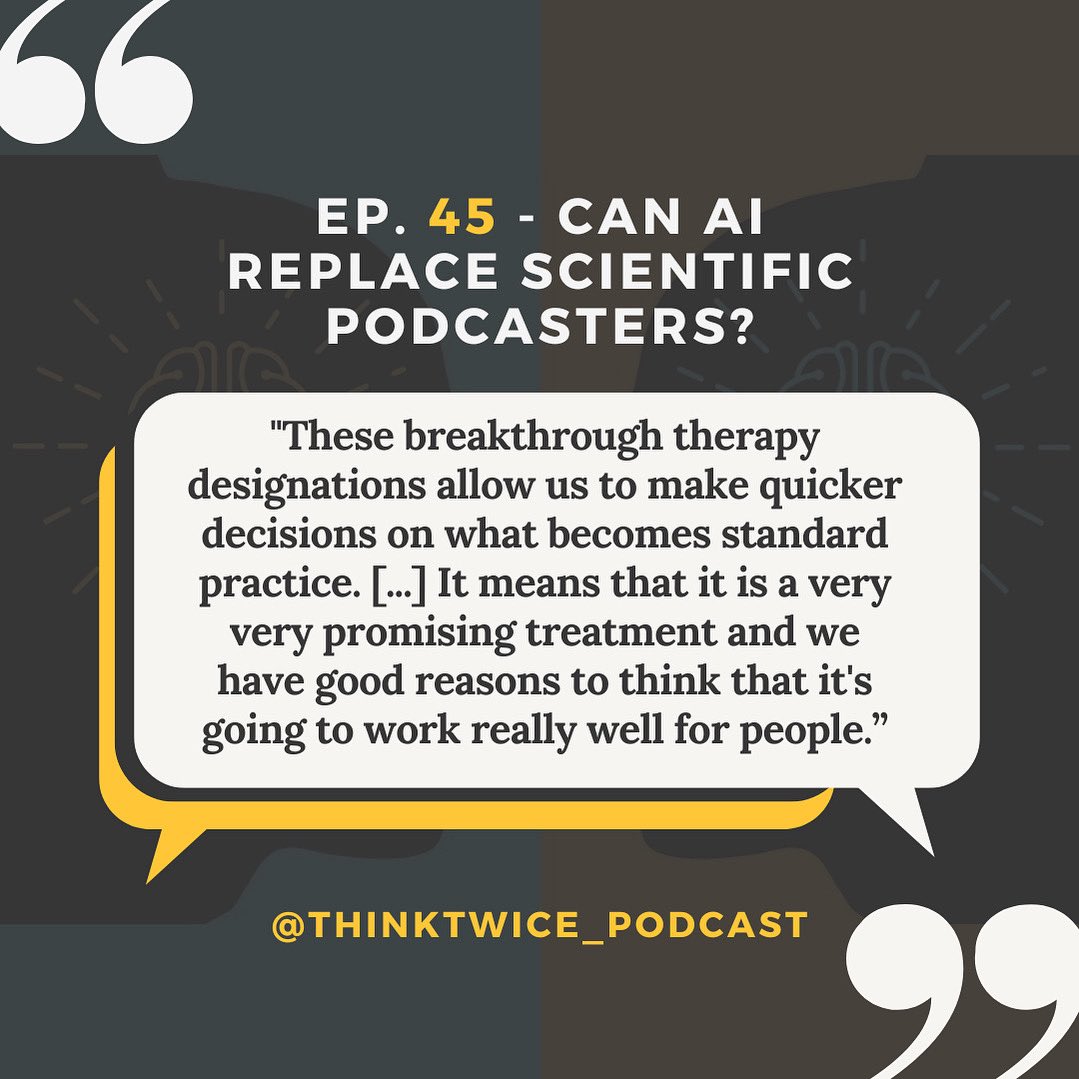
✨AI is everywhere - from 🥦 recipe hacks to writing that tough 📧. But can it replace us in tasks we’re experts in? 🤔
This week 🎙️ we tested if AI could run a journal clubs. Hear the results + our critique of a psilocybin🍄 study on substance use disorders.
#science#podcast
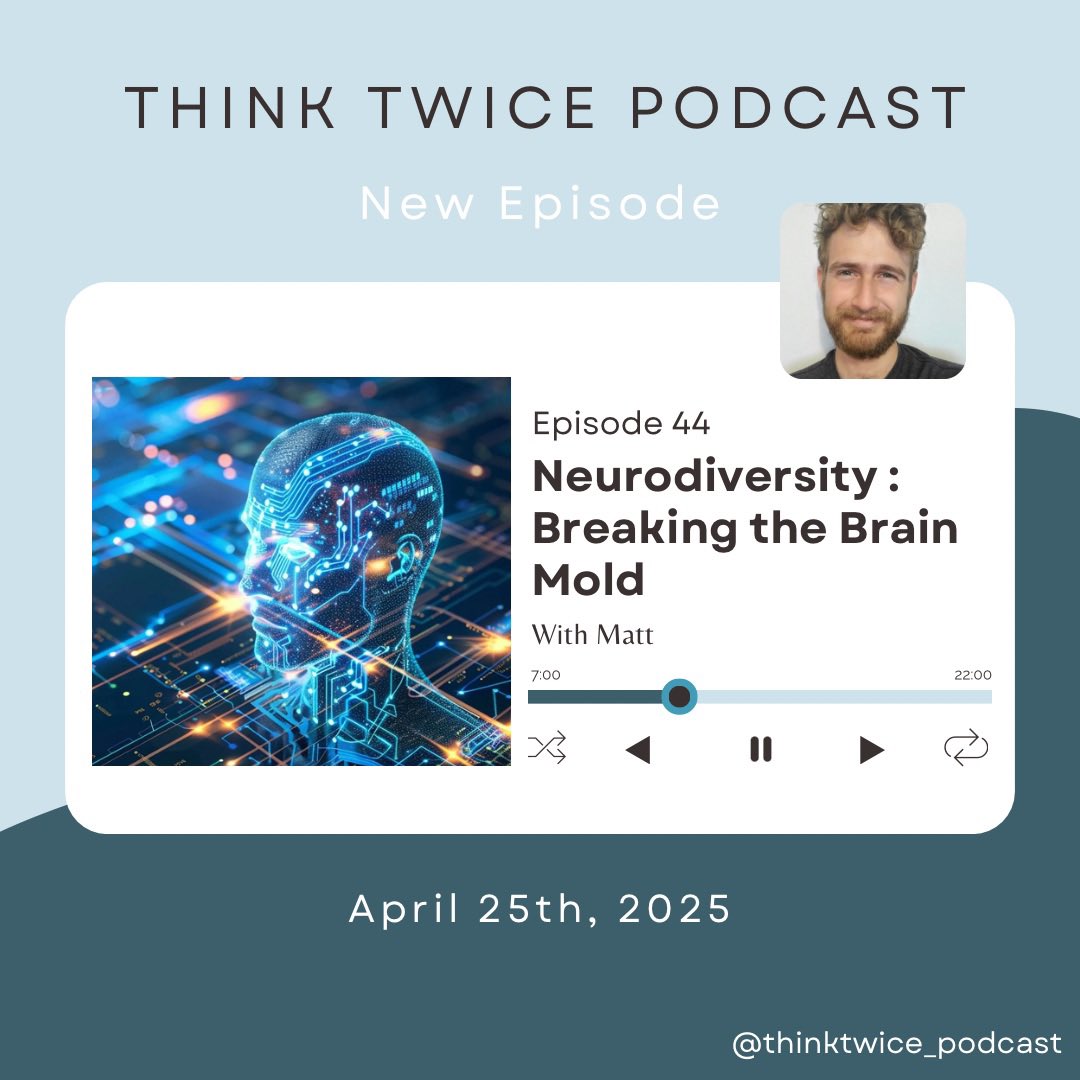
It is often relevant to think of disabilities through multiple models to find alternative solutions to issues that people with disabilities are facing. Join us in today's episode where we talk about neurodiversity and models of disability with Matt!
The human brain is extremely diverse; while there is an "average brain", does this really encapsulate all forms of the normal and non-pathological brain? Join us in this week's grad student interview with Matt to hear more about brain diversity! New episode drops Friday!
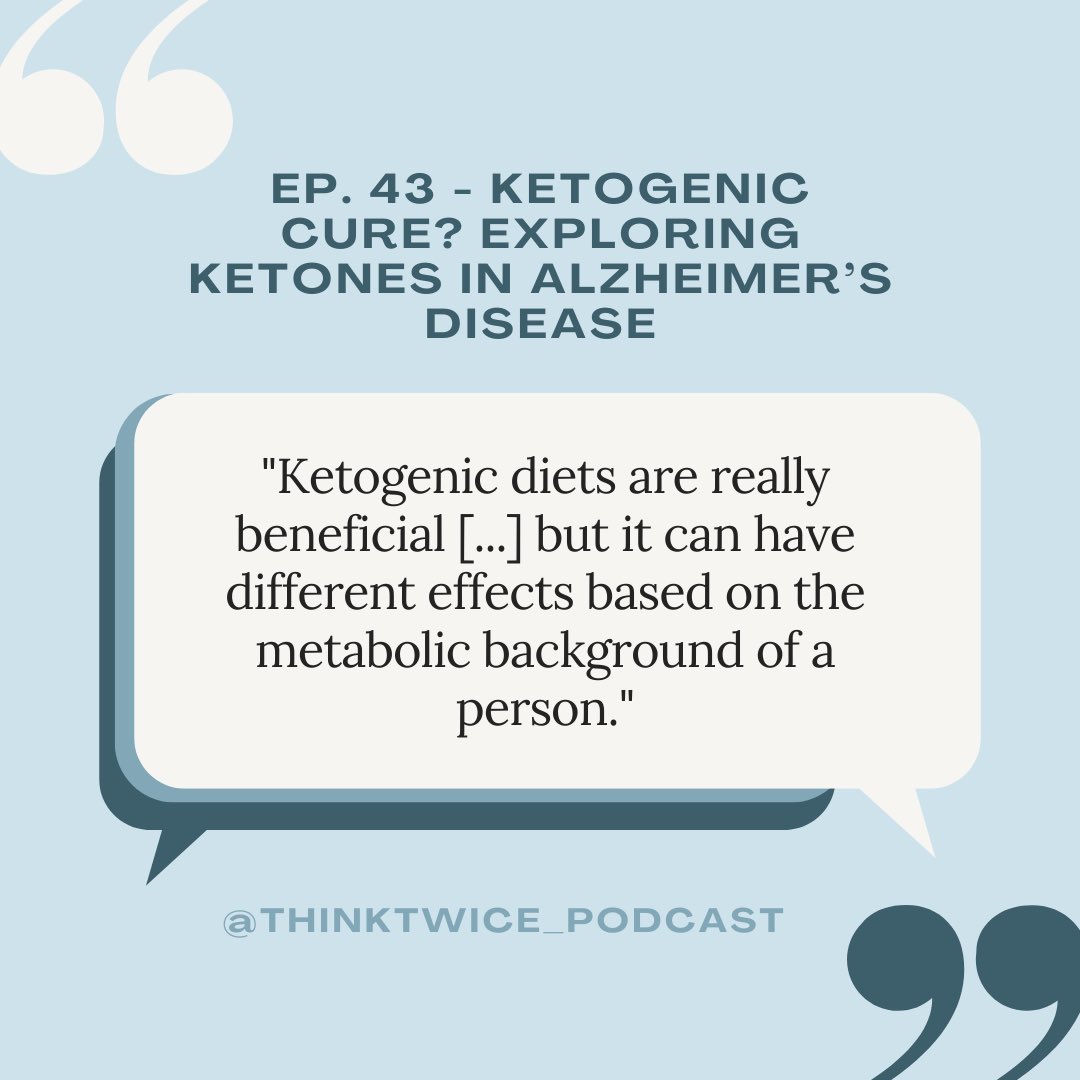
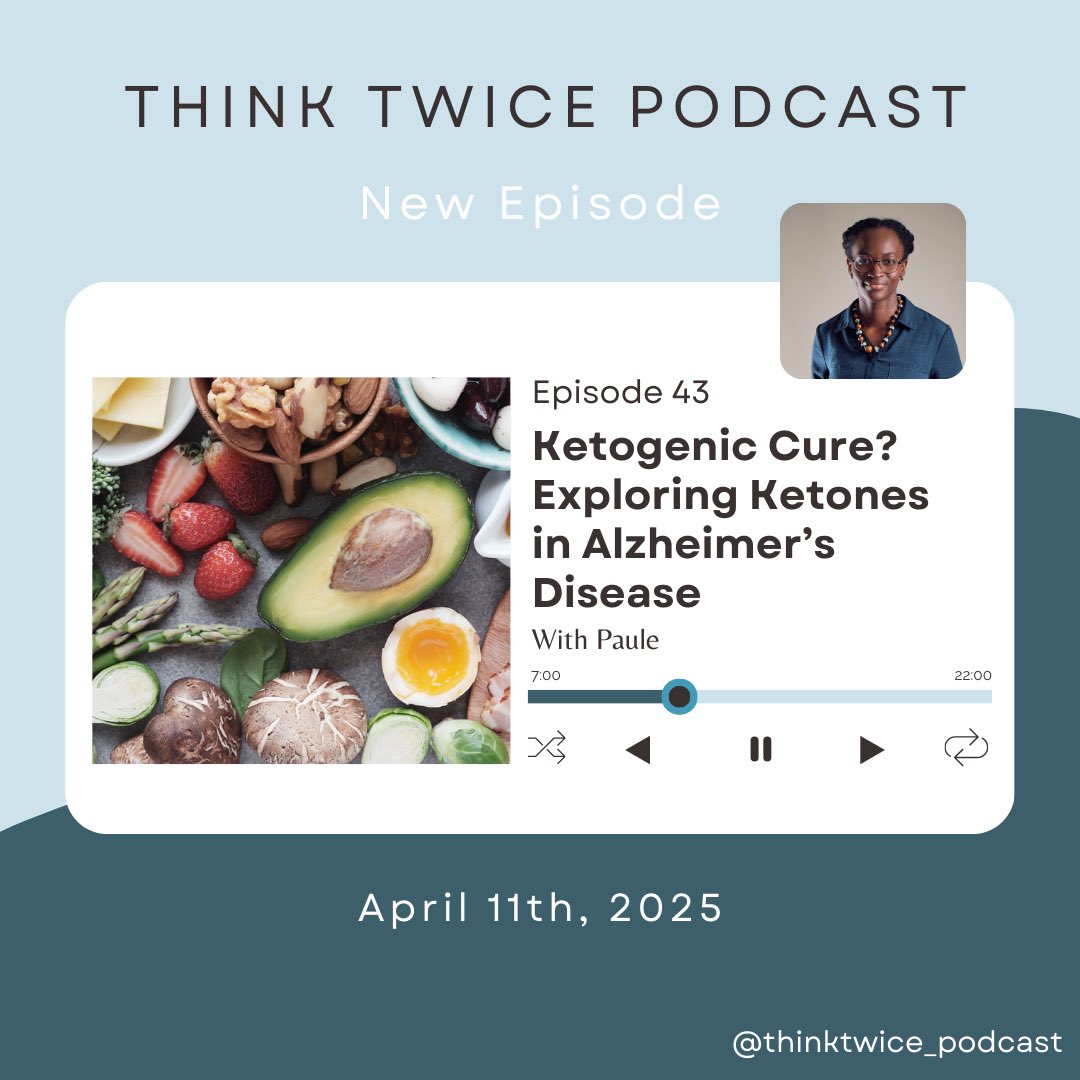
Ketones are currently being investigated for many of their health benefits, including their potential as a therapeutic for Alzheimer's disease. But how does that work exactly? Join us in today's episode where grad student Paule tells us about her research findings.
Ketones are a special type of fuel that your body makes when it burns fat for energy instead of carbs. While some research suggests that ketones might help with memory, focus, and even protect brain cells as we age, its not as simple as switching out donuts in your diet to bacon.
The ketogenic diet, or "keto," is a low-carb, high-fat way of eating that relies on sugar from carbs, forcing the brain to start using ketones. This shift in source of energy has been hypothesized to protect brain cells, reduce inflammation, and even improve memory and focus!
What would you do if you could go back in time and change any details about your project? What techniques did you find the most valuable for your project and why? Join us for this week's episode on defences and on how to answer difficult questions with confidence!
How do you defend your work in graduate school? How do you answer questions about what you did and why you did it? What kind of questions would you be getting asked anyway? In this week’s episode, we discuss all these topics and our personal experiences defending our work!
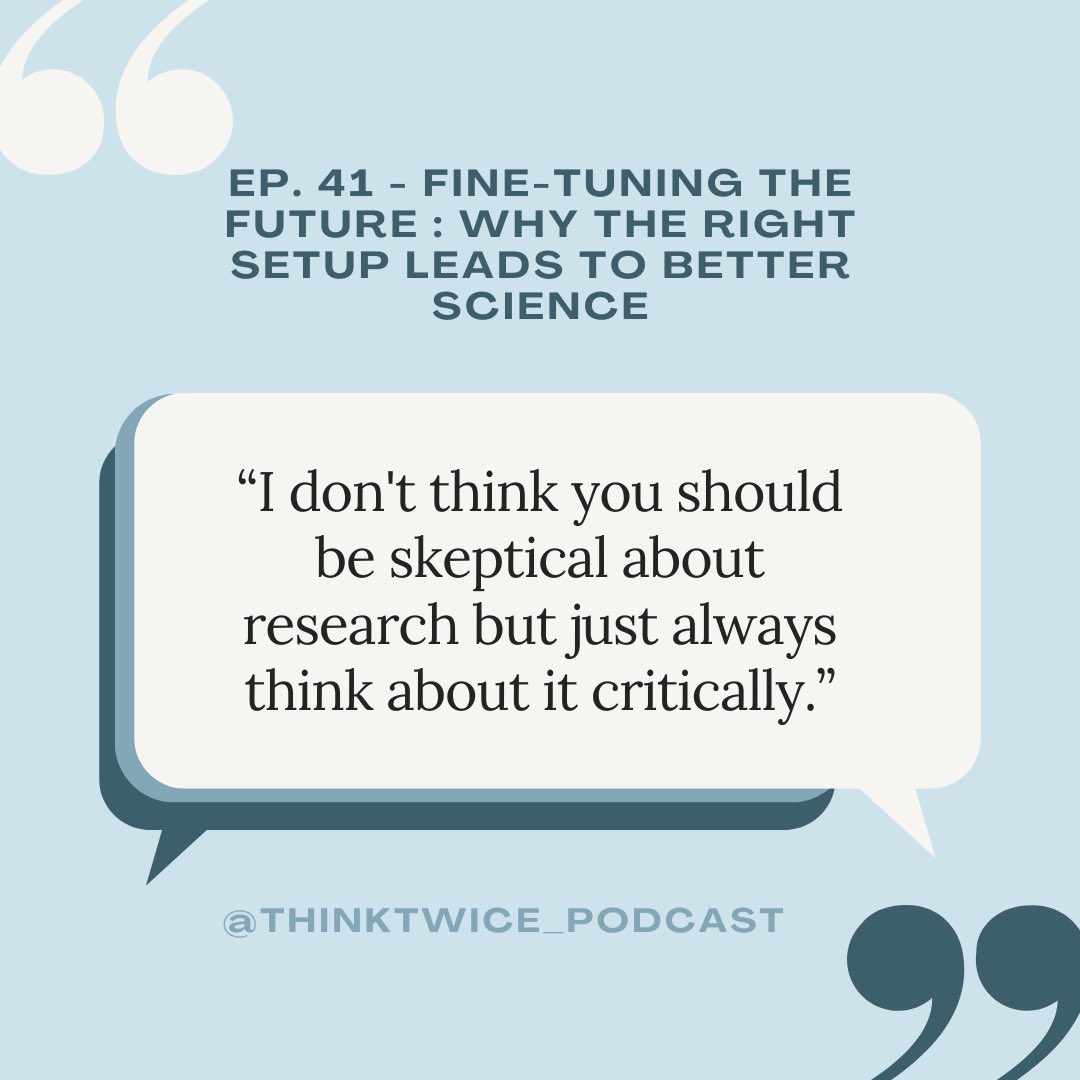
Scientific results don’t tell the whole story on their own; context matters. Without the bigger picture, results can be misleading. Join us in today's episode where we talk about how thoughtful study design and interpretation of results keeps science reliable and meaningful.
Why are some small details like speed of centrifugation, incubation times and even temperatures so important to the way we collect our scientific data? Join us in this week's episode where we discuss how small factors can drive big discoveries in brain research.
Have you ever thought about how the smallest changes in how we measure brain activity can dramatically impact the results and conclusions we draw from studies? If research conditions aren’t carefully optimized, findings can be misleading and can cause major setbacks in research.
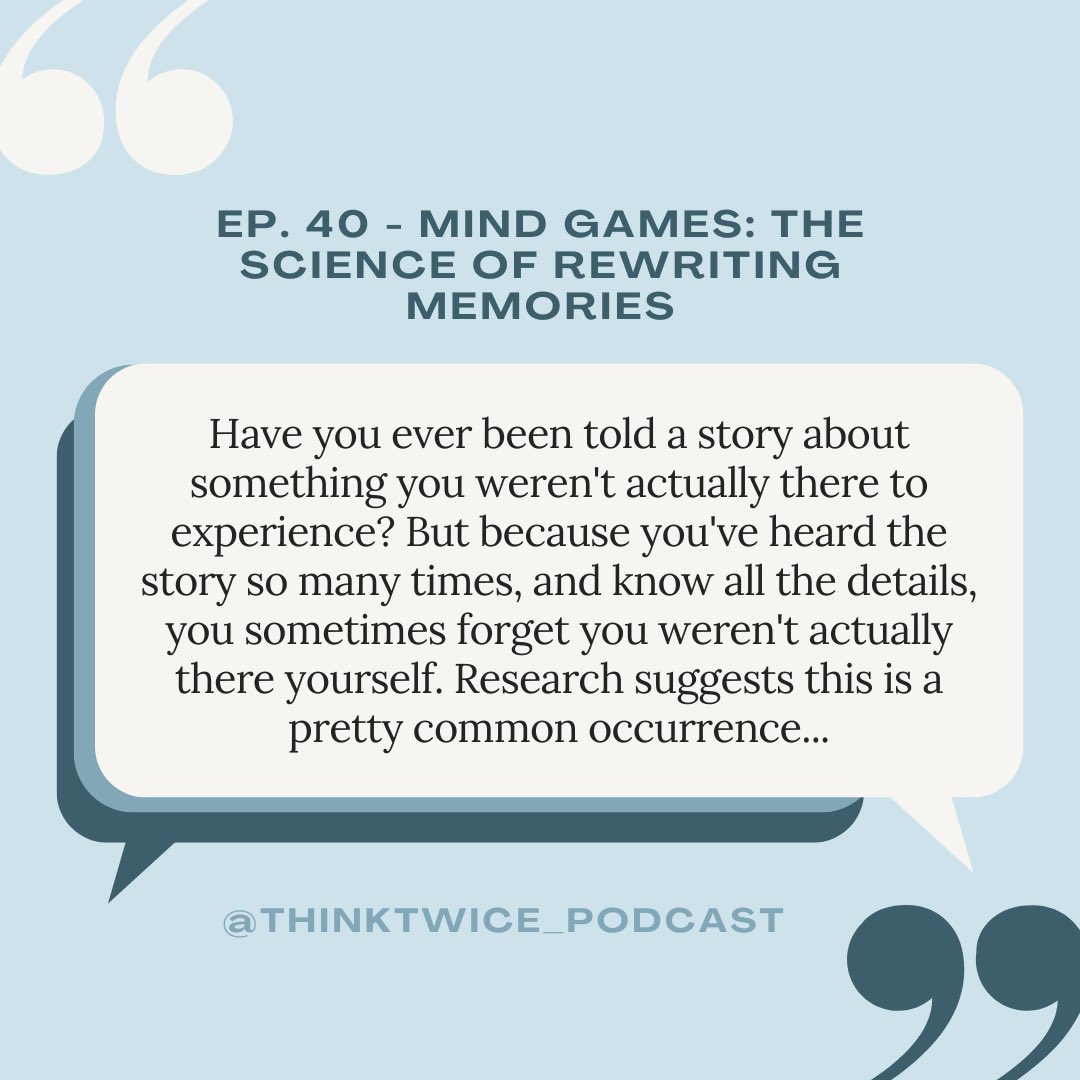
Join us on this episode, where we discuss memory manipulation in media and its impact on society, the neuroscience behind memory and the interesting ways researchers are using our understanding of memory to manipulate it.
The media has a massive influence on our everyday life by controlling the information we consume, which can shape our thoughts, feelings, beliefs, perspectives and even memories. Memory research has shown that memories are malleable, easily formed and reformed…