AI can synthesize data that'd take humans weeks to analyze. But AI needs help with something we do better. Deciding which problems need intervention & which need space. I'm OK with this because "to act or not to act?" is a leadership question that shouldn't go away, even with AI.
Humanity loves data. We create over 140 zettabytes of it every year. That's enough to fill 991 billion smartphones, or 125 devices for every person on Earth. And if you're a leader, you're expected to make sense of it all. No pressure!
A brilliant strategic plan will only work if your culture supports trust, empowerment, and collaboration. Without the culture piece, you'll struggle to unite teams around shared goals.
A company doesn't need to choose between legacy & innovation. It's possible to honor your foundations while staying agile enough to seize emerging opportunities. This is what I call "adaptive authenticity". Staying true to your core purpose while remaining flexible.
The best leaders spend less time putting out fires and more time preventing them.
When teams stop firefighting, they get time back for what matters: strategic thinking & creativity.
Create that space, and your people can focus on building tomorrow instead of fixing yesterday.
2026 is already moving fast. While we can predict market trends through data, we can't anticipate every global shift. What we can control is our internal readiness to respond. The right internal culture moves quickly when opportunities arise.
ᵃⁱ ᵍᵉⁿᵉʳᵃᵗᵉᵈ ⁱᵐᵃᵍᵉ
Trust tends to work better than micromanagement. That's why autonomy is a big part of my leadership. I give my teams what I call an "envelope of trust" from day one. Instead of slowly doling out responsibility, I extend trust immediately. The goal is to create ownership.
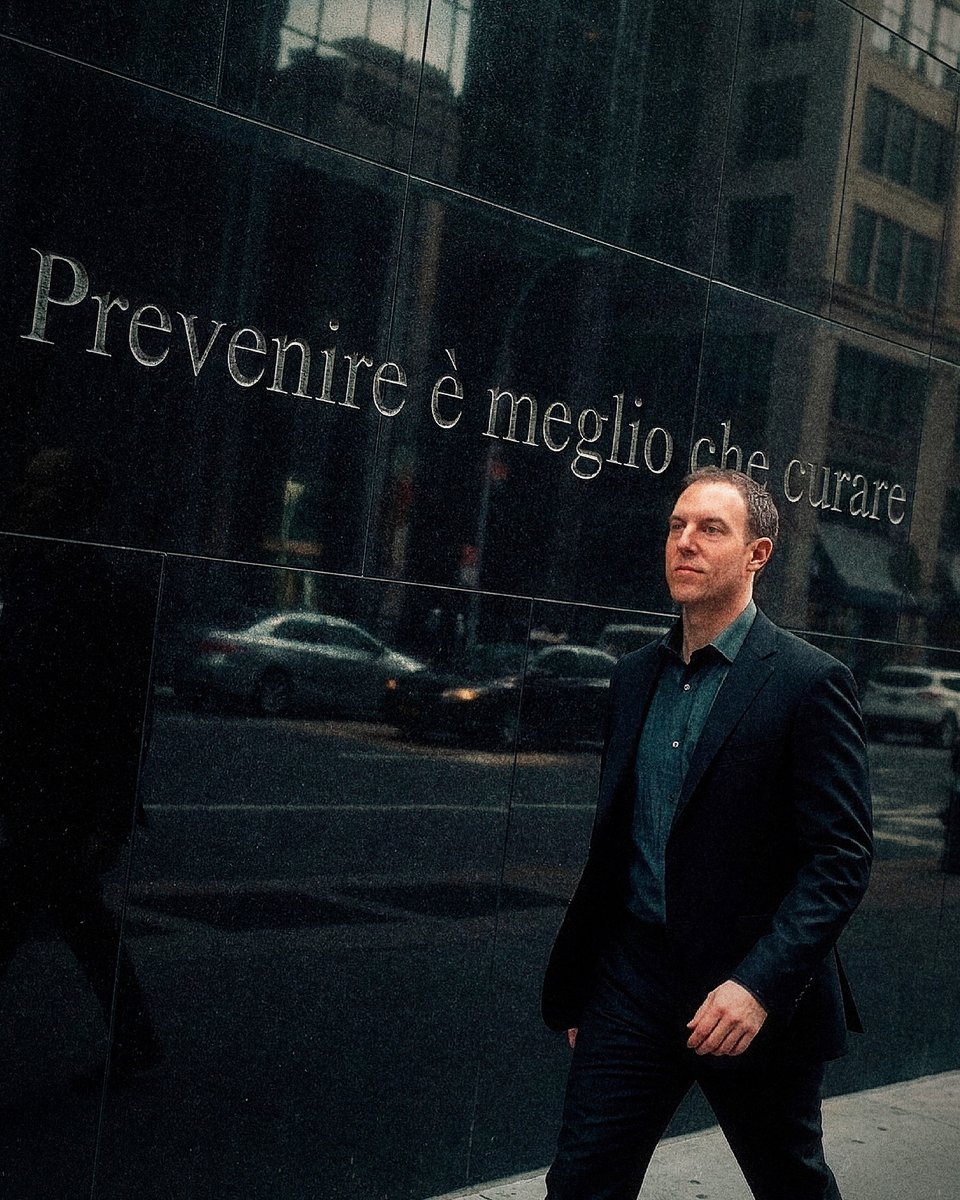
Prevenire è meglio che curare is the Italian way of saying "prevention is better than a cure," an ethos I abide by. It makes sense to operate along these lines when managing a global corporation. The big challenge is how to prevent rather than cure when markets rise and fall.
How well you can weather a storm depends on your systems. However, you need a bit more. Your systems don't exist in a vacuum. It's people, rather than systems alone, who build resilience. Our teams span continents, cultures, and perspectives. It's a human network of resilience.
It's good to reflect on why you work where you do. When I see the Lenovo name out there in the world, I still feel surprised about what we haven't lost. We've kept our entrepreneurial culture despite our size. We pursue promising opportunities even when success remains uncertain.
At Lenovo, we "replay the chessboard." That means analyzing the moves we've made to do better next time. While machines can analyze what you've done, doing so yourself enables you to apply human judgment on what you could've done better or should do next.
ᵃⁱ ⁱᵐᵃᵍᵉ
Technology is a win for human potential if guided by wisdom. As we integrate AI across Lenovo's operations—from device management to predictive supply chain optimization—we've discovered technology alone won't matter much without human wisdom to direct it.
ᵃⁱ ᵍᵉⁿ ⁱᵐᵃᵍᵉ
When I see curiosity in someone's eyes during an interview, I know we've found the right person. It's what I call "the glow behind the eyes." It's a spark that appears when someone believes in the possibility of creating something meaningful.
ᵃⁱ ᵍᵉⁿᵉʳᵃᵗᵉᵈ ⁱᵐᵃᵍᵉ
Lenovo's Global Leadership Team is in LA this week. Gaspar and I discovered after a game of football that decades of experience paired with youthful enthusiasm is still an unbeatable combination. Thanks to our colleagues for keeping us honest on the field ⚽
Markets ride like waves—up, and then down, and up again—and not always smoothly.
Market turbulence can be a competitive advantage if you handle waves differently than your competitors.
Most organizations don't have a cookbook for every scenario, so we need to keep creating new recipes.
My recipe for success: As long as you're learning, adapting quickly, and tailoring actions to your specific situation, you'll create something remarkable.
Complexity can quickly become the enemy of progress when managing teams across multiple markets.
The trick for a global company is to find ways to streamline without losing the rich diversity of perspectives that make global organizations truly powerful.
Global businesses matter because when challenges hit one part of the world, global companies become support systems. Our teams in other regions can step in, share resources & keep operations running smoothly. This creates stability for everyone—employees, customers & communities.
If you want to think global, you need to be global.
At @Lenovo, this principle has guided us to serve millions of customers across 180 markets.
Our secret? We've invested in a diversity of people who give the company the duality of global and local.