Strong products fail because the story doesn't land - we fix that before scale. Co-founder @sevenfold_io | Forbes 30 Under 30 | Long Bitcoin since 2013
Funny how marketing in other male-dominated industries is guilty of the same things we see in crypto/web3
- Lack of good design
- Jargon-central
- Gimmicky names
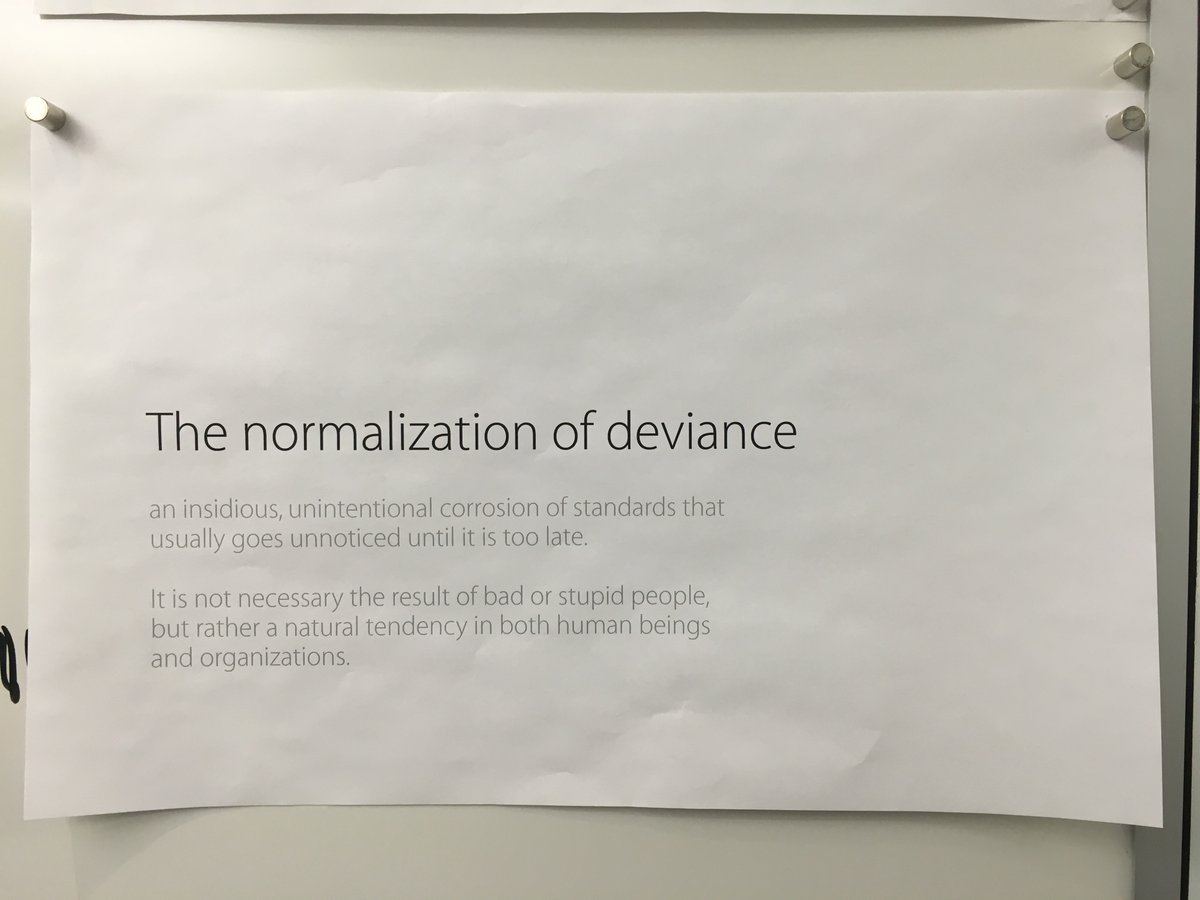
a main thing that I was responsible for at apple retail was to hold the line. every defect from every store was identified daily. we were crazed. any deviance from brand was nipped in the bud lest it normalize and take root. can you find what's wrong in these pics?
nyc is buzzin and everyone’s doing lines
introducing https://t.co/tUGr7RMPiG: the first live crowd-sourced heat map of nyc’s wait times
you can now
- report a line if you see one (or are in one )🚨
- check wait times before you leave your apt 🕐
- see where new yorkers are lining up across the city 🗺️
bc it should be up to you on whether or not you do the line 🙂↔️
575+ startups are building stablecoin merchant payments.
But only 2 have been acquired.
Meanwhile, Stripe is quietly buying the category.
The biggest market in stablecoins still doesn't have a *clear* winner.
↓
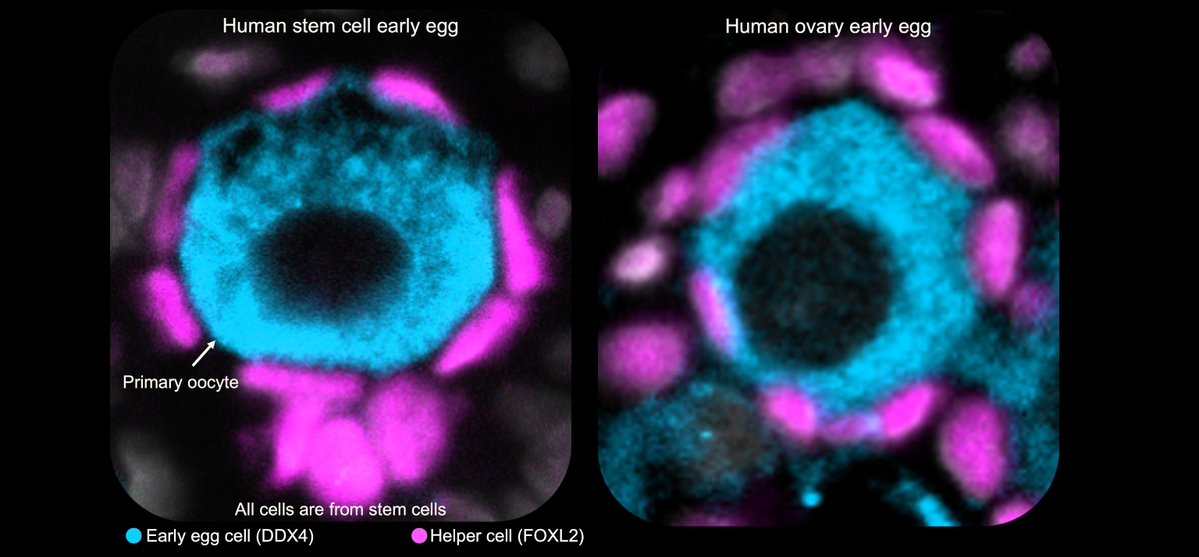
I’m so excited to share this update on @Conception –
We’ve generated the first early human eggs derived from stem cells.
This is a big deal -- the potential to redefine fertility is real.
Open Standard launching OUSD is a coordinated attack on the structural profit margins of Circle and Tether. For years, stablecoin issuers built massive businesses simply by hoarding the interest generated from underlying treasury reserves.
OUSD changes the entire equation by distributing that reserve yield directly back to the companies moving the money, like Visa, Stripe, and Coinbase. It effectively transforms the stablecoin from a proprietary product into a shared corporate utility.
When the world’s largest payment processors get a direct cut of the float, they have every financial incentive to phase out USDC and route transactions through their own consortium token. The battleground has officially shifted from liquidity depth to raw control of the distribution rails.
https://t.co/isPJoiykev
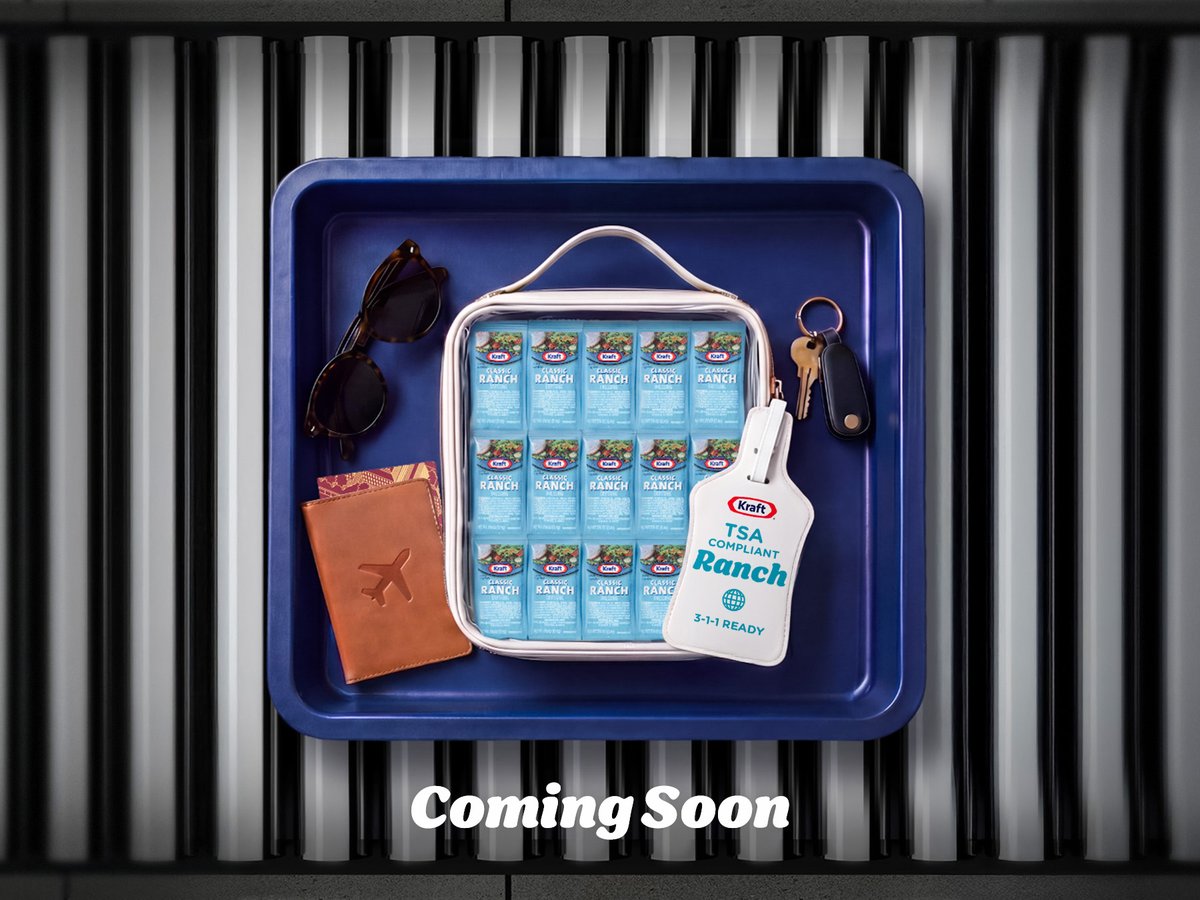
Honored to be included in @Forbes discussing how brands should approach social media during moments of crisis and controversy.
At the same time, crisis management isn't just about responding when things go wrong - it's about paying close attention to emerging conversations/trends before they become reputational issues.
One example I highlighted was Kraft's TSA-compliant ranch campaign - read more here: https://t.co/zJQrx9jEgN
Special thank you to @EdwardSegal!
Sooo true, but the knowledge gap lies in practical implementation & cost for the consumer
Going to be interesting how medical schools implement this new dynamic
I'm a cardiologist. I've spent twenty years as the person patients trust to interpret their bodies. And I need to tell you something that most physicians won't say out loud:
AI is about to change the power dynamic between you and your doctor. Forever.
Four days ago, OpenAI's o3 model diagnosed 18 children with rare diseases that the best human specialists at Boston Children's Hospital couldn't solve — some after nearly twenty years of searching. Published in the New England Journal of Medicine.
Two weeks ago, WashU researchers proved that nine routine blood markers can calculate your biological age — and predict cancer risk years before any tumor forms. A free calculator. Available to anyone.
Last month, AI-enhanced coronary CT angiography detected inflamed arteries in patients whose standard stress tests said "normal." Patients who would have gone home reassured and wrong.
The pattern is unmistakable. The tools that used to require a specialist, a referral, a three-month wait, and a $400 copay are migrating into your phone, your bloodwork portal, and your own hands.
And I'm watching something in my practice I never expected.
Patients are walking in more informed than some of the residents I trained. They've run their PhenoAge score. They know their ApoB. They've read the study about Lp(a) before I've had time to bring it up. They come with questions so specific that the conversation starts at a level it took me years of training to reach.
This used to threaten physicians. It shouldn't. It should liberate us.
Because here's the truth about the old model: a 15-minute appointment where your doctor runs a basic metabolic panel, glances at the numbers, says "looks fine," and sends you home — that model was never good enough. It was just all we had. It missed 75% of future heart attacks. It caught cancer late. It told women with microvascular disease they had anxiety. It filed children with rare diseases as "unsolvable."
AI doesn't replace the physician. I've said this before and I mean it — the human moment, the clinical judgment, the hand on the shoulder when the diagnosis lands — that's irreplaceable.
But AI does something the old model never could: it gives you the ability to see inside your own biology with a depth and speed that was impossible a decade ago. To track your own numbers. To calculate your own biological age. To bring data to your doctor that elevates the conversation from "am I sick?" to "where exactly am I heading, and what do we do about it?"
The patient who walks in with their ApoB, their Lp(a), their hsCRP, their PhenoAge calculation, and a list of questions from the latest research — that patient doesn't threaten me.
That patient is the easiest person in my practice to keep alive.
Because they've already done the one thing most patients never do: they stopped waiting for permission to understand their own body.
I went into medicine because I wanted to help people live longer. What I've learned is that the patients who live longest are the ones who took ownership — not of my job, but of their own data, their own questions, and their own decisions.
The tools are here. The research is published. The calculators are free. The blood tests cost less than a dinner out.
You don't need to wait for your annual physical to find out what's happening inside you. You don't need permission to understand your own biology. And you don't need to accept "looks fine" from anyone — including me — when the science offers a deeper answer.
The revolution isn't coming. It's in your pocket. In your patient portal. In the published studies you can read yourself.
The only question left is whether you'll use it — or keep waiting for someone to tell you it's time.
Your body. Your data. Your life.
Take ownership. Your future self is counting on it.
@hosseeb Disagree
Most founders need media training because they struggle with speaking clearly & concisely. Nothing wrong with having a real perspective or being vulnerable, but how you package/deliver it matters the most
Everyone is funding agentic payments like the category's already won.
On Base, AI agents pay each other under $100K a day, but the companies building those rails are worth nearly $7 billion.
That's 70,000x ahead of the usage, which usually indicates a bubble underway.
↓