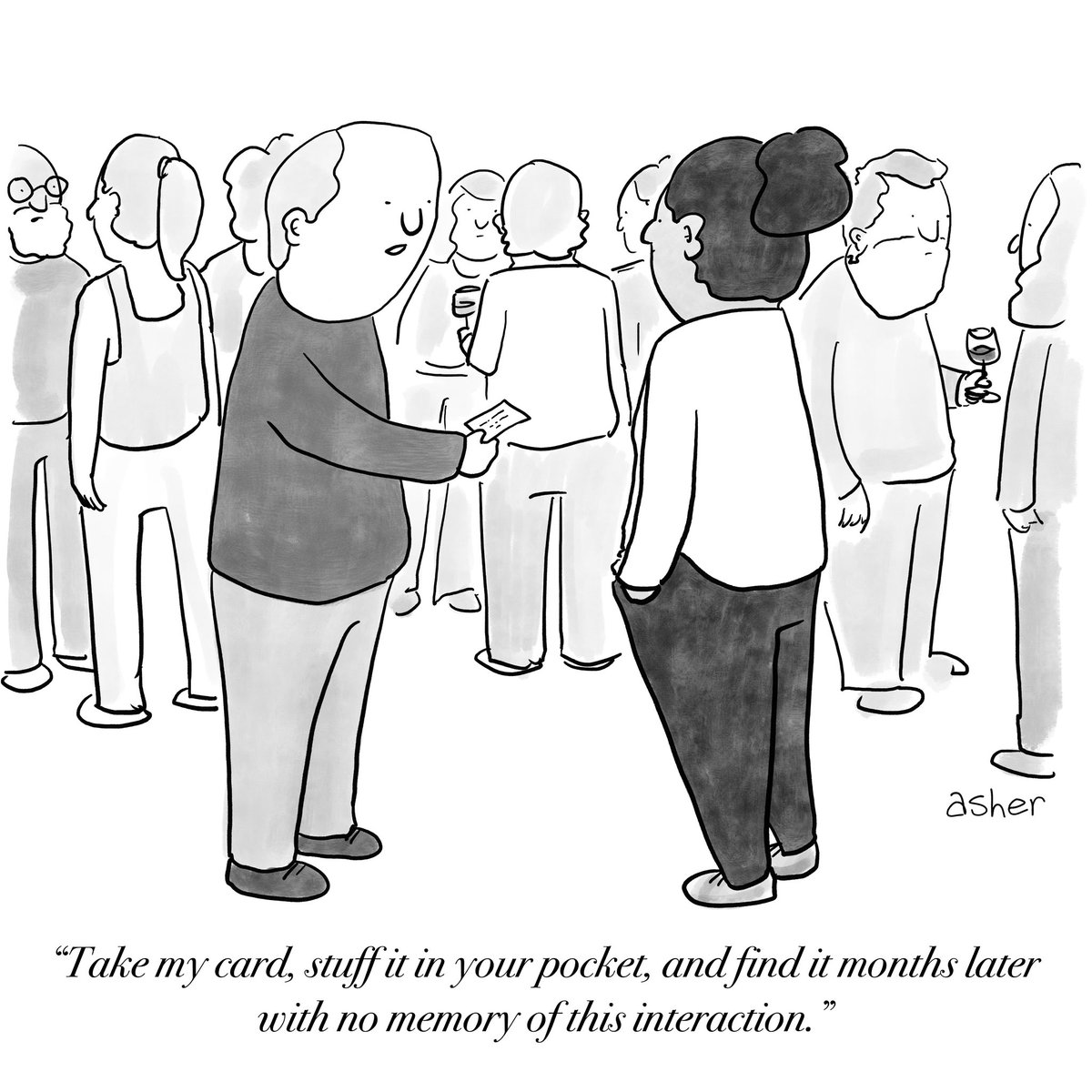
Trump admits to taking more aspirin than his docs recommend: “They say aspirin is good for thinning out the blood, and I don’t want thick blood pouring through my heart. I want nice, thin blood pouring through my heart. Does that make sense?”
What could possibly go wrong! (2/6)
@2percentisfair@aakashgupta California also benefited by being geographically farther away from more entrenched and powerful competitors on the east coast.
One of the reasons the film makers moved to California was to escape Thomas Edison’s monopolistic control of the film industry on the east.
@archeohistories Uranium glass production predates blacklights, so some collectors must have been in shock after seeing their collection in a new light.
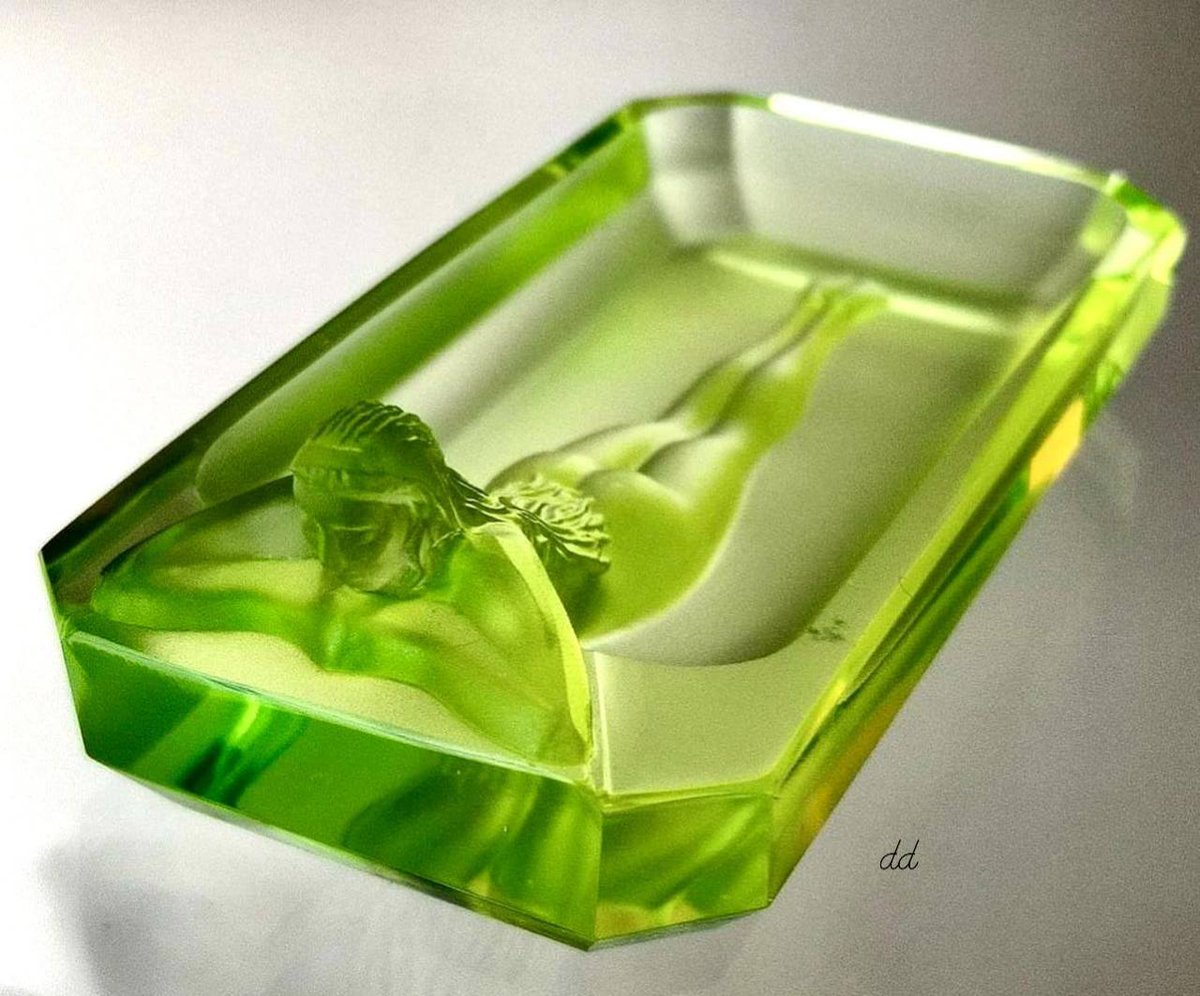
“Girl in Pool,” uranium glass pin tray by Heinrich Hoffman, Czechoslovakia, 1928....
This pin tray, dated to 1928 and attributed to the Czech master glassmaker Heinrich Hoffmann, is a superb example of uranium glass (Vaseline glass), a popular form of decorative glassware during late 19th and early 20th Centuries.
Hoffmann, whose factory in Czechoslovakia was known for its high-quality Art Deco and Art Nouveau pressed and cut glass, intentionally incorporated small amounts of uranium oxide (typically less than 2% by weight) into the silica mixture during the glassmaking process. This uranium compound acts as a powerful colorant, giving the glass its distinct, appealing yellow-green hue under normal daylight conditions, and classifying it as a prized collector's item.
The defining characteristic of uranium glass, which elevates it from merely decorative to truly unique, is its dramatic reaction to ultraviolet (UV) light. When placed under a blacklight, the traces of uranium within the glass become energized and emit visible light, causing the piece to glow a brilliant, vivid fluorescent green.
This spectacular visual effect made uranium glass highly desirable during its peak period of manufacture. Though the addition of uranium renders the glass mildly radioactive, experts generally deem the radiation emitted by these domestic pieces to be negligible and comparable to typical background levels, posing no significant health risk.
The Hoffmann pin tray thus serves as a tangible link to the Art Deco period, showcasing the era's fascination with novelty, industrial materials, and bold design. It represents a confluence of Czech glassmaking skill and the period's playful use of chemical properties for aesthetic effect. Today, these pin trays and other uranium glass objects are highly sought after by collectors who appreciate their historical context, artistic detail, and the unique, captivating phenomenon of their luminous glow, which makes them a standout feature in any collection.
#archaeohistories