The President just announced a "multi-stakeholder approach to water crisis`😭🔌
He says everybody will be involved
A FEW MOMENTS LATER: Nobody reading the manual… and suddenly the whole country looks like it touched a live wire during
#SONA2026 😂
@Crazymoments01
Let’s be clear: the Employment Equity Act doesn’t sideline merit; it challenges a system that has long hoarded it.
This “merit” they speak of was never neutral. It was shaped, defined, and fiercely protected to exclude others, especially Black professionals, no matter how qualified they were. Now suddenly, it’s a talking point?
Please.
If merit truly reigned supreme, the JSE Top 40 would look very different. What we see instead is a legacy of exclusion, not excellence.
E mang pele. Yoh!
#AskAsanteOnBoards
Thabo woke up at 5:15 a.m., as he always did, to the sound of his alarm. The room was dark, the air stale, and the silence oppressive. He lay still for a moment, staring at the ceiling, his mind already racing through the day’s tasks.
He had to finish the quarterly report, respond to 47 unread emails, and prepare a presentation for the board meeting. He also needed to squeeze in a workout, meditate for 15 minutes, and call his mother, who had left him three voicemails he hadn’t had time to listen to.
He swung his legs off the bed and stood, his body stiff, his eyes heavy. He glanced at the mirror on the wall. A 29-year-old man stared back at him, but Thabo barely recognised himself. His face was gaunt, his eyes hollow, and his shoulders slumped under an invisible weight. He turned away quickly, avoiding the reflection, and reached for his phone.
The screen lit up with notifications: reminders, deadlines, motivational quotes. One notification caught his eye: “You are limitless. Achieve more today.” He swiped it away, but the words lingered in his mind, echoing like a mantra.
Thabo worked at a tech startup called Limitless Solutions, a company that promised to revolutionise productivity through AI-driven tools. The office was a sprawling open-plan space filled with beanbags, whiteboards, and the faint hum of caffeine-fueled ambition.
Everyone there was young, driven, and perpetually on the brink of burnout. They wore their exhaustion like a badge of honour, a testament to their dedication.
“Morning, Thabo!” chirped a colleague as he walked in. “You look wrecked. Late night?”
“Just grinding,” Thabo replied with a forced smile.
“Same here. Pulled an all-nighter to finish the Jenkins project. Feels good to push yourself, you know?”
Thabo nodded, though he didn’t feel good. He hadn’t felt good in months.
At his desk, Thabo opened his laptop and began typing furiously. The quarterly report was due by noon, and he couldn’t afford to miss the deadline. His fingers flew across the keyboard, his mind a whirlwind of data and analysis. He didn’t notice the hours slipping by, didn’t notice the ache in his back or the dryness in his eyes. He was a machine, efficient and relentless.
By 11:45 a.m., he was done. He leaned back in his chair, a surge of pride swelling in his chest. He had done it. He had achieved.
But the feeling was fleeting. Almost immediately, a new wave of anxiety washed over him. The presentation for the board meeting was next, and he hadn’t even started. He opened a new document and began typing again.
Days blurred into weeks, weeks into months. Thabo’s life became a series of tasks, each more urgent than the last. He worked late into the night, fueled by coffee and the fear of falling behind. He skipped meals, skipped sleep, skipped life.
One evening, as he sat at his desk, staring at a spreadsheet that refused to make sense, he felt a sharp pain in his chest. It was like a vice tightening around his heart, squeezing the breath out of him. He gasped, clutching at his shirt, his vision swimming.
“Thabo? Are you okay?” a voice asked, distant and muffled.
He tried to respond, but the words wouldn’t come. The pain intensified, spreading through his body like wildfire. He slumped forward, his head hitting the desk with a dull thud.
When he woke up, he was in a hospital bed. The room was sterile and silent, the only sound was the steady beep of a heart monitor. A doctor stood by his bedside, holding a clipboard.
“You’ve been overworking yourself,” the doctor said, his tone neutral. “Your body couldn’t take it anymore.”
Thabo stared at the ceiling, his mind blank. He felt nothing—no fear, no relief, no regret—just emptiness.
The doctor left, and Thabo was alone. He reached for his phone, which lay on the bedside table, and unlocked it. The screen was filled with notifications: emails, reminders, deadlines. One notification stood out: “You are limitless. Achieve more today.”
He stared at the words, his hand trembling. Then, with a sudden burst of anger, he threw the phone across the room. It hit the wall and shattered, the screen going dark.
Thabo lay back, his chest rising and falling with shallow breaths. For the first time in years, he did nothing. He simply existed.
And yet, even in that moment of stillness, he could feel the weight of the world pressing down on him, demanding more.
In the days that followed, Thabo tried to rest. He stayed in bed, he ate his meals, and he watched the clock tick by. But the guilt was unbearable. Every second he spent doing nothing felt like a betrayal, a failure.
One morning, he received an email from his boss. “We need you back, Thabo. The team is falling behind without you.”
He read the email over and over, his heart pounding. Then he got out of bed, dressed in his suit, and went back to work.
The office was the same as he had left it: bustling, chaotic, relentless. His colleagues greeted him with smiles and pats on the back.
“Good to have you back, Thabo. We knew you wouldn’t let us down.”
He sat at his desk, opened his laptop, and began typing. The pain in his chest was still there, a dull ache that never went away. But he ignored it. He had work to do.
After all, he was limitless.
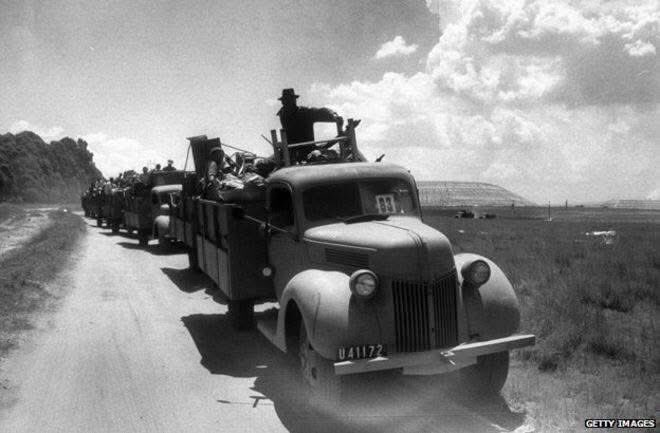
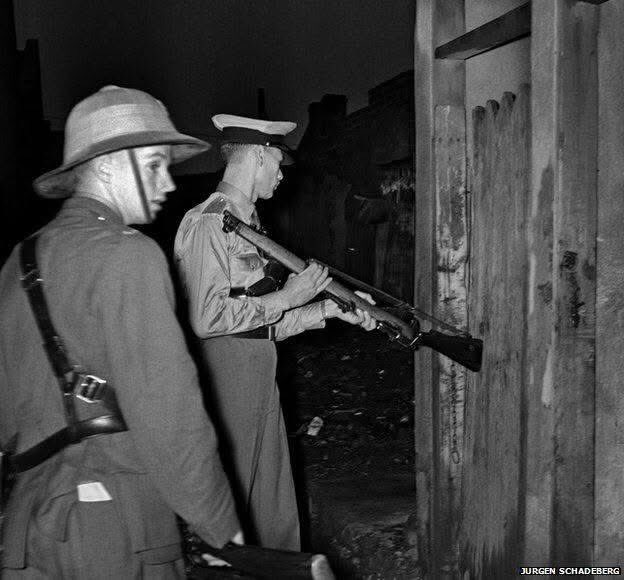
Let’s talk about some of the real victims of property theft. 70 years ago, on this day, Sophiatown’s destruction commenced. At dawn, 4000 police and soldiers cordoned off the suburb and houses were demolished. Trucks moved families to Meadowlands.
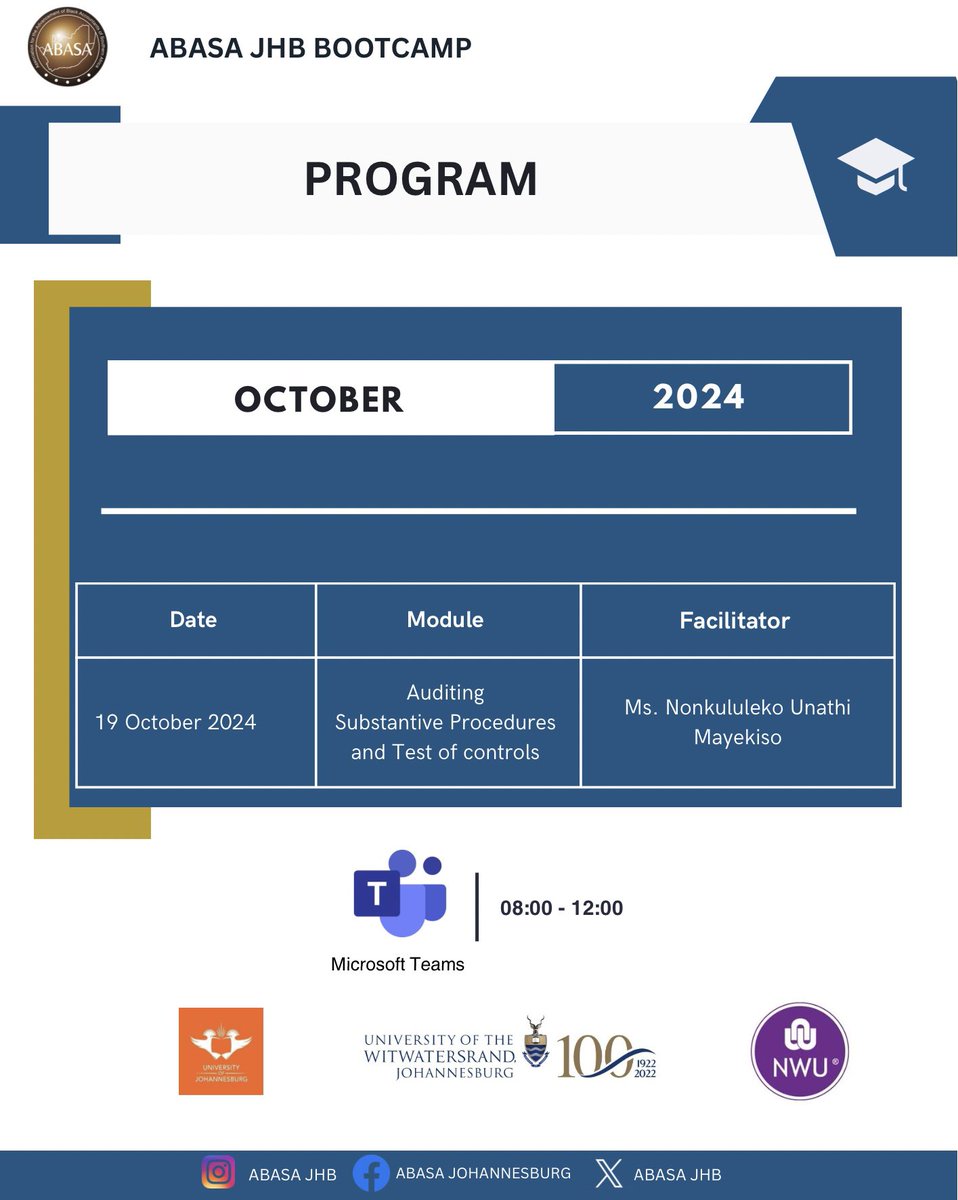
As ABASA JHB Branch, we remain resolute in finding solutions that ensure students have access to valuable resources.
Join our Bootcamp and let’s walk the CA(SA) journey together.
Be on the lookout for an email with a link to join the sessions.
#InspireInnovateImpact
REMINDER!
SARS will host a webinar this afternoon on the Two-Pot Retirement System. Follow the discussion on SARS TV (YouTube) @ 17:00. More information: https://t.co/Ra2zN54jfH
📅: Thursday, 22 August 2024
⏲️: 17:00 to 19:00
🔗: https://t.co/y4PLVR6Gl8
Unlocking potential, unlocking futures!
FASSET SAICA Development Camps go beyond academics, equipping learners with essential future skills for their path to University and beyond. Let’s continue to share brighter futures together.
Opportunity Alert!
Calling all eligible small businesses in Mpumalanga!
📢 The Hollywood Foundation invites you to seize the chance to gain recognition, support, and funding for your endeavors through the Bambelela Business Awards.
📅 Application Details: Entries are now open!
Don't miss out – submit your entries online at: https://t.co/WysxAbKjlT before the deadline on 15 April 2024, at 23:59.
✅ Qualification Requirements:
· Must be a minimum of 51% black-owned.
· Local businesses registered and operating in Mpumalanga.
· Formal and/or informal registered local businesses.
· Operating for at least 12 months with a proven track record of trading.
· Provide a business profile or clear description.
For more information on submission guidelines and rules, visit our website: https://t.co/WysxAbKjlT
Don't let this opportunity pass you by – apply now and take your business to new heights!
#BambelelaBusinessAwards #MpumalangaBusinesses #SupportLocal