🚨Our newest paper on human brain evolution 🧠
✅ This study reveals that brain expansion in hominins was primarily driven by within-species dynamics, with an accelerating trend in recent lineages!
@oxford_anthro @ReadingBioSci https://t.co/WbwcYx4B4I
📰🪶New paper out today in NatureClimateChange!
Seabirds geographic ranges shrink as oceans rapidly warm and cool.
The speed of climate change acts as a filter as only species with strong dispersal ability keep up.
Remarkably, historical range shifts align closely with modern trends. Under the highest warming scenario, >70% of species are projected to contract their ranges and disperse even further by 2100.
Crucially, our results show conservation can’t just protect where seabirds live today. We also need to safeguard the new areas they may need to move to in the future.
@Seabirders@PacificSeabirds@SeabirdCentre
Link to paper
https://t.co/CR5GtGJWm1
90% of people are right-handed, and no other primate species comes close to this level of hand preference.
A new Oxford-led study suggests the reason may lie in two defining features of human evolution: walking on two legs and the expansion of the human brain.
More info ⬇️
https://t.co/IGt0zzkfo5
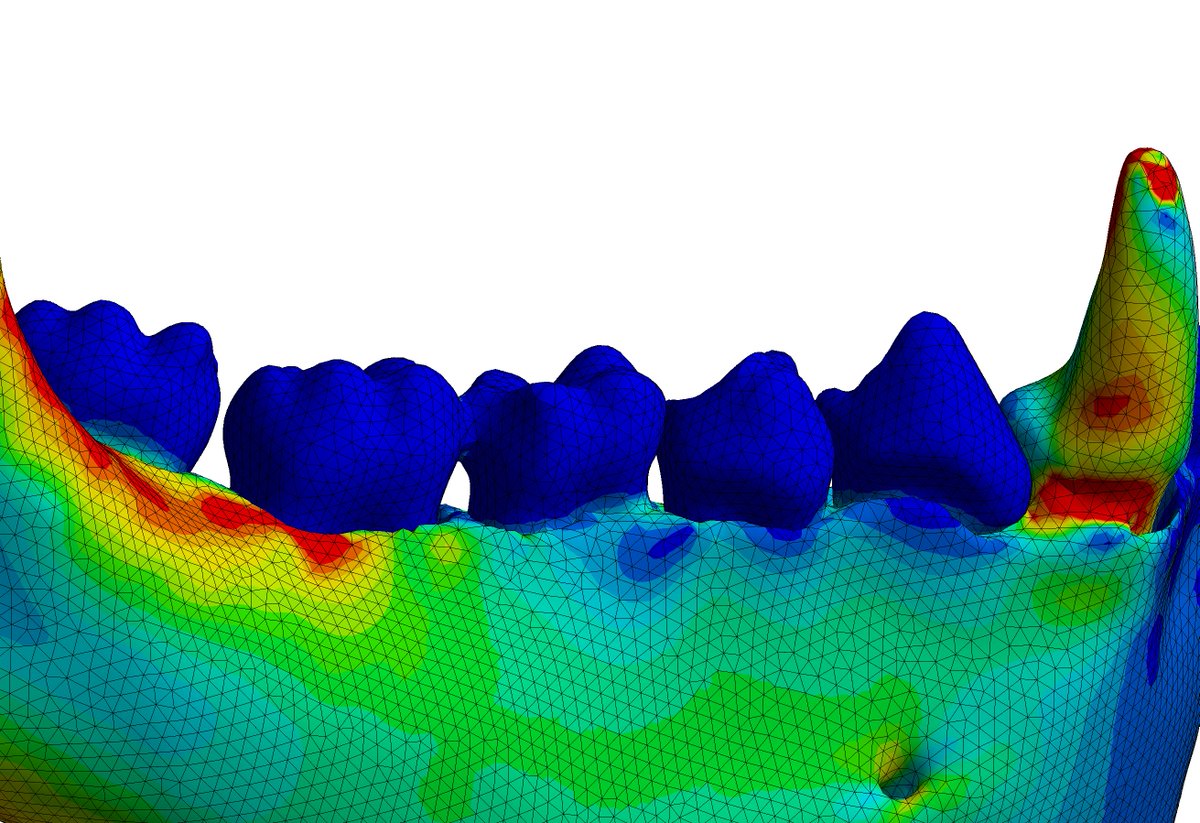
🦷🔬 Looking for PhD candidates with an engineering or a biological background. Fully funded PhD at @universitatURV on biomechanics & mechanical properties of vertebrate teeth with @FortunyPaleoBio
➡️Call opens in May here: https://t.co/S3Gzw3cLF7
➡️DM or email me for info.
Why is almost everyone right-handed? We use data from ~2,000 individuals and 41 species to show that factors such as encephalization and bipedalism may explain why https://t.co/kaYe1ljklS
Why do humans exhibit such a striking right-hand preference? We studied 41 anthropoid species, revealing #Homosapiens as an evolutionary outlier & identifying #bipedalism & #brain expansion as likely drivers of human lateralization @plosbiology.org 🧪 https://t.co/8KpBdau14I
Thrilled this paper is out! We describe the rich vertebrate fauna from Lomekwi, identifying 85 taxa. During the time of Kenyanthropus, there were megaherbivores 🦒🦛🐘, numerous artiodactyls, diverse carnivores, giant crocodiles, and multiple primates 👉 https://t.co/EmLRe0AN0y
📣Editor spotlight
Dr. Hans Püschel is a Chilean vertebrate palaeontologist who specialises in the evolution & biogeography of South American mammals by combining cutting-edge computational methods and fieldwork. He is currently a PI at the Millennium Nucleus EVOTEM in Santiago.
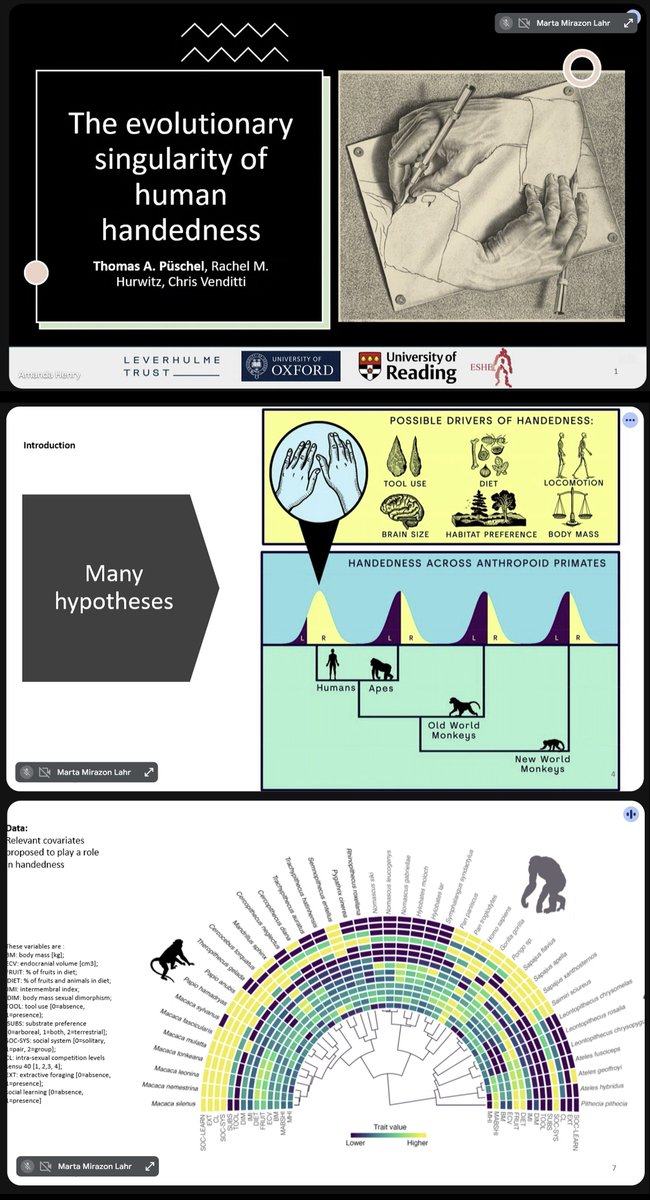
#ESHE2025@ThomasPuschel 'The evolutionary singularity of human handedness’ Is human handedness exceptional? 87% R handed. Study: 2000 ind, 41 primate spp
ONLY HUMANS have major handedness bias! Increase during human evolution No existing hypothesis best explains findings
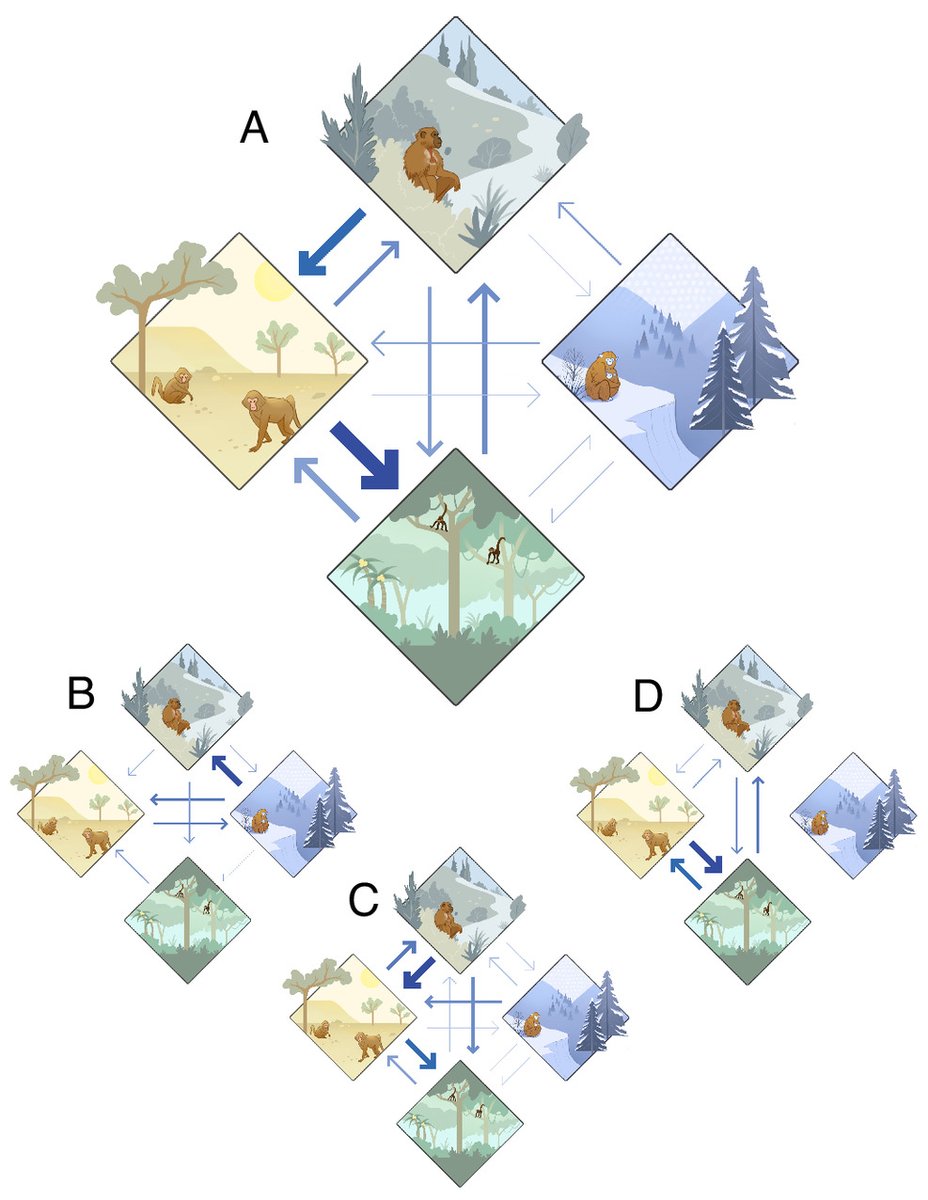
🔓Now on Peeref: The radiation and geographic expansion of primates through diverse climates
🔗: https://t.co/yBxzDXHoUc
👁️: Altmetric: 359
@avaria_jorge@ThomasPuschel@PNASNews
One of the most-viewed PNAS articles in the last week is “The radiation and geographic expansion of primates through diverse climates.” Explore the article here: https://t.co/28RUrjltjn
For more trending articles, visit https://t.co/OJD5nxXJB7.