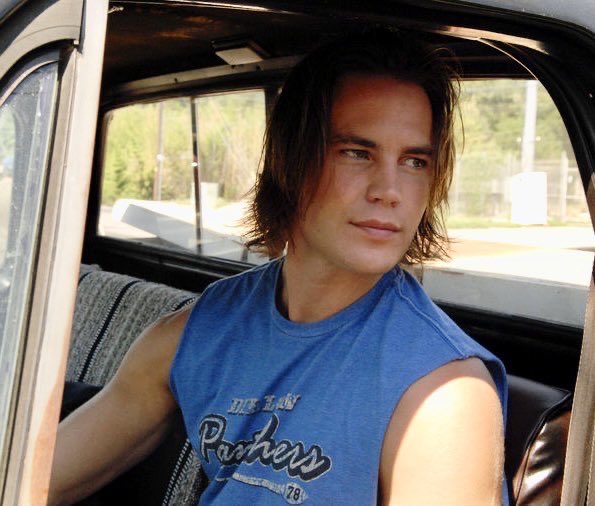
-bangs 10s
-gets in bar fights 1-on-3
-trucks motherfuckers to spring teammates for TDs
-saves coach’s daughter from getting taken advantage of at a party
-smashes his friend’s girlfriend (scumbag move) but lets friend punch him in the face as punishment (honorable)
-takes the blame for his brother’s felony so his nephew doesn’t grow up with a dad in prison
-doesn’t have Instagram
-loves his hometown
American fucking hero.
A surprising amount of adulthood is just finally accepting that no one is coming to impose the structure you need. You either build it, or you drift inside the structures other people built for you.
In meetings, there’s a familiar pattern. Someone asks, “What does everyone think?” and the first person to speak is usually the most confident. That initial comment sets the tone. Others—especially the more reserved—hesitate to challenge it. Over time, the discussion drifts toward a quiet consensus, not because everyone agrees, but because fewer people push back.
That’s how groupthink begins. And it’s costly. Good ideas go unspoken, while early, confident opinions carry disproportionate weight.
A simple fix is to separate idea generation from discussion. Ask people to submit thoughts anonymously or in writing beforehand. This captures a wider range of views and prevents the most assertive voice from dominating early.
This ties to a deeper tension: the “wisdom of crowds” versus the “madness of crowds.”
The wisdom of crowds shows that aggregating many independent judgments often produces accurate answers. Ask one person the distance between New York and Boston, and they might be wrong. Ask a hundred, and their average will be close.
The madness of crowds suggests the opposite. Individuals may be rational alone but less so in groups. Social pressure, conformity, and reputation concerns distort judgment. People stop trying to be right and start trying to look right.
Both are true. The key is independence.
You only get the wisdom of crowds effect when judgments are made independently—ideally anonymously. Once opinions are public, reputational concerns and fear of disagreement creep in, contaminating the signal.
The same group can be wise or mad, depending on how you ask.
If you want truth, you have to design for it.
Makes it all the more likely that Lucy Craig got disinvited from the Halloween party after her own chapter president called the fraternity
Some sororities still understand that members can’t be “hoes” otherwise all the girls get treated that way
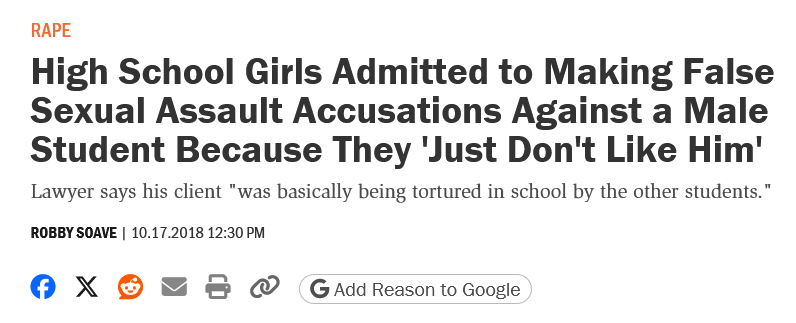
5 girls in Pennsylvania accused a boy they did not like of these horrible sex crimes. After they told other people about their scam, their Snap posts were shared with the school and police and the girls admitted it was all a lie.
The boys lawyer and parents took a plea deal in the first case and did not seem to believe their own son.
The girls were never charged with a crime, and the civil suit was dismissed last year.
This is how our system treats men, and even boys. They can be convicted on words alone.
The average IQ of Nazi Generals was 128.
93 IQ libtards will look you in the eyes and tell you you're low intelligence for not believing in their post national jungle state Ebonics😭
Economic historian Gregory Clark can't find an academic publisher for the third volume of his famous trilogy on nature and nurture in the Industrial Revolution, but at least Denmark isn't threatening to jail him like Belgium is menacing Nathan Cofnas:
https://t.co/SW7mHBug6R
Economic historian Gregory Clark, author of "A Farewell to Alms" and "The Son Also Rises," assembles huge databases from early modern England to study nature vs. nurture in the Industrial Revolution.
But academic publishers won't touch his third book:
https://t.co/SW7mHBug6R
So, on the real front, the Russians seem to have accidentally released an amplified, pneumonically transmissable variant of Yersinia Pestis.
Or, colloquially, Black Plague.
How to become a great mathematician:
Step 1: Drop out of high school at 14 to become a magician for 10 years.
...
Step N: Fund your bachelor’s degree in math by playing poker on ships to South America.
...
Step 2N: Get a PhD at Harvard.
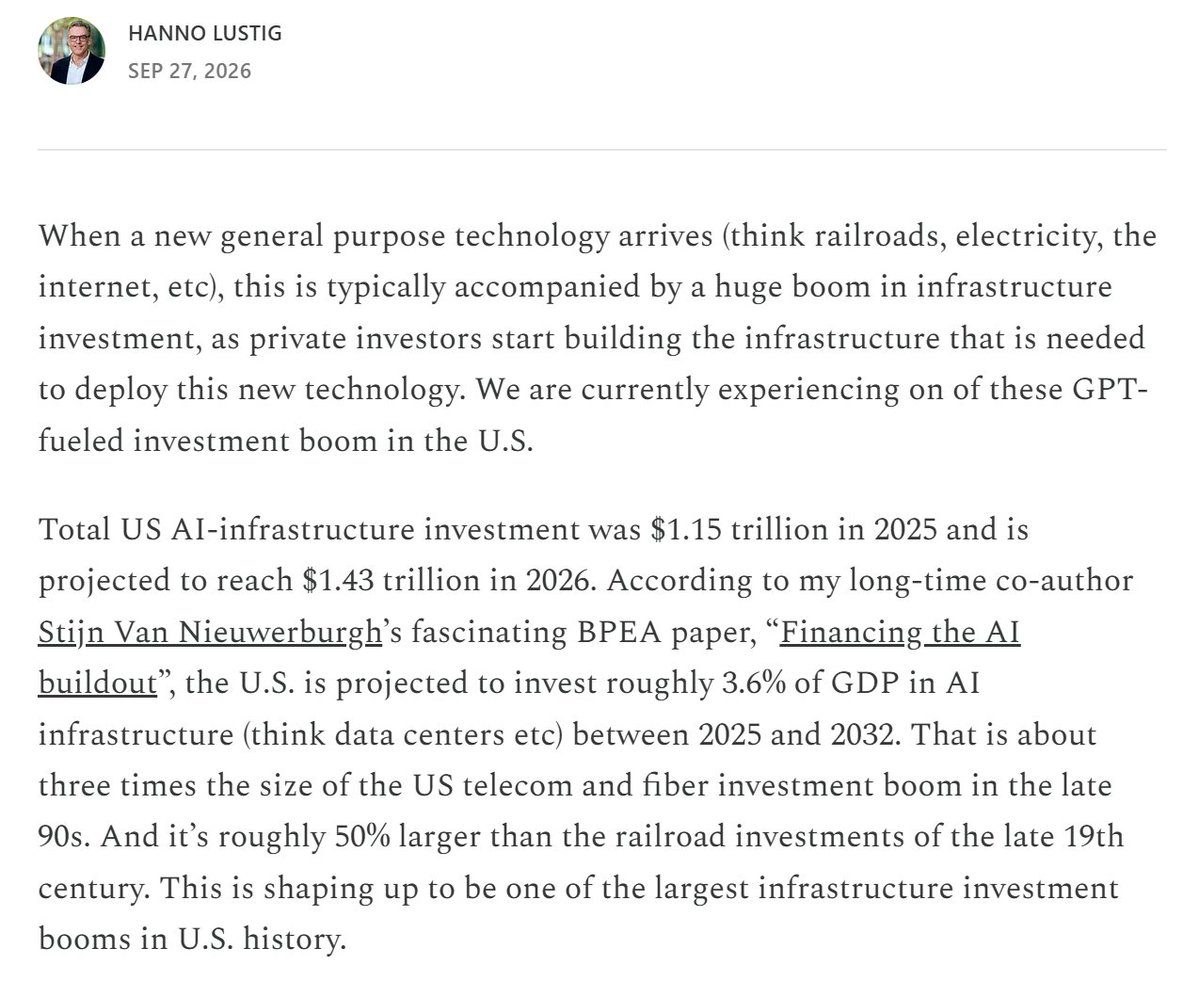
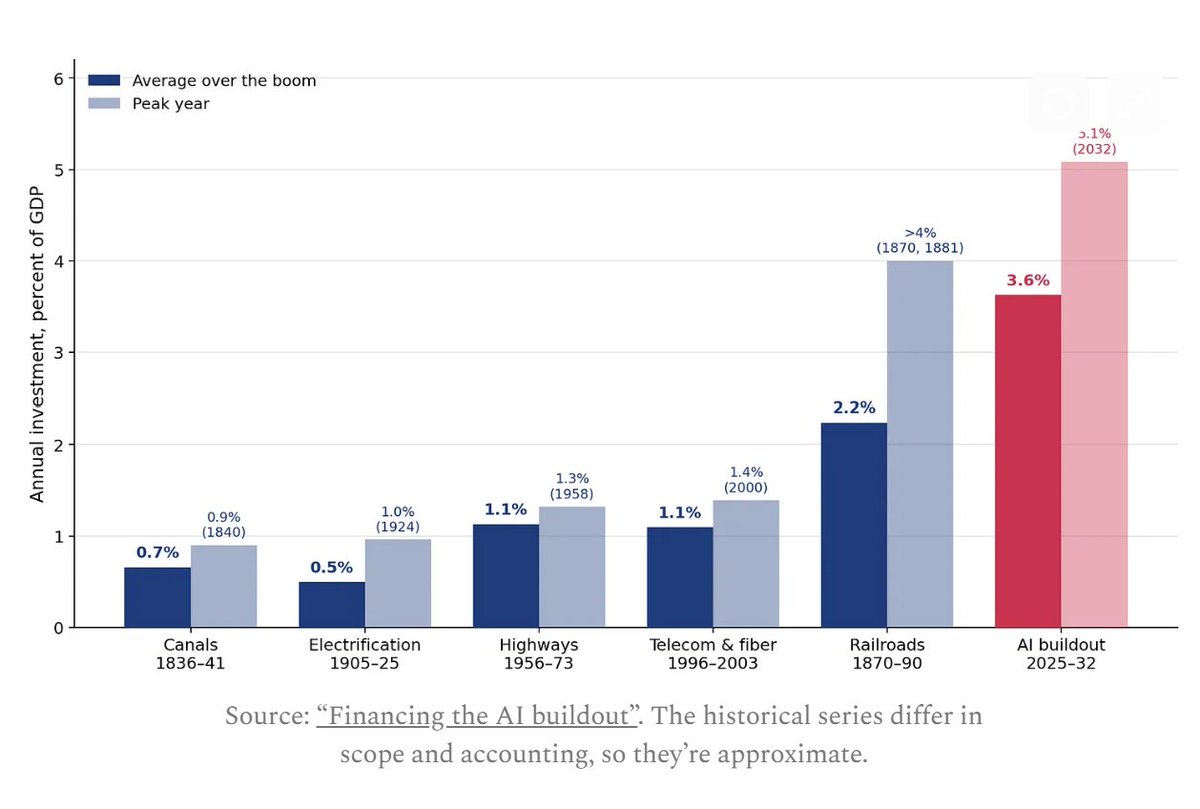
Some numbers for our present AI boom. Under generous assumptions, AI companies would need to have revenues equal to about 10% of GDP by 2032 to break even. The future looks really weird!