Russia's biggest battle right now is Armenia.
Russia has already lost elections in Romania, Moldova, and Hungary, and is now losing in Armenia. If it loses Armenia, Georgia will likely be next. Turkey is watching closely.
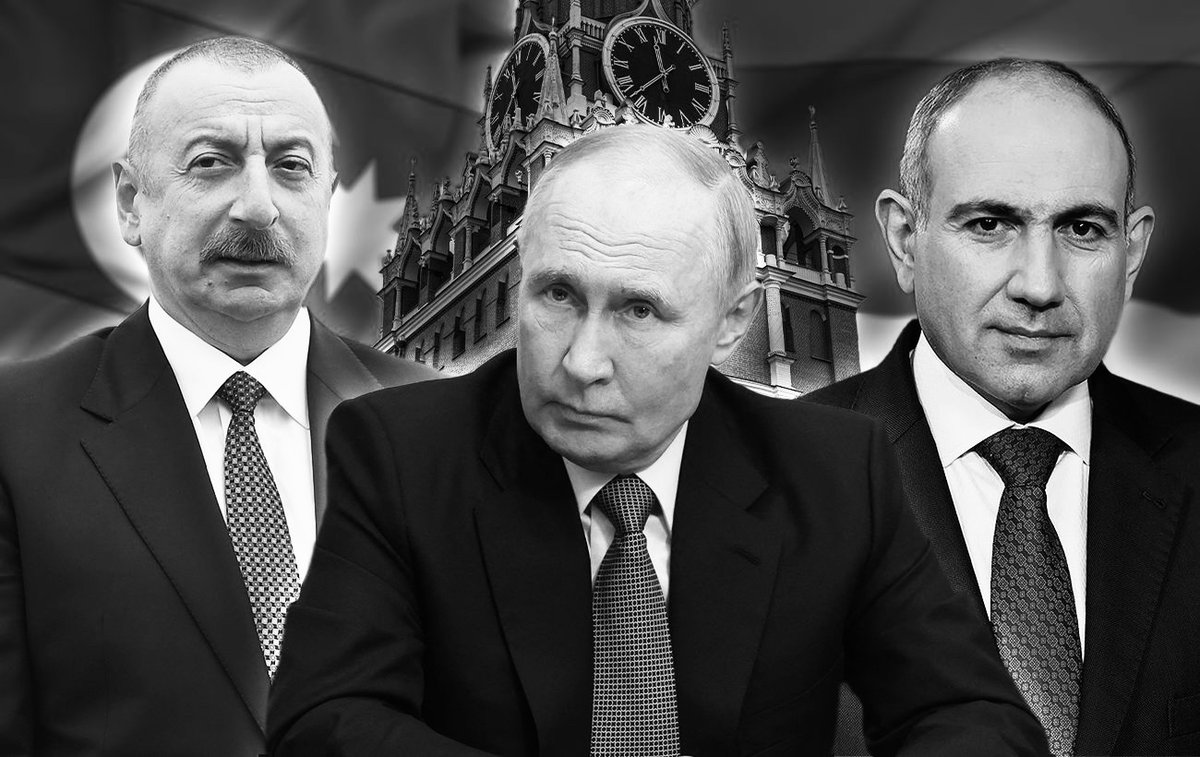
Russia is now doing everything it can to pull Armenia back into its orbit. Following its defeat in Karabakh and the effective collapse of Russian security guarantees, Yerevan began dismantling the system of dependencies that Moscow had spent decades building. Armenia froze its participation in the CSTO, openly questioned Russia's role as a security guarantor, expanded cooperation with France, India, the United States, and the European Union, and began searching for alternative sources of military support and economic ties.
In response, Moscow launched a comprehensive pressure campaign aimed at making any attempt to leave Russia's orbit as costly as possible.
An investigation by the Dossier Center indicates that the Kremlin has been attempting to directly influence Armenia's domestic politics. This is not about supporting a single candidate but about building an entire anti-government infrastructure. Russian political strategists worked on projects associated with Samvel Karapetyan and Arman Tatoyan. At the same time, they deliberately avoided openly pro-Russian rhetoric. Instead, they promoted messages about "pragmatism," the need to take the Russian factor into account, and the alleged impossibility of Armenia's survival without cooperation with Moscow.
In parallel, the Kremlin intensified its information operations. According to Reuters and researchers tracking influence campaigns, Russia-linked networks created fake news websites, spread disinformation through social media, and coordinated campaigns against the government of PM Nikol Pashinyan.
The same familiar narratives were used: corruption, dictatorship, persecution of the Armenian Apostolic Church, "external control" by the West, and betrayal of national interests. The defining feature of these campaigns is that they do not promote any specific vision of the future. Their goal is to undermine trust in state institutions and create a sense of hopelessness.
A separate tool was economic pressure. Ahead of the elections, Russia began blocking or restricting Armenian exports to its market. Restrictions affected Jermuk mineral water, alcoholic beverages, flowers, vegetables, strawberries, and other products. Formally, the justification cited sanitary or technical violations. In reality, the Kremlin was demonstrating that any political distancing from Moscow could carry direct economic consequences for Armenian producers and exporters.
Energy remains another major lever. Russia controls most gas supplies to Armenia and regularly reminds Yerevan of this dependence. Fortunately, it is currently summer, and Armenia still has time before winter to address its reliance on Russian gas.
At the same time, Russian officials and representatives of the Eurasian Economic Union have warned of potential economic losses if Armenia continues to distance itself from Russian-led integration structures.
In this way, the Kremlin presents a simple choice: dependence on Russia or economic hardship.
Security blackmail is no less important. After its failure in Karabakh, Moscow lost the ability to convincingly present itself as an effective security guarantor. As a result, the emphasis shifted. Armenia is no longer offered protection; it is offered fear.
The Russian message is simple: perhaps we failed to protect you, but without us things will be even more dangerous. That is why Russian narratives constantly focus on the threat of a new war, regional instability, and external dangers.
Importantly, all of these tools function as a single system. Political interference is reinforced by information operations. Information operations are reinforced by economic pressure. Economic pressure is reinforced by security threats.
The Kremlin is trying to create an environment for Armenia in which any step toward greater independence will seem dangerous and too costly.
That is why the current struggle over Armenia is not a conflict between Russia and the West. It is a conflict between Armenia's desire to make its own decisions and the Kremlin's determination to preserve its mechanisms of control over the country.
Новость, которая как-то незаметно прошла мимо многих. На Ямале объявляли ракетную опасность впервые с начала войны. Арктический регион находится более чем в 2000 км от границы с Украиной. Что там вообще такого важного? А там находится т.н. «ямальский крест» — это место пересечения 17 российских газопроводов высокого давления. Для производства взрывчатки требуется толуол, серная и азотная кислоты. Все предприятия, производящих толуол, получают его из нефти. Все заводы в РФ, производящих азотную кислоту, получают ее из аммиака, который в свою очередь изготавливают из природного газа. Вся российская взрывчатка – это нефть и газ. Одна удачная атака по этому месту — и Россия тупо не сможет ни воевать, ни продавать свои энергоресурсы.
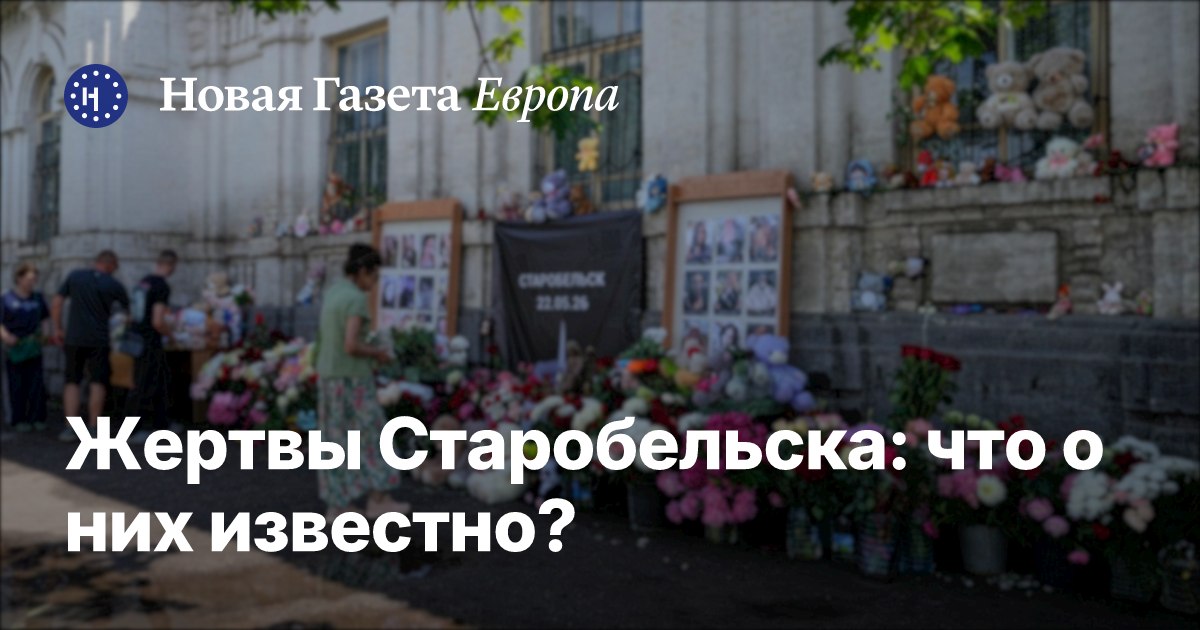
Жертвы Старобельска: что о них изве��тно? «Новая-Европа» изучила соцсети молодых людей, погибших при ударе по зданию колледжа
ℹ️ О погибших при ударе, 18 девушках и трех молодых людях, практически нет сведений в утечках российских баз: большинство из них оказались под российской юрисдикцией лишь после полномасштабного вторжения.
Старобельск, где расположен колледж, до 2022 года оставался под контролем Украины и лишь в 2022 году был оккупирован, а затем аннексирован российскими войсками.
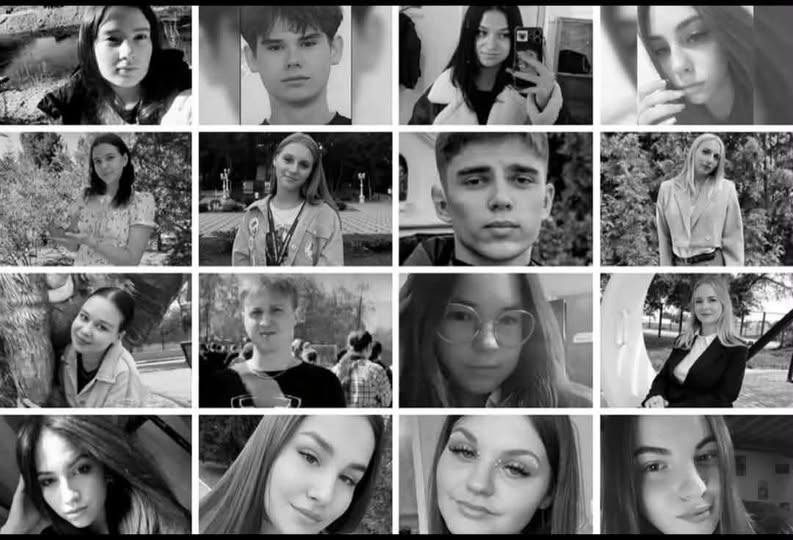
➡️ «Новая-Европа» проанализировала опубликованные российскими источниками списки погибших и смогла частично восстановить биографии и интересы почти всех молодых людей — по их страницам в соцсетях.
Сейчас страницы многих студентов «ВКонтакте» заполнены сообщениями с соболезнованиями: «мягких облачков», «спи спокойно», «царствие небесное».
https://t.co/ofhGMG4Edb
От визитки Яроша распятому мальчику в трусиках.
Коллаж с подписью о якобы «дети - жертвы теракта в Старобыльске» - не доказательство трагедии, а очередн��я циничная инфор��ационно-психологическая операция (ЦИПСО) российской пропаганды.(Продолжение ниже)👇⬇️⤵️