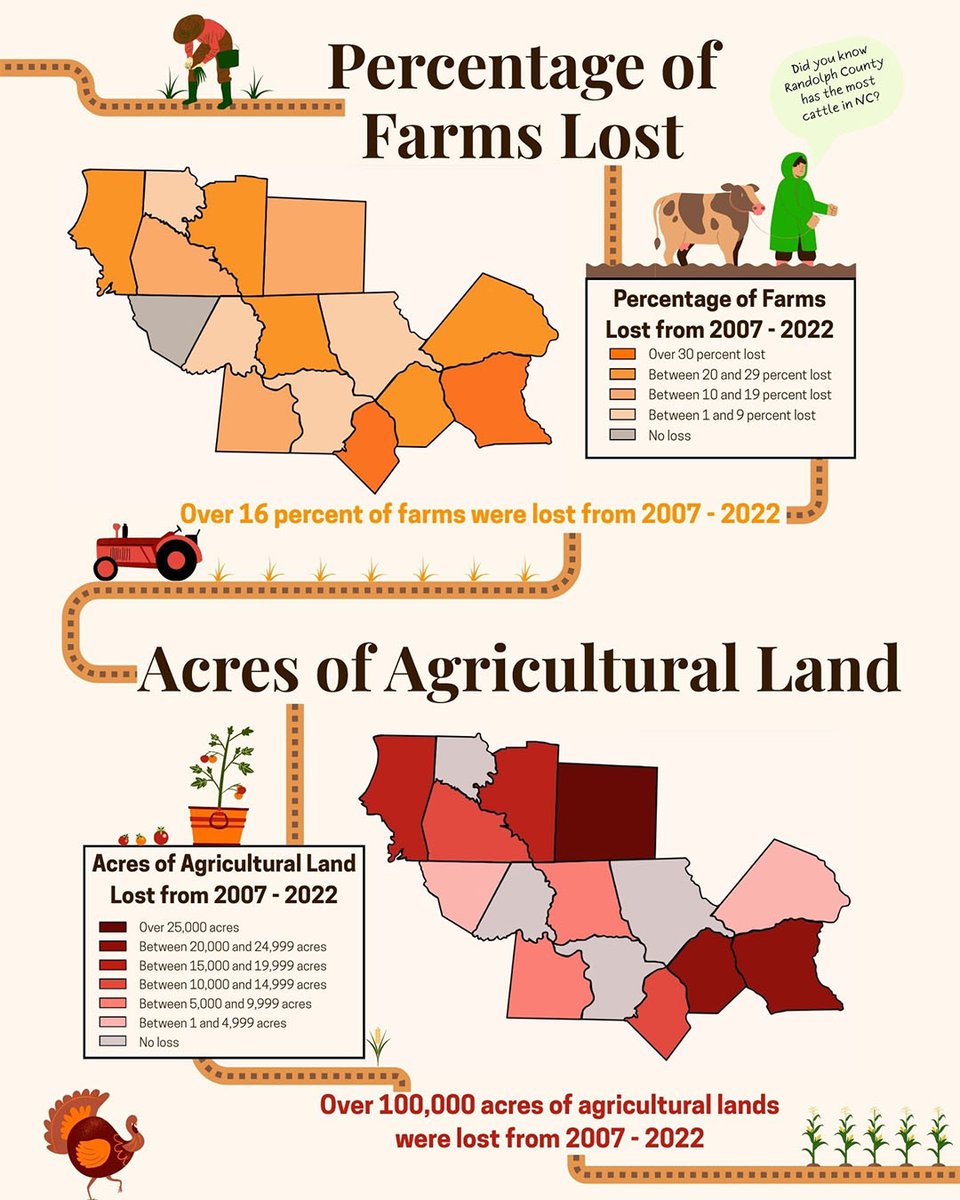
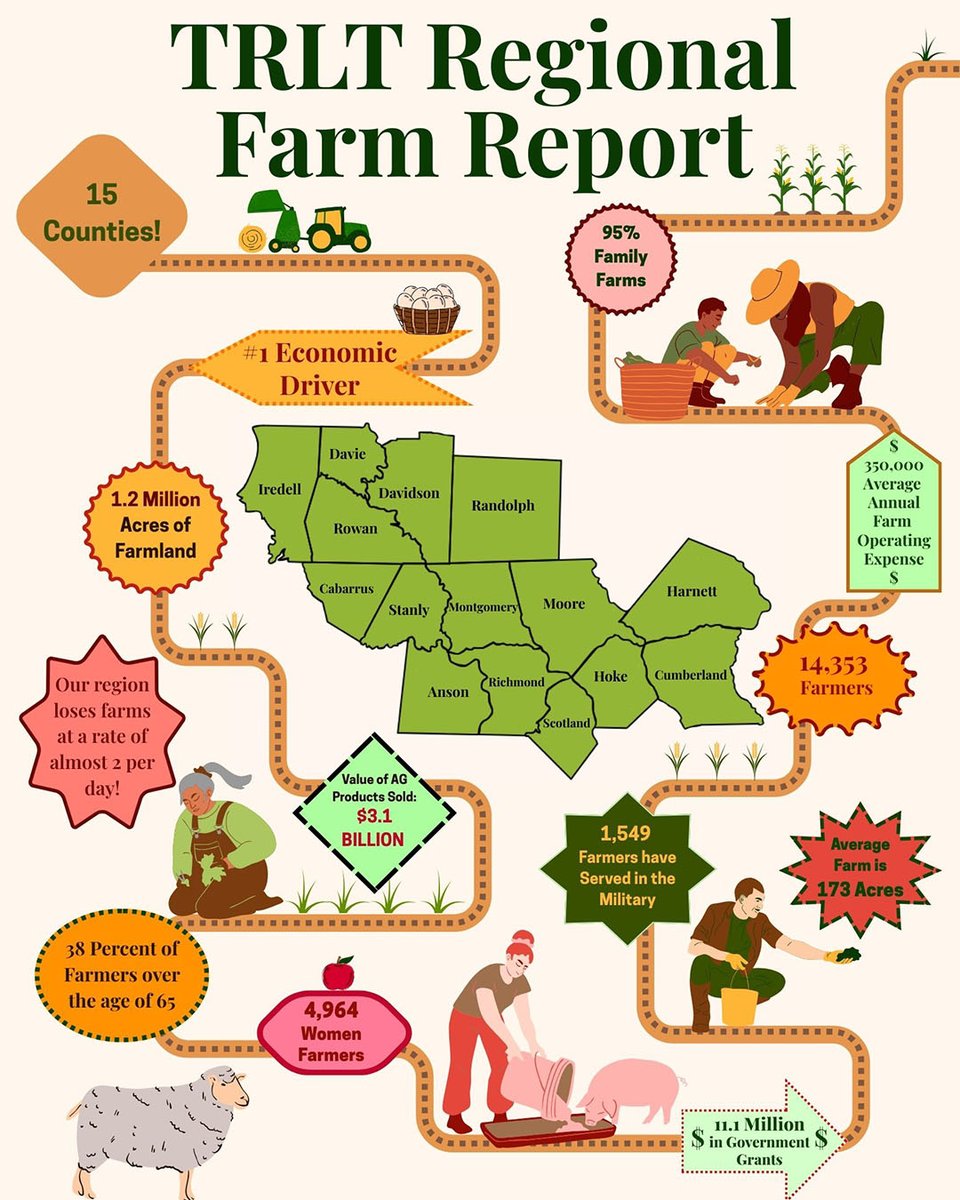
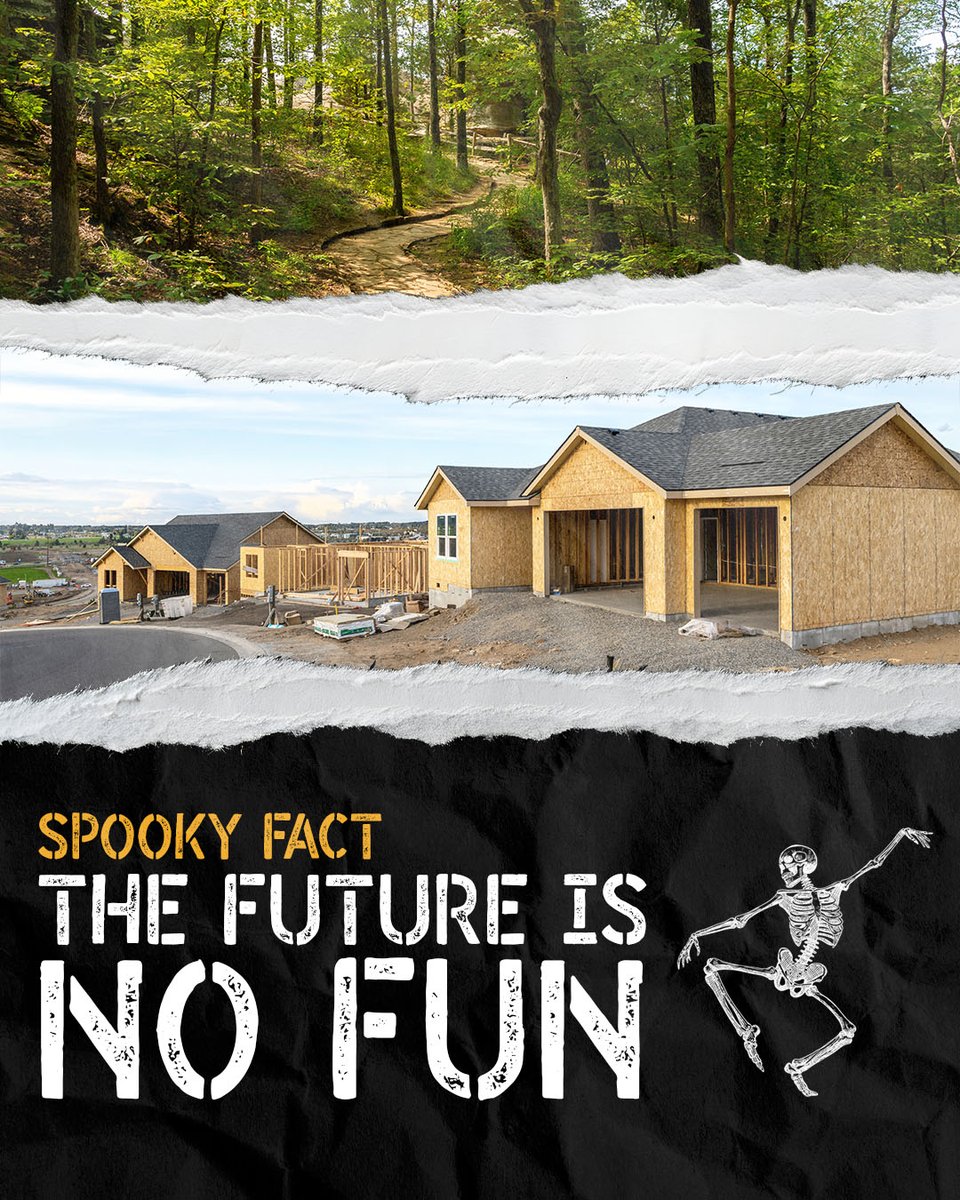
North Carolina loses up to 100,000 acres of forests, farmland, and wetlands per year. When rural is gone, it's gone forever. When it's conserved, it's conserved forever. The choice is yours.
Together, let's send a new message.
https://t.co/zhHHpGNIYt
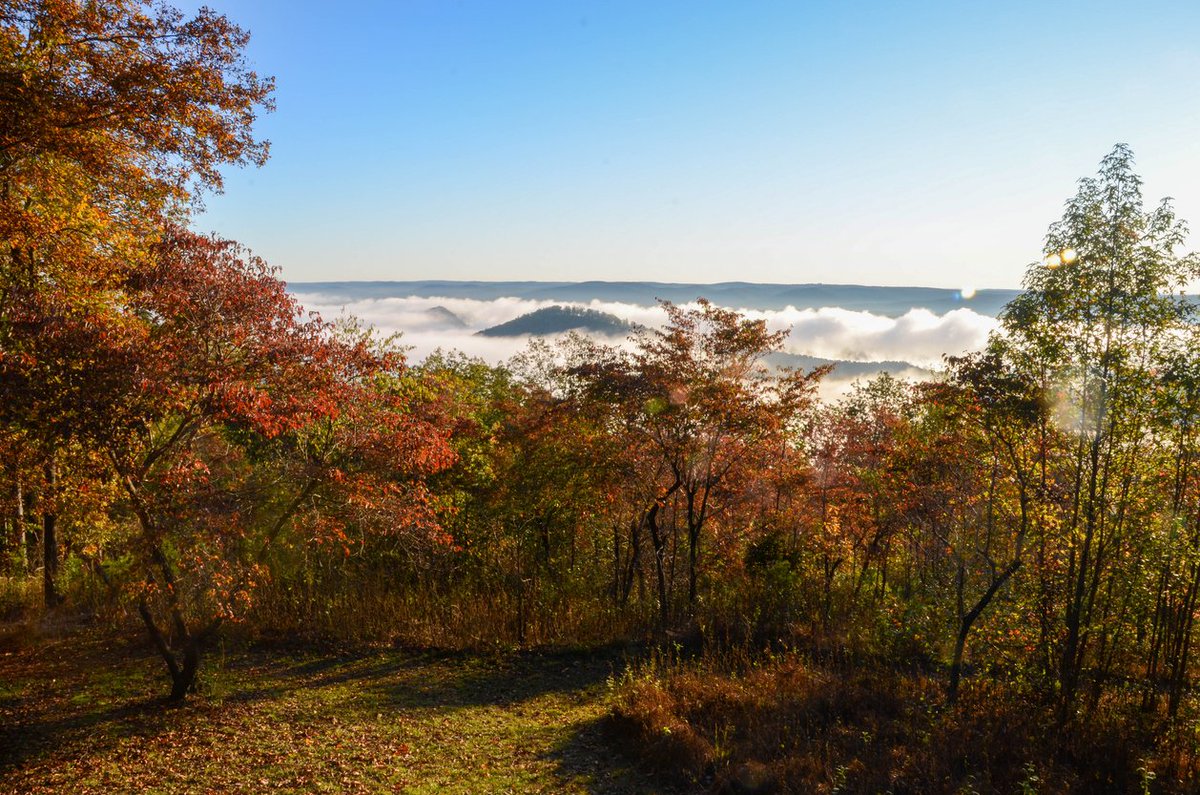
Every leafer knows that public parks and national forests are the best places to witness NC's fall colors. Conservation expands public lands, making them free and accessible to residents and visitors alike!
▶️ https://t.co/1S5N6UOTX4
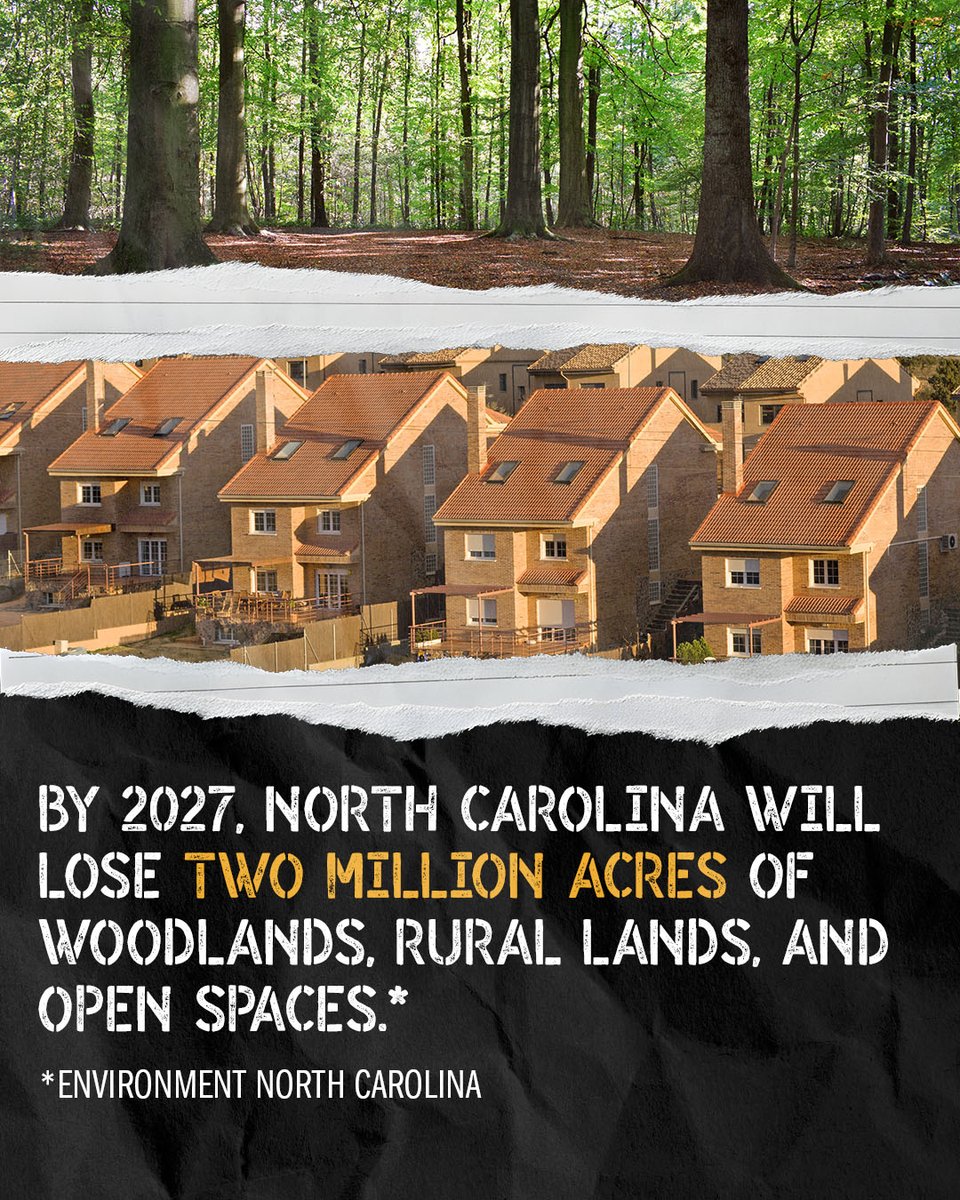
In the last 20 years, North Carolina has lost 2.37 million acres of cropland and forest land. That's 325 acres every day.*
Help change the focus.
▶ https://t.co/1S5N6UOTX4
*Source: Environment North Carolina
Stop the space invaders! 👾 Invasive species consume resources, disrupt ecosystems, and collapse food webs. Three Rivers Land Trust fights back by removing the threat, controlling the spread, and restoring native plants. Help keep North Carolina growing!
https://t.co/Vlo7tLM5X2
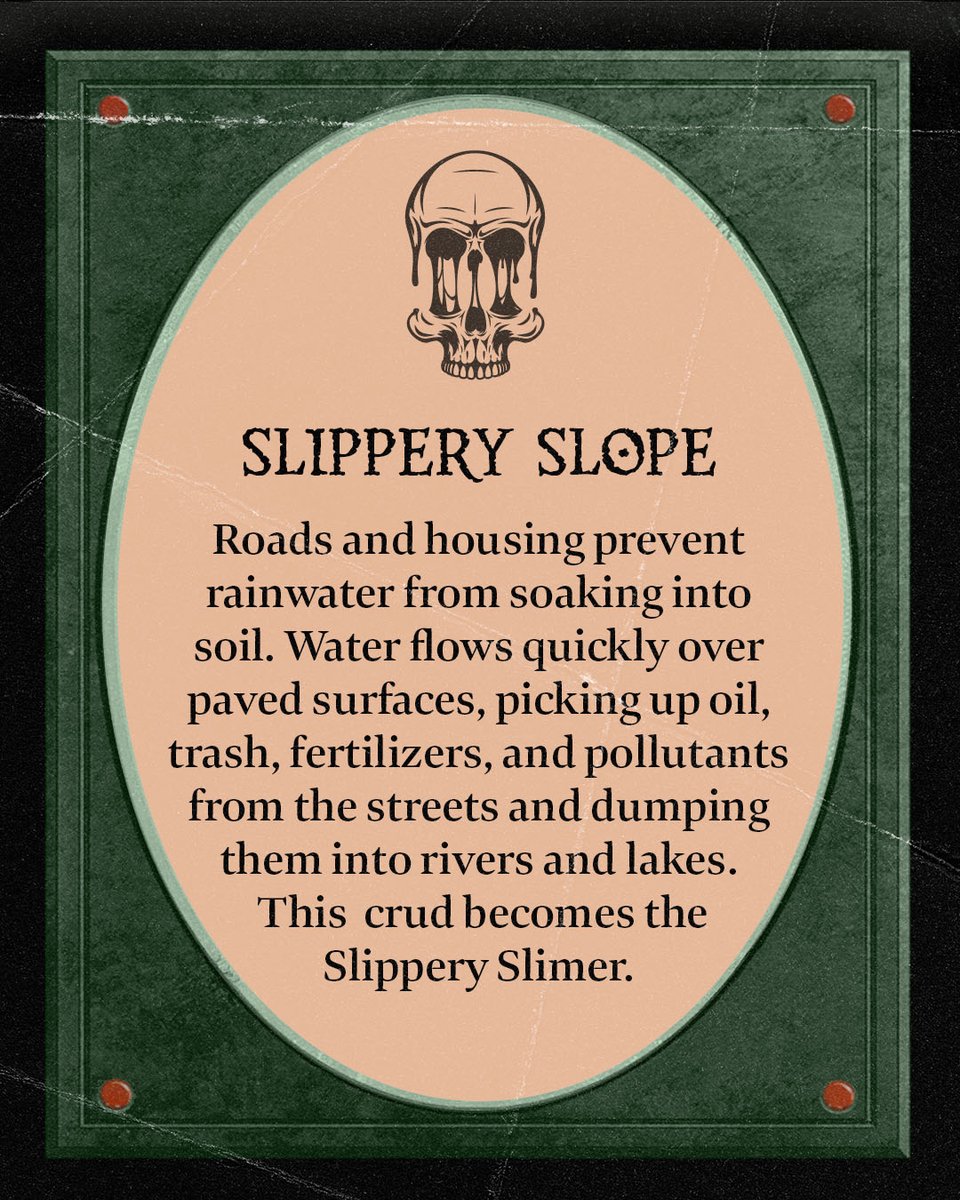
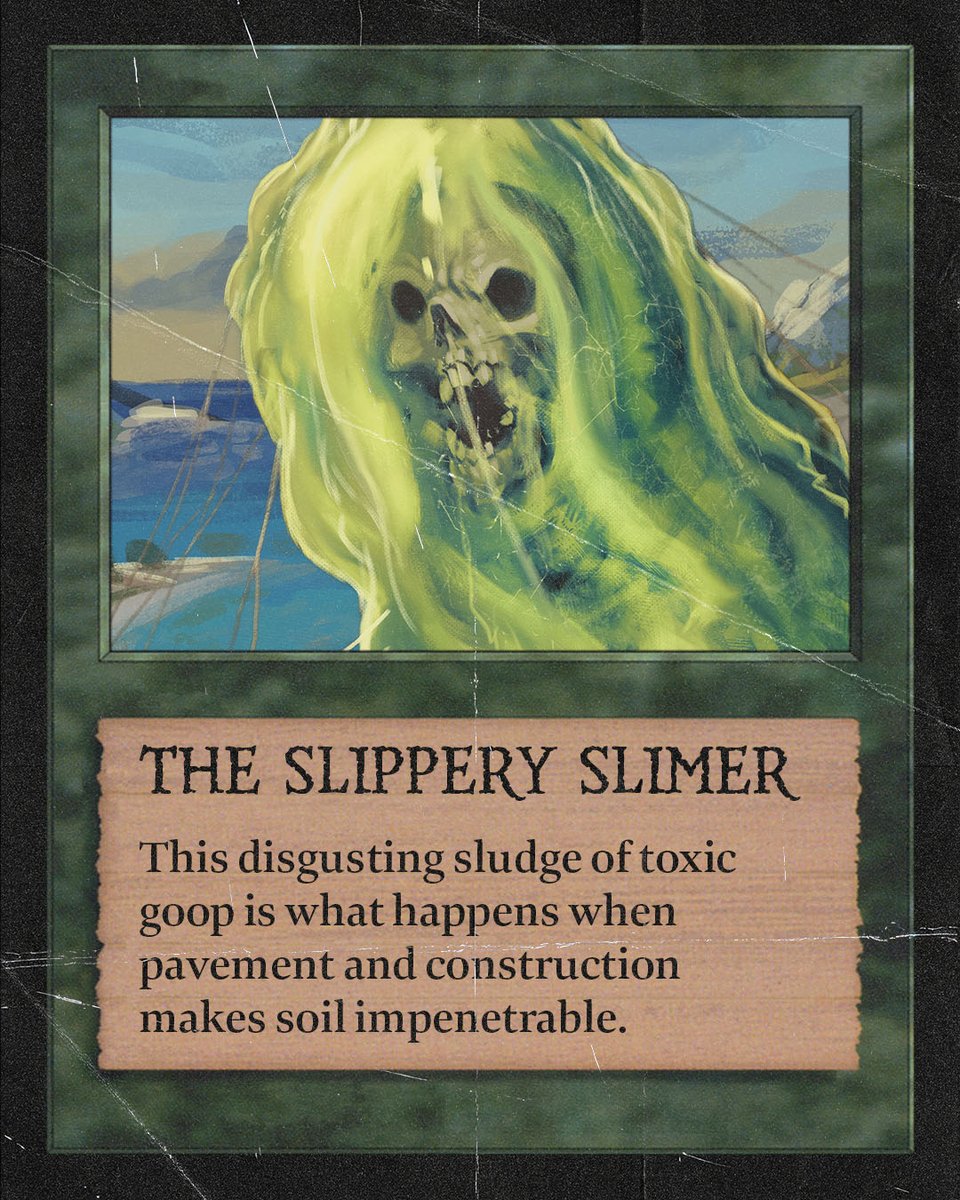
If you’ve ever looked at rain water flowing through streets of trash, oil, and grime and wondered where it all ends up…well, you may not want to know. 🤢
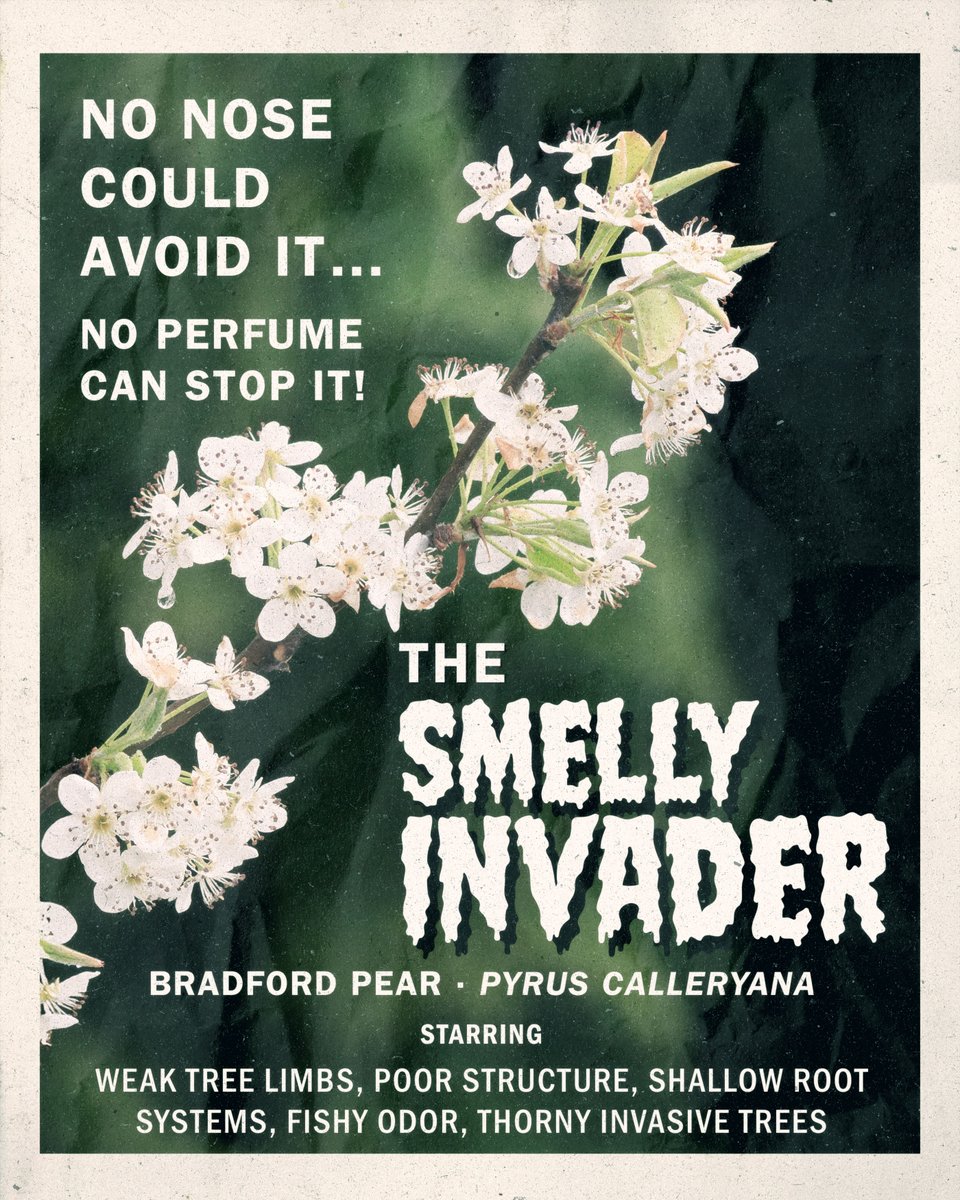
The Bradford pear grows quickly, forms dense thickets, and crowds out native trees and plants. Their branches are also weak and break easily, making them a hazard in storms. The Bradford pear has become a killer invasive species—beautiful in bloom, but destructive underneath. ☣
Look around. You can see the evidence everywhere. North Carolina’s landscapes are fragmenting. Splitting apart. Cracking open. 🔨🔨 The ones who suffer most aren’t always human. Sometimes, it’s North Carolina’s fragile native wildlife...
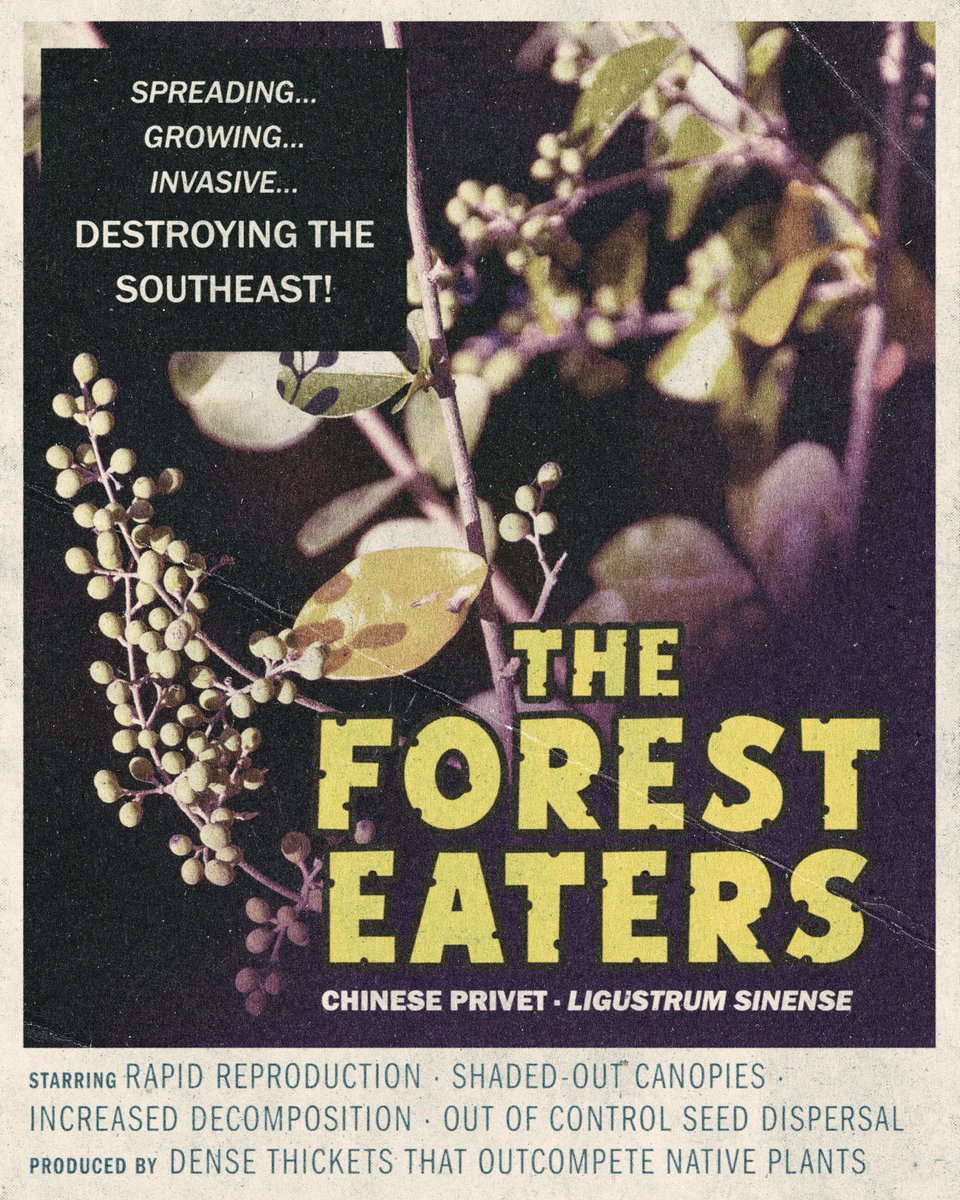
Chinese privet is a dense, fast-growing shrub that's one of the most aggressive invasive plants in the South. ☠
This forest eater spreads easily, and once it takes root, it forms dense thickets that crowd out native plants and block sunlight from reaching the forest floor.
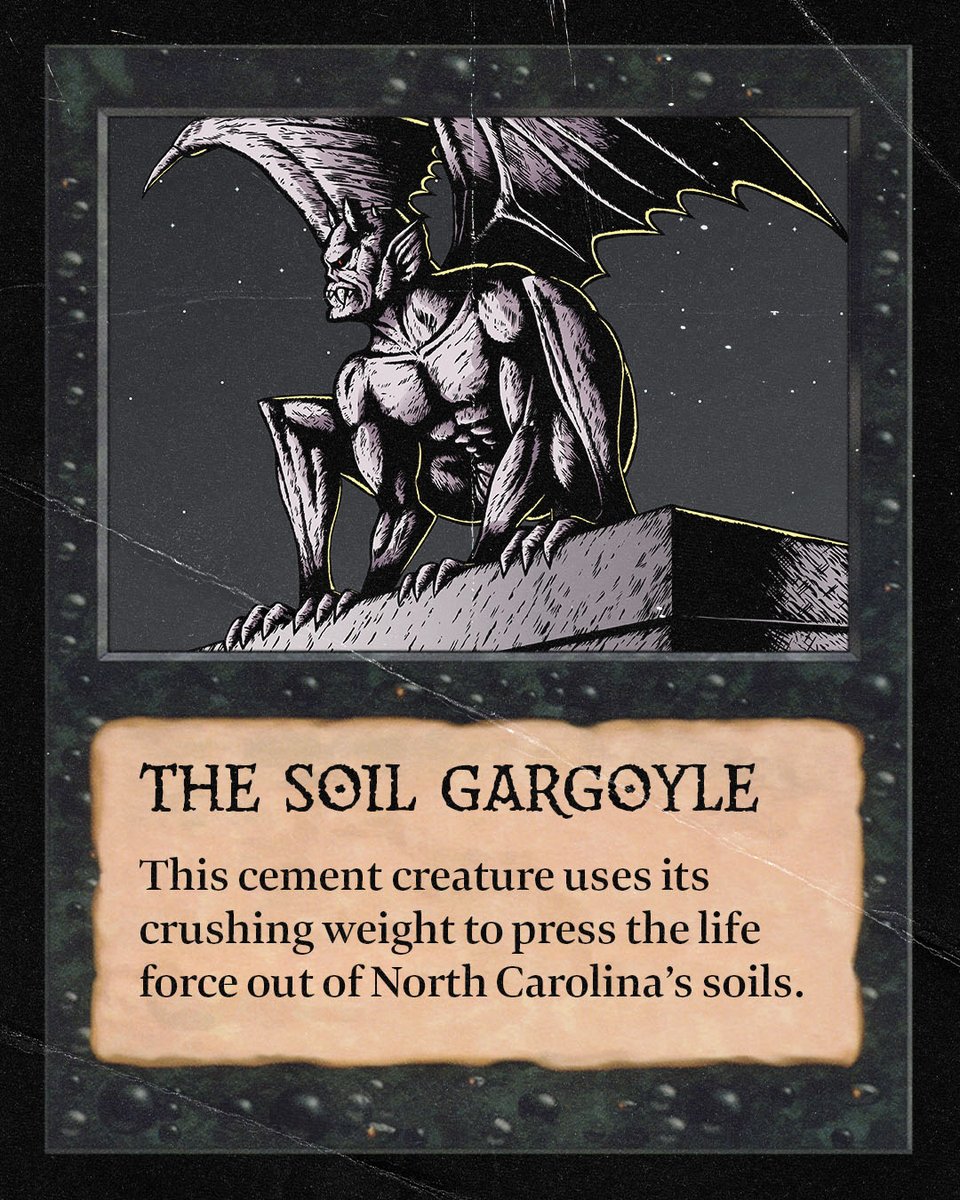
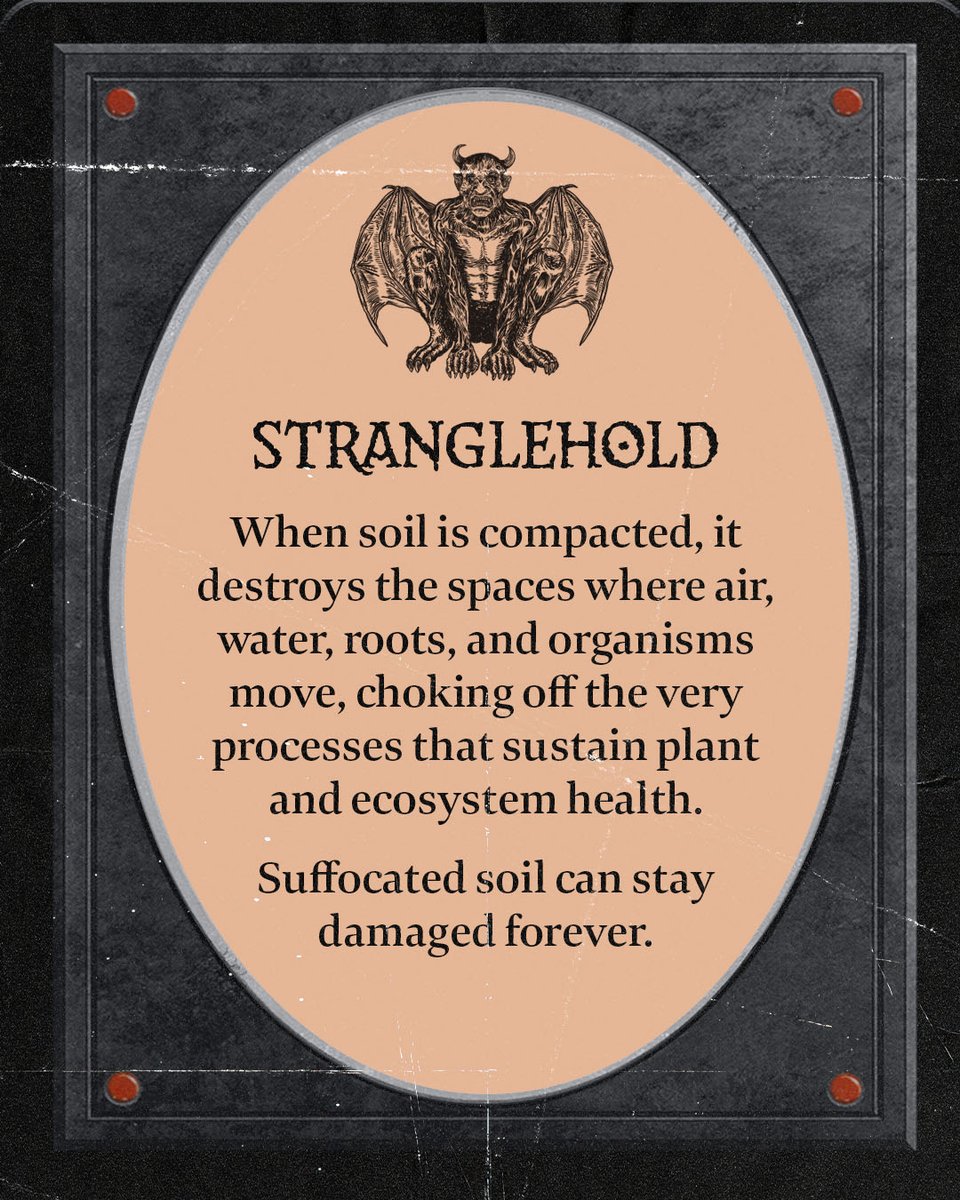
We’ve all heard of the nightmare creature who sits on the chests of suffocating dreamers, feeding on their life force. Well, landscapes are no different, but the devil on its chest is made of hard, heavy pavement. 👿
Sericea lespedeza is a is one of the most damaging invasive species in grasslands and prairies! This space invader spreads so quickly that it reduces the food and habitat available for wildlife and makes it nearly impossible for native plants to come back.
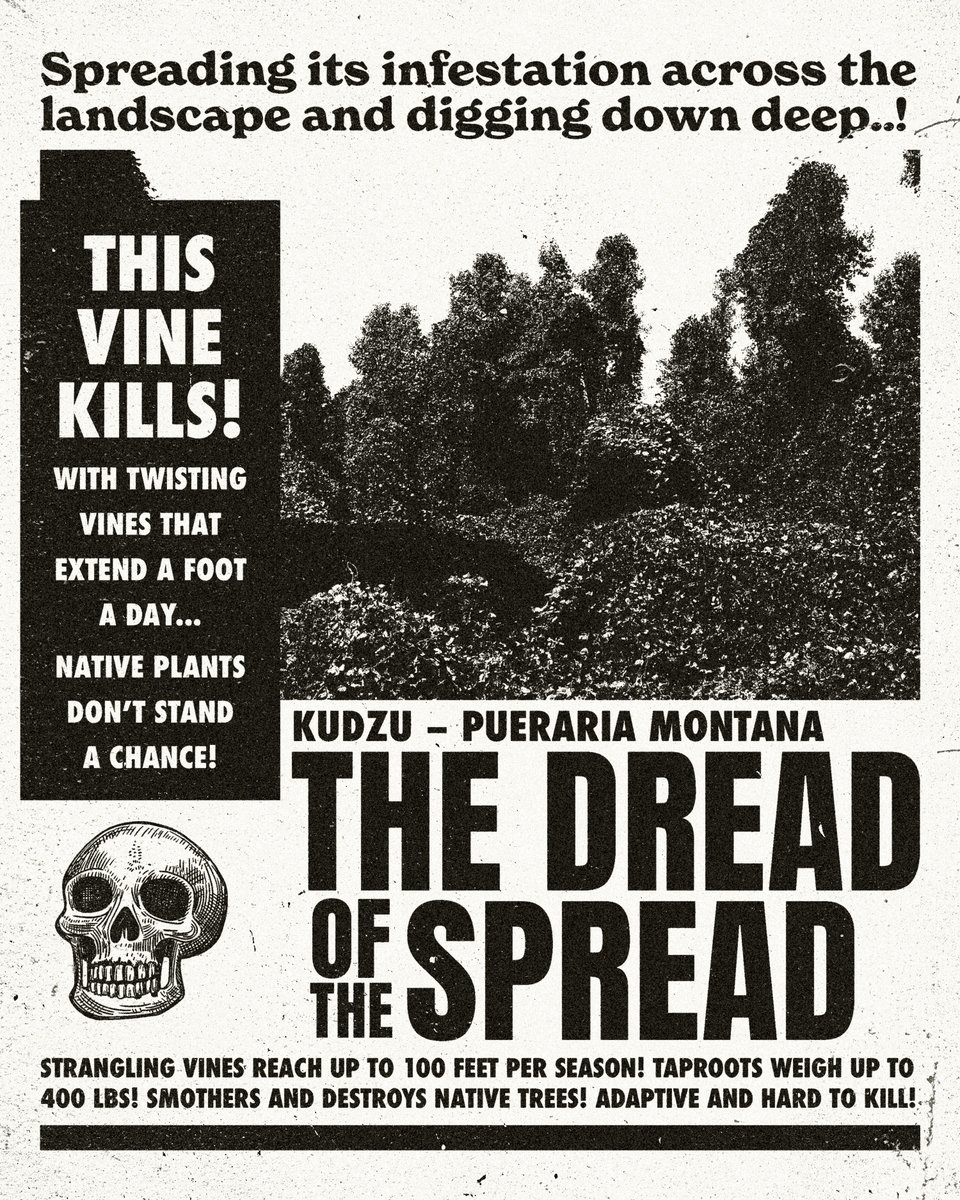
Kudzu is called “the vine that ate the South.” This killer vine grows up to a foot a day and climbs over anything in its path. It forms thick, leafy blankets that block sunlight from the plants and trees. Without sunlight, those plants can’t make food and eventually die. 💀