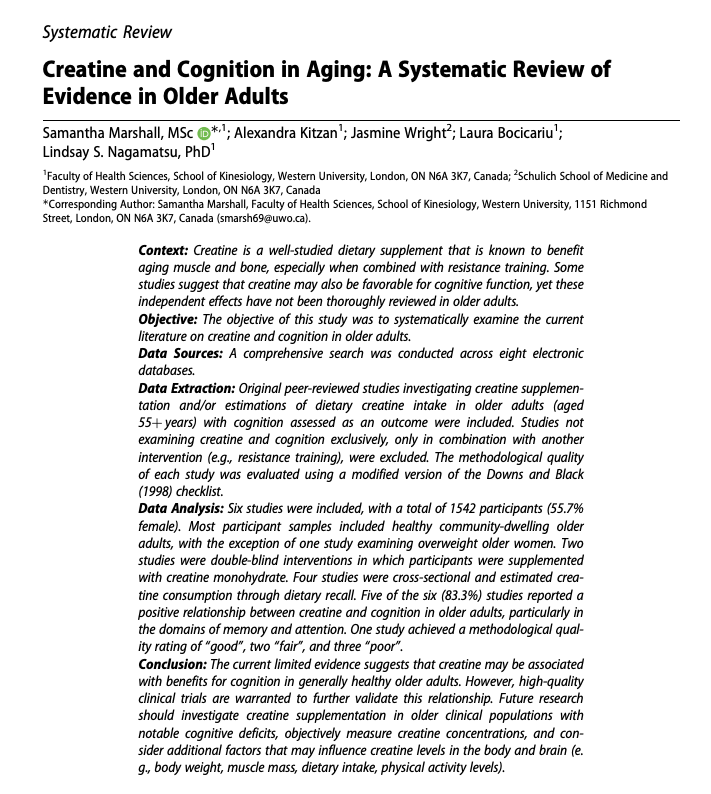
Creatine may support specific aspects of cognition in older adults.
Multiple studies indicate clear cognitive benefits from creatine supplementation or higher dietary intake (at least 1 gram/day). Specifically, improvements emerge in domains such as attention, inhibitory control, short-term memory, and visuospatial processing.
It didn't appear to help in global cognitive screens like the MMSE.
However, none of these studies measured brain creatine directly, and shifting brain stores likely requires higher and/or longer dosing to nudge levels ~3–10%.
Who might benefit most? Older adults, vegetarians/vegans, and those in "metabolically stressed" states like sleep deprivation, illness, or a high training load.
Creatine isn’t a typical nootropic. However, if your goal is long-term cognitive resilience or enhancing brain function during periods of high stress, strategically increasing your intake (around 5–10 grams daily, or short-term periods up to ~20 grams) could offer significant cognitive protection and performance benefits.
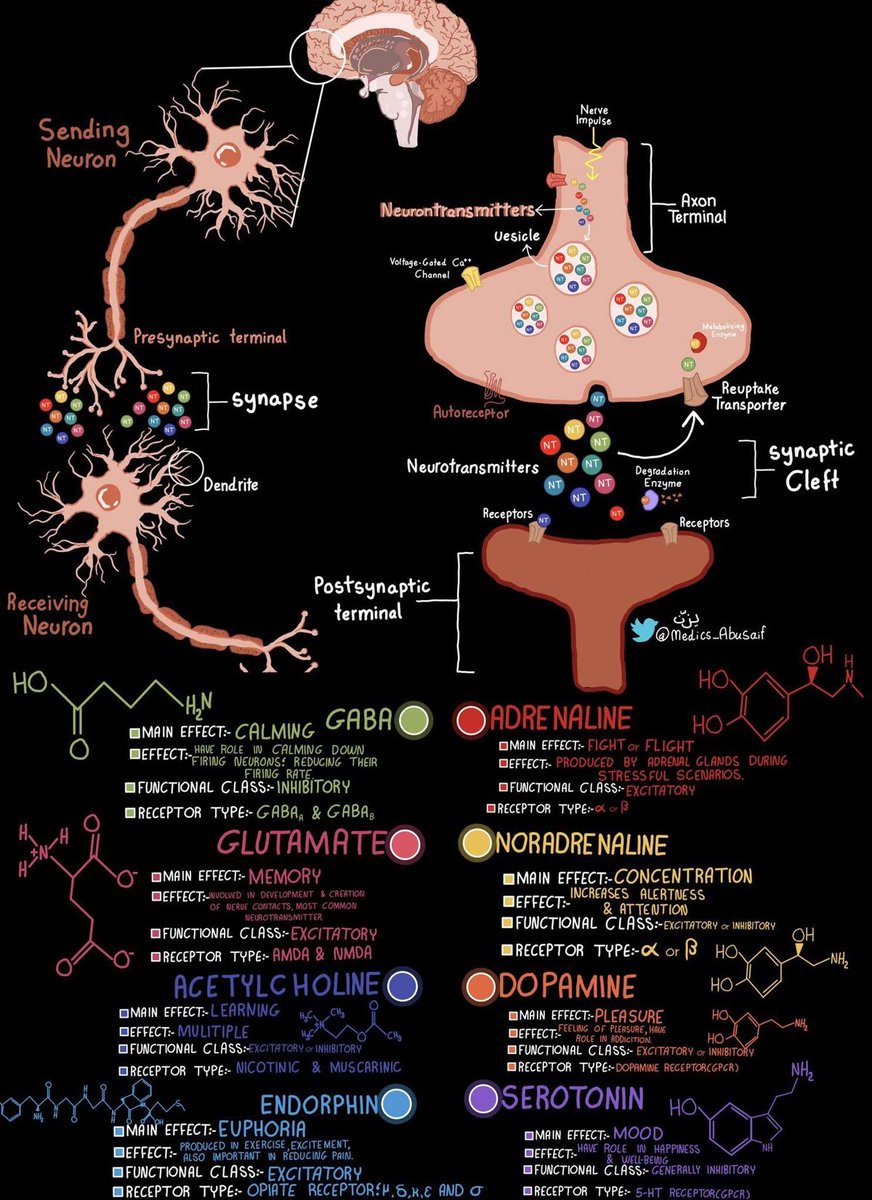
This is how neurons talk. And once you understand this, a lot of human behavior suddenly makes more sense.
GABA
Your brain’s main calming signal. Helps keep neurons from firing out of control. The reason relaxation is even possible.
Glutamate
The primary excitatory signal. Essential for learning, memory, and plasticity. Too little and you can’t think; too much becomes toxic.
Acetylcholine
Attention, learning, and muscle activation. This is the neurotransmitter that connects your brain to every voluntary movement your body makes.
Dopamine
Motivation, drive, reinforcement. It’s less about “pleasure” and more about assigning value to actions and outcomes.
Serotonin
Mood stability, appetite, sleep, emotional regulation. It’s involved in far more than most people realize.
Noradrenaline
Focus and alertness. Helps your brain tune out noise and lock onto what matters.
Adrenaline
The full-body alarm system—heart rate up, energy mobilized, senses sharpened. Classic fight-or-flight chemistry.
Endorphins
Your own built-in painkillers. Euphoria, relief, the “runner’s high.”
All of these are being released, absorbed, broken down, or recycled in fractions of a second—constantly.
When the balance shifts (because of sleep, stress, diet, trauma, exercise, or even a single thought), your internal experience shifts with it.
Understanding this tiny space between neurons is as close as you can get to understanding why you feel the way you feel.
Having higher levels of C-reactive protein in your blood may increase your risk of dying prematurely by 42 percent. Those with the highest levels of interleukin-6 (IL-6), another marker of inflammation, may increase premature death risk by 49 percent. https://t.co/wZnK8hOgQy
Magnesium plays an important role in blood pressure regulation, as demonstrated by its influence on endothelial function, calcium efflux, and oxidative stress. Magnesium deficiency can contribute to endothelial dysfunction, increased oxidative stress, and vascular remodeling, all of which exacerbate hypertension and cardiovascular disease risk. Supplementation with magnesium has been shown to induce vasodilation, decrease vascular tone, and improve blood pressure outcomes. A recent umbrella meta-analyses (PMID: 39280209) found that magnesium doses ≥400 mg/day, administered for a duration of ≥12 weeks, can significantly reduce both systolic and diastolic blood pressure (SBP: -6.38 mmHg; DBP: -3.71 mmHg) - mostly in people with previous metabolic disorder (and also likely to have inadequate magnesium status before supplementing).
Mechanistically, magnesium influences nitric oxide production, prostaglandin synthesis, and calcium channel function, which collectively promote vasodilation and attenuate blood pressure increases.
In practice, ensuring sufficient magnesium intake may offer long-term cardiovascular benefits, especially when integrated into a broader strategy (as magnesium alone is not strong enough to function as a “monotherapy” for treating hypertension) targeting endothelial health, oxidative stress reduction, and vascular integrity
In my opinion, avoiding large meals within 3 hours of bed time is one of the simplest and most effective ways to improve sleep quality.
It's something I do most days of the week, but I'm not always perfect.
Many people I talk to share a similar experience. And the science backs it up.
Regardless of whether or not we eat meat, our ability to absorb vitamin B12 may decline as we age. For those 65 and older, a daily dose of 1,000 mcg of cyanocobalamin is recommended. https://t.co/K77mwMKms0
Creatine - therapeutic applications beyond athletic performance
Creatine, a well-established ergogenic aid in sports, is now being investigated for its potential therapeutic applications in various medical domains, including neuropsychiatric disorders, heart failure, etc.
Current and “forward-looking” insights:
🧠 Mental health - recent evidence suggests that creatine supplementation may exert antidepressant effects by enhancing brain energy metabolism and modulating neurotransmitter systems. Some studies suggest it may (*key word) have potential as an adjunctive treatment for major depressive disorder, particularly in cases resistant to a single therapy.
🧠🩸Stroke Management - in preclinical models, creatine has demonstrated neuroprotective properties, including the reduction of infarct size and the preservation of mitochondrial function during ischemic events (i.e., an event in which an organ or body part is not getting enough blood/oxygen). preclinical findings to date suggest that creatine could be used to mitigate occurrence and damage of ischemic events, by stabilizing ATP levels and lowering oxidative damage.
🫀Heart Failure - heart failure is characterized by a mismatch between ATP supply and demand in cells of the heart. Creatine's role in the Cr/PCr/ATP shuttle offers a targeted approach to restoring cellular energetics in failing cells. Although clinical studies present mixed results, the mechanistic rationale supports further investigation into creatine as a complementary therapy in heart failure management.
As the body of evidence grows, creatine's transition from a sports supplement to a therapeutic agent in clinical practice appears increasingly plausible.
Plant-based diets, which are low in cholesterol and saturated fat, may contribute to improved performance, quicker recovery, and long-term health by lowering risk of chronic diseases, including heart disease. https://t.co/iNyFaFjEmD
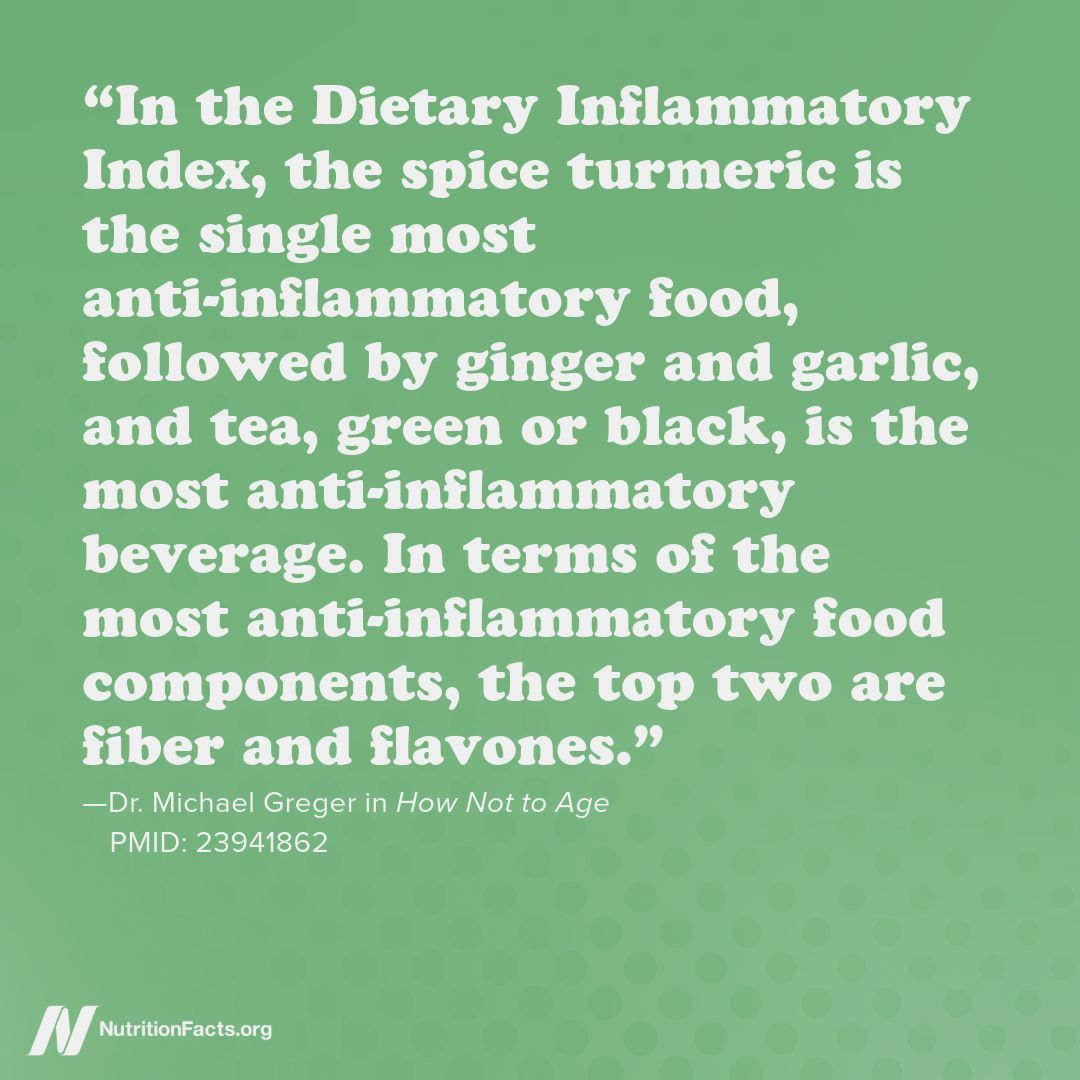
Inflammation is behind nearly every chronic disease— From stubborn belly fat to heart attacks.
But no one talks about how to actually fix it.
Here are 10 underrated anti-inflammatory cheat codes your doctor won't mention: 🧵