Items like face masks designed to keep us safe in the pandemic are causing significant damage to wildlife. We need to seek more responsible ways to dispose these items to keep the environment and other life within it safe.
#ThrowayNG#TrashWellLiveBetter
This goes both ways; every little effort we put into making the environment safe counts. Same as every activity we do in our environment that wears it out.
#ThrowNG#TrashWellLiveBetter#MondayMotivation
The fishes that are caught are not always used for direct food by man. Some are used to make fishmeal to feed fish grown in captivity. Other uses include; canning, fish oil, and fish paste to simulate crab.
#ThrowayNG#OceanAndEarth#TrashWellLiveBetter
Broken concrete that is carefully laid creates a stable, porous traffic surface that rainwater can filter through. This technique reduces the amount of runoff water that must be managed by storm sewer systems and helps to replenish groundwater.
#ThrowayNG#TrashWellLiveBetter
The ocean plays a major role in surfing as a sporting and recreational activity, and this contributes to the tourism strategies of many coastal locations.
#ThrowayNG#OceanAndEarth#TrashWellLiveBetter
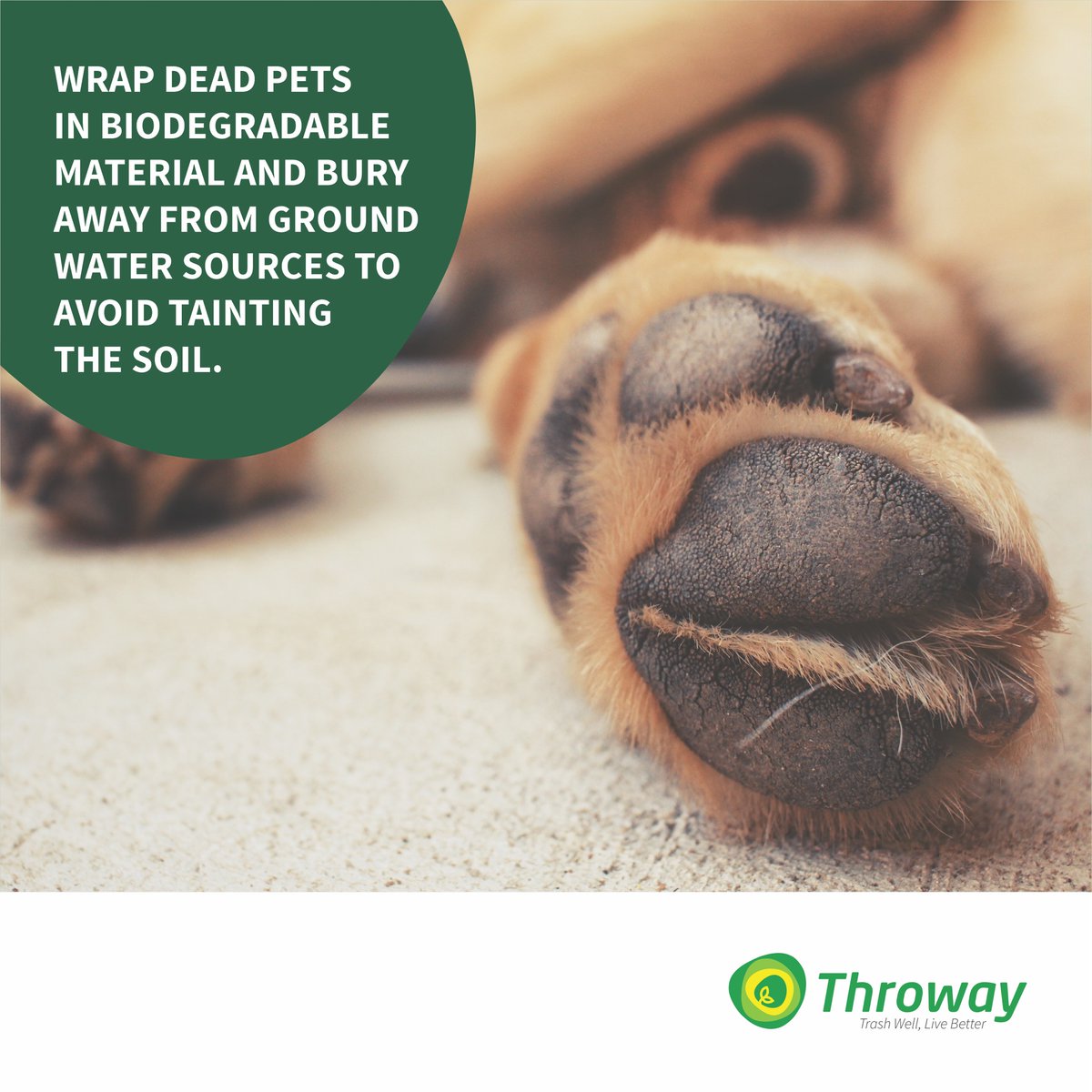
Do not burn dead animals or throw them in the trash/roadside. It is healthier and more environmentally friendly to bury them away from groundwater sources.
#ThrowayNG#TrashWellLiveBetter
The environment is suffering from a new kind of pollution - Face Masks. Millions of face masks are being used daily and they are ending up in the seas and endangering marine life. Dispose used face masks responsibly!
#ThrowayNG#TrashWellLiveBetter
Heavy metal contamination in the environment include burning of fossil fuels which release nickel, vanadium, mercury, selenium and tin; automobile exhaust which releases lead, smelting which releases arsenic, copper and zinc and insecticides which release arsenic.
#ThrowayNG
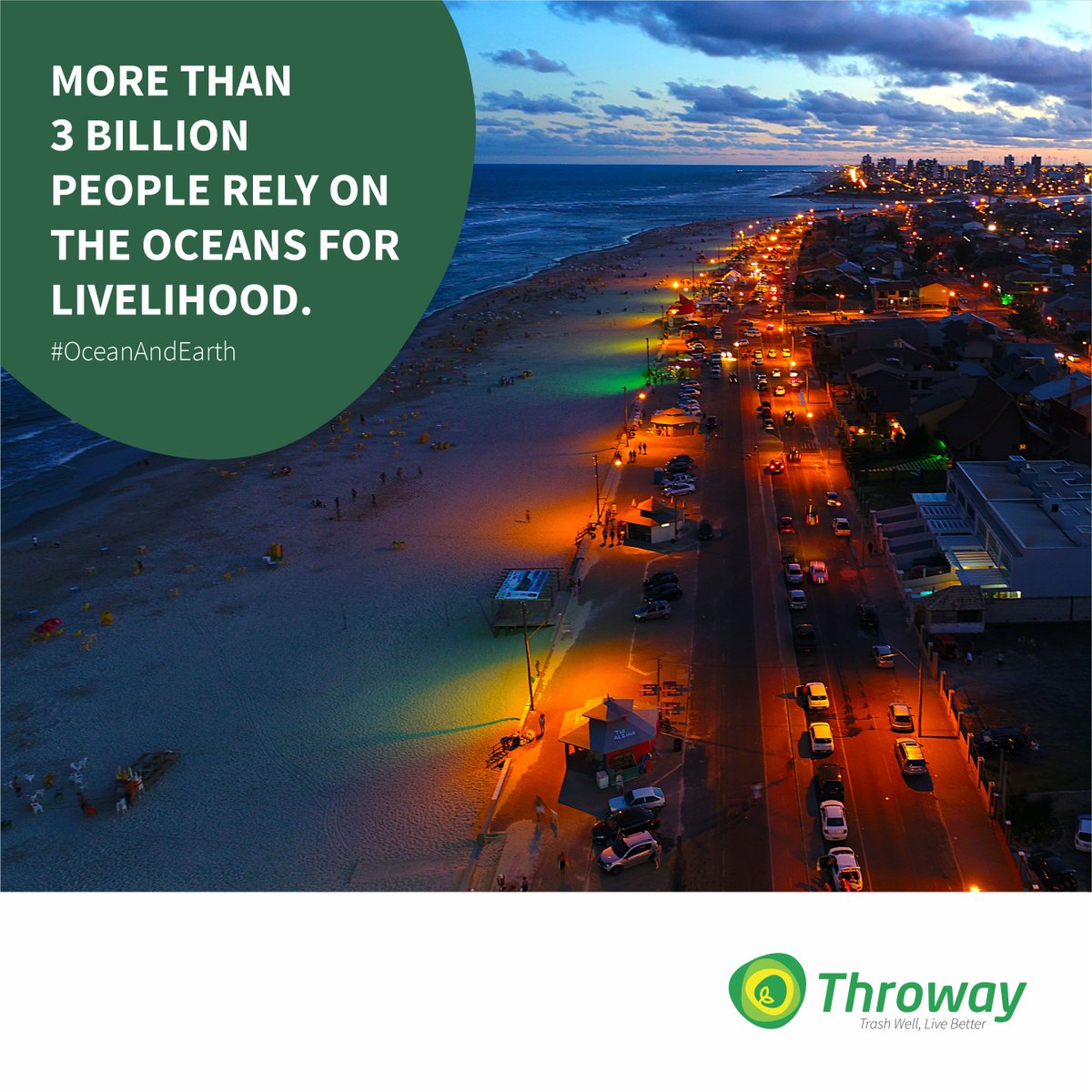
The ocean serves as the world’s largest source of protein, with more than 3 billion people relying on it for survival. It provides seafood and ingredients for foods such as peanut butter and soymilk.
#ThrowayNG
#OceanAndEarth#TrashWellLiveBetter
Cigarette butts when littered in the environment release toxic chemicals such as lead, and can contaminate water. The toxic exposure can poison fishes as well as animals who eat these cigarette remains.
#ThrowayNG#TrashWellLiveBetter
Ocean-based industries, such as shipping, fishing, offshore wind, marine and tourism, are providers of employment, and the vast majority of these are in developing countries.
#ThrowayNG#TrashWellLiveBetter
The first solution to littering is to develop a consciousness to always properly dispose of your garbage. Keep your garbage in your vehicle or bag until you find a trash can.
#ThrowayNg#TrashWellLiveBetter
Reduce your waste footprint, create something new out of your old perfume and body oil bottles. Wash and dry old bottles — then use as a vase for flowers.
#ThrowayNG#TrashWellLiveBetter
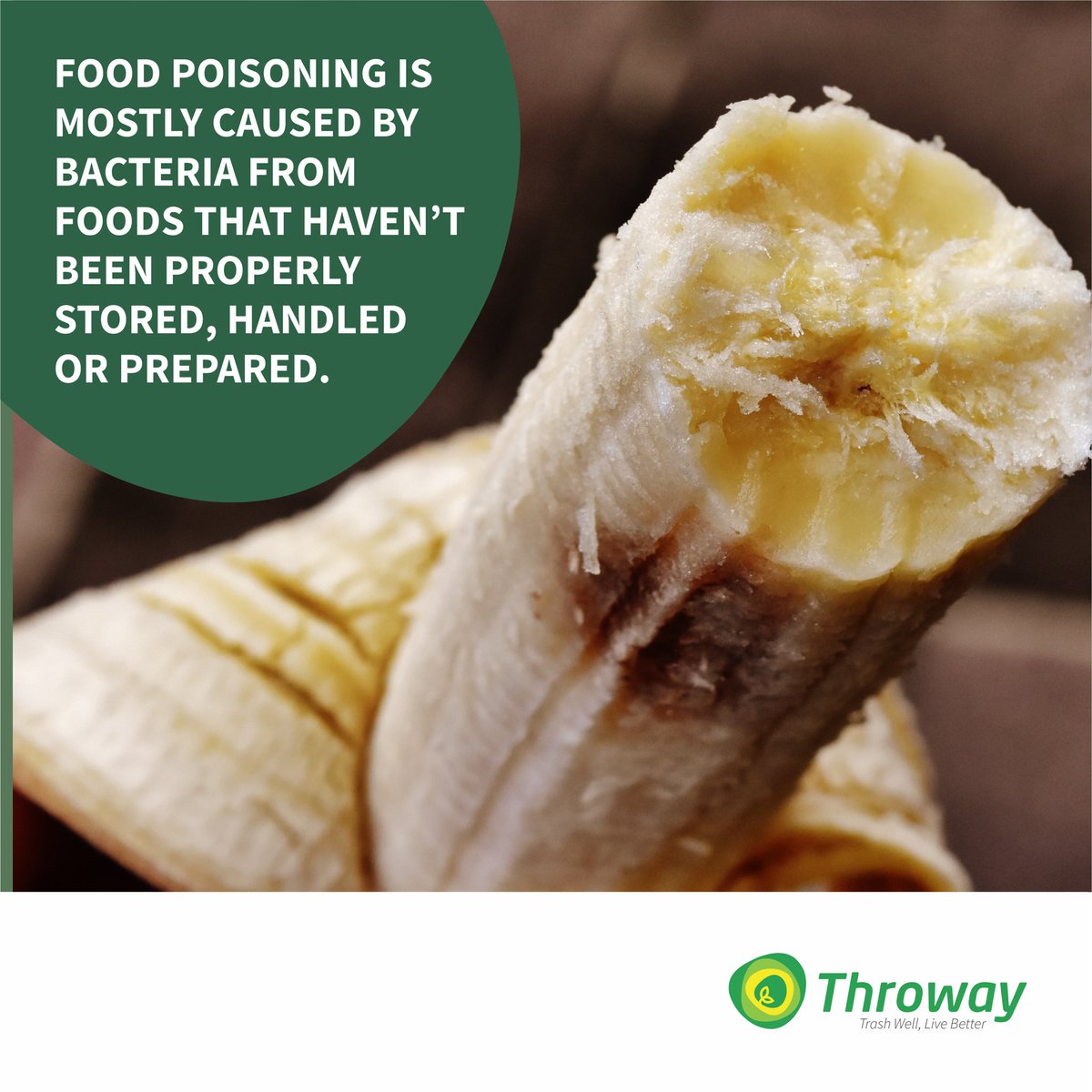
If food is not stored properly, the bacteria in it can multiply. Make sure that it is thoroughly cooked in order to destroy any harmful bacteria that might be present.
#ThrowayNG#TrashWellLiveBetter