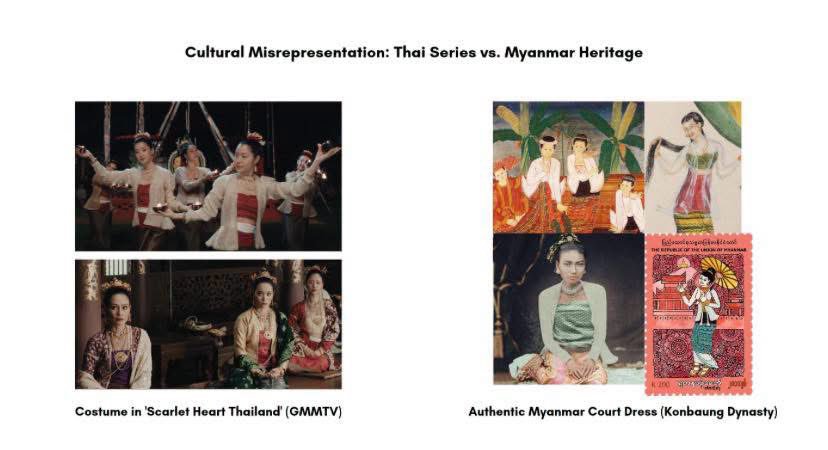
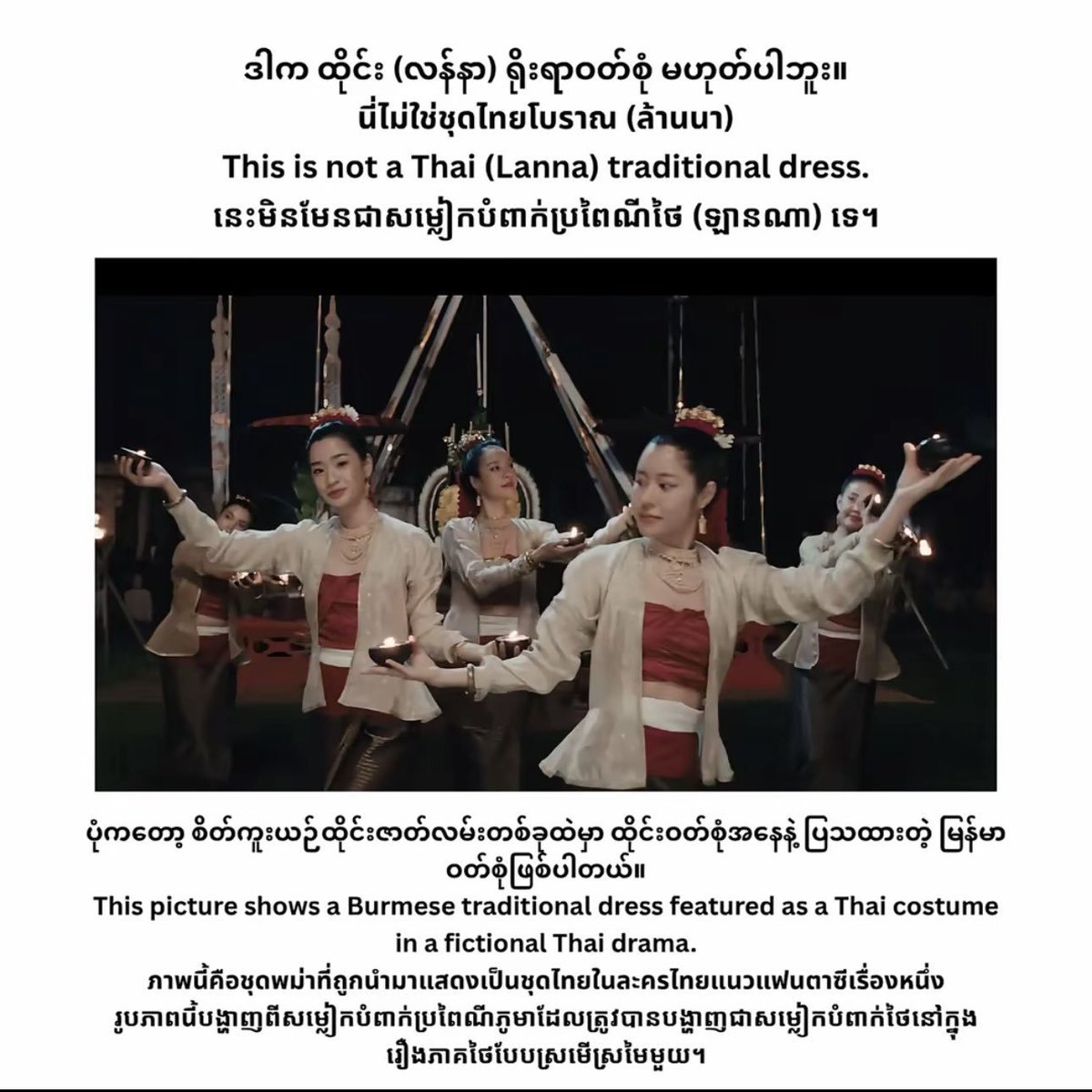
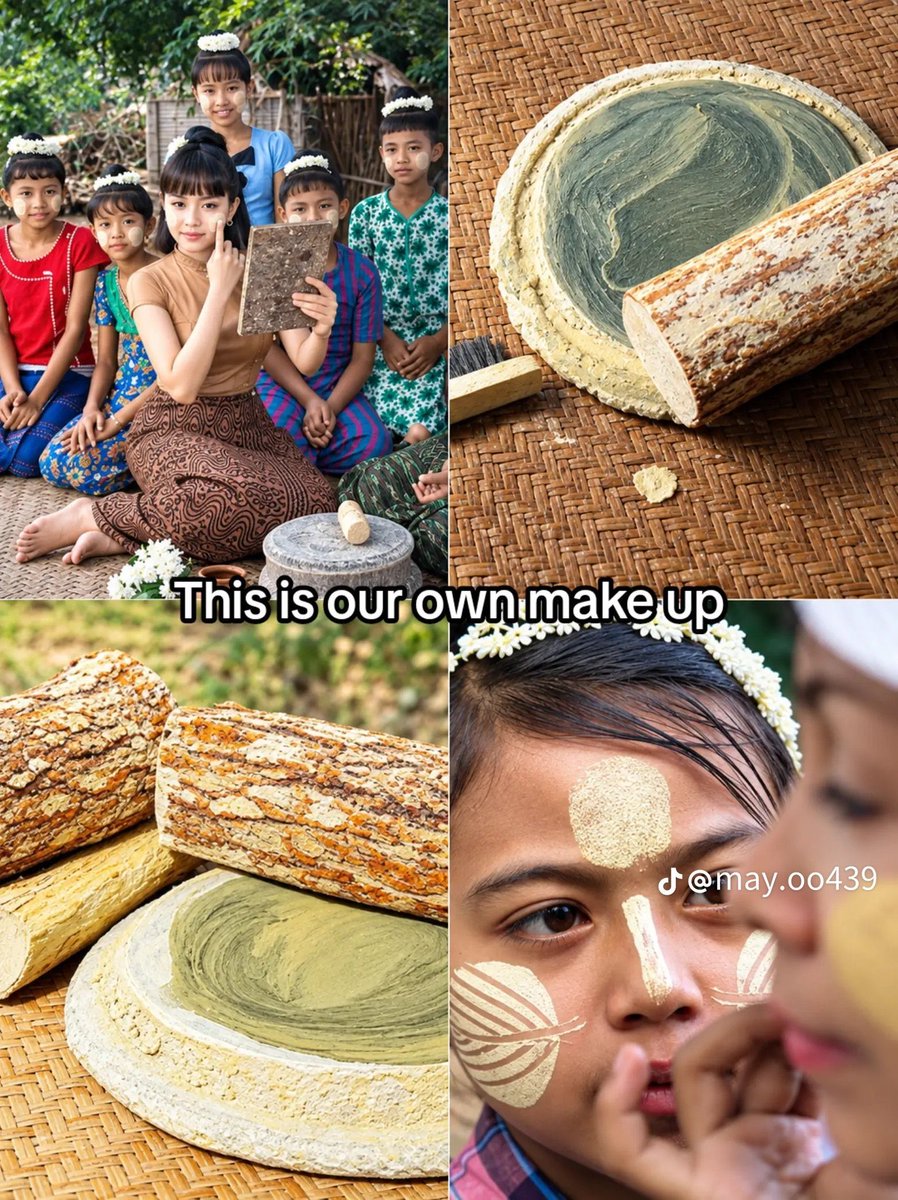
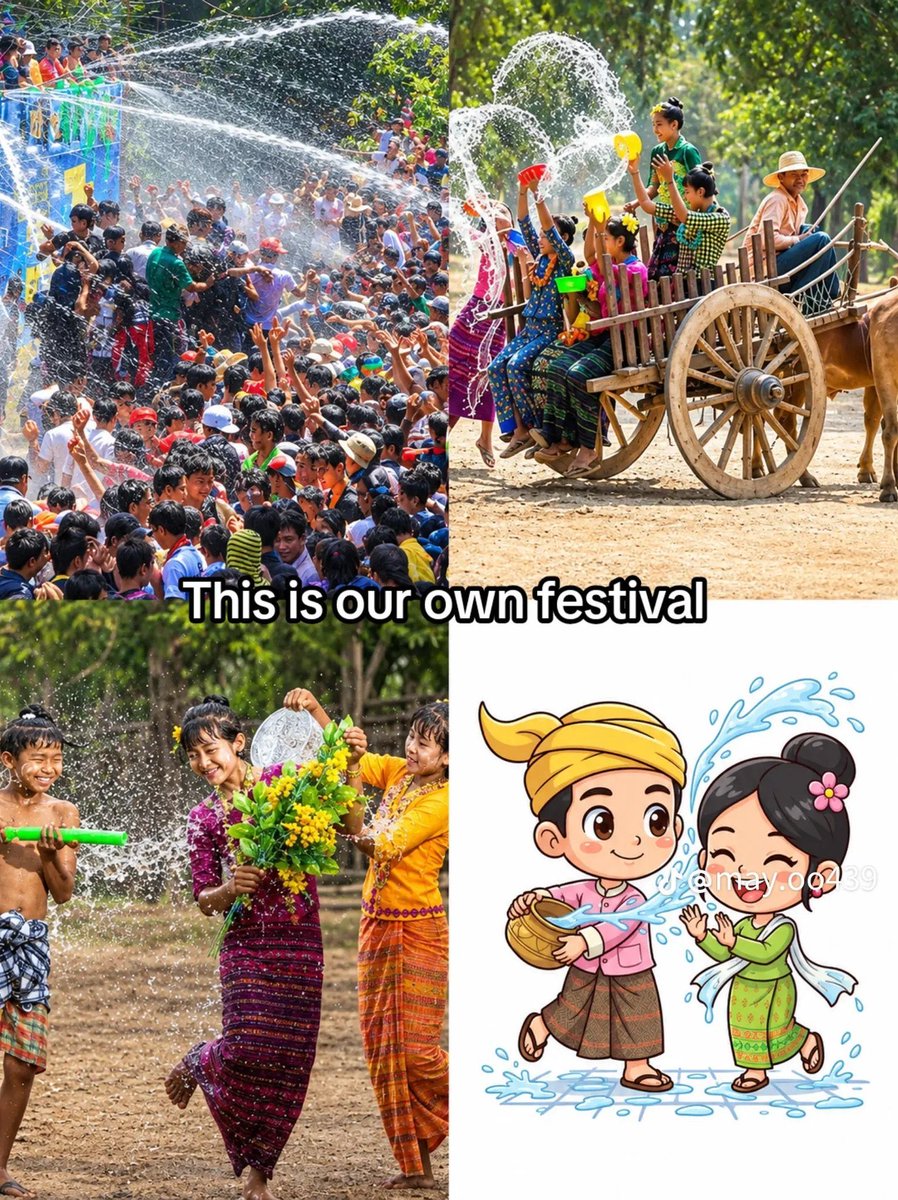
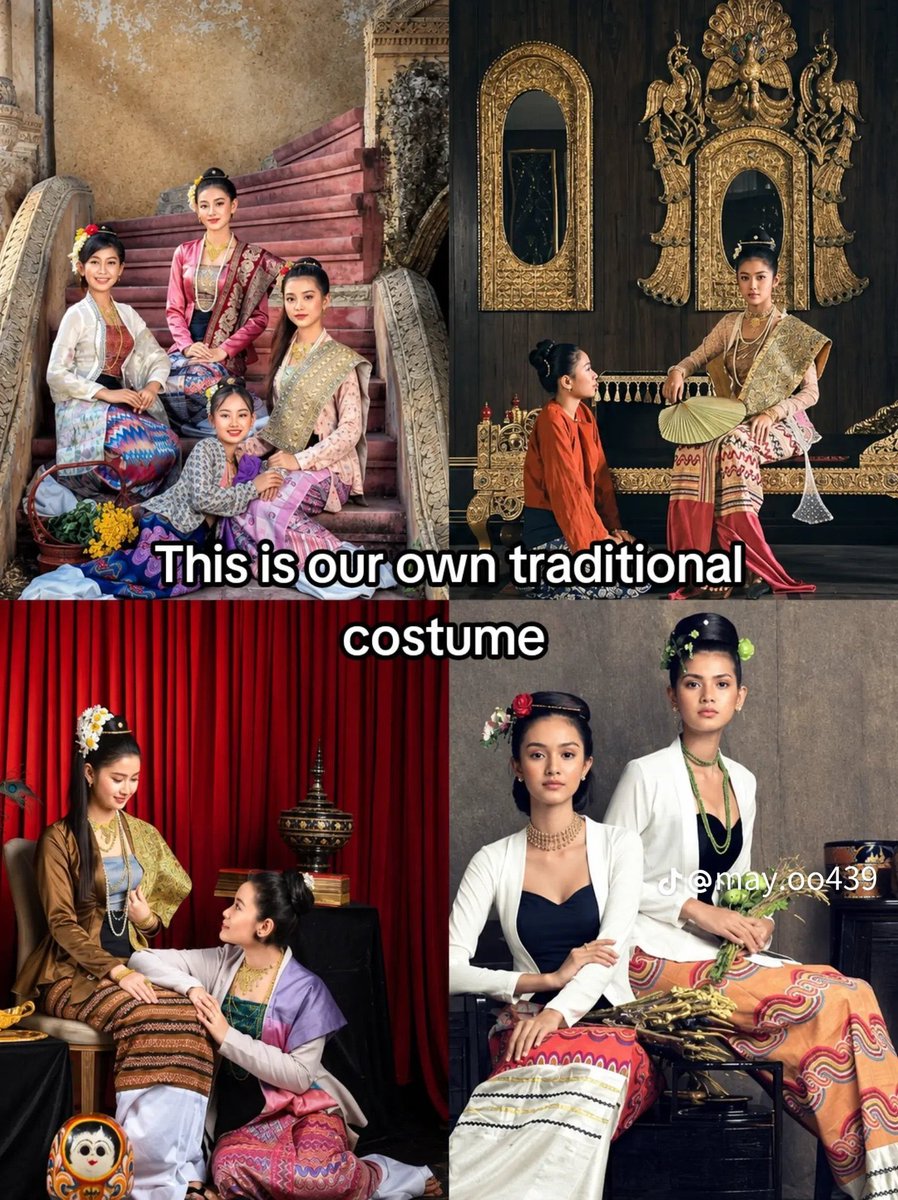
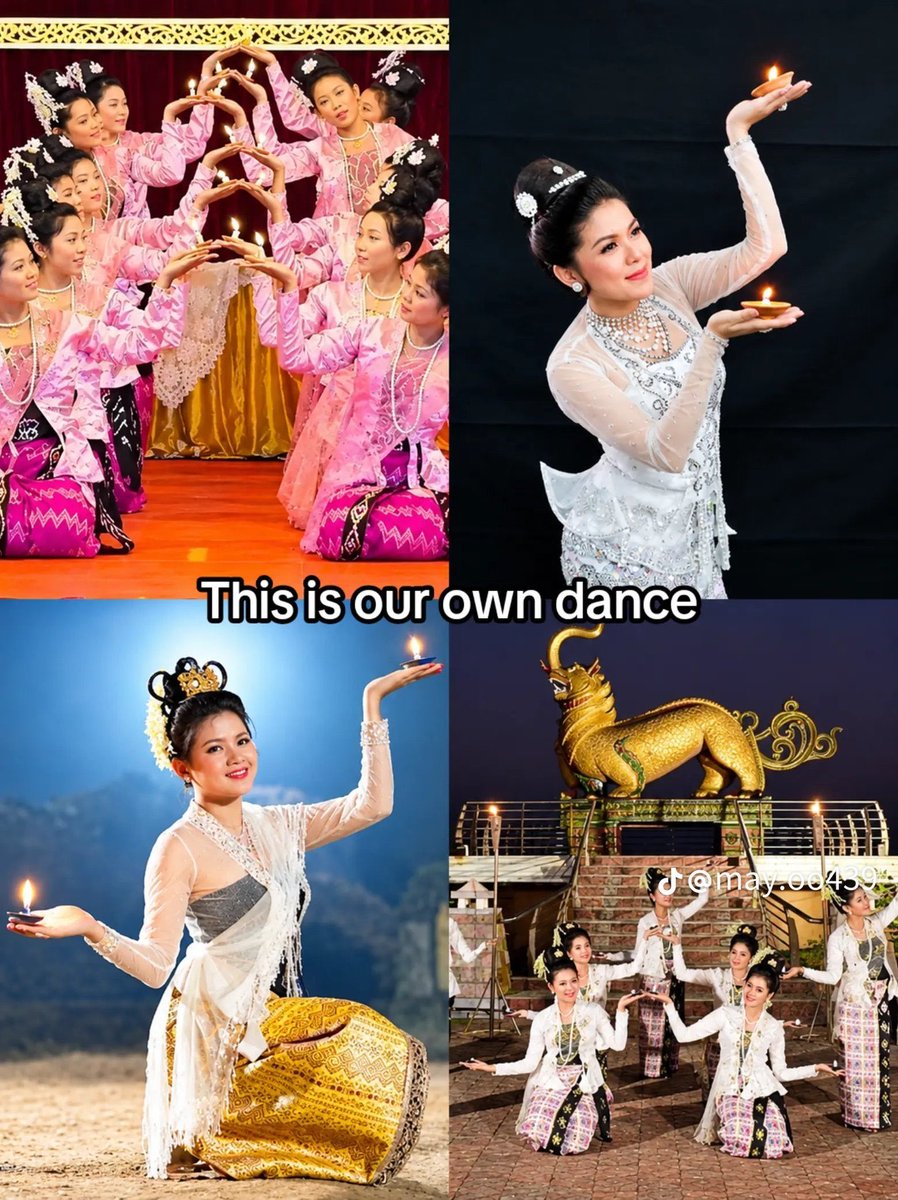
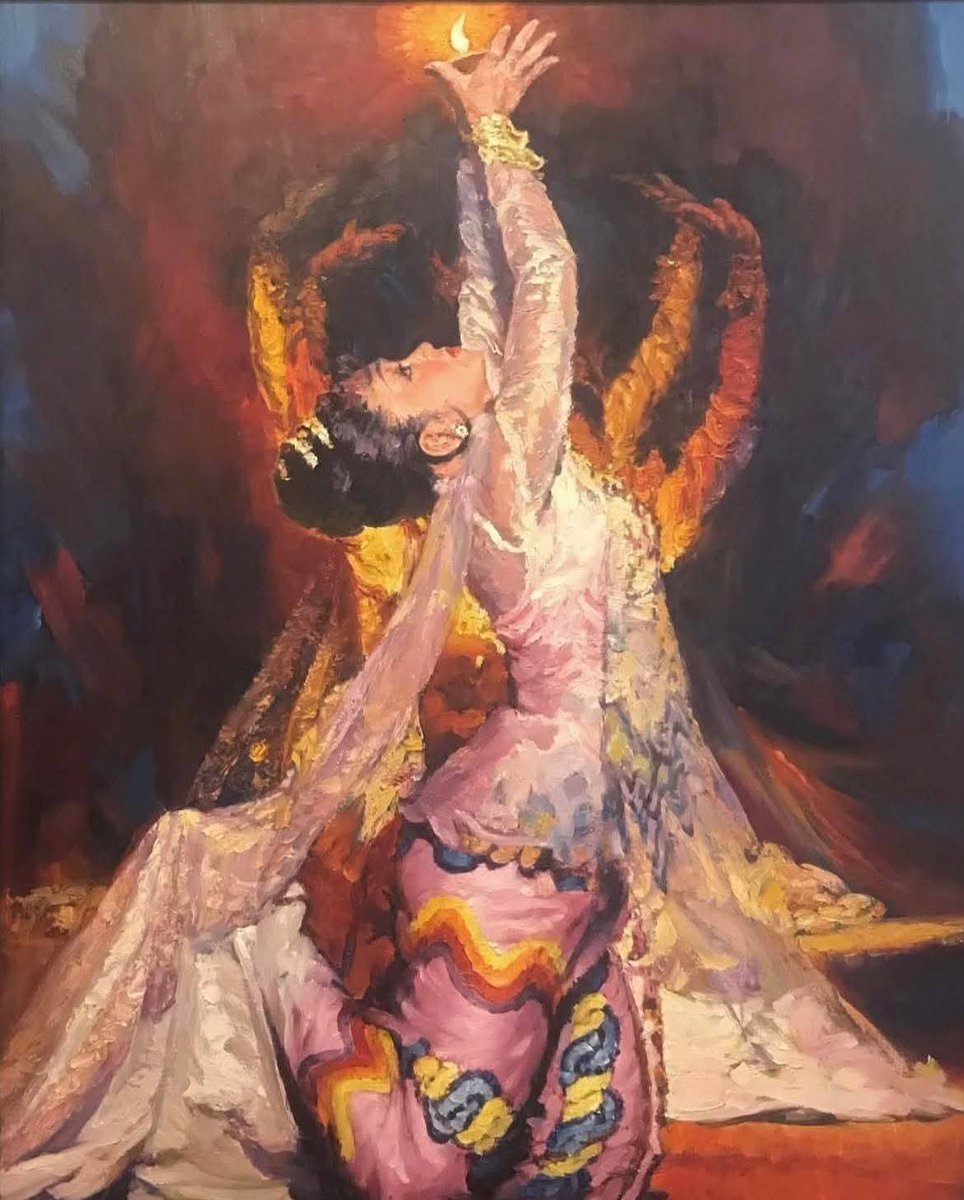
GMMTV, Myanmar people are raising these concerns because cultural heritage is deeply meaningful to us. Would you be willing to listen to our feedback and provide an official clarification? @GMMTV@ScarletHeartTH
RESPECT MYANMAR
GMMTV ACCOUNTABILITY
#RespectMyanmarCulture
#CreditOurHeritage
#ScarletHeartTH
𝐇𝐭𝐚𝐢𝐧𝐠𝐦𝐚𝐭𝐡𝐞𝐢𝐧 (ထိုင်မသိမ်း) is not simply a name for a traditional Burmese outfit. It refers to a specific garment with its own history, construction, and cultural significance.
Myanmar's traditional clothing evolved across different dynasties, and the styles worn during the early Konbaung period, Amarapura era, and later Yadanabon period were not necessarily the same. Even the cut of a garment, its fastening, its decorative details, and the way it was worn could reflect a particular period and social rank.
Htaingmathein is traditionally understood as a woman's upper garment, worn with a byan htamein (ဗြန့်ထဘီ), rather than a term for the entire ensemble. These distinctions may seem minor to some, but when the terminology is repeatedly used incorrectly, an important part of cultural knowledge can gradually be lost.
This is precisely why historical research matters in period dramas. Traditional clothing is not merely an aesthetic choice; it carries information about the people, period, and culture it represents.
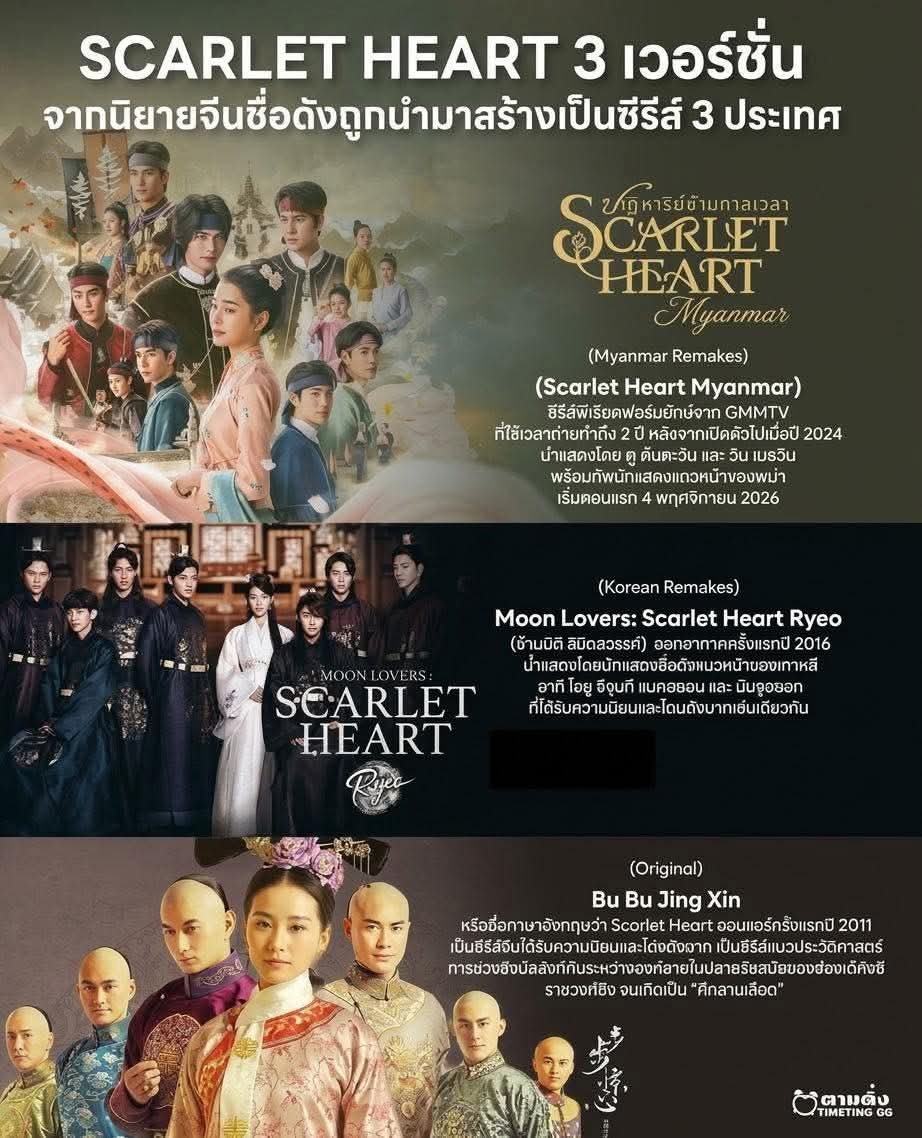
When costumes in #ScarletHeartThailand appear to draw on Myanmar court attire, it raises a legitimate question: were the garments researched according to their historical origins, construction, and period, or were different styles combined simply because they looked suitable for a historical setting?
Lanna and Myanmar share a long and complex history, but historical connections do not make their respective clothing traditions interchangeable. Similarities should be examined in context, and identifiable cultural influences deserve accurate recognition.
Historical fiction allows creative freedom, but creative freedom does not make historical research optional. When a production invests years in developing a period drama, understanding the origins of the clothing used to build its world should be part of that preparation. Otherwise, what is presented as historical atmosphere risks becoming a mixture of cultural references without sufficient historical grounding.
𝙊𝙪𝙧 𝙩𝙧𝙖𝙙𝙞𝙩𝙞𝙤𝙣𝙖𝙡 𝙜𝙖𝙧𝙢𝙚𝙣𝙩𝙨 𝙝𝙖𝙫𝙚 𝙣𝙖𝙢𝙚𝙨, 𝙝𝙞𝙨𝙩𝙤𝙧𝙞𝙚𝙨, 𝙖𝙣𝙙 𝙢𝙚𝙖𝙣𝙞𝙣𝙜𝙨. They deserve more than to be treated as interchangeable costumes.
We sincerely hope @GMMTV and the @ScarletHeartTH production team will provide appropriate acknowledgment of Myanmar's cultural heritage wherever it has been incorporated into the series. If these elements are retained, I hope their origins will be clearly credited in the episodes or accompanying production materials.
#ScarletHeartTH
#BurmeseHtaingmathein
🚨 Usage of Burmese Attire in SHTH series
We would like to ask why the team would use the Burmese royal attire ‘htaingmathein’ from Yadanarbon era, 19th century, instead of using Lanna traditional clothing from 15th century?
#ScarletHeartTH@ScarletHeartTH#GMMTV@GMMTV
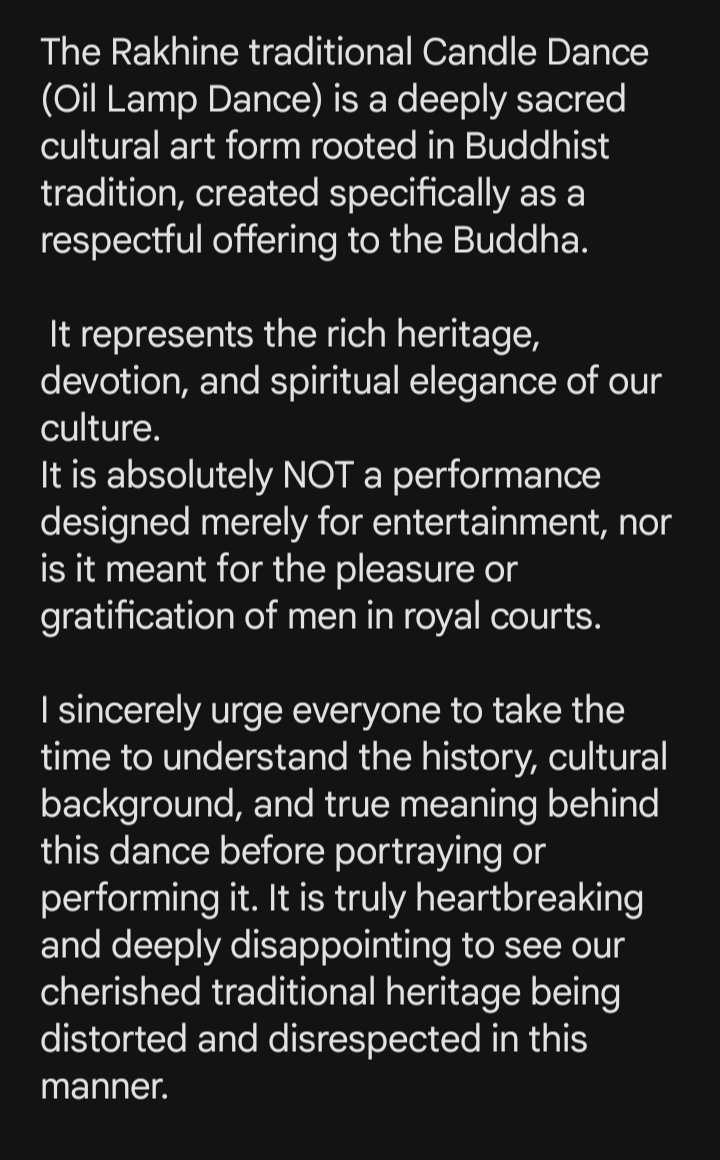
@XuexueW33441 I'm shocked that they would do this,Thailand is also a Buddhist country. Isn't the Lanna candle dance also performed as an offering to the Buddha? It seems that GMMTV doesn't even respect its own cultural heritage.
GMMTV ACCOUNTABILITY
#RespectMyanmarCulture#CreditOurHeritage
Even your own citizens agree this is not Thai traditional attire. Please clarify and provide the official approval letter
@GMMTV
GMMTV Accountability
#RespectMyanmarCulture#CreditOurHeritage
“ဇာတ်ကားလည်းပြီးသွားမယ်၊ ငါတို့မြန်မာ့ရိုးရာဝတ်စုံ အမွေအနှစ်ကြီးလည်း တဖြည်းဖြည်း ပျောက်ကွယ်သွားမယ်” ဆိုတာမျိုး မဖြစ်စေချင်ရင် ကိုယ့်ရဲ့ယဉ်ကျေးမှု၊ ကိုယ့်ရဲ့အမွေအနှစ်ဆိုတာကို လူတိုင်းသိအောင် ပြောပြဖို့၊ အသိအမှတ်ပြုခံရအောင် တင်ပြဖို့ လိုကိုလိုပါတယ်။
ကိုယ့်အမွေအနှစ်ကို ကိုယ်တိုင်တန်ဖိုးထားပြီး ကာကွယ်မပြောဆိုရင် ဘယ်သူက လာပြီး ကာကွယ်ပေးမှာလဲ။
မြန်မာ့ရိုးရာဝတ်စုံဆိုတာ အဝတ်အစားတစ်ခုတည်း မဟုတ်ပါဘူး။ ငါတို့ရဲ့သမိုင်း၊ ယဉ်ကျေးမှုနဲ့ အမျိုးသားအမှတ်အသားတစ်ခုပါ။
ကိုယ့်အမွေအနှစ်ကို ကိုယ်တိုင်သိအောင်လုပ်ကြပါ။ ကိုယ့်ယဉ်ကျေးမှုကို ကိုယ်တိုင်ကာကွယ်ကြပါ။ ကိုယ့်မြန်မာတို့ရေ 🇲🇲❤️
“Let’s not allow our drama to end while our precious Myanmar traditional heritage slowly fades away or loses its identity.”
If we don’t want this to happen, we must speak up, raise awareness, and make sure the world recognizes our cultural heritage and where it comes from.
Our traditional attire is more than just clothing. It represents our history, our culture, our identity, and the legacy passed down through generations.
If we don’t stand up for our own heritage, who will?
Dear Myanmar people, let’s take pride in our culture, protect our heritage, and make our cultural identity known to the world. Our heritage deserves to be recognized, respected, and preserved. 🇲🇲❤️
We Demand Action from GMMTV
#RespectMyanmarCulture
#ScarletHeartTH
မြန်မာဘာသာ
ဤဇာတ်လမ်းတွဲကို ထိုင်းနိုင်ငံတွင် ရိုက်ကူးထားသော်လည်း ဇာတ်လမ်းတွဲအတွင်း ဝတ်ဆင်ထားသော ဝတ်စုံများနှင့် အသုံးပြုထားသော ရိုးရာဓလေ့များတွင် မြန်မာနိုင်ငံ၏ နောက်ဆုံးမင်းဆက်ကာလဖြစ်သော ရတနာပုံခေတ် (၁၈၅၉–၁၈၈၅ ခုနှစ်) ၏ နန်းတွင်းဝတ်စားဆင်ယင်မှုများ၊ မြန်မာ့ရိုးရာဝတ်စုံများနှင့် မြန်မာ့ရိုးရာဓလေ့များ ပါဝင်နေပါသည်။ သို့သော် ဇာတ်လမ်းတွဲကို ထုတ်လုပ်သူများနှင့် ထုတ်လွှင့်သူများသည် ဤမူရင်းယဉ်ကျေးမှုအပေါ် ယနေ့အချိန်အထိ သင့်လျော်သော လေးစားမှုကို မပြသသေးသည့်အပြင် ဤကိစ္စကိုလည်း သင့်တော်စွာ တုံ့ပြန်ဖြေရှင်းခြင်း မရှိသေးပါ။
English
Although this series was filmed in Thailand, the costumes and traditional customs featured in it include royal court attire from the Yadanabon Period (1859–1885), the final period of Myanmar’s monarchy, as well as traditional Myanmar clothing and customs. However, the series’ producers and broadcasters have still not shown proper respect for this original cultural heritage, nor have they adequately addressed or resolved this issue to this day.
中文(简体)
虽然这部电视剧是在泰国拍摄的,但剧中使用的服装和传统习俗包括缅甸君主制最后时期——瑞南波时期(1859—1885年)的宫廷服饰,以及缅甸的传统服装和传统习俗。然而,该剧的制作方和播出方至今仍未对这一原有文化遗产给予应有的尊重,也没有对此事作出适当的回应或妥善解决这一问题。
ภาษาไทย
แม้ว่าซีรีส์เรื่องนี้จะถ่ายทำในประเทศไทย แต่เครื่องแต่งกายและขนบธรรมเนียมประเพณีที่ปรากฏในเรื่องมีทั้งเครื่องแต่งกายในราชสำนักสมัยรัตนะปุระ (ค.ศ. 1859–1885) ซึ่งเป็นช่วงสุดท้ายของระบอบกษัตริย์เมียนมา ตลอดจนเครื่องแต่งกายและประเพณีดั้งเดิมของเมียนมา อย่างไรก็ตาม ผู้ผลิตและผู้เผยแพร่ซีรีส์เรื่องนี้ยังไม่ได้แสดงความเคารพอย่างเหมาะสมต่อมรดกทางวัฒนธรรมดั้งเดิมดังกล่าวจนถึงปัจจุบัน และยังไม่ได้ตอบสนองหรือแก้ไขปัญหานี้อย่างเหมาะสม
日本語
このドラマはタイで撮影されましたが、作中で使用されている衣装や伝統的な風習には、ミャンマーの王政最後期にあたるヤダナボン時代(1859~1885年)の宮廷衣装をはじめ、ミャンマーの伝統衣装や伝統的な風習が含まれています。しかし、このドラマの制作側および配信・放送側は、今日に至るまで、こうした本来の文化遺産に対して十分な敬意を示しておらず、この問題についても適切な対応や解決を行っていません。
한국어
이 드라마는 태국에서 촬영되었지만, 작품에 등장하는 의상과 전통 관습에는 미얀마 왕정의 마지막 시기인 야다나본 시대(1859~1885년)의 궁중 의상뿐만 아니라 미얀마의 전통 의상과 전통 관습도 포함되어 있습니다. 그러나 이 드라마의 제작사와 배급·방송 관계자들은 지금까지 이러한 고유한 문화유산에 대해 마땅한 존중을 보여 주지 않았으며, 이 문제에 대해서도 적절한 대응이나 해결을 하지 않고 있습니다.
Tiếng Việt
Mặc dù bộ phim truyền hình này được quay tại Thái Lan, trang phục và phong tục truyền thống xuất hiện trong phim bao gồm trang phục cung đình thời kỳ Yadanabon (1859–1885), giai đoạn cuối cùng của chế độ quân chủ Myanmar, cùng với trang phục và phong tục truyền thống của Myanmar. Tuy nhiên, cho đến nay, các nhà sản xuất và đơn vị phát hành, phát sóng bộ phim vẫn chưa thể hiện sự tôn trọng đúng mức đối với di sản văn hóa nguyên gốc này, đồng thời cũng chưa có phản hồi hoặc biện pháp giải quyết vấn đề một cách thỏa đáng.
GMMTV ACCOUNTABILITY
#RespectMyanmarCulture
#CreditOurHeritage