Having a great time at the #M4C21 induction - my project is about populism, and how it provides a framework for reinterpreting the last century of the Roman republic
When #pubs close too early
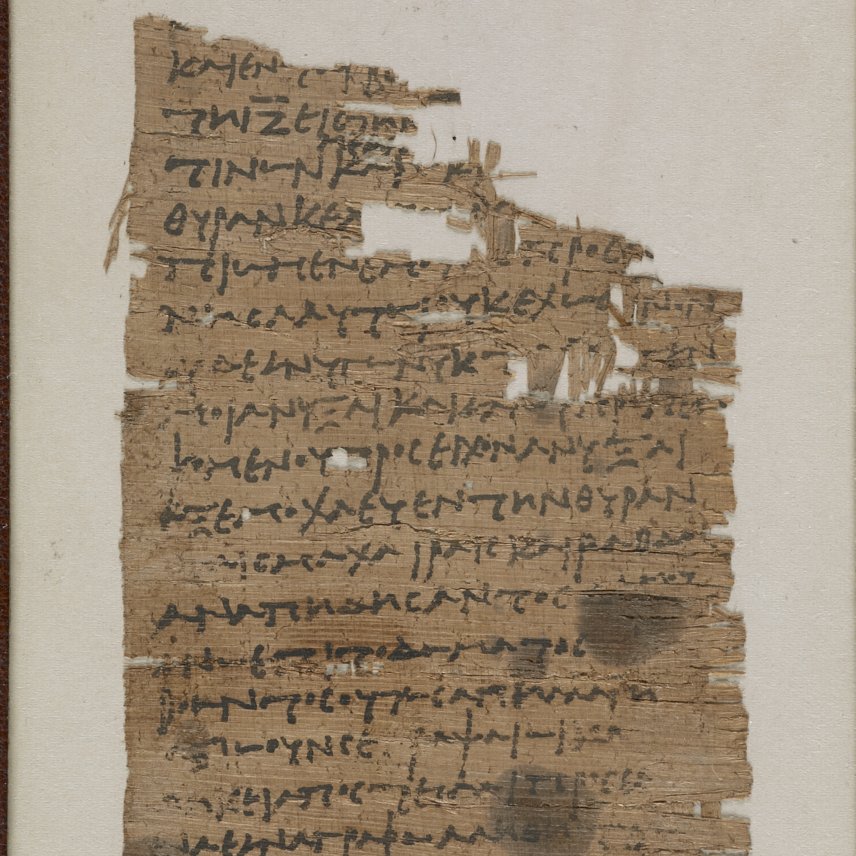
"they came after I closed, banged the door: "we want #wine I said "no wine, too late", they broke in; I ran up the roof, cried for help. Sir, please look into my case"
innkeeper's complaint 2266 years ago @BLMedieval Papyrus 2339 #TuesNews#Tuesday
@CraigJCG @chiggi Yes, absolutely a factor. The political milieu of 50's Rome was -I'm sure- absolutely felt Sulla's shadow. But why stop there? Pompey's extraordinary commands were a remarkable shift - from 68-7 (lex gabinia to lex manilia) the senate went from complete opposition to ....
@ProfessorJackie @quidamabo @sizzleleg@politico I'm glad to have started a conversation! The question of Rome as a democracy or not is a great example of what I mean as the 'reception' angle here - a hermeneutic/phenomenological reception-based approach suggests the question tells us more about our own interpretation of Rome-
@ProfessorJackie @quidamabo @sizzleleg@politico Milo and Clodius make another compelling case to look at through this lens. Please do let me know which other areas you found problematic -as someone quite early on into their academia it would be great for me to discuss the disagreements you have on the historical analysis.
@ProfessorJackie @quidamabo @sizzleleg@politico Although I didn’t discuss it, I agree the popularis/optimate distinction is indeed fascinatingly nebulous – I lean toward Robb’s analysis of it as a rhetorical conceit, though I wonder if we need to make sharper distinctions between Sallust and Cicero's ‘populares’? ...
America Is Eerily Retracing Rome’s Steps to a Fall. Will It Turn Around Before It’s Too Late? https://t.co/eygPWh0iC3 via @politico
Fascinating read by @TimMaxElliott