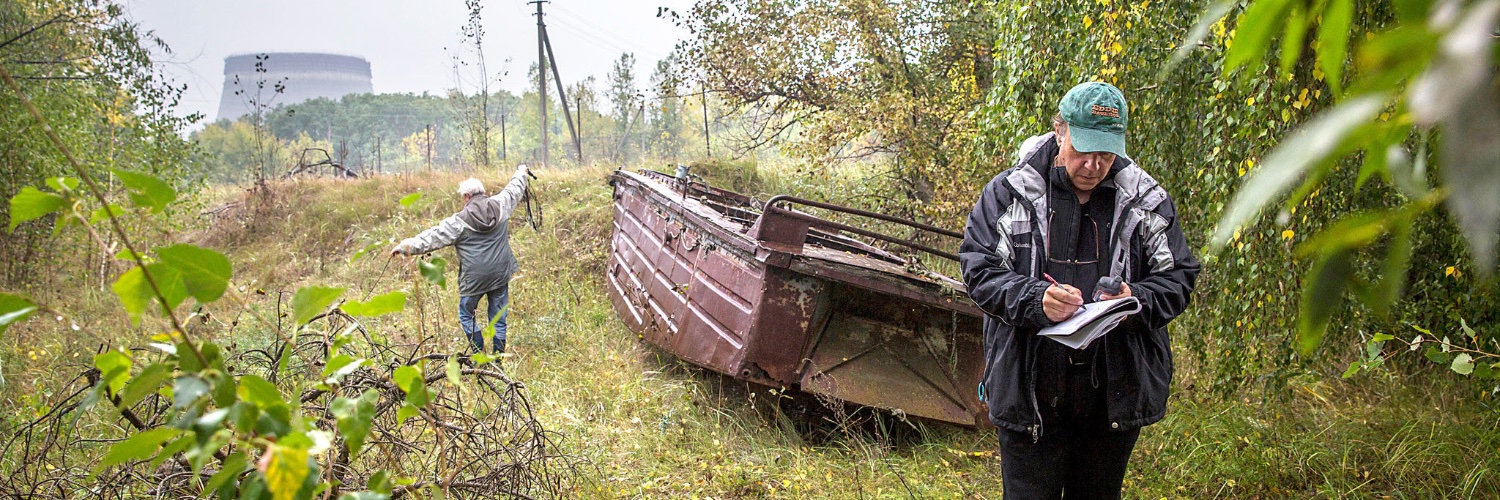
The area surrounding the Chornobyl nuclear reactor was a science hotspot until it was on the front line of the Ukraine war. @Nature reports on the creative ways researchers are restarting their studies in this zone. https://t.co/WpwuVDI7kj
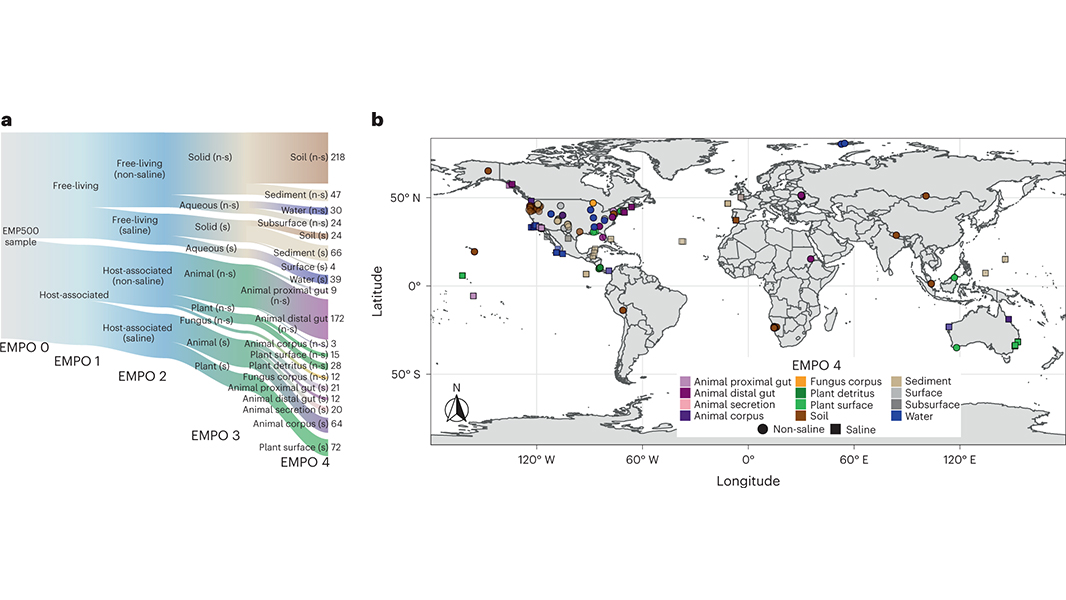
A Resource in @NatureMicrobiol provides insight into the taxa and metabolites within microbial communities from diverse habitats across Earth. https://t.co/UFVtb68TMY
@ProfMikeWood@clairecorkhill I too have spent far too much time in the Red Forest and until recently the highest levels were in the 0.27 mSv/h range. There are vast areas in the 0.05 - 0.1 mSv/h range. But, following forest fires levels have gone up dramatically: https://t.co/Nyx18GhmxW
@ProfMikeWood@clairecorkhill I too have spent far too much time in the Red Forest and until recently the highest levels were in the 0.27 mSv/h range. There are vast areas in the 0.05 - 0.1 mSv/h range. But, following forest fires levels have gone up dramatically: https://t.co/Nyx18GhmxW
@clairecorkhill I have spent far too much time in the Red Forest over the years. Until a few years ago the highest I would encounter was also in the 0.27 mSv/h range with vast expanses in the 0.05 - 0.1 mSv/h range. However, following fires we see massive increases:
https://t.co/Nyx18GhmxW
Forest fires have broken out around the Chernobyl nuclear power plant, Ukraine’s parliament said Monday, raising fears that they could spread radiation.
https://t.co/Ypkay6gLuP
This just in from a colleague near Chernobyl:
"Russian military invaders have already begun killing civilians. They are fighting from Gradiv to residential neighborhoods and orphanages. A minibus with passengers were shot dead in the village of Dytyatky."
New paper reassesses the Atomic Bomb Testing Era (i.e. start of the Anthropocene) literature related to radiation testing on dogs.
https://t.co/XSLJzJ23f7
Our latest paper examines selection in yeast! Curiously, and contrary to expectations, there is no evidence for elevated mutation rates in Chernobyl populations.
https://t.co/SRC6E8OCIj