The Great Escape: The Audacious Breakout from Stalag Luft III
During World War II, in March 1944, one of the most daring and meticulously planned escapes occurred from Stalag Luft III, a high-security prisoner-of-war camp located in Nazi-occupied Poland. This operation, later dubbed The Great Escape, involved 76 Allied airmen who risked everything to break free from the seemingly impenetrable camp.
Stalag Luft III was specifically designed to be escape-proof, with features such as elevated barracks to expose tunneling attempts, sandy soil to make tunnel concealment difficult, and extensive surveillance by German guards. Despite these challenges, a group of prisoners, led by Royal Air Force Squadron Leader Roger Bushell, devised an ambitious plan to dig three tunnels simultaneously—code-named "Tom," "Dick," and "Harry."
The operation took nearly a year of painstaking work, with prisoners secretly digging the tunnels using makeshift tools like spoons and bowls. They ingeniously crafted ventilation systems, electric lighting from scavenged wires, and even constructed a small railway system to transport soil out of the tunnels. To hide their work, they scattered the soil throughout the camp grounds in their pockets during daily exercises.
On the night of March 24, 1944, the escape began. However, only 76 men managed to make it through the tunnel before a guard spotted the escape. The breakout triggered a massive manhunt across Europe. Tragically, of the 76 escapees, only three successfully reached safety in neutral countries; the rest were recaptured, and 50 of them were executed on Hitler's orders, in violation of the Geneva Conventions.
The Great Escape remains a symbol of courage, resilience, and the indomitable human spirit in the face of adversity. It is a story of ingenuity, brotherhood, and the relentless desire for freedom, and it has since been immortalized in books and films.
#TheGreatEscape #StalagLuftIII #WWIIHistory #PrisonerOfWar #DaringEscape #FreedomFighters
The Ghost Army: The Secret Deception Unit of World War II
During World War II, the Allies deployed one of the most unconventional military units in history: The Ghost Army. Officially known as the 23rd Headquarters Special Troops, this top-secret unit was composed of artists, actors, sound engineers, and other creative minds. Their mission? To deceive the German forces using an array of clever tricks and illusions.
Activated in 1944, the Ghost Army's primary tactic was to create the illusion of a much larger Allied force. They used inflatable tanks, fake aircraft, and rubber artillery, setting up elaborate decoy camps complete with fake soldiers. These props were placed strategically to mislead enemy reconnaissance and force the Germans to divert their troops and resources away from actual battlefronts.
To make the deception even more convincing, the Ghost Army used powerful loudspeakers to broadcast realistic sounds of troops moving, tanks rumbling, and equipment being prepared for battle. They even went as far as to impersonate radio operators from other divisions, creating fake radio traffic to fool German intelligence.
One of their most famous operations took place during the Battle of the Bulge, where they successfully tricked the Germans into believing that a major Allied force was preparing to attack at a location far from the actual front. This deception helped the real Allied troops achieve a strategic advantage, contributing to the eventual victory in the war.
The existence of the Ghost Army remained a closely guarded secret for decades, only being declassified in the 1990s. Their work saved countless lives by reducing direct confrontations and is considered one of the most ingenious uses of deception in military history.
#GhostArmy #WWIISecrets #MilitaryDeception #InvisibleWarriors #CreativeWarfare #BattleOfTheBulge
The Mystery of the Belmez Faces: Ghostly Apparitions in a Spanish Home
In 1971, in the small Spanish village of Bélmez de la Moraleda, a humble house became the center of one of the most baffling paranormal phenomena in modern history: The Bélmez Faces. It all began when a woman named María Gómez Cámara noticed a strange, human-like face appearing on the concrete floor of her kitchen. Disturbed by the eerie image, her family tried to scrub it away, but the face remained, becoming even clearer with time.
When they decided to dig up the floor to remove the face entirely, they uncovered human remains buried underneath. After reburial and resurfacing the kitchen floor, the faces reappeared—this time, more detailed and in greater numbers. Over the next several years, different faces—men, women, and even children—seemed to form, change, and fade, as if the very concrete itself were haunted.
Scientists, paranormal investigators, and skeptics all visited the house, but no one could offer a definitive explanation. Tests were conducted to rule out fraud, chemicals, and artistic trickery, yet the origin of the faces remained a mystery. Some believed they were the spirits of people buried beneath the house, others suggested a psychological phenomenon, while some thought it was a hoax—although María and her family never sought profit from the event.
Even after María’s death, the faces continued to appear, captivating and disturbing those who visited the house. The phenomenon of the Bélmez Faces has remained one of the most compelling unsolved mysteries of paranormal history, an enigma that continues to defy explanation.
#BelmezFaces #GhostlyApparitions #HauntedHouse #UnsolvedMystery #ParanormalPhenomenon #SpainMystery
The Man from Taured: A Mystery from Another Dimension
In July 1954, a man arrived at Tokyo's Haneda Airport, holding a passport from a country that did not exist: Taured. When the customs officers examined his passport, they were shocked to find stamps from multiple countries, all apparently authentic. Yet, Taured was not found on any map, and officials had never heard of it.
When questioned, the man seemed confused and insisted that Taured was a real country located between France and Spain. He even pointed to the Principality of Andorra on a map, but grew frustrated when he saw it labeled as something entirely different. His documents, including a driver’s license and bank statements, seemed legitimate, yet they bore the name of a non-existent country.
Authorities decided to detain the man in a hotel room while they investigated. But by the next morning, he had vanished without a trace—along with all his documents. The door was still locked from the outside, and there was no sign of how he could have escaped.
The story of the Man from Taured has become a legend in the world of unexplained mysteries, sparking theories ranging from parallel universes and time travel to covert government conspiracies.
#ManFromTaured #ParallelUniverse #UnsolvedMystery #AlternateReality #1950sMystery #VanishedWithoutTrace
The Toxic Woman of Riverside: The Enigmatic Case of Gloria Ramirez
On the evening of February 19, 1994, Gloria Ramirez, a 31-year-old woman from Riverside, California, was rushed to the emergency room at Riverside General Hospital, suffering from advanced cervical cancer. What followed was one of the most bizarre and chilling medical mysteries in history, earning her the nickname "The Toxic Lady."
As the medical team began to treat Ramirez, they noticed something strange. Her body emitted a garlic-like odor, and her skin had an oily sheen. When a nurse drew blood from her arm, a strong, ammonia-like smell filled the room, and the blood appeared to contain small particles resembling crystals. Moments later, several hospital staff members began to collapse or experience severe symptoms, including nausea, shortness of breath, and even paralysis.
The ER was quickly evacuated, and a hazmat team was called in. Despite their efforts, Gloria Ramirez died that night, but the mystery of what had caused the toxic reaction remained. An extensive investigation was launched, but no conclusive explanation was found. Theories ranged from chemical exposure to a rare and deadly reaction between Ramirez’s medication and her body's chemistry. Others speculated it was a case of mass hysteria among the hospital staff.
In the end, the true cause of the toxic reactions remains unknown. The case of Gloria Ramirez is one of the most perplexing medical mysteries ever recorded, raising more questions than answers and leaving behind a legacy of fear and fascination.
#ToxicLady #GloriaRamirez #MedicalMystery #UnsolvedCases #RiversideIncident #ChemicalEnigma
The Lead Masks Case: A Brazilian Mystery of Death and the Unknown
On August 20, 1966, a bizarre and unsettling mystery unfolded on Vintém Hill in Niterói, Brazil. Two men, Manoel Pereira da Cruz and Miguel José Viana, were found dead under circumstances so strange that they have baffled investigators and conspiracy theorists alike for decades.
The two men were discovered lying next to each other, dressed in formal suits and wearing lead masks over their eyes—similar to the type used to protect against radiation. There were no signs of a struggle, violence, or any clear cause of death. Alongside their bodies, police found an empty water bottle, two wet towels, and a notebook containing cryptic instructions: "16:30 be at the agreed place. 18:30 ingest capsules, after effect protect metals await signal mask."
What could have driven these men to their deaths in such a peculiar fashion? The lead masks led some to speculate that the men were involved in some kind of occult ritual or were attempting to contact extraterrestrial beings. Others suggested they were experimenting with a dangerous, homemade substance or trying to shield themselves from radiation related to a scientific experiment gone wrong.
Despite a thorough investigation, no definitive cause of death was ever determined, and toxicology reports found no trace of poison. The case remains unsolved, shrouded in a thick veil of mystery, with more questions than answers. The eerie scene on Vintém Hill has become one of Brazil’s most puzzling unsolved cases, known simply as the Lead Masks Case.
Death Under Lead Masks
The Lead Masks Case is a perplexing and chilling story that combines elements of science fiction, the paranormal, and the deeply mysterious, leaving behind a trail of unanswered questions and a case that continues to intrigue.
#LeadMasksCase #UnsolvedMystery #BrazilianMystery #ParanormalEnigma #StrangeDeaths #VintemHill
The Disappearance of the Eilean Mor Lighthouse Keepers: A Mystery Lost to the Sea
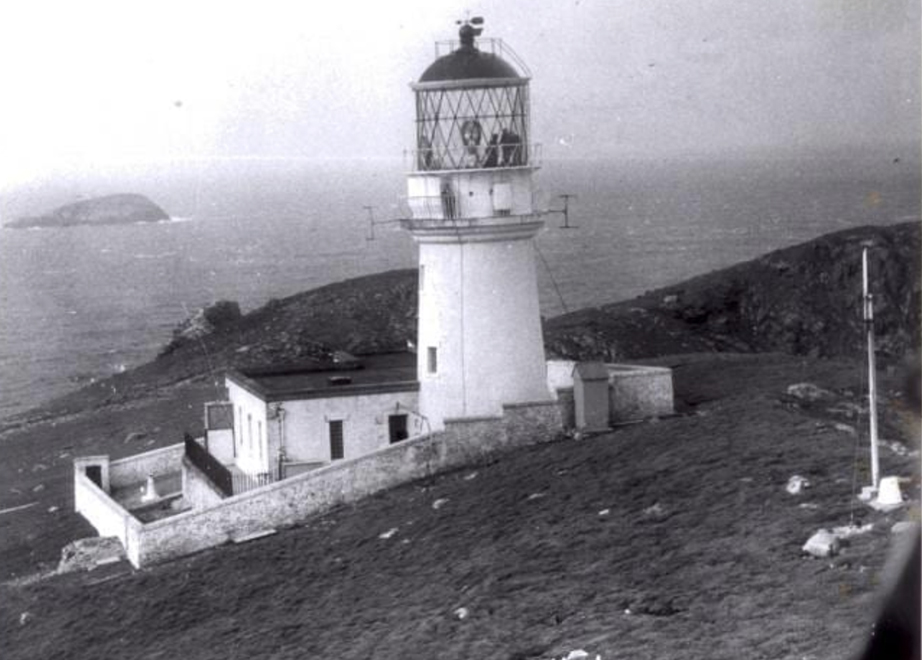
In December 1900, on the remote and windswept island of Eilean Mor in the Outer Hebrides of Scotland, a chilling mystery unfolded that remains unsolved to this day. The island, home to a lighthouse built to guide ships through the treacherous Flannan Isles, became the setting for one of the most enigmatic disappearances in maritime history.
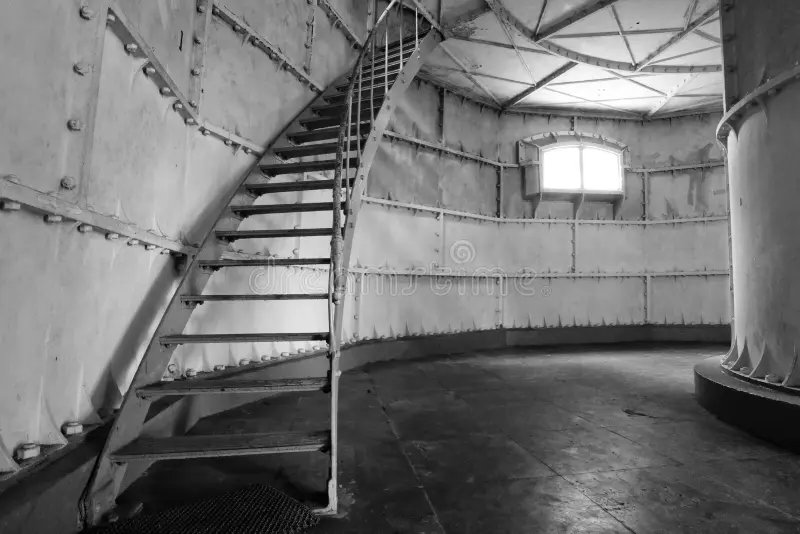
The lighthouse was manned by three experienced keepers: James Ducat, Thomas Marshall, and Donald MacArthur. On December 15, a passing ship noted that the lighthouse's light was not operational, which was highly unusual. When a relief vessel arrived on December 26, the lighthouse was found to be completely deserted. Inside, everything was eerily in place: the beds were made, the clock had stopped, and a meal was left uneaten on the table. Only the three men were missing.
An investigation revealed that the last entry in the logbook was on December 15, describing a violent storm. However, local records indicated calm weather on that day. The final, cryptic entry simply read, "Storm ended, sea calm. God is over all."
Theories abound about what happened to the three men. Some suggest they were swept away by a rogue wave while securing equipment during the storm. Others propose more supernatural explanations, involving sea monsters or malevolent spirits, given the island’s long history of eerie tales. Despite exhaustive searches and endless speculation, the men were never found, and their fate remains one of Scotland's most haunting maritime mysteries.
The Lost Keepers of Eilean Mor
The disappearance of the Eilean Mor lighthouse keepers is a ghostly riddle shrouded in fog and mystery, a story of three men who vanished without a trace, leaving behind only questions and chilling possibilities.
#EileanMorMystery #LighthouseKeepers #UnsolvedDisappearance #MaritimeMystery #FlannanIsles #ScotlandGhostStory
The Curse of the Crying Boy: A Painting of Misfortune
In the 1980s, a strange phenomenon began to occur across the United Kingdom, surrounding a particular painting known as "The Crying Boy." This mass-produced artwork, depicting a tearful young boy with sorrowful eyes, was found in homes all over the country. However, the painting became infamous for something far more sinister: the belief that it was cursed.
The story gained traction when a series of house fires broke out, with one eerie commonality—each home that burned down had a copy of "The Crying Boy" painting, which would often be found undamaged amid the charred ruins. Firefighters who investigated the incidents reportedly refused to have the painting in their homes, convinced it brought bad luck or even caused the fires.
The legend quickly spread, and the media ran with the story, leading to widespread fear. Some people destroyed their paintings, while others returned them to stores or gave them away. Yet, despite the growing paranoia, no one could provide a definitive explanation for the fires or the painting's apparent immunity to flames.
Theories ranged from the supernatural—a curse placed on the painting by the artist or the spirit of the boy himself—to more rational explanations involving the materials used in the artwork. But the mystery of "The Crying Boy" remains unsolved, leaving behind a legacy of fear and curiosity.
The Painting That Survived the Flames
The Curse of the Crying Boy is a tale that blends superstition with coincidence, creating a chilling mystery that continues to intrigue and unsettle those who hear it.
#CryingBoyCurse #HauntedPainting #Superstition #UrbanLegend #MysteryUnsolved #StrangePhenomenon
The Oak Island Mystery: The Hunt for Buried Treasure
Off the coast of Nova Scotia, Canada, lies a small, tree-covered island that has captivated treasure hunters for over 200 years: Oak Island. The mystery began in 1795 when a young man named Daniel McGinnis discovered a strange depression in the ground, along with a block and tackle hanging from a tree branch above it. Believing it to be the site of buried treasure, he and his friends began to dig, only to find that the deeper they went, the more complex the excavation became.
At about 10 feet down, they encountered a layer of oak logs. Every 10 feet thereafter, another layer of logs appeared, interspersed with layers of charcoal, putty, and coconut fiber—a material not native to the area, adding to the intrigue. At 90 feet, they reportedly found a stone with a mysterious inscription, which has been interpreted to read, "Forty feet below, two million pounds are buried."
But instead of treasure, they hit a booby trap. The shaft they were digging flooded with seawater, making further digging nearly impossible. Over the years, numerous expeditions have tried to solve the mystery of Oak Island, with various theories emerging about what might be buried there—everything from pirate treasure and lost religious artifacts to Shakespearean manuscripts and even the Ark of the Covenant.
Despite the countless efforts, and even with modern technology, the treasure remains elusive. Some have lost their lives in the pursuit, and the island itself has become as much a legend as the supposed riches it hides.
The Elusive Fortune of Oak Island
The Oak Island mystery is a tantalizing tale of hidden treasure, clever traps, and relentless pursuit, where every clue seems to lead deeper into the unknown, making it one of history's most enduring legends.
#OakIslandMystery #BuriedTreasure #UnsolvedHistory #TreasureHunt #MoneyPit #HiddenFortune
Scaphism: The Most Horrific Death by Insects
Scaphism, also known as "the boats," is perhaps one of the most excruciating and revolting forms of torture ever devised, practiced by the ancient Persians. This method of execution was reserved for the worst of criminals and enemies of the state, ensuring a slow, agonizing death that would serve as a dire warning to others.
The condemned person was stripped naked and then securely fastened between two boats or hollowed-out tree trunks, with their head, hands, and feet protruding. They were force-fed milk and honey until they developed severe diarrhea. This mixture was also smeared over their exposed body parts, attracting insects. The real horror began as the insects were drawn to the helpless victim, who was left floating on a stagnant body of water or in the sun.
Over days, sometimes weeks, the insects would eat away at the victim's flesh, laying eggs in the wounds and in any bodily openings. The milk and honey diet ensured the victim remained alive for an extended period, their body slowly rotting away as they were eaten alive by swarms of flies, maggots, and other pests. Death eventually came from a combination of dehydration, starvation, septic shock, and the unimaginable pain of being devoured by insects.
The cruelty of scaphism lies not only in the physical torment but also in the psychological torture of knowing that death would come slowly, each day bringing more agony than the last.
The Boats of Agony
Scaphism is a stark reminder of the depths of human cruelty, where even nature was turned into a tool of unimaginable torment, ensuring a lingering death that haunts history.
#Scaphism #AncientTorture #PersianPunishments #HumanCruelty #DarkHistory #GruesomeDeath
The Brazen Bull: A Horrific Instrument of Ancient Torture
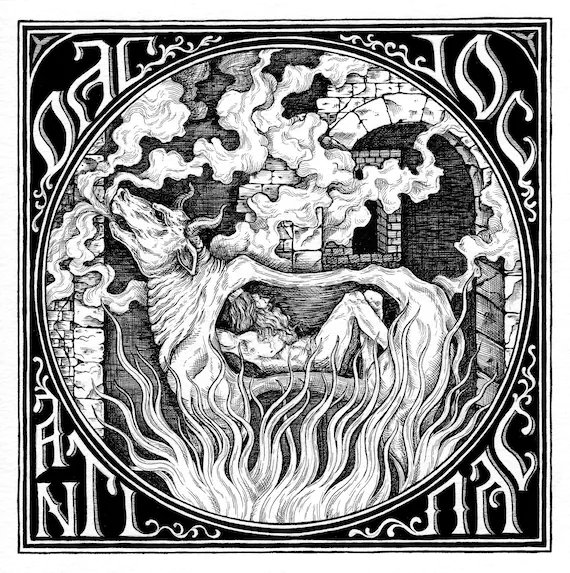
In the annals of ancient history, one of the most terrifying and gruesome methods of torture and execution was the Brazen Bull—a hollow, life-sized bull made entirely of bronze. This diabolical device was designed by Perillos of Athens at the behest of Phalaris, a tyrant of ancient Sicily, in the 6th century BC. The Brazen Bull was not just an instrument of death; it was a grotesque spectacle of cruelty.
The victim would be placed inside the bull through a door on its side. Once inside, the door would be locked, and a fire would be lit beneath the bull, slowly heating the bronze to unbearable temperatures. As the metal grew hotter, the person trapped inside would begin to roast alive. The true horror of the Brazen Bull, however, lay in its design. It was engineered with a complex system of tubes and openings that converted the victim's screams into sounds resembling the bellowing of an enraged bull. These horrifying cries would emerge from the bull’s mouth, creating a macabre symphony of suffering.
Legend has it that Perillos, the inventor of the Brazen Bull, was the first to suffer its torment. After presenting the device to Phalaris, the tyrant ordered Perillos to demonstrate its sound, trapping him inside and lighting the fire beneath. Though Perillos was released before death, he was later thrown off a cliff by the same tyrant—an ironic twist that underscored the merciless nature of both the device and its creator.
The Brazen Bull stands as a chilling testament to the lengths of human cruelty, where art, innovation, and brutality intersected in one of the most inhumane tortures ever conceived.
The Bull of Death
The Brazen Bull is more than just a method of torture; it’s a horrifying reminder of how creative engineering was twisted into one of the cruelest instruments of suffering in human history.
#BrazenBull #AncientTorture #HumanCruelty #DarkHistory #Phalaris #MedievalTorture
The Mystery of the Somerton Man: Australia's Unsolved Cold Case
On December 1, 1948, a body was discovered on Somerton Beach, just outside Adelaide, Australia. The man was well-dressed in a suit and tie, but he had no identification, and all labels had been removed from his clothing. He was found lying in the sand, slumped against a seawall, with his legs outstretched and his head resting on the wall.
Despite extensive investigations, the man’s identity has never been determined. Even more puzzling was a small, rolled-up piece of paper found in a hidden pocket of his trousers. It bore the words "Tamam Shud," which means "ended" or "finished" in Persian. This phrase was traced to a rare book of Persian poetry called the "Rubaiyat of Omar Khayyam." When the police located the book from which the phrase had been torn, they found a mysterious code written in the back, which has never been deciphered.
Adding to the mystery, the autopsy revealed no obvious cause of death. Some speculated he was poisoned, but no trace of toxins was found in his system. Over the years, theories have ranged from espionage to romantic tragedy, but none have been proven. In 2021, DNA analysis offered some clues, linking the Somerton Man to descendants in Australia, but his true identity and the reason for his death remain unsolved.
A Puzzle Without a Solution
The Somerton Man case is a chilling reminder of how some mysteries can remain unsolved, even in the modern age. His story continues to intrigue and baffle, leaving behind a trail of unanswered questions
#SomertonMan #UnsolvedMystery #ColdCase #TamamShud #AustraliaMystery #ForensicPuzzle
The Green Children of Woolpit: Visitors from a Parallel World?
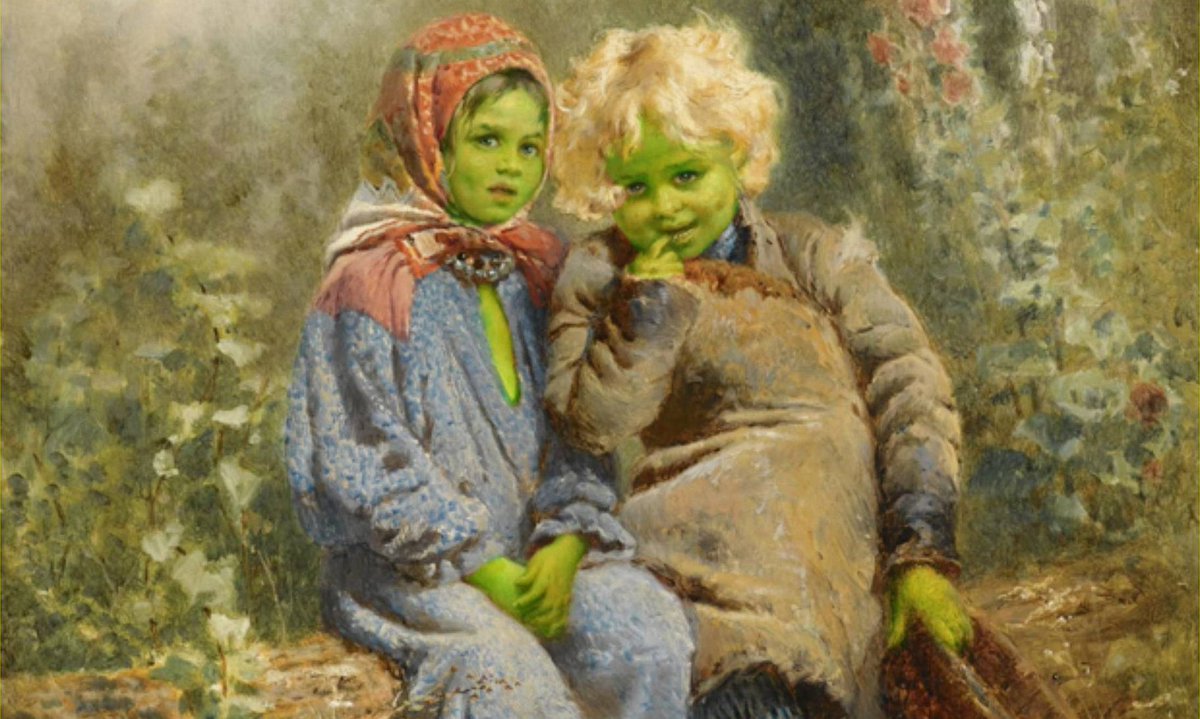
In the 12th century, in the small village of Woolpit in Suffolk, England, a strange event occurred that has puzzled historians for centuries. During the reign of King Stephen, two children—a brother and sister—were discovered near the village, seemingly lost and bewildered. What made them particularly unusual was their green-tinted skin and the fact that they spoke an unknown language.
The children were taken in by the villagers and eventually began to eat normal food after initially refusing everything offered. Over time, they lost their green hue, and as they learned to speak English, they shared their story. The children claimed to come from a place called "St. Martin's Land," a subterranean world where everything was bathed in a dim light, and the sun never shone as brightly as it did on the surface.
The boy, unfortunately, died soon after they were found, but the girl survived and grew up, eventually assimilating into English society. However, the mystery of their origins remained unsolved. Some speculate that the children might have been suffering from a form of anemia known as chlorosis, which can give the skin a greenish tint. Others suggest that their story hints at a hidden world or parallel dimension, adding a fantastical element to the tale.
The Green Children of Woolpit remains one of England’s most enigmatic folktales, blending the boundaries between history, legend, and the supernatural.
The Mystery of the Green Children
The story of the Green Children of Woolpit is a captivating blend of folklore and mystery, leaving behind a tantalizing question: were these children simply lost, or did they come from a world beyond our own?
#GreenChildren #WoolpitMystery #MedievalFolklore #UnsolvedMystery #ParallelWorlds #StrangeTales
The Mystery of the Voynich Manuscript: An Uncrackable Code
The Voynich Manuscript, often referred to as the world's most mysterious book, is an ancient text that has baffled historians, cryptographers, and linguists for over a century. Discovered in 1912 by Wilfrid Voynich, a rare book dealer, the manuscript is a 240-page tome filled with strange, undecipherable text, peculiar illustrations of plants that don't match any known species, and diagrams of astronomical phenomena that defy explanation.
Believed to have been created in the early 15th century, the manuscript is written in an unknown script, sometimes called "Voynichese," which has no apparent relation to any known language. Despite numerous attempts to decode the text, including efforts by some of the best cryptographers from World War II and modern-day AI algorithms, the manuscript's content remains a mystery. Some scholars speculate that it could be a detailed treatise on herbal medicine, alchemy, or astronomy, while others suggest it might be an elaborate hoax.
The illustrations within the Voynich Manuscript are just as perplexing. They feature intricate drawings of plants, bizarre, naked women immersed in strange, interconnected bathtubs, and charts that appear to depict celestial bodies and zodiac signs. These images have led to endless speculation about the book's purpose and origin, with theories ranging from it being a medieval medical manual to a coded scientific work, or even an attempt to document a lost or alien language.
The Voynich Manuscript remains one of history's most enduring enigmas, a book that seems to defy understanding, leaving more questions than answers in its wake. It sits in Yale University's Beinecke Rare Book & Manuscript Library, where it continues to challenge and intrigue anyone who dares to explore its pages.
A Puzzle Without a Key
The Voynich Manuscript is a tantalizing reminder of the limits of our knowledge and the mysteries that still lie beyond our grasp. It’s a testament to the enduring allure of the unknown, drawing in curious minds eager to unlock its secrets
#VoynichManuscript #UnsolvedMystery #Cryptography #AncientEnigma #MysteriousBook #UncrackableCode
The Curse of the Hope Diamond: A Jewel Steeped in Misfortune
The Hope Diamond, one of the most famous gems in the world, is renowned not only for its size and striking deep blue color but also for the curse that allegedly follows those who own it. This 45.52-carat diamond has a history as rich as it is mysterious, marked by tales of tragedy, misfortune, and death.
The diamond is believed to have originated in India, where it was stolen from an idol by a French merchant named Jean-Baptiste Tavernier in the 17th century. According to legend, this act of theft cursed the diamond, bringing bad luck and disaster to those who possessed it. Tavernier himself reportedly met a gruesome end, mauled to death by wild dogs after losing his fortune.
The diamond changed hands several times, each new owner suffering misfortune. King Louis XVI and Marie Antoinette, who owned the diamond during the French Revolution, were famously beheaded. Subsequent owners experienced financial ruin, social disgrace, and untimely deaths. One Russian princess, Nadja Vyegin-Orlov, allegedly committed suicide, while another owner, Sultan Abdul Hamid II, was deposed from his throne.
Eventually, the Hope Diamond was purchased by American socialite Evalyn Walsh McLean, who dismissed the curse as superstition. However, her life too was marked by tragedy, including the death of her son in a car accident and the loss of her daughter to a drug overdose.
Today, the Hope Diamond is housed in the Smithsonian Institution, where it draws millions of visitors each year. While the curse is likely a product of myth and coincidence, the stories surrounding the Hope Diamond continue to fascinate and terrify, adding an air of mystery to one of the world's most exquisite gems.
The Jewel of Misfortune
The Hope Diamond's story is a captivating blend of beauty, history, and intrigue. Whether you believe in the curse or not, the tales of misfortune that surround this legendary gem make it one of the most compelling artifacts in existence.
#HopeDiamond #CursedJewel #LegendaryGem #MysteryAndMisfortune #HistoricalIntrigue #CurseOfTheDiamond