【Latest Research】A recent study led by Dr @BingyiY, Research Assistant Professor of #HKUSPH has analysed 200,000 hemagglutination inhibition (HAI) titrations from ferret models. This research reveals critical insights about influenza immune evasion. 🦠💡
🔍 Key Findings:
✔️ Breath of Influenza A viruses cross-reactivity varies by the isolation interval
✔ A(H3N2) has a narrower cross-reactivity compared to A(H1N1)
✔ Repeated exposures to the virus further broaden the cross-reactivity to contemporary viruses
This study provides a framework for predicting immune evasion in other rapidly evolving pathogens, making a major step for pandemic preparedness.
📄Paper now published in Nature Microbiology: https://t.co/E3BwYL78BA
📹Featured on This Week in Virology (TWiV): https://t.co/HpnmNyenMT
@bencowling88
#HKU #HKUMed #HKUSPH #HKUPublicHealth #PublicHealth #Research #evolution #influenzavirus #Vaccineprotection #antibody
【Latest Research】A team led by @BingyiY, Research Assistant Professor of #HKUSPH has revealed that neutralizing antibodies (nAbs) serve as a key immune correlate for COVID-19 vaccine protection.
🔍 Key Findings:
✔️ Neutralizing antibody (nAbs) levels and vaccine efficacy / effectiveness (VE) against mild Omicron infections decline significantly after >180 days
✔️ VE against severe or fatal COVID-19 stays >75% even when nAbs hit assay limits
✔️ Detectable nAb titers are not always sensitive enough to fully predict protection against severe disease and death from SARS-CoV-2
This study provides critical insights for long-term immunity understanding, booster strategies, and future vaccine development.
📄Paper now published in Nature Communications: https://t.co/7YcOjD4EYm
@TimkTsang@bencowling88
#HKU #HKUMed #HKUSPH #HKUPublicHealth #PublicHealth #Research #vaccine #COVID19 #VaccineResearch #NeutralizingAntibodies
(1/5) I would like to highlight one very interesting secondary observation about the impact of non-pharmaceutical interventions, from the data collected in the CENTERSTONE trial ...
An adaptive weight ensemble approach to forecast influenza activity in an irregular seasonality context https://t.co/IEIgXyEMUz #MachineLearning#Fluforecast
Watching @AubreeGordonPhD give a fantastic talk on the dynamics of flu infections in her extensive pediatric cohorts. Answering important questions about the length of infection-associated protection (infection protects better and longer than vaccination—hope for better vaccines!
A big crowd of students & colleagues from @HKU_SPH at the Option meeting. 4 full days of interesting discussion about flu and other respiratory viruses!
@hkumed@options2024
Age and fever symptoms can help identify highly contagious influenza patients. Our research at #HKUSPH helps control and prevent flu transmission. Check it out👉🌍Original source:
https://t.co/Tjvr2UP8eF
Our recent study reassessed the lift of universal masks mandate suggested no evidence that such lift reduced SARS-CoV-2 transmission in schools. However, we revealed a significant difference when using incidence or transmissibility as outcome measurement. https://t.co/tAeTF1G0Rm
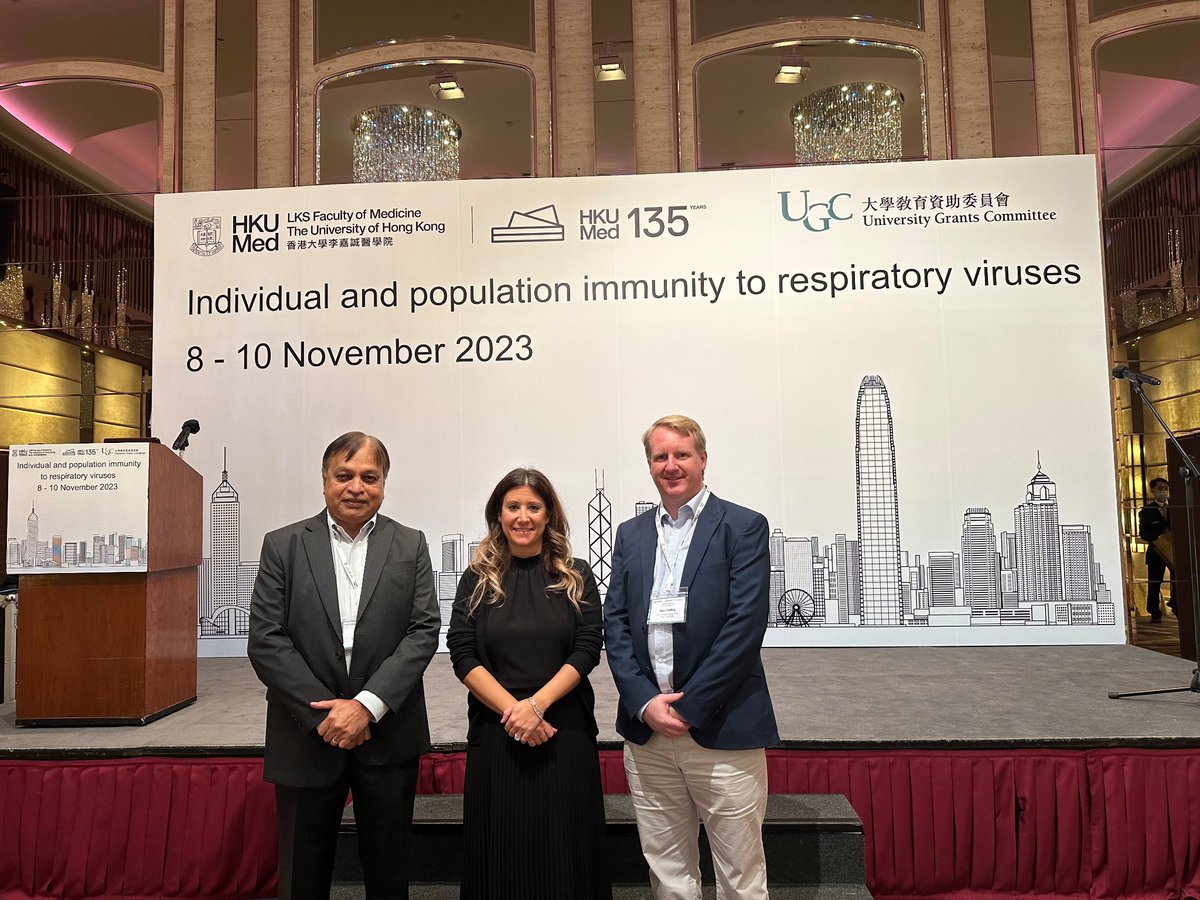
Fantastic opening to our 3-day international conference this morning #immunity2023 with many excellent presentations including opening talks by Malik Peiris and Maria Van Kerkove
our Cobovax study observed similar incidences of omicron BA.2 infection across diff vaccination groups despite weak neutralising antibodies to BA.2 in 3rd-dose CoronaVac recipients, suggesting nAbs may not be appropriate correlates of protection for inactivated COVID-19 vaccines
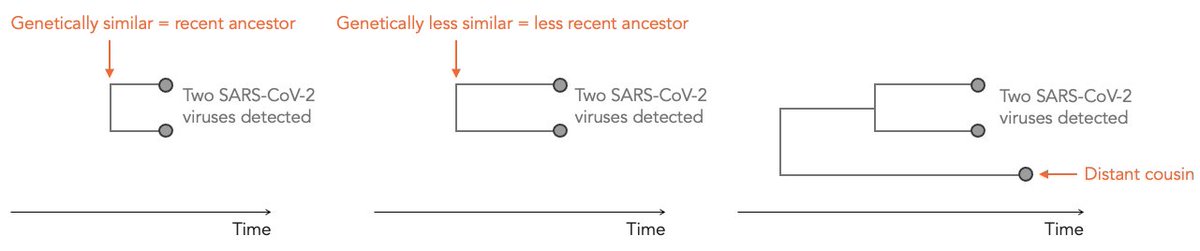
How should we interpret recent patterns of SARS-CoV-2 evolution, from EG.5 to the new BA.2 descendent? What can we learn from other viruses? And where might things being heading next? I discuss some of the key ideas and research: https://t.co/jF0emU4c3j
A #HKUSPH research observes high mortality during the Omicron BA.2 wave in Hong Kong due to lower vaccine coverage (42%) among adults ≥65 years old.
⬆ in antiviral usage & vaccination uptake over time in 2022 was associated with ⬇ case fatality risks.
https://t.co/ekSoKtMe8d
A subset of individuals with SARS-CoV-2 are three times more likely to spread the virus to other individuals than the average person. https://t.co/BrwMWduEEv
A #HKUSPH & @UChicago research on childhood immune imprinting studied data in Hong Kong and finds:
▪those imprinted to H1N1/H2N2 ➡17% lower risk of getting H1N1
▪if imprinted to H3N2 ➡12% lower risk
@TimkTsang@sarahcobey@bencowling88@JIDJournal:https://t.co/dsaC8lrvnD
JMIR Public Health: Monitoring School Absenteeism for #Influenza-Like Illness #Surveillance: Systematic Review and Meta-analysis https://t.co/i8doOpGR3c
Association between population-level factors and household secondary attack rate of SARS-CoV-2: A systematic review and meta-analysis
✅ Just Accepted
🔓 Open Access
🔗 https://t.co/VnbqZLp6p4
Our new Fluscape work is out @eLife. We reported long term intrinsic cycles in individual antibody responses against 21 A(H3N2) strains that were isolated between 1968 and 2014. https://t.co/j4VnGgQ9Q5