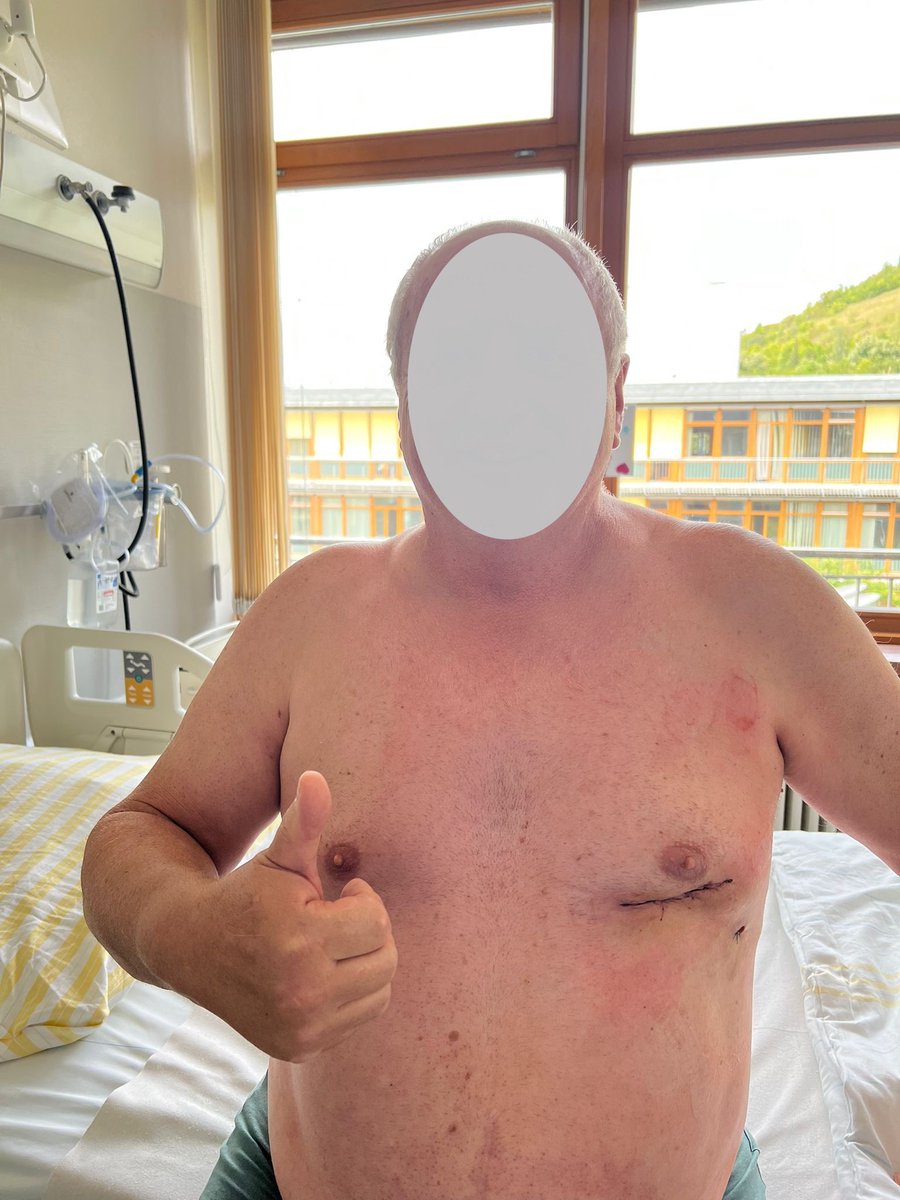
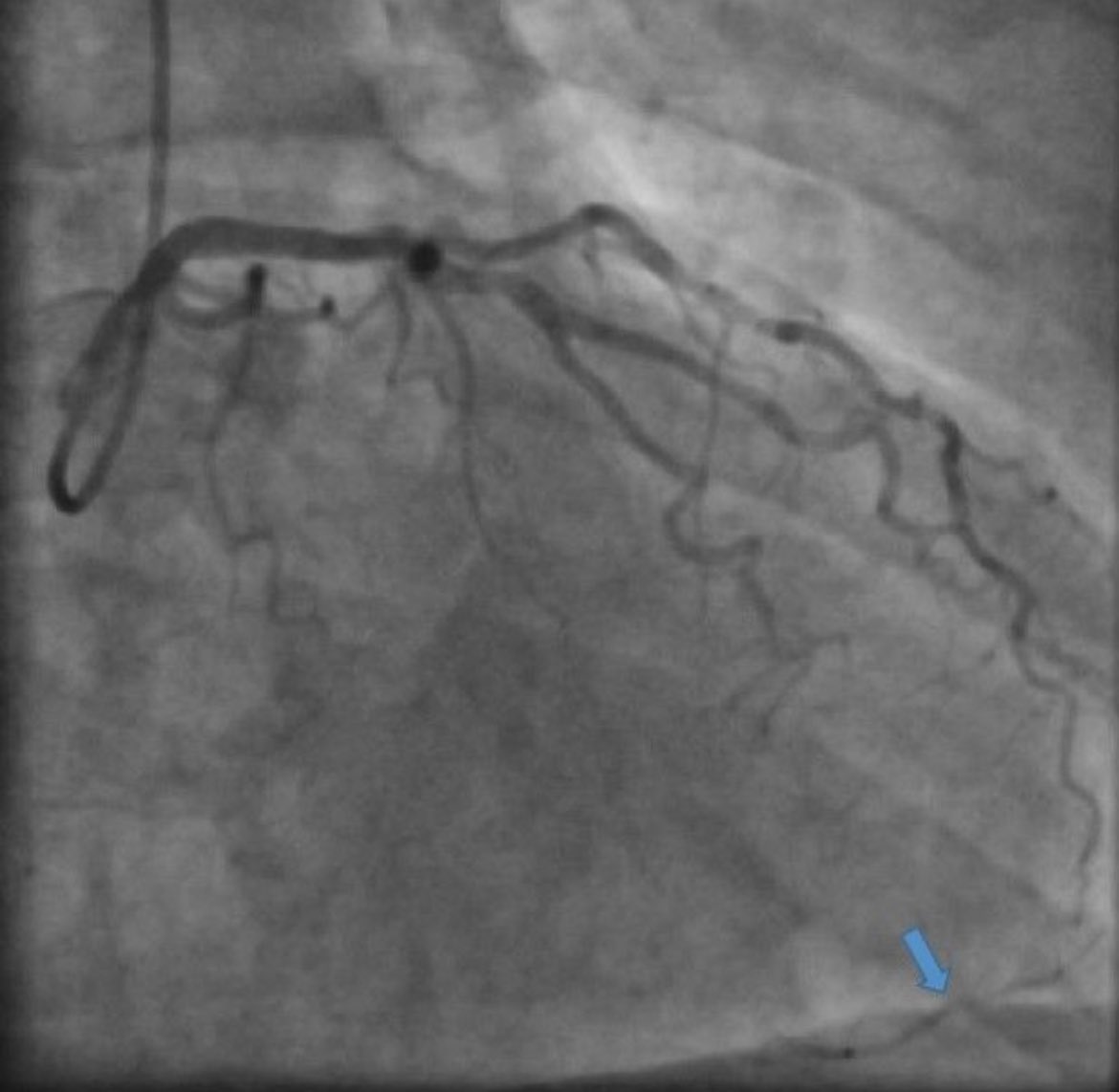
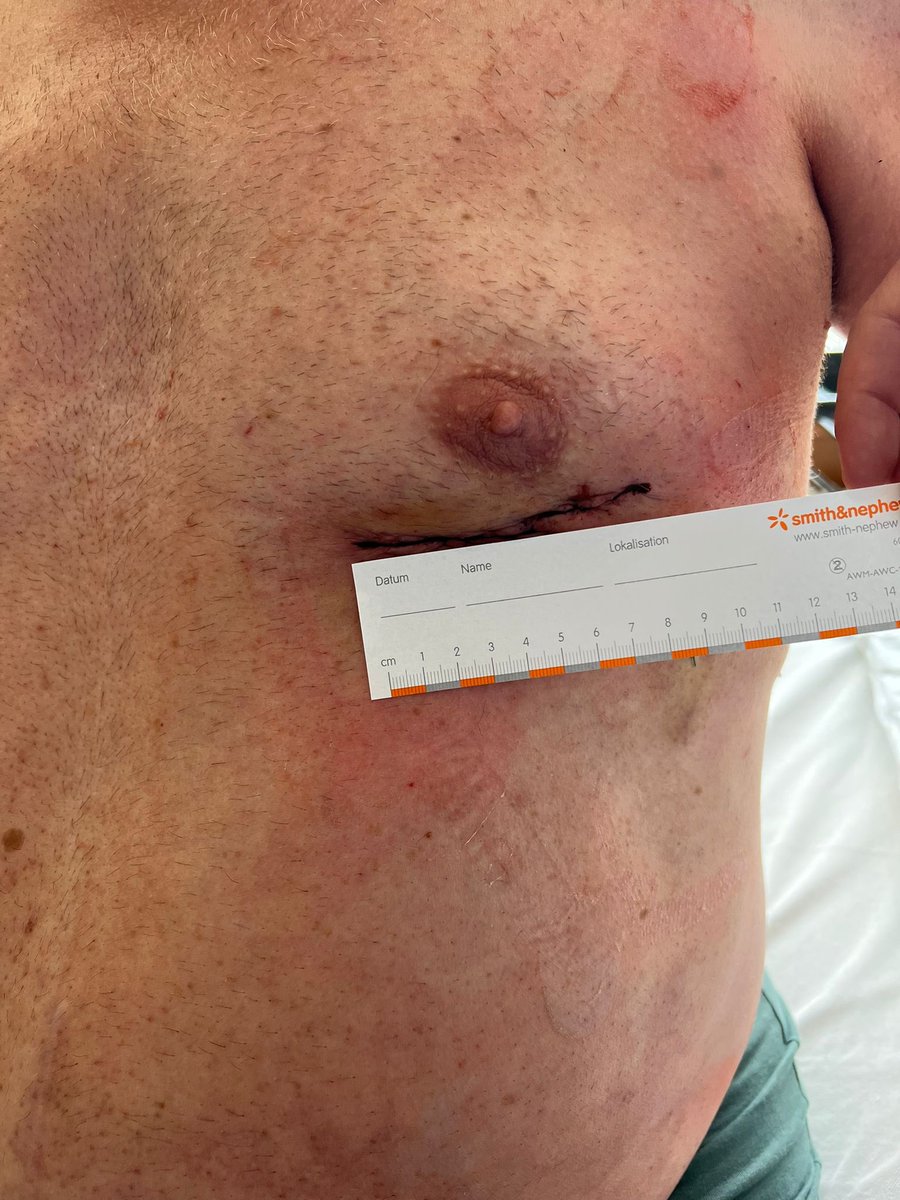
As a student, when I first became interested in cardiac surgery, Prof. Friedrich Wilhelm Mohr's name always represented innovation, a relentless pursuit of excellence, and the courage to achieve what was once deemed impossible. A dream of mine came true - to meet one of my idols.
Why are we still so focused 🔍on LVEF? 🤔
EF is only one component of cardiac function. A “normal” EF does not necessarily mean normal cardiac performance. Shouldn’t we pay more attention to stroke volume and cardiac index? https://t.co/DoeidBxwtn
#ESCCongress#HF#echofirst
In this episode of The Beat, CTSNet EIC @joeldunning spoke with @TimurKyashif about the German Society for Thoracic, Cardiac, and Vascular Surgery Quiz League.
#thebeat#podcast#weekly
🎧 📺 https://t.co/EcHNx5A95j
Predicting Persistent Renal Failure Necessitating Dialysis in Patients Undergoing Elective, Open Thoracoabdominal Aortic Aneurysm Repair - The Annals of Thoracic Surgery https://t.co/CkfqtBJJIF
@annalsthorsurg@BCM_Surgery#aortaEd
Turnover time isn’t just an operational metric—it’s a true quality indicator. Efficient OR turnover reflects strong teamwork, clear processes, and ultimately translates into better patient access, safer care, and a more sustainable workload for surgeons.
Doctors in large centers don't realize what a life-changer fast operating room turnover times are.
For those that don't know, the turnover time in OR's varies widely between hospitals. That's the time it takes to clean the room and set up for the next case.
In efficient hospitals, especially those that are physician owned, it can be as quick as 20 minutes. In large academic hospitals, it can push 4 or even 5 hours.
Think of the difference that makes for quality of life, patient care, and revenue.
A doctor who has a large waitlist of patients might be at the hospital until 8pm and still only get two surgeries done because the turnover time is so long. That same doctor could get 3 or 4 surgeries done in a more efficient hospital, getting home in time to have dinner with his family.
A physician owned hospital would never tolerate a 4 hour turnover time. That's money being lit on fire. Yet hospitals tolerate this all the time because they don't face competition. There's no incentive to run efficient.
So the patients have to wait longer for their surgery, the doctors get frustrated, and everybody loses.
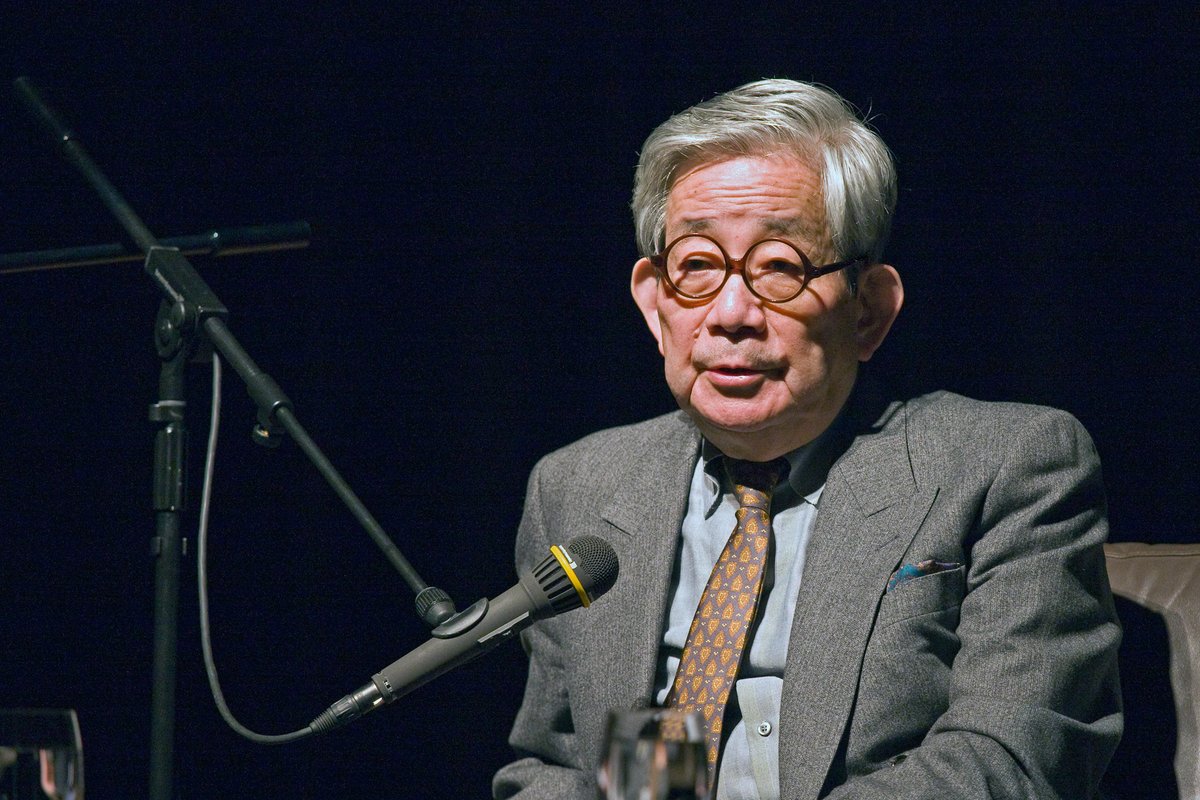
"As a child, I promised my mother I would win the Nobel Prize in Physics. 50 years later, I said to my mother, 'See, I have kept my promise. I won the Nobel Prize.' 'No,' said my mother, 'You promised it would be in physics!'"
Read about Kenzaburō Ōe: https://t.co/74CeN1Iaz7
Some conversations stay with you long after they end.
Speaking with @JCoselli_MD was a dream come true and a true honor for me — a discussion on mentorship, judgment, and a career devoted to surgery of the thoracic and thoracoabdominal aorta.
https://t.co/Y6h0iOFC2N
Imagine being trained, inspired, and shaped by the legends who built modern cardiac surgery: DeBakey, Cooley, Crawford.
For most of us, this remains a dream.
For him, it was reality.
This Christmas.
25.12 • 11:00 CET
Exclusive on YouTube
https://t.co/Y9aF9lSzzj
Left Bulgaria at age of 15 to go to colleague in the US studying physics. Saw my family 4 times in the span of 20 years. Worked every Christmas and other holidays. All my grandparents died without me knowing. I haven’t met most of my cousins. My mom died without me knowing and I’ve never been to her grave. Graduated from UCSF with a Nature paper(among others) , was a WI /MIT fellow with a corresponding author Nature paper( among others) , was hired at Harvard as an assistant professor only to be called “Diversity Hire” by many. Thank you physics…
@drjohnm@HrisKirov@divaka_perera If we keep calling PCI and CABG revascularization, we will keep blurring our perception of outcomes, because we do not understand the underlying treatment mechanisms (https://t.co/gM9qSccvnc).
500+ views and over 20 comments in just 24 hours — what an amazing start for our debut episode! It means the world to me and the entire team. There’s a lot happening behind the scenes — stay tuned and stay enthusiastic.
#podcast#heart#science#surgery#meded#MedTwitter
Our podcast journey begins.
In the first episode of the Jena Club of Cardiac Surgery Enthusiasts Podcast, we speak with Prof. Torsten Doenst — surgeon, scientist, and the first Heisenberg Professor for Cardiac Surgery.
@ToDoenst#science#surgery
https://t.co/NPfzLXil60