Learn more about @Woman_Scientist's research on how water from melting glaciers affects phytoplankton in Antarctica, her work leading the @fjordphyto#CitizenScience program, and more. ⬇️@Scripps_Polar
https://t.co/9vt3JgCtUW
Watch the full video: https://t.co/7uT8XQzPoa
Tiny dust particles have major impacts on the environment & our health. In this episode of Wavelengths, we're journeying to the Salton Sea where Scripps Oceanography climate scientist Amato Evan researches dust storms and how dust impacts our climate.
https://t.co/xKuEaAJl2C
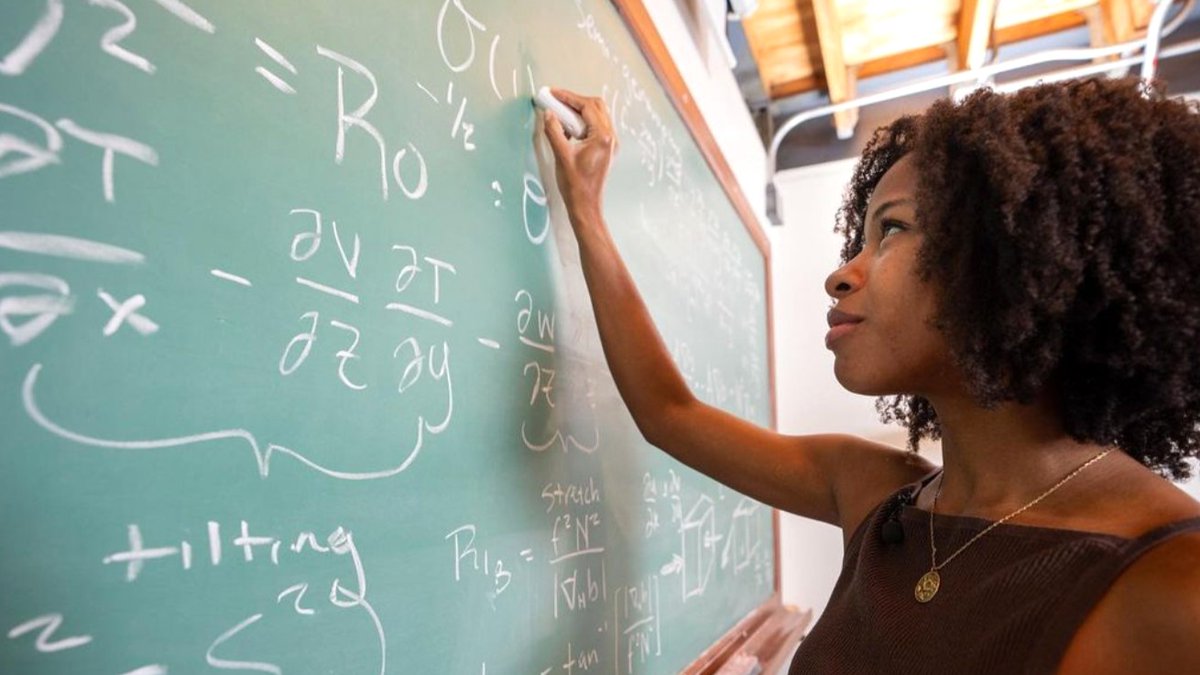
Taylor McKie is a PhD student at @Scripps_Ocean who studies the physics of ocean water and how its movement drives climate and weather patterns. She explains her work in “The Math of Water,” the newest episode of the Wavelengths video series: https://t.co/rhxUX9PEZN @TinyBeaker
In an interview today a coral scientist was showing me his lab and said "and here we have a bunch of tiny beakers.. " and then he gave me this little grin :D and I almost guffawed into the mic
The warm winter weather we've been having is dangerous and disruptive for all kinds of organisms. It could have consequences for pollinators come spring too. #Climate
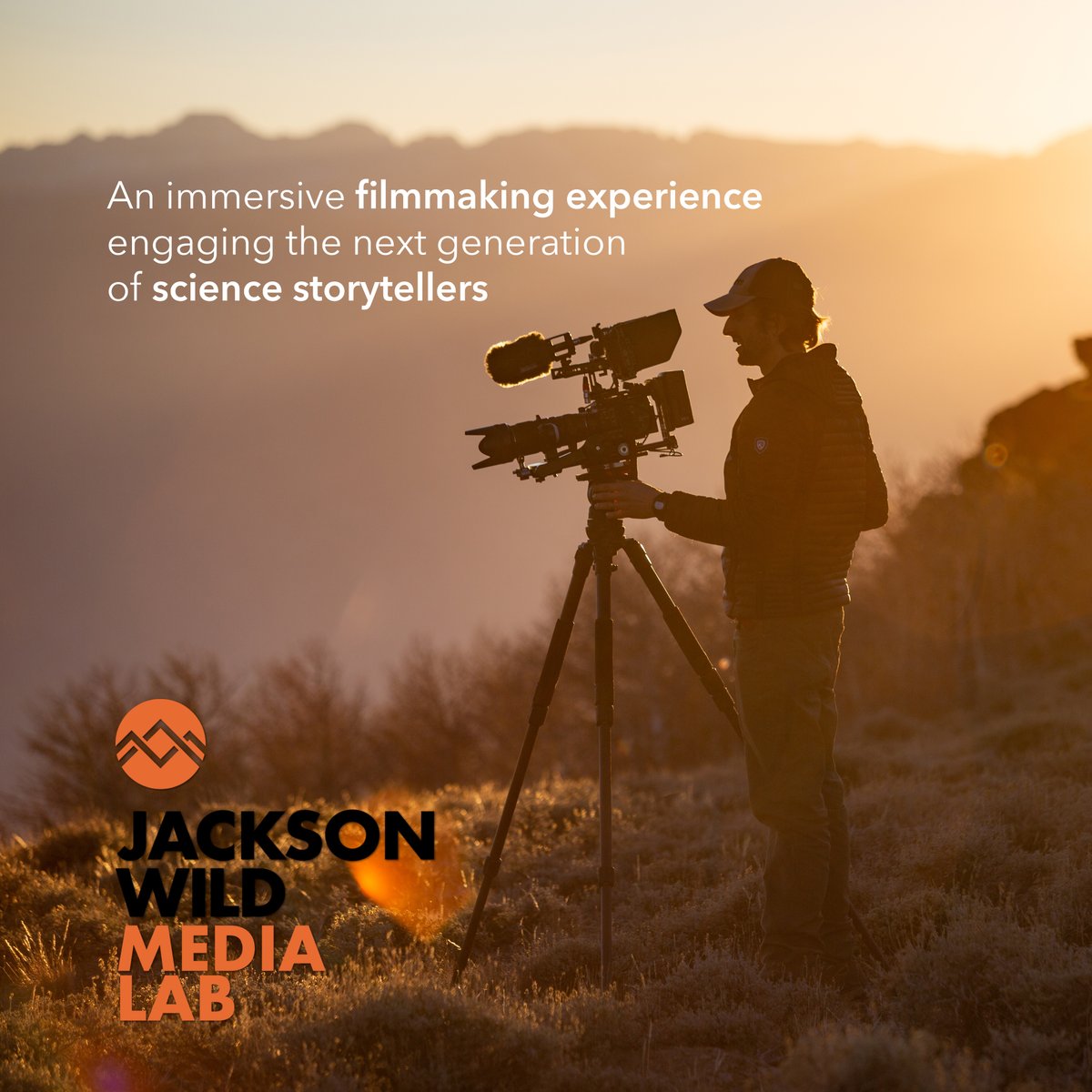
Are you passionate about science, nature, & conservation communication? The @JacksonWild Media Lab is calling select North American storytellers to join us in the @GrandTetonNPS this September! Apply now at https://t.co/smDtZumdfp 🐻 #JacksonWild#Filmmaking
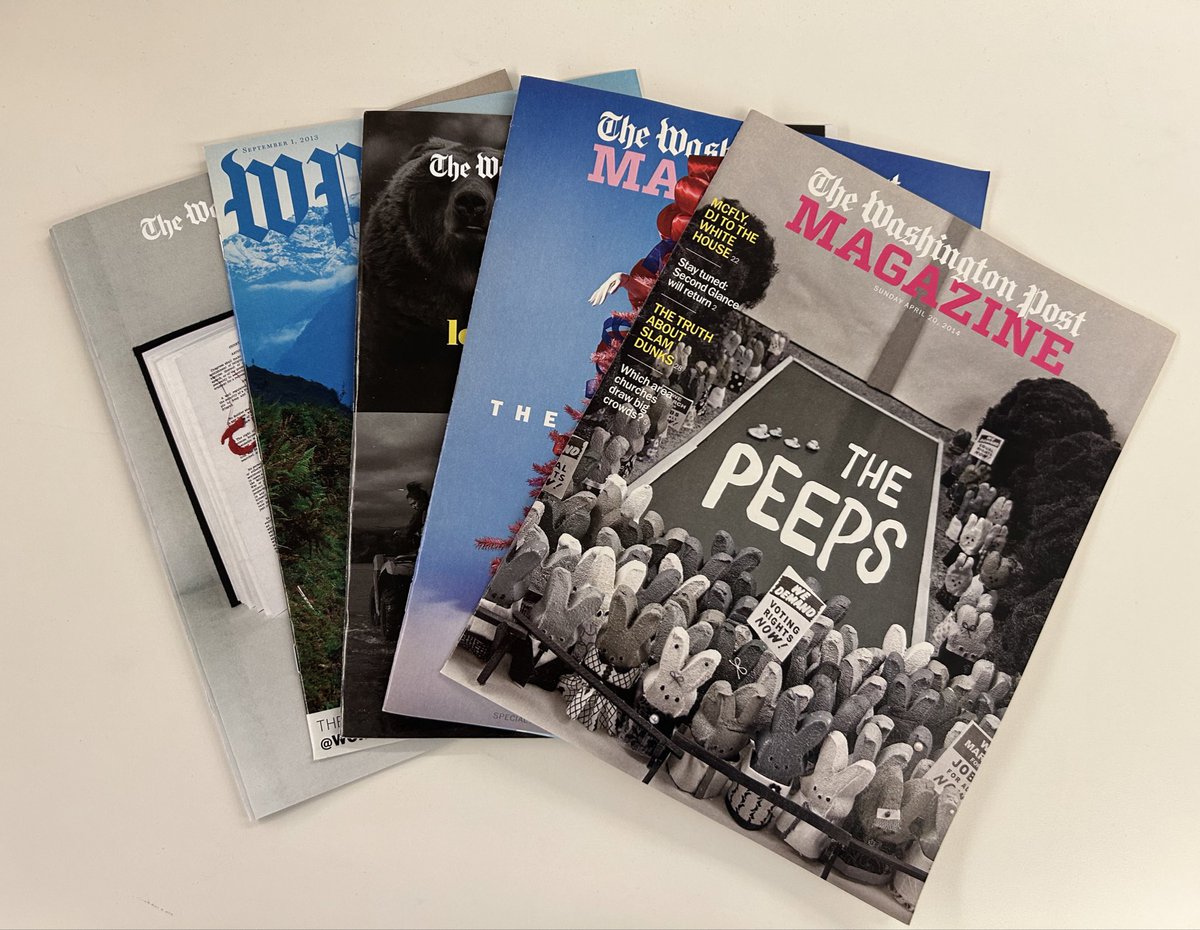
Last month the Washington Post ended publication of its award-winning magazine and laid off its brilliant, irreplaceable staff.
Today, on their last day at their jobs, magazine employees & @PostGuild members are bringing the magazine archives to @librarycongress for posterity.
The gas stove hubbub might have you thinking a new study came out that shocked scientists and regulators into action.
The truth is that decades of research have been finding the same thing: gas stoves can be quite bad for your health.
By me @gridnews
https://t.co/qK5TEXo8fA
Glass frogs have see-through skin, but that’s not enough to be totally invisible from predators. So when they sleep, they hide nearly all their red blood cells in their liver, @KatherineJWu reports.
https://t.co/3tnh4S8Edg
Tomorrow I’ll be moderating a talk on the science of poop!
Come hear @LinaZeldovich and @SeattleBryn as they explore how poop can cure diseases, fight climate change and do much, much more. Join in person in NYC or online! https://t.co/HHE8iZRnfZ
Before I was a science journalist for @NPR, I was a circus performer in Alaska. I'm talking leotards, face jewels, forearm muscles. The tricks look impossible, but physics is on your side.
Circus artist and #physics educator Julia Ruth shows us how on today's @NPRShortWave 🎪🧵
In Kochi, we sit at the fascinating interface of eastern and western Indian fishing traditions, cultures, and technologies. What an opportunity to learn about the evolution of fishing culture in coupled socio-environmental systems. #TechCampKochi2022@CPPRIndia@URIGSO