Help Kenyans find their voice to claim their constitutional rights, hold the government accountable, and make the Constitution a lived reality for all.
Viva! Viva!
To everyone who stood with us, spoke up, prayed, amplified our voices, and defended our shared civic space.
Ahsante!
Solidarity forever. Eternal vigilance. We keep the watch. We hold the line.
𝐊𝐞𝐧𝐲𝐚'𝐬 𝐇𝐢𝐝𝐝𝐞𝐧 𝐃𝐞𝐛𝐭: 𝐏𝐞𝐧𝐝𝐢𝐧𝐠 𝐁𝐢𝐥𝐥𝐬
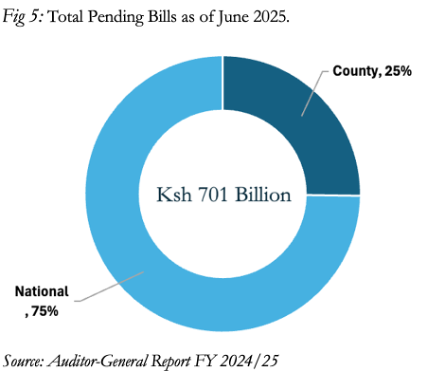
Kenya has 𝒂𝒄𝒄𝒖𝒎𝒖𝒍𝒂𝒕𝒆𝒅 𝑲𝑺𝒉 701.7 𝒃𝒊𝒍𝒍𝒊𝒐𝒏 by June 2025 in pending bills legal obligations that remain outside official public debt statistics. This masks the Government's true fiscal exposure.
Findout more>> https://t.co/sgQJpCuaXu
#DebtontheBallotKE #KISP
Why does your ward never get that road or clinic funded ,while others keep getting projects year after year?"We've been asking for this road for five years." "That clinic promise was made three governors ago." Meanwhile, a ward two constituencies over gets a new borehole, a resurfaced road, a renovated health center seemingly on repeat.
It's easy to assume it's favoritism, politics, or just bad luck. And sometimes it is. But more often than people realize, the real reason is far less dramatic and far more fixable. It's paperwork. Specifically, it's the ADP.
An Annual Development Plan (ADP) is the official yearly list of projects that a ward or local government submits for budgeting and funding. Think of it as the master shortlist that determines what public money can legally be spent on that year. If a project was never logged in your ward's ADP, it is structurally invisible to the budget process. It doesn't matter how urgent it is. If it's not on the list, it cannot be funded.
The good news? This is something you can check and fix right now.
Every year, there's a window when the draft ADP is open for review before it's finalized and locked in. Once that window closes, it's difficult to add anything back in until the next cycle.
✅ Take action now: Check whether your ward's priority projects, that road, that clinic, that borehole, are actually listed in this year's draft ADP.
The technical committee sat back down today for the second review of the Vihiga County Governance Regress Mechanism Policy and Public Participation legislation, and for once, it has backing and actual enforcement.
The highlight is the Directorate of ICT is building with the new Electronic Grievance Redress Mechanism (E-GRM).
We are moving away from complaints disappearing into county hall archives. The E-GRM is being built to track grievances in real time, fire automated SMS updates directly to citizens and responsible officers, and automatically flag unresolved files when officials stall. It turns public feedback from a passive suggestion box into an active, trace-able accountability trail across Vihiga.We are pushing to finalize the policy framework and repeal bill now.
Next stop: the County Executive Committee Member, then straight to the floor of the County Assembly.
Accountability only works when the system leaves nowhere to hide. We're building that system.
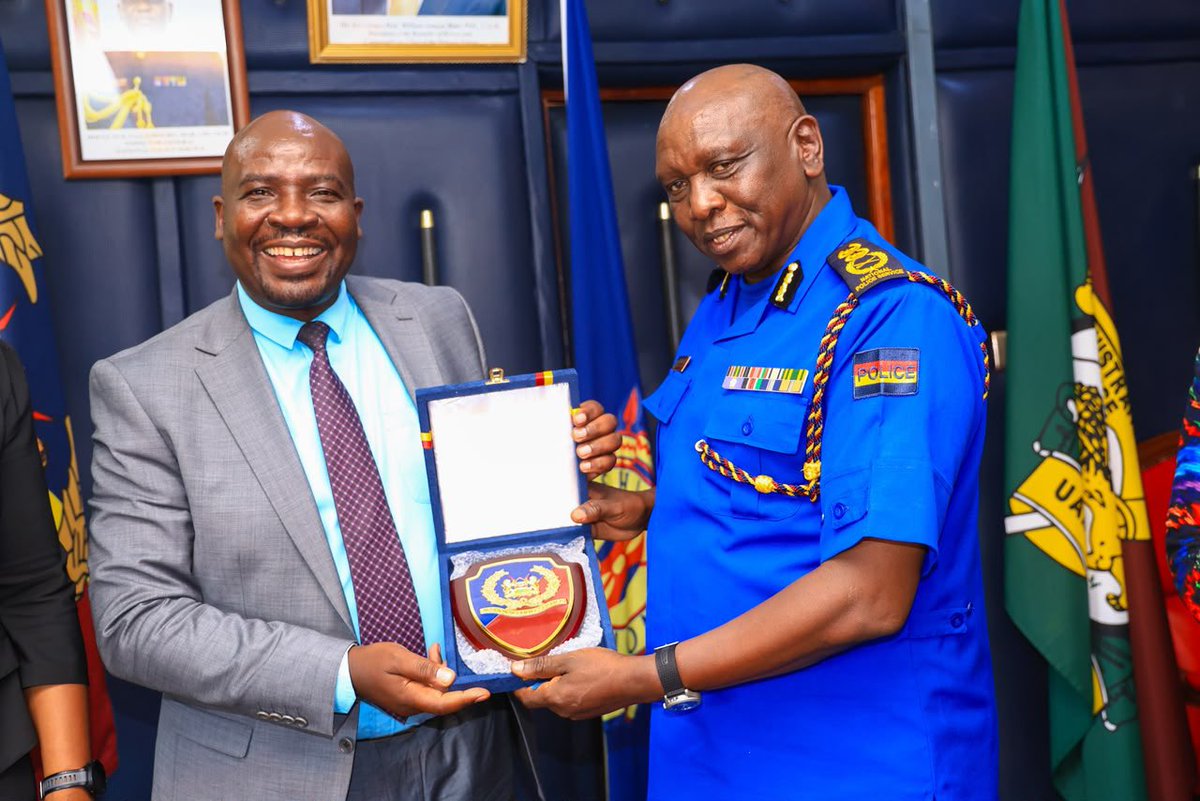
𝗖𝗢𝗨𝗥𝗧𝗘𝗦𝗬 𝗖𝗔𝗟𝗟 𝗕𝗬 𝗔𝗠𝗡𝗘𝗦𝗧𝗬 𝗜𝗡𝗧𝗘𝗥𝗡𝗔𝗧𝗜𝗢𝗡𝗔𝗟 𝗞𝗘𝗡𝗬𝗔 𝗔𝗡𝗗 𝗖𝗜𝗩𝗜𝗟 𝗦𝗢𝗖𝗜𝗘𝗧𝗬 𝗢𝗥𝗚𝗔𝗡𝗜𝗦𝗔𝗧𝗜𝗢𝗡𝗦 𝗢𝗡 𝗧𝗛𝗘 𝗜𝗡𝗦𝗣𝗘𝗖𝗧𝗢𝗥 𝗚𝗘𝗡𝗘𝗥𝗔𝗟 𝗢𝗙 𝗣𝗢𝗟𝗜𝗖𝗘, 𝗠𝗥. 𝗗𝗢𝗨𝗚𝗟𝗔𝗦 𝗞𝗔𝗡𝗝𝗔
The Inspector General of the National Police Service, Mr. Douglas Kanja, today, 29th July 2026, hosted a delegation from Amnesty International Kenya and representatives of various civil society organisations for a courtesy call. The meeting sought to strengthen collaboration on matters of mutual interest, particularly rights-based policing, public safety, and preparations for the 2027 General Elections.
Discussions focused on enhancing constructive engagement between the National Police Service and civil society, with particular attention to accountability, the strengthening of community policing, support for peaceful public assemblies, and the identification of practical areas for collaboration in accordance with the Constitution and the rule of law.
Addressing the meeting, the Inspector General thanked the delegation for the visit and reaffirmed the National Police Service’s commitment to constructive engagement with civil society in pursuit of professional, rights-based policing. He underscored that security is a shared responsibility and that the partnership offers a valuable platform for rebuilding public trust, strengthening community policing, and identifying collaborative opportunities aligned with the Service’s Strategic Plan (2023–2027) and its agenda of transforming police stations and all other service areas into Centres of Excellence in service delivery. He further emphasised the importance of ongoing reforms—particularly capacity-building and digitisation—as essential drivers of integrity, transparency, accountability, and effective policing.
Speaking on behalf of the delegation, the Executive Director of Amnesty International Kenya, Mr. George Morara, acknowledged the positive working relationship between the National Police Service and civil society organisations, and reiterated his organisation’s commitment to continued collaboration. He also highlighted the importance of ongoing engagement with communities to improve community policing and restore public confidence, as well as the need for collaborative efforts on election security preparedness and the mitigation of emerging security threats—including criminal gangs—through appropriate de-escalation strategies and rights-based approaches.
Mr. Morara was accompanied by Amnesty International Kenya’s Senior Campaigner for Civil Liberties, Mr. Ramadhan Rajab, and Mr. George Mwangala. Other civil society representatives in attendance included the Executive Director of The Institute for Social Accountability (TISA), Ms. Diana Gichengo; Ms. Emmy Auma of International Alert; and Ms. Wangechi Grace Kahuria of the Independent Medico-Legal Unit (IMLU).
Senior officers from the National Police Service present included the Director of Corporate Communication and Spokesperson, Mr. Muchiri Nyaga, AIG; Director of Training and Research, Mr. Aljir Hassan, AIG; Director of Legal Services, Mr. Amos Omuga, AIG; Director of ICT, Mr. Samuel Mwilu, AIG; and the Personal Assistant to the Inspector General, Mr. James Murithi, CP; alongside other senior officers.
Human Dignity and the Soul of the Nation
We are watching a predictable sequence repeat itself: an arrest for a minor offense, demands for cash bail, severe assault behind closed doors, and a family left to demand answers for a life cut short.
@InteriorKE@NPSOfficial_KE@IPOA_KE — when custodial deaths become routine headlines, the issue is no longer about individual bad actors. It points directly to structural impunity within command chains and a complete failure of institutional oversight.
Every life taken in custody strip-mines the core of human dignity—the inherent worth that our Constitution explicitly guarantees to every citizen, regardless of status or occupation.
To the current regime: what inheritance are you leaving us with? Tuna riithi nini? Police brutality and state violence?
A nation cannot claim to uphold democratic values or the rule of law when its state apparatus treats the fundamental right to life as negotiable. We must refuse to normalize this or allow systemic abuse to erode national values.
True national pride isn't built on force, but on justice, accountability, and the protection of the vulnerable.
To us wananchi, demand answers. Support frontline social justice centers. Keep every name in the light.
#StopPoliceBrutality #JusticeForErick #RejectImpubity
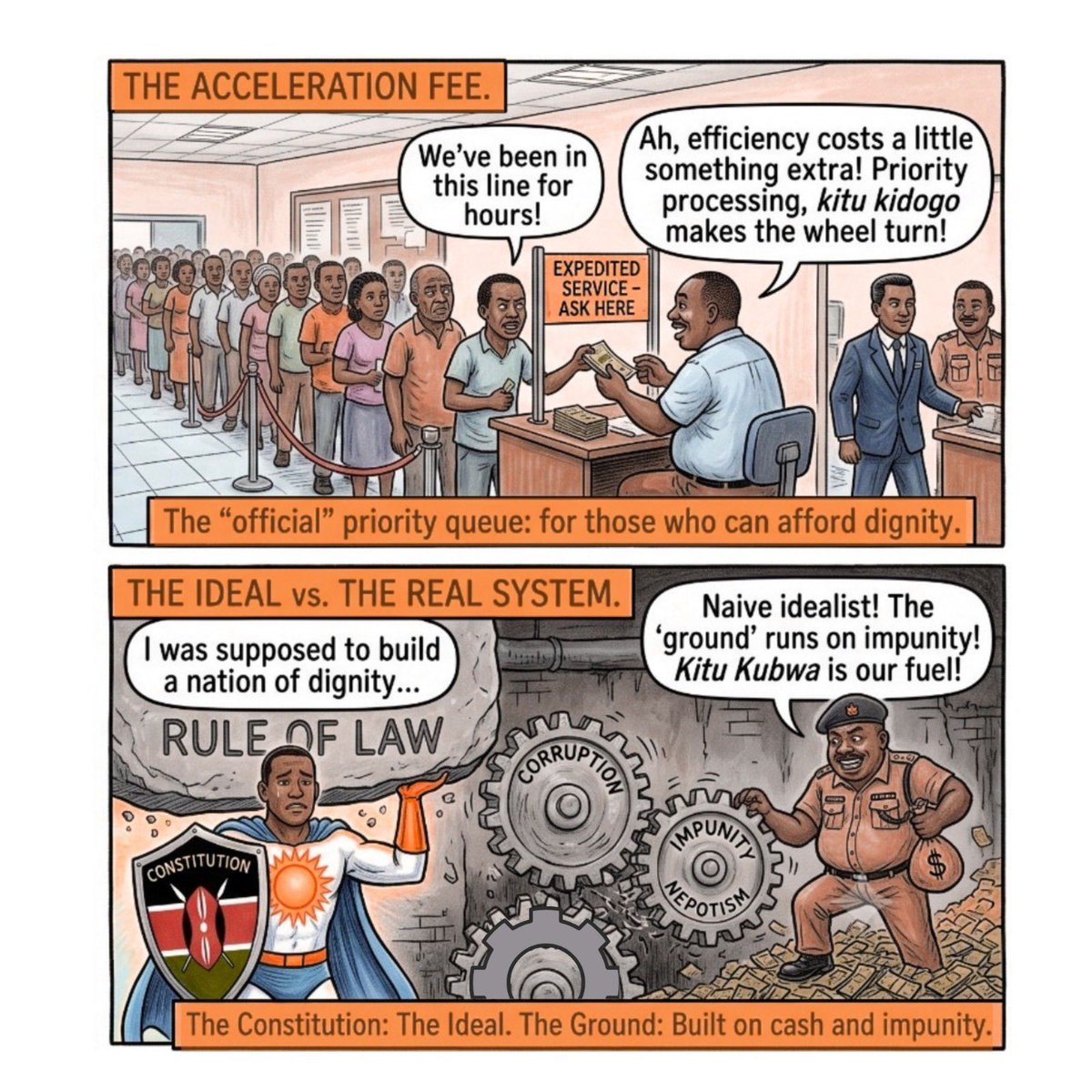
You walk into a county office at 8:00 AM for a simple permit, only to watch staff chat over tea while the line stretches out the door. Two hours later, you finally reach the counter, and the officer lowers their voice: "Hiyo application ita-take time... unless ucheze Kama wewe ."
We’ve all lived this scene. Whether it’s getting a signature at the chief's office, waiting endlessly for emergency care at a public hospital, or getting flagged down at a police checkpoint, the reality kwa ground is broken. You are routinely forced to choose between humiliation and pulling out a bribe , paying kitu kidogo (that’s actually kubwa) just to access basic public services.
When we normalize paying to be treated like human beings, we don't just lose money; we surrender our constitutional rights. Article 10 explicitly binds every public officer to national values and integrity, while Article 28 states that every person has inherent dignity that must be respected and protected.
Dignity is not a favor granted by a bureaucrat, nor is it something you should have to "facilitate" with cash. By accepting extortion as standard procedure, we reinforce a system that deprives the most vulnerable of their basic rights and turns guaranteed services into paid privileges.
#COK #Katiba #ATI #Corruption
Every single day, we're bleeding. 💸 The headlines focus on new borrowing, but the real story is how much we're already spending on debt service. We're talking about BILLIONS vanishing every single day! Look at the relentless growth in the graphic – it’s projected to hit KSh 6.4 billion per day by 2027.
Where did that money go? Did it build anything for us, or did it vanish through corruption, waste, and inflated contracts? While connected elites capture public money and investors get rich off interest, we, the ordinary Kenyans, are squeezed with high taxes and dwindling public services.
This is not sustainable debt; it is a relentless mechanism for transferring wealth from the public to the powerful. Stop the exploitation. Demand a transparent and full #PeoplesAudit.
#DebtJustice #FiscalJustice 🇰🇪
Treasury’s decision to clean up domestic debt data is a welcome step. It acknowledges that public debt records must be accurate, credible, and accountable.
This is exactly what the Okoa Uchumi coalition and its partners have consistently called for. Sustained citizen advocacy is helping move Kenya towards greater debt transparency and accountability.
Now is the time to go all the way.
The Government committed to publish the IMF Governance and Corruption Diagnostic (GCD) Report. We formally petitioned the National Assembly for its release, and Kenyans continue to await its publication.
Equally important, the Government should fully comply with the High Court decision requiring the publication of all public debt contracts and related information—from contracting, to disbursement and utilization, through to repayment. Citizens have a constitutional right to know who we are borrowing from, on what terms, how the money is spent, and how it is repaid.
The path forward is clear:
📌 Reconcile and publish accurate domestic debt data.
📌 Release the IMF Governance and Corruption Diagnostic Report.
📌 Fully implement the High Court ruling on proactive disclosure of all public debt contracts and the entire debt lifecycle.
📌 Commit to full transparency, accountability, and meaningful public participation in public debt governance.
Strong economies are built on public trust. Public trust is built through openness, accountability, and an informed citizenry.
#ShowTheReceipts #OkoaUchumi #DebtJustice #FiscalTransparency #OpenGovernment #PublicParticipation
Via @BD_Africa
https://t.co/SbLY8lo9w0
Did you know that some public projects are officially recorded as completed and fully paid for,
yet remain stalled, incomplete, or fail to provide the services they were intended to deliver?
This is why public project tracking is vital.
By reviewing County Integrated Development Plans (CIDPs), Annual Development Plans
(ADPs), budget documents and reports from the Office of the Controller of Budget, citizens can
compare what was planned, funded, and reported against what exists on the ground.
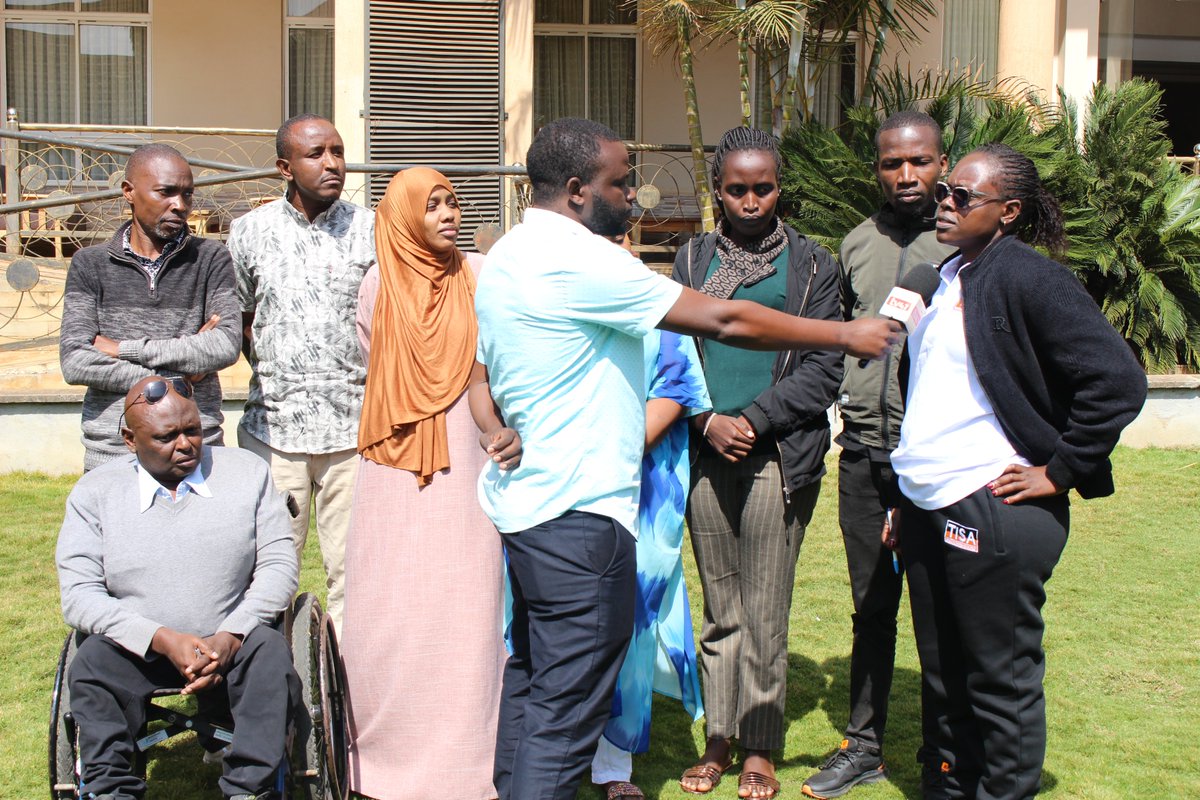
Last Thursday in Meru, TISA conducted a capacity-building session for Civil Society
Organizations, Community-Based Groups, youth, and people with disabilities from Meru and
Isiolo counties. The session focused on public project tracking as a pathway to a better future
and stronger social accountability.
Participants engaged in a practical walkthrough on how to interpret publicly available CIDPs,
ADPs, manifestos, and reports from the Office of the Controller of Budget. They also learned
how to draft Access to Information requests, memoranda, and petitions to duty bearers.
The
session sparked immediate action among attendees by deepening their understanding of how to
track county projects and demand accountability. From the projects reviewed, most were found
to be either behind schedule or stalled, prompting participants to commit to applying the insights
gained in seeking accountability from duty bearers.
If public project tracking is embraced as a shared responsibility across the country, citizens can
help build a more accountable system and contribute to a better future for all.
In partnership with @TIKenya . Jointly supported by @EUinKenya and @KAS_Kenya .
#AccessToInformation #ATI #Accountability #KASTUNU
Article 1 and Article 38 of the Constitution state that all sovereign power belongs to the people of Kenyaexercised directly or through elected representatives.
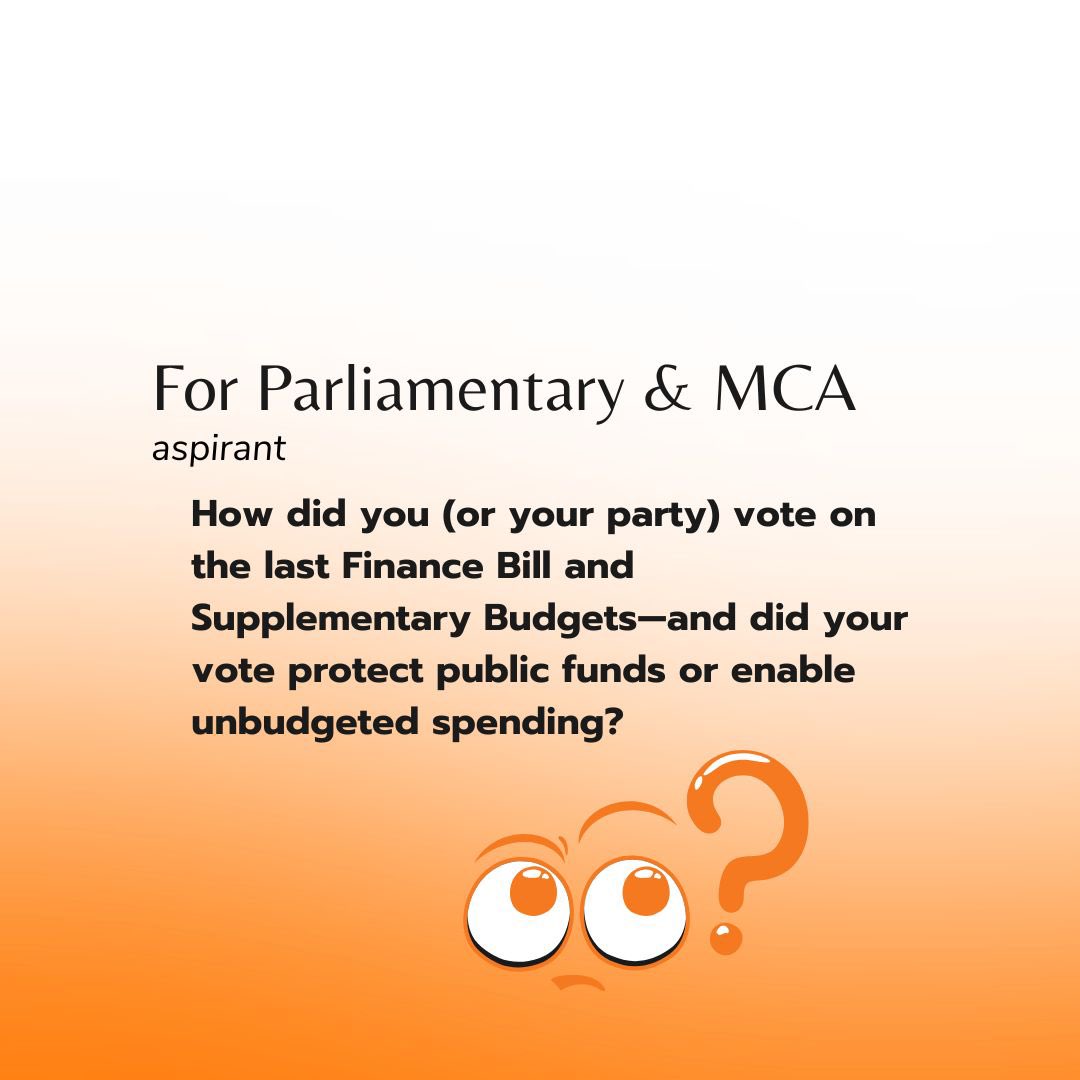
Voting is not a cultural festival, a tribal tally, or an emotional ritual. It is hiring a Management Team for your tax money.
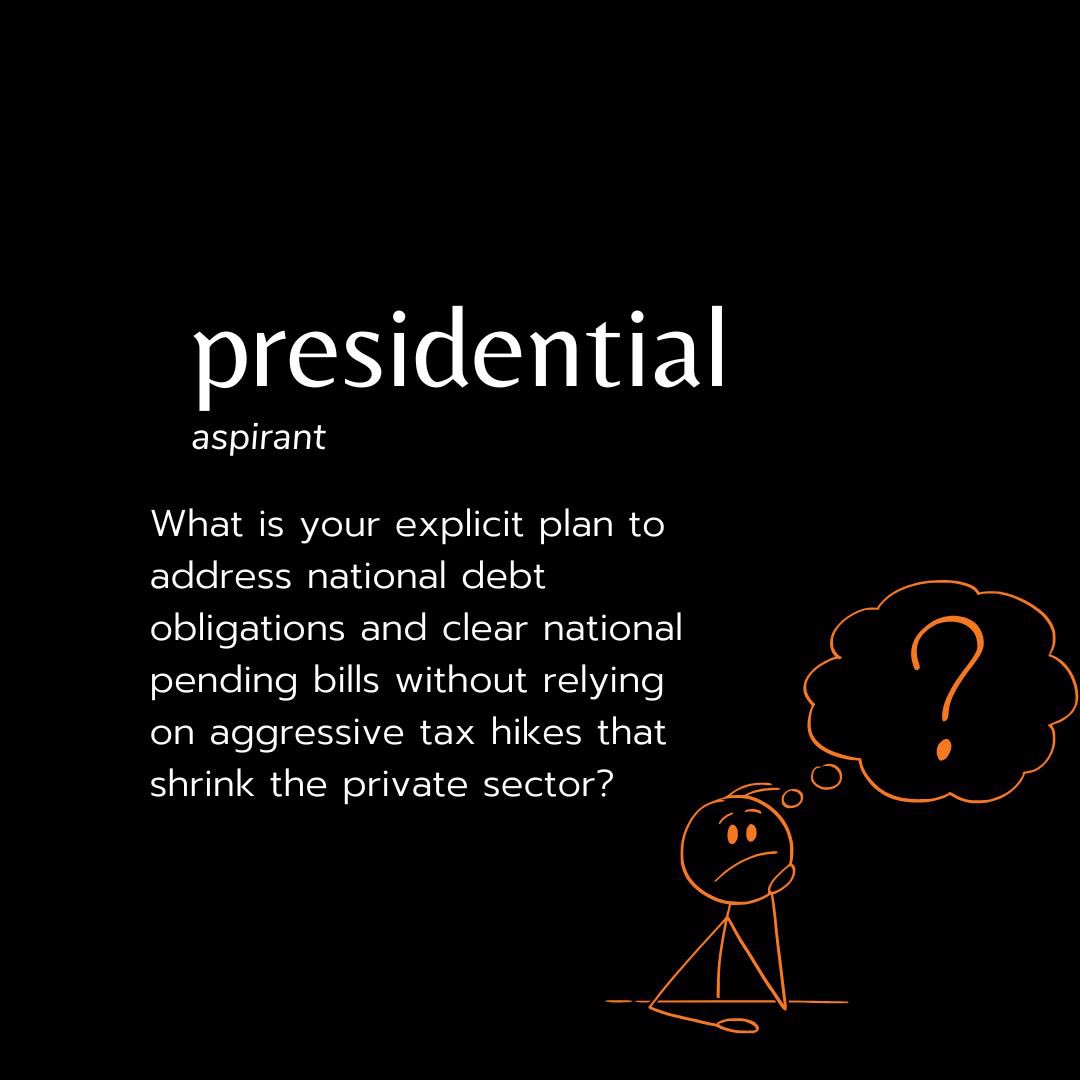
When a candidate promises "free development," "guaranteed funds," or "economic miracles" at a rally while refusing to explain how they will manage public debt, clear pending bills, or fund basic healthcare, they are asking you for a blank cheque.
Tunakagua alafu we fix it at the ballot!!
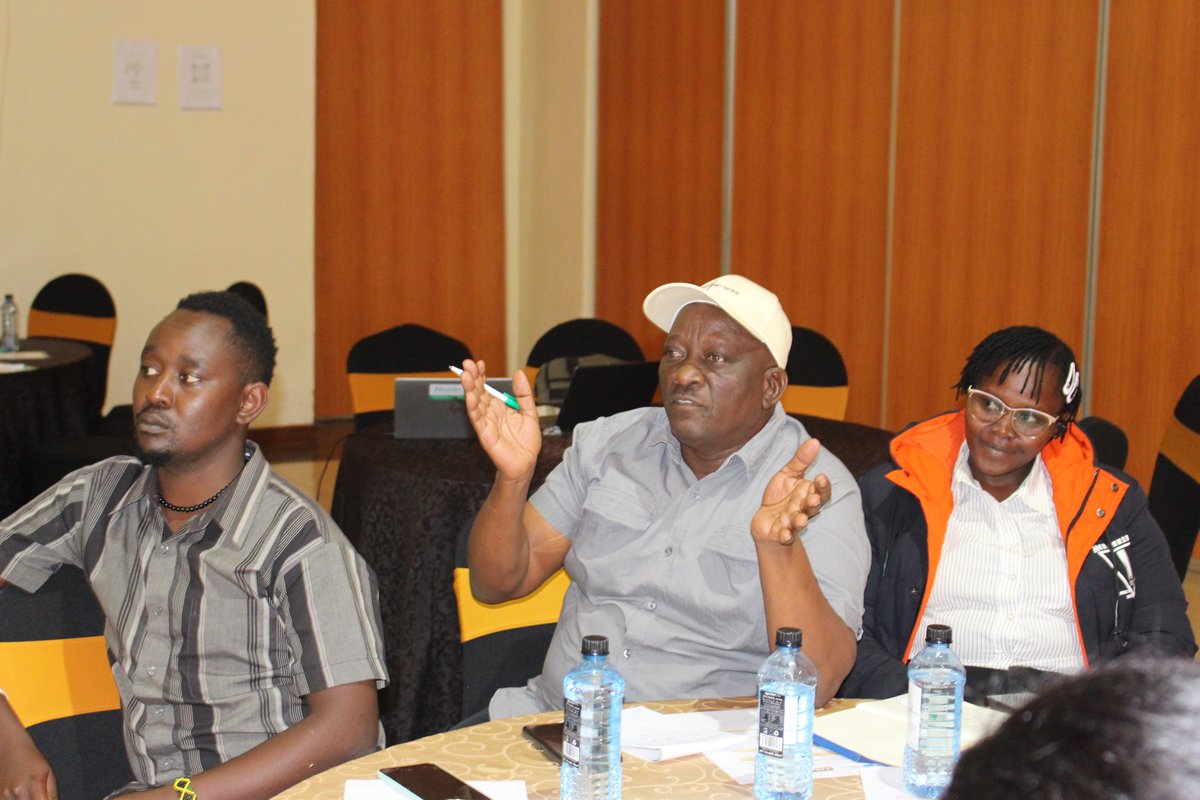
@nisisikenya trained Mombasa HRDs under the umbrella of @CoastRights on wealth creation on enterprise development projects which seek to support the HRDs on how to build themselves financially by creating alternative business out of the HRD work
@kawive@_James041@cff_kenya
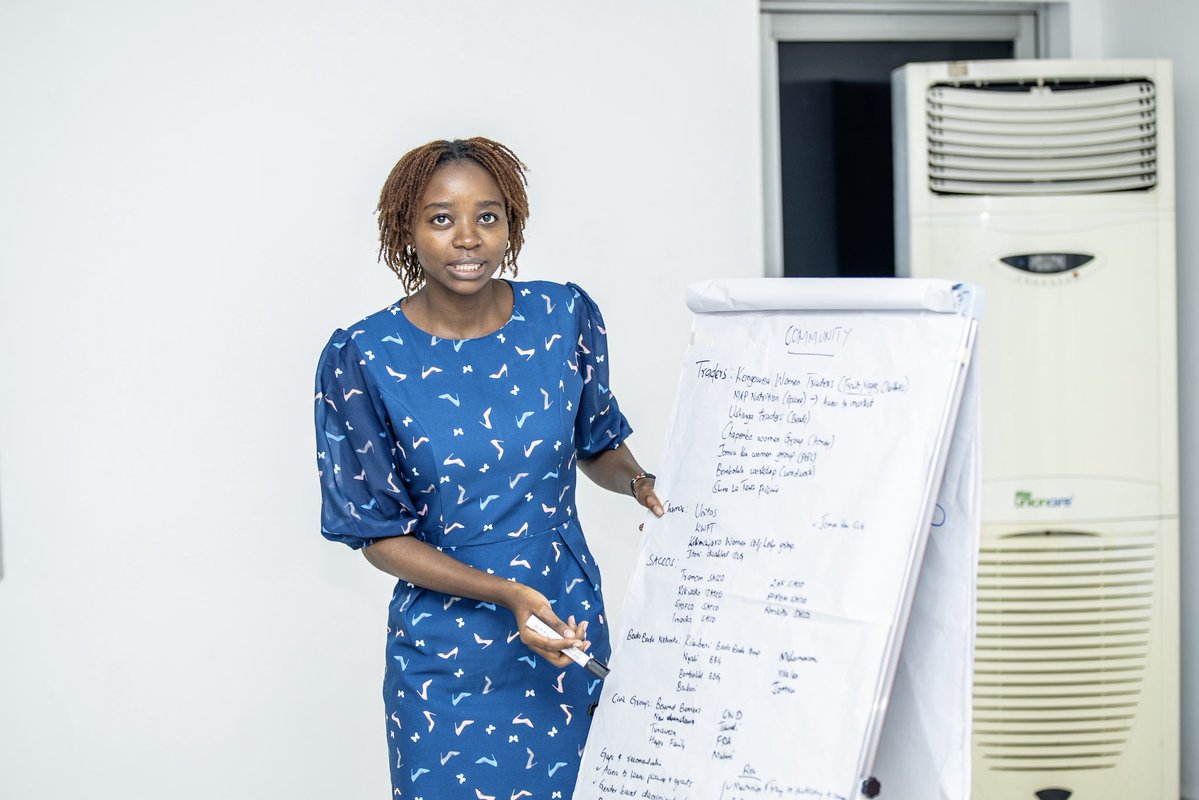
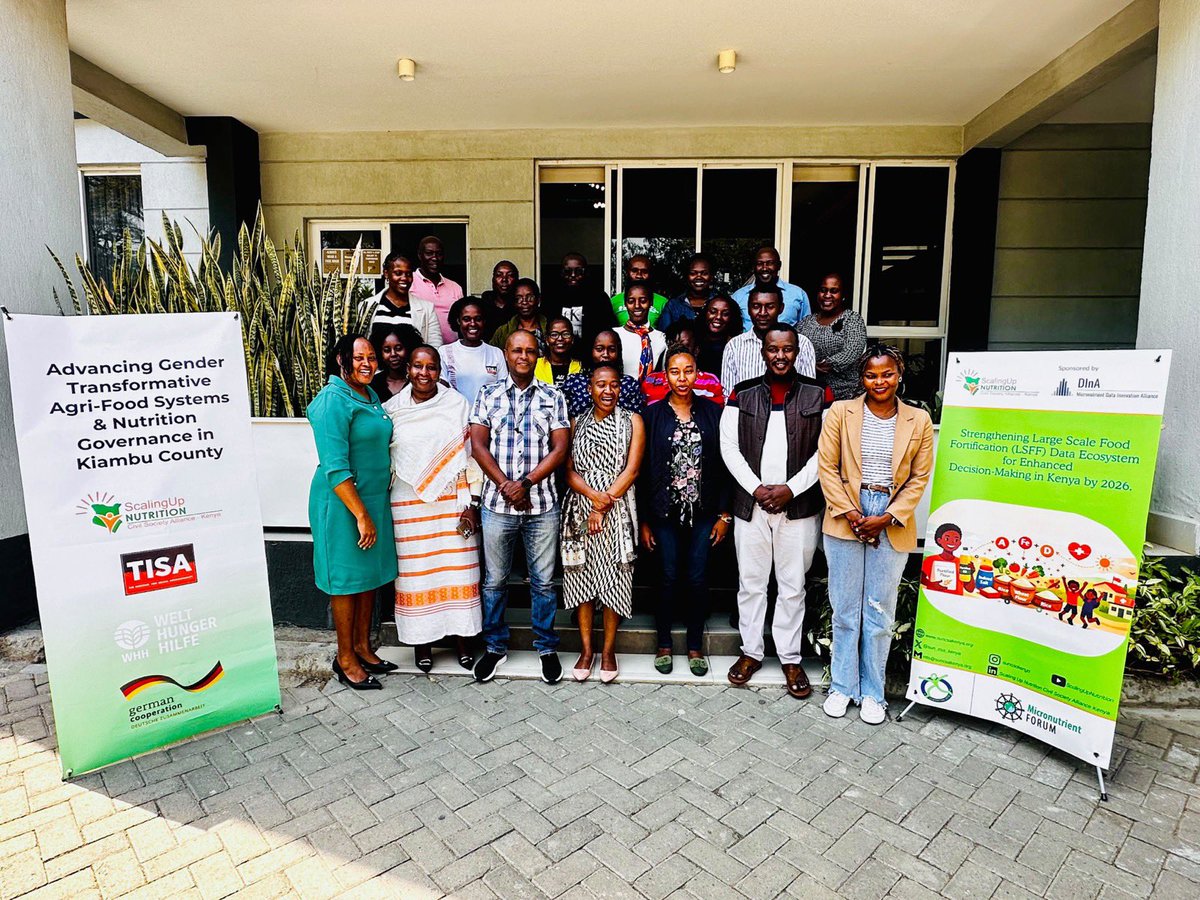
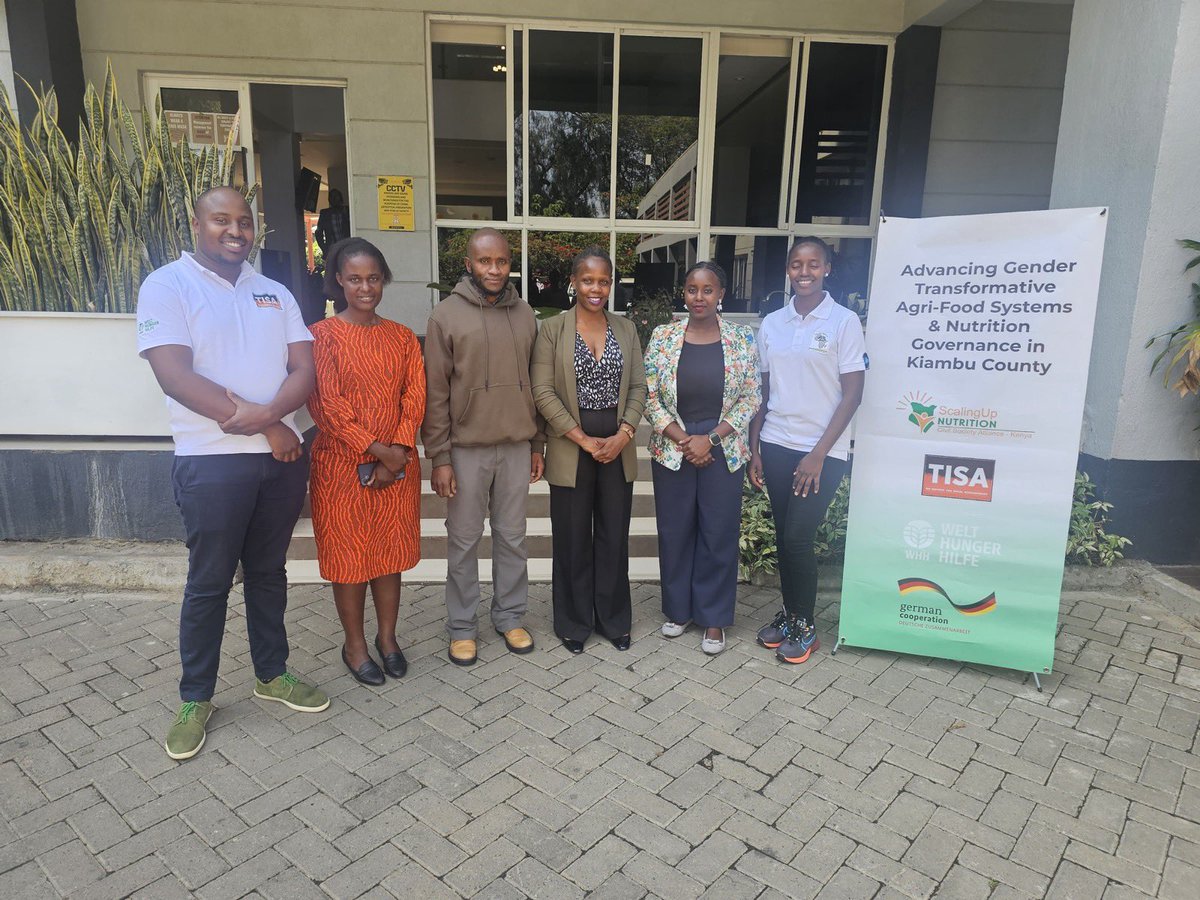
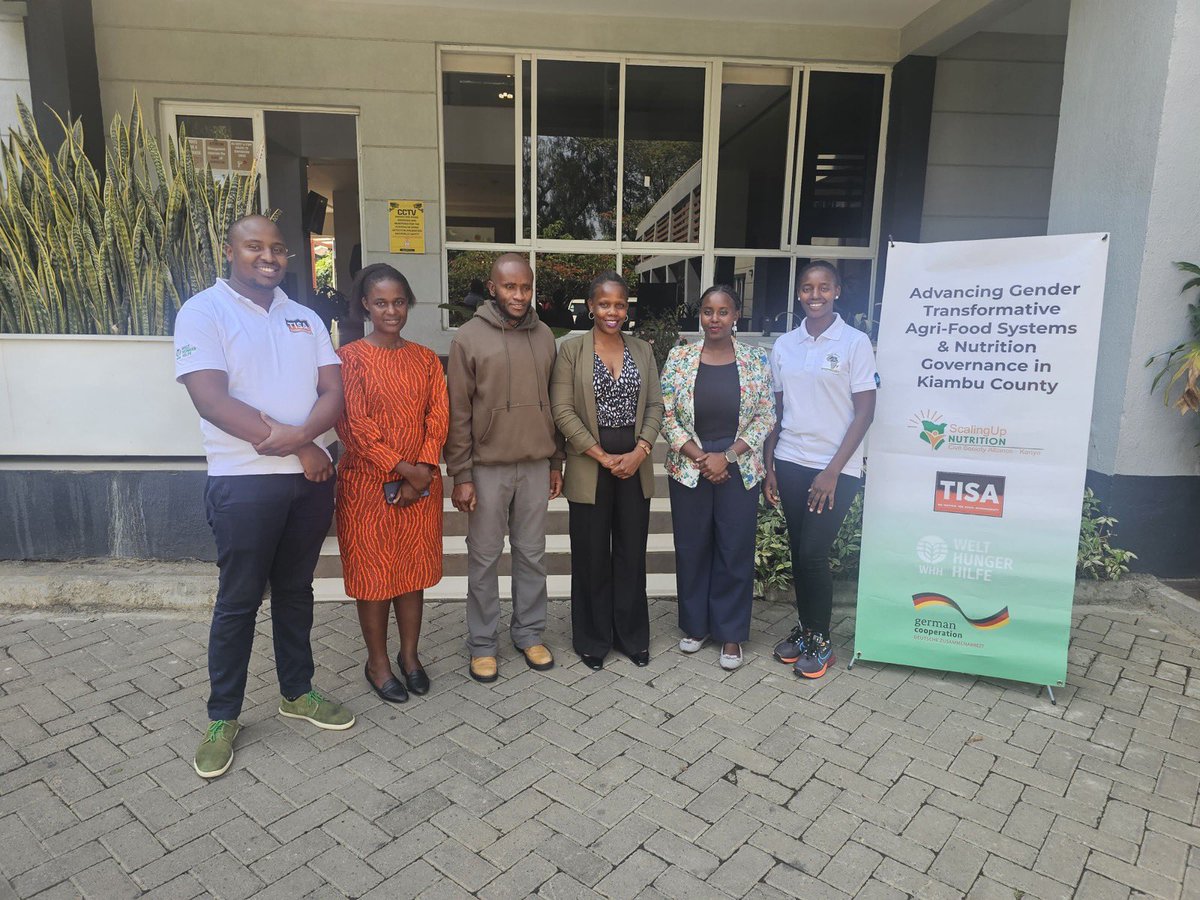
We wrapped up day two of drafting the new Kiambu County Nutrition Action Plan. We're in the room with county health officials, researchers, local civil society groups, and our Usawa Captains and the momentum is real.
The biggest win so far? A push to lock in a dedicated nutrition budget inside the main County Integrated Development Plan (CIDP). If that goes through, nutrition moves from a paper policy to a funded priority.
We’re keeping the focus firmly on equity: challenging the gender norms that hold families back, building community oversight, and making sure the county actually collects data split by gender so funds go where they're needed most.
Did you know that requesting information about any stalled public project in your area is your constitutional right under Article 35 on Access to Information?
Earlier this week in Nairobi, TISA convened civil society organizations and citizen champions from Kiambu and Makueni counties for a capacity-building session on public project tracking as a practical tool for accountability.
From schools, roads, hospitals and markets to water projects, project tracking enables citizens to monitor implementation, identify stalled or abandoned projects, and use tools such as Access to Information (ATI) requests, memoranda and constructive engagement with public institutions to demand action.
When citizens track public projects, public resources are better protected, transparency is strengthened, and development reaches the people it is intended to serve.
Participants left with one shared commitment: to begin tracking projects in their counties using County CIDPs, ADPs, budgets and other public information available on county websites.
We invite every Kenyan to do the same. Visit your county or national government project, ask questions, request information under Article 35, document what you find, and speak up when projects are delayed, abandoned or poorly implemented.
Public money belongs to all of us. Accountability begins with all of us.
In partnership with @TIKenya
Jointly supported by @EUinKenya and @KAS_Kenya.
#AccessToInformation #ATI #Accountability #TISAKenya #KASTUNU
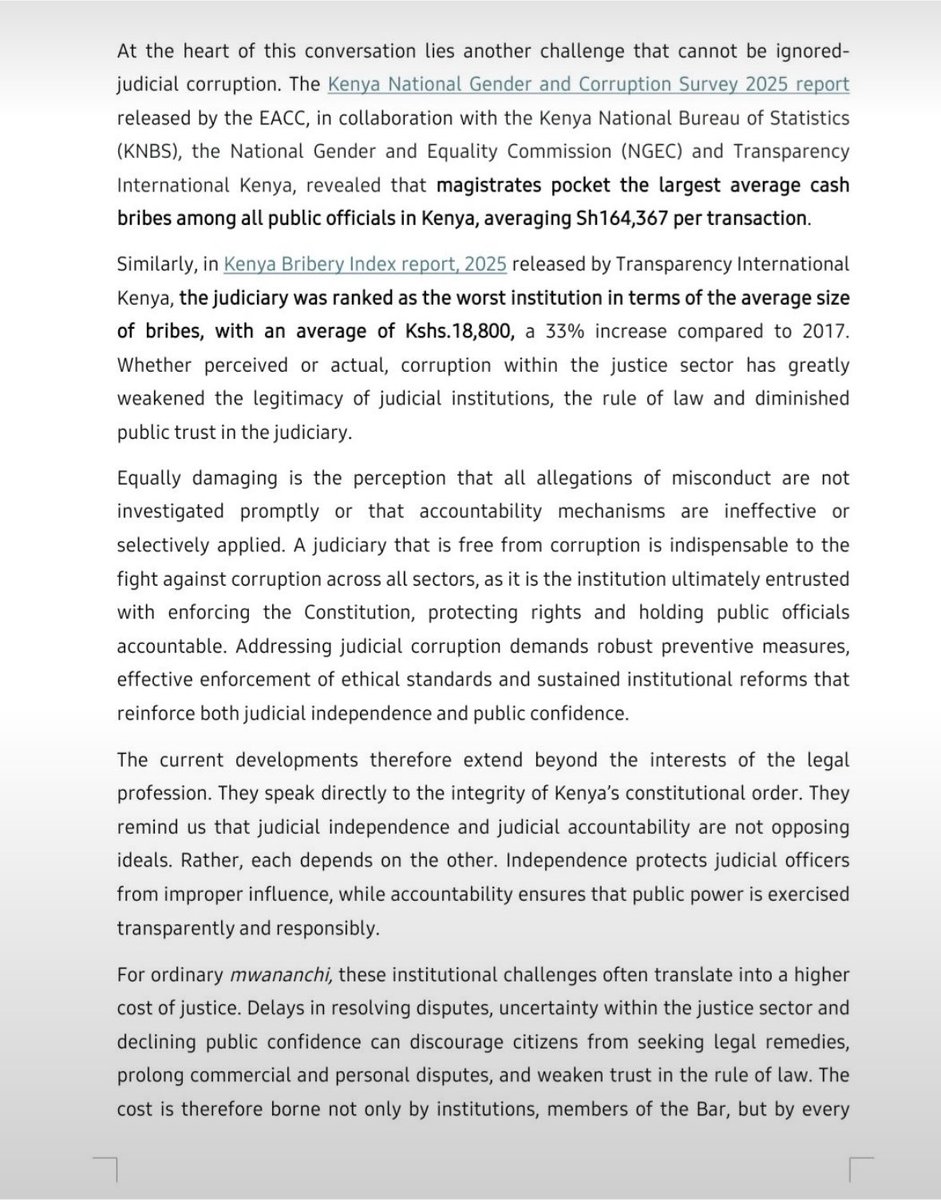
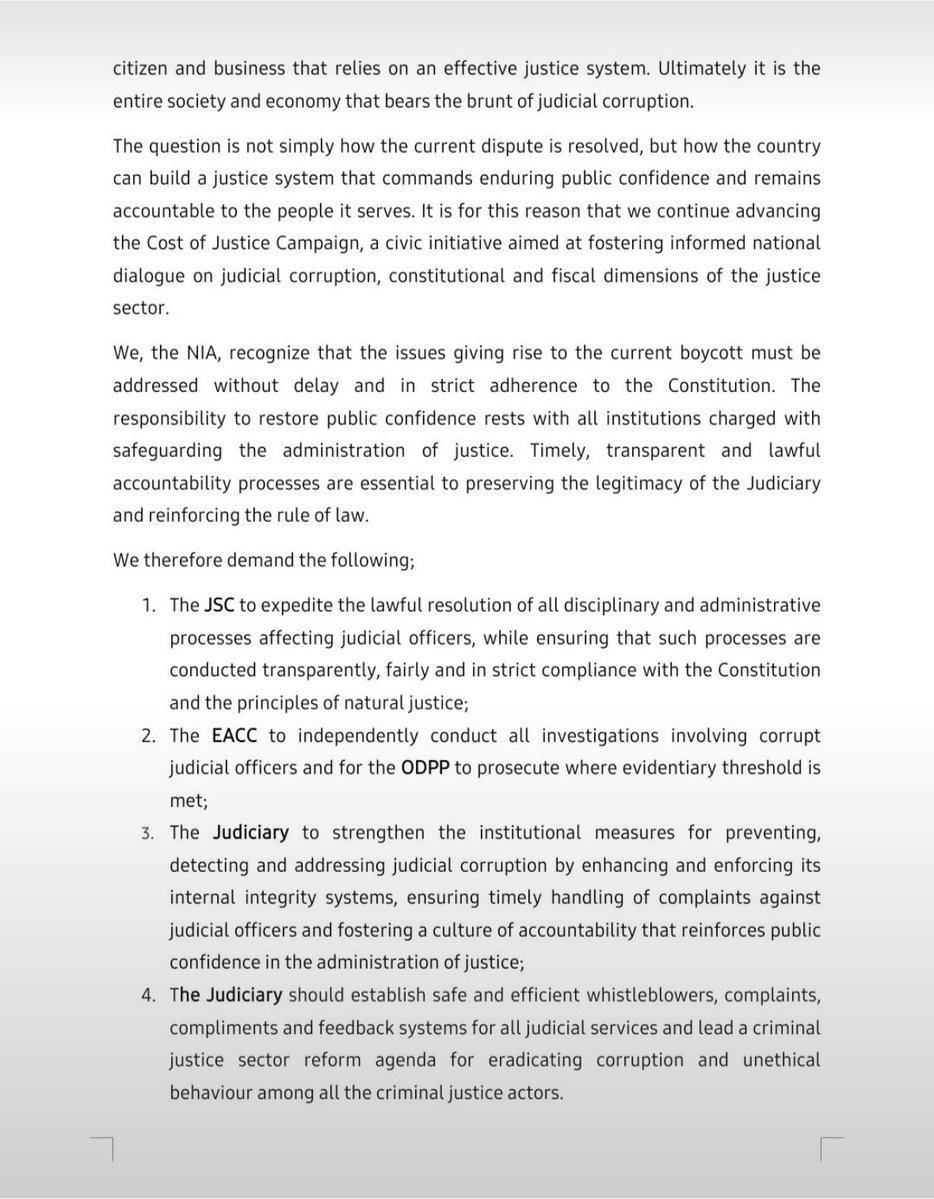
"What does it cost when public confidence in the justice system begins to erode?"
The administration of justice is a public necessity. Unresolved corruption, delayed disciplinary processes, and lack of transparency undermine the rule of law for every mwananchi.
When judicial integrity erodes, everyday citizens pay the price.
As National Integrity Alliance , we demand:
📌 Swift, transparent JSC disciplinary processes.
📌 Independent EACC investigations and prompt ODPP prosecution.
📌 Robust protection and reporting channels for whistleblowers.
#CostOfJustice #CivicAction #TISA
#hakiyanani
"Give me back my money!!"
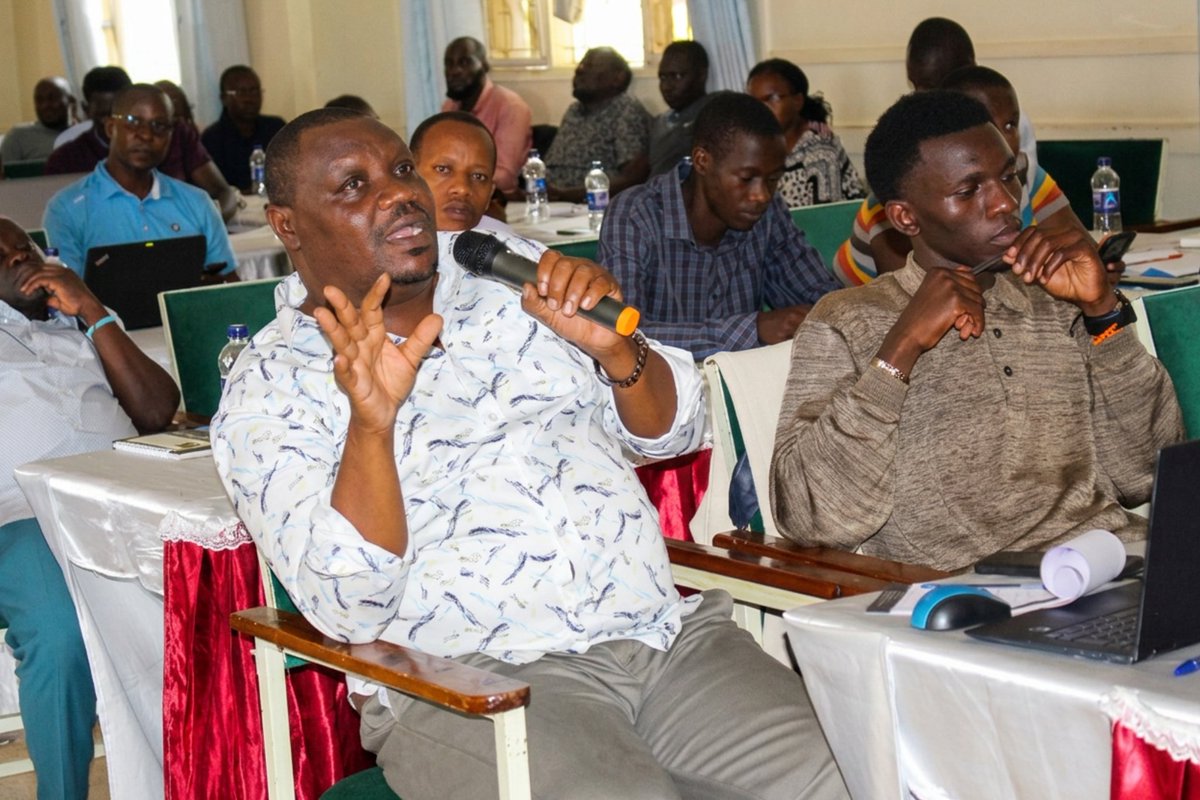
A snapshot of raw truth, conviction, and citizen power from our 2-day convening in Mombasa with @nisisikenya.
From interrogating the People's Audit findings to linking fiscal policy directly to the ballot box. And the numbers explain the anger in that room. In FY2026/27, debt service alone will consume Ksh 2.2 trillion, which is 90.4% of Consolidated Fund Services, and more than the entire education, health, social protection, and agriculture budgets combined. Every Ksh 9 that leaves the Fund goes to creditors before a single shilling reaches a pensioner.
Meanwhile, 90% of this year's Ksh 1.1 trillion deficit will be borrowed domestically, squeezing out credit for the very businesses that could create jobs. And "Other Operating Expenses" alone (Ksh 153.4 billion) could fund a school feeding programme for 5 million learners, 2,300 dispensaries, or 115,000 HELB scholarships. That's the money on the table while classrooms go hungry.
Give us back our money!!
Bad fiscal policy doesn't fix itself, we fix it at the ballot box.
In Mombasa with @nisisikenya , civil society, youth organizers, and grassroots defenders agreed on one thing: a vote isn't a gift, it's a hiring decision.
The People's Audit shows why that decision matters. Public debt has grown from Ksh 2.4 trillion in 2014 to over Ksh 13 trillion today. Interest payments alone now exceed what we spend on development. Meanwhile EACC's conviction rate on high-profile corruption cases sits below 5%, and Kenya loses hundreds of billions a year to corruption that audits flag and nobody answers for.
This isn't abstract. It's ghost schools swallowing capitation funds. It's a health budget stagnating. It is the misplaced priorities.
The dissemination and interrogation of the People's Audit findings continues to build evidence-based advocacy priorities and equipping citizens to interrogate debt management, budget implementation, and real accountability before a single ballot is cast.
If a leader won't commit to debt transparency, public participation, and fair taxation, they haven't earned your vote. Real accountability starts when citizens use evidence to grade power before they mark the ballot.
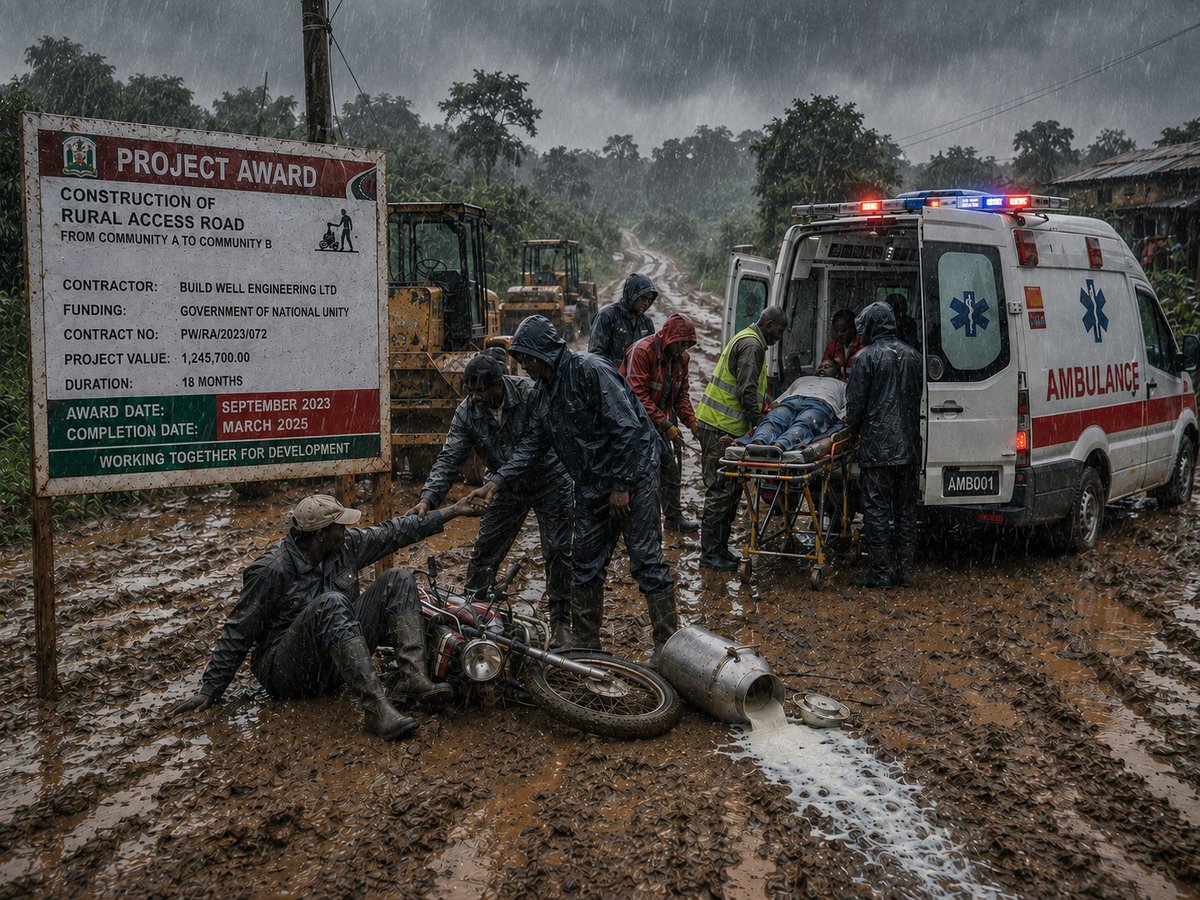
Unacheki hiyo project imesimama?
The unfinished road. The stalled hospital. The classroom that was never completed.
Yet the money was allocated.
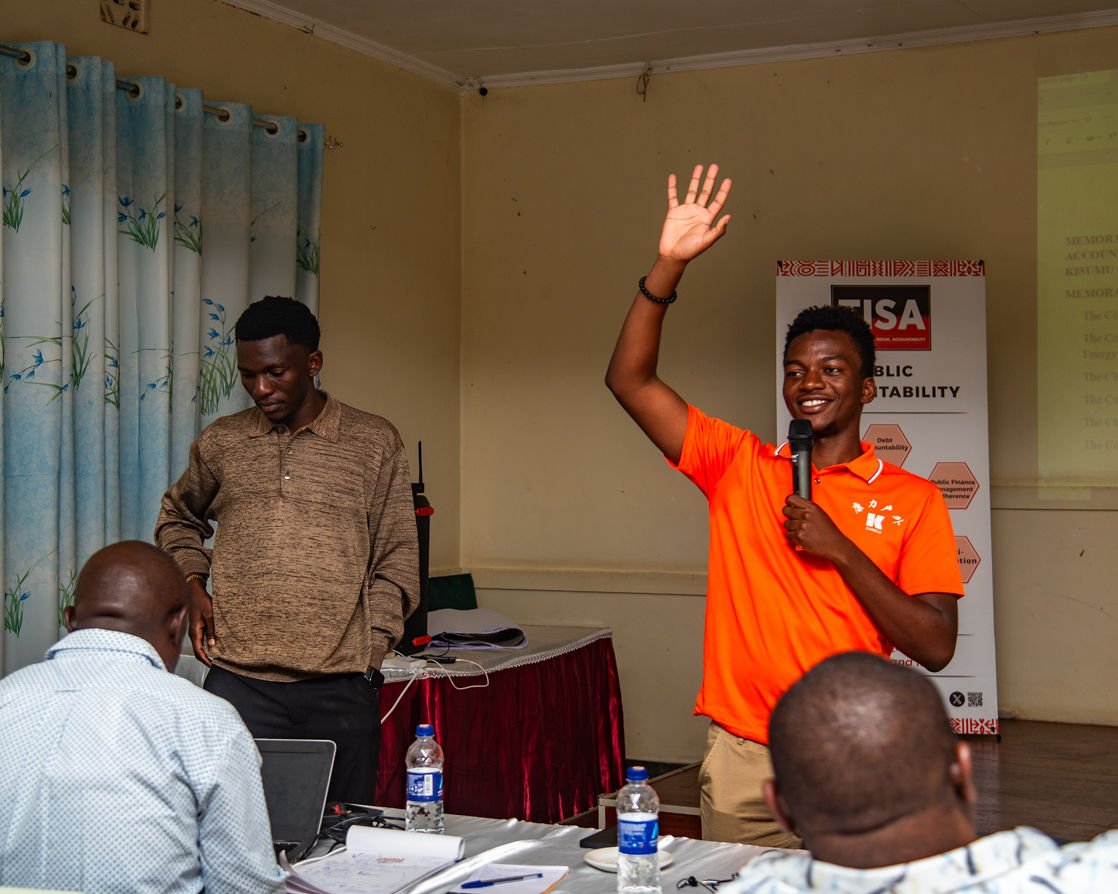
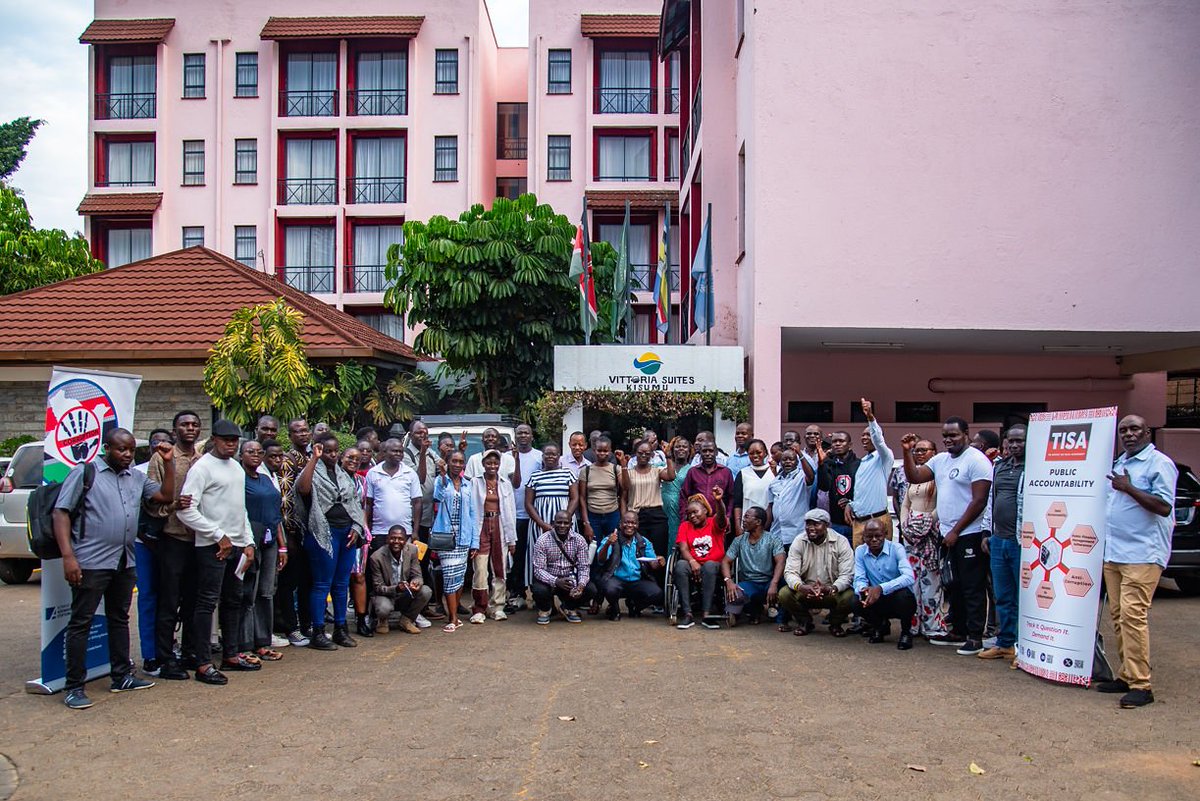
Last week, under the KAS TUNU Project, TISA convened a consultative session in Kisumu,
bringing together Civil Society Organizations (CSOs), Community-Based Organizations (CBOs),
and citizens to strengthen their understanding of the Access to Information Act and how it can
be used to promote transparency, accountability, and meaningful citizen participation.
Participants shared examples of stalled public projects in their communities and resolved that
the time to act is now. They committed to engaging duty bearers through Access to Information
(ATI) requests, petitions, and memoranda to seek answers on project implementation,
expenditure, and timelines.
They also learned that where information is denied or not provided within the timelines
prescribed by law, citizens have the right to seek redress through the Commission on
Administrative Justice (Office of the Ombudsman), the institution mandated to oversee and
enforce compliance with the Access to Information Act.
Every public project is funded by taxpayers. Every citizen has the right to know. Every duty
bearer has a responsibility to account.
Track it. Question it. Demand it.
In partnership with @TIKenya .
Jointly supported by @EUinKenya and @KAS_Kenya
#AccessToInformation #ATI #CitizenPower #Transparency
#Accountability #OfficeOfTheOmbudsman #TISAKenya #KASTUNU #Kisumu
Impeachment must have consequences.
As part of the National Integrity Alliance (NIA), @TIKenya stands in solidarity with our partners @thekhrc@nisisikenya@TISAKenya in calling for the integrity of public office to be upheld as Kenya prepares for the 2027 General Elections
We call for accountability and ethical leadership and urge all relevant institutions to uphold the constitutional principles of integrity and protect public trust.
The 2027 General Elections must be a turning point when integrity is upheld, public trust is protected, and accountability is enforced.
Read the full statement: https://t.co/CWlADJJODF
#ImpeachmentMustHaveConsequences #TIKe #Integrity #Accountability #EthicalLeadership #2027Elections
FREE EDUCATION OR FREE HEADLINES?
Education is a right, not a campaign giveaway.
Every election cycle, the promises get bigger. Every budget cycle, the money is nowhere to be found.
"Free university education" sounds fantastic, until you ask one uncomfortable question: Where is it in the budget?
You can't fund universities with microphones, press conferences, and applause. You need appropriations, legislation, and sustainable revenue.
We've asked for systemic reform and financial discipline. Instead, we're handed declarations dressed up as policy.
If there is no legal framework, no budget allocation, and no credible financing plan, then it's not a reform, it's a political press release.
Students don't graduate on promises. Universities don't pay lecturers with speeches. And rights don't depend on the generosity of politicians.
Declarations are not budget allocations. Stop selling headlines as policy.