Join us on a Voyage in Time... https://t.co/pe9Qiq0cTK
We invite volunteers to join our @the_zooniverse project, with @RMGreenwich, tracking the itineraries of the Royal Navy’s chronometers over more than a century. Project link: https://t.co/9qx6oExd1A (NB not for mobile)
We have completed the first set of pages - thank you all! A new tranche is now in place and all three workflows are up and running. Why not spend the last days of Betwixtmas, and the first of 2024, exploring the journeys of Royal Navy chronometers?!
https://t.co/8XP78UQuEM
12/ From the point of view of our core database on scientific instrument makers, it's great to see how closely and frequently they were involved in the Admiralty's deployment of chronometers. For the curator, it's fantastic to have added to the stories this one object can tell!
1/ Our Zooniverse transcription project is going along strongly, with the first tranche of pages from the Admiralty Chronometer Ledgers now nearly complete. https://t.co/8XP78UQuEM Thread ⬇️⬇️ #histsci#histSTM#dighums#transcription#museums
11/ This timeline can also be generated as a circle. A slider allows you to choose to show the full itinerary or cycles. This shows a 15 year cycle, suggestive of overlapping patterns of use, test and repair. Future work at scale might reveal wider patterns and seasonality.
1/7 With the project end in sight (yikes!), we be sharing a few titbits and insights from our database and collections data.
This journey will connect object, to maker, to location, starting with this optical protractor from @NtlMuseumsScot collections https://t.co/fA5b7yawsO
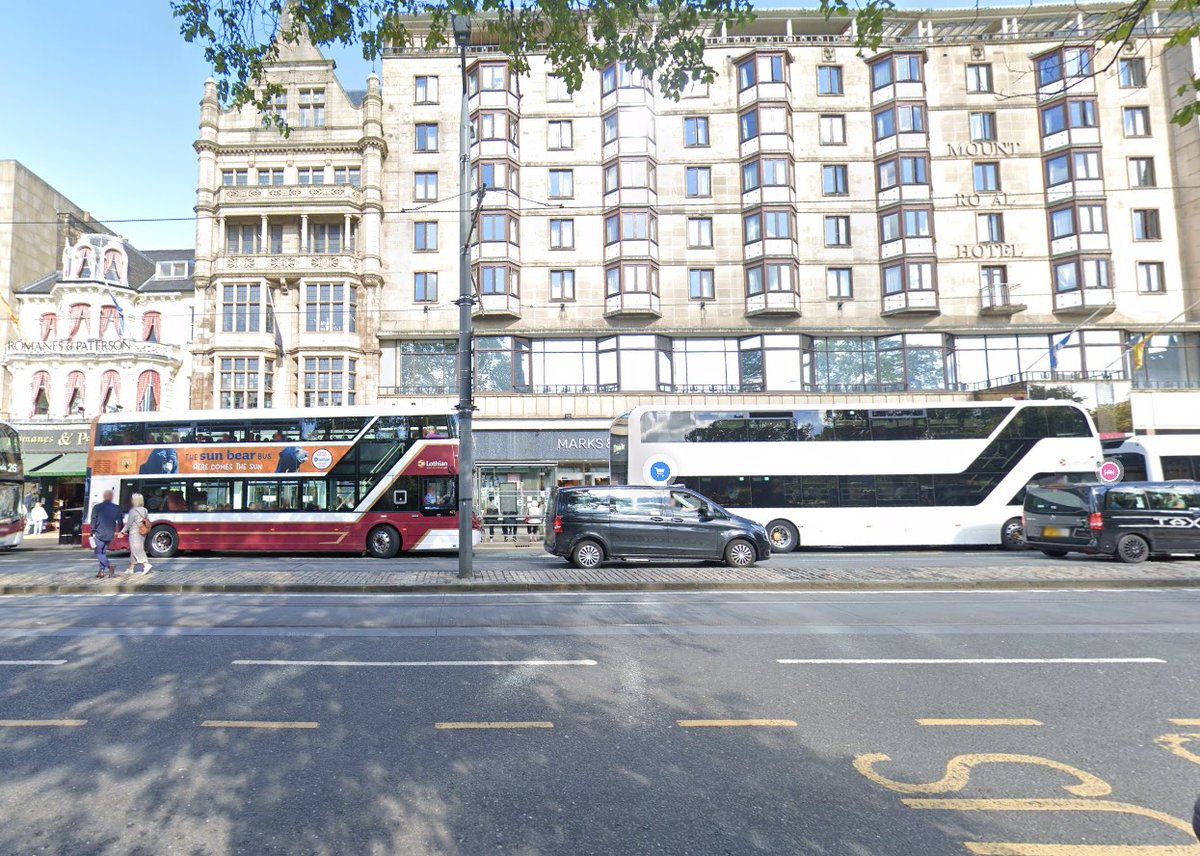
6/7 The Scott Monument was completed in 1846. The database tells us that the Adies were at 58 Princes Street 1830-1843, before moving to No. 50, where the business continued to 1876, then round the corner to Hanover Street until 1880. The protractor was made around 1875